The last few years saw an immense advancement in the technology of projection mapping.
Surfaces with complex shapes and dimensions can now be masked with dynamic visuals transforming reality into illusions of infinite dimensions.
You might have seen projection mapping at events like product launches, concerts, etc. Unlike flat projection, video projection mapping has the power to transform any object into a screen.
A brief history of projection mapping
1969: Haunted Mansion ride in Disneyland featured a series of optical illusions, including five singing bursts, disembodied heads, etc.
1980: Michael Naimark achieved rotating projection mapping by filming the performance of two artists by a rotating camera and then replacing the camera with a projector.
1991: Disney further improved its projection technology and acquired the earliest patent, “Apparatus and method for projection upon a three-dimensional object “.
1994: GE acquired another patent for a system for correctly superimposing images of computer models in three-dimensional space to a corresponding physical object in actual space.
1998: Further advancement in the technology was catalyzed by the work of Ramesh Raskar, Greg Welch, Henry Fuchs, and Deepak Bandyopadhyay at UNC-Chapel Hill.
1999: John Underkoffler introduced I/O Bulb (Input/Output Bulb), which is a camera coupled with a projector.
2001: Further developments happened in shader lampwork.
2004: Advancements in portable projectors occurred. These handheld projectors used a combination of sensors to be aware of their location.
2005-2006: More possibilities of converting drapes into projection screens were explored by Oliver Bimber.
What is projection mapping?
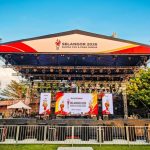
This is a unique video projection technology in which video is projected onto a surface, turning everyday objects such as runways, stages, water, or even buildings into interactive displays.
The three-dimensional surfaces on which the video is projected acts as the canvas and the video blends with the shape and texture of the surface. This helps to create an excellent 2D/3D projection experience.
Traditional projections require a plane surface so that the image will fall correctly on the surface. On the other hand, projection mapping makes use of multiple projectors that are controlled through specialised software.
The most notable difference between different types of projection mapping is where and how ideas are on display.
What Can Projection Mapping Do?
Projection mapping can turn a stage, product, wall, building or other suitable surface into part of the visual experience. Instead of placing content inside a standard rectangular screen, the visuals are designed around the shape and features of the chosen surface.
Depending on the concept, projection mapping can be used to:
- Transform how a stage or space appears without rebuilding the physical set.
- Animate products or objects by mapping visuals directly onto their surfaces.
- Highlight specific product features through motion and visual effects.
- Create changing environments for launches, performances and brand activations.
- Synchronise visual content with lighting, music or voiceovers.
- Add interactive elements where audience movement or actions influence the display.
This flexibility allows projection mapping to work as more than a backdrop. It can become part of the storytelling itself, helping create a more immersive experience around the event or brand message.
What is 2d projection mapping?
2D projections project on plane surfaces such as buildings, roads, walls or screens. Although it is not as immersive as 3D projection mapping, it still requires an extremely high level of technical excellence and precision.
The operator will have to line up the beam edges from multiple projectors to ensure that it appears like a seamless image.
What is 3D projection mapping?
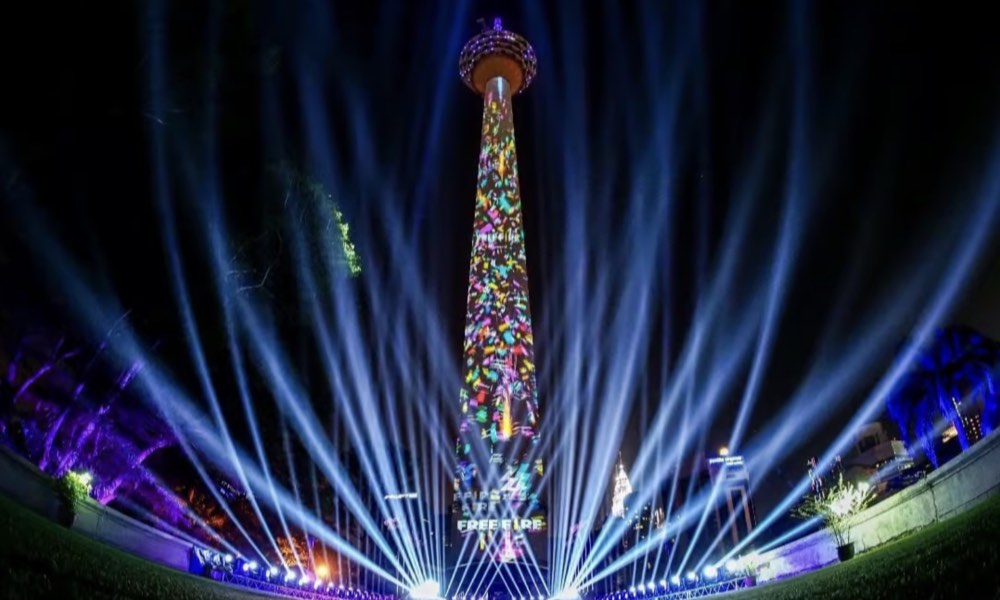
Unlike 2D projection mapping, 3D projections project onto a three-dimensional object so that the image warps and acquires the shape of said object. This technology enables images to be projected onto irregular objects.
For example, 3D projections could display images on the surface of a car to alter the colour and even the design right before the spectators’ eyes.
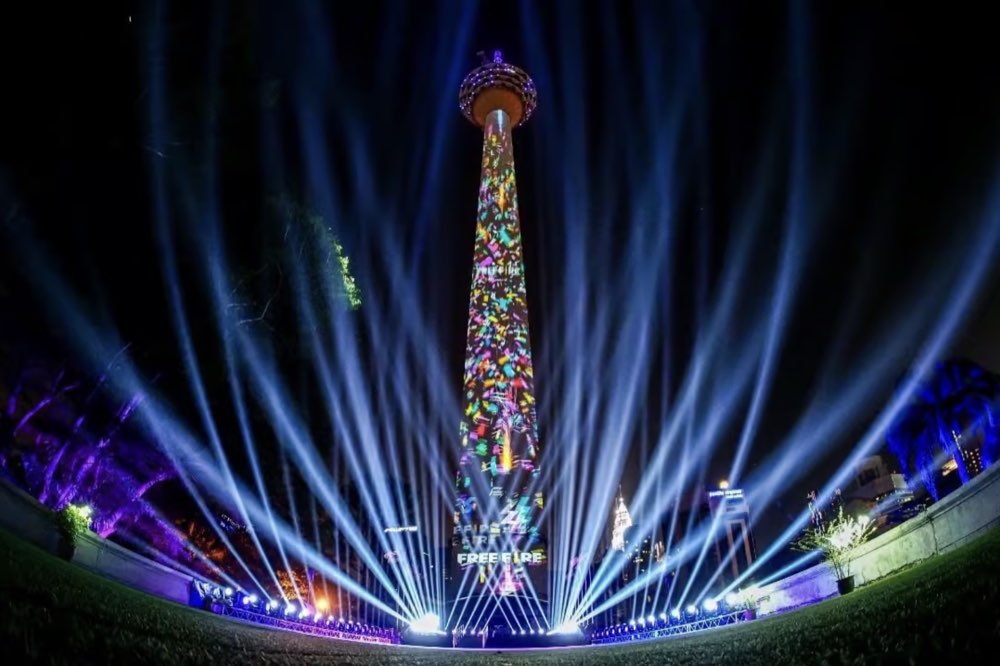
This technology is more expensive and requires in-depth preparation when compared to the latter. Nevertheless, 3D projection mapping is extensively used on vehicles, landscapes, landmarks, shoes and clothing, food products, entire buildings, and even people.
The whole process begins by fitting images on a 3D graphic model of the object to be projected upon.
Read our article on 3D projection mapping for more information.
What is interactive projection mapping?
What differentiates normal projection mapping from interactive projection mapping is that there is an element of human touch in interactive projection mapping.
This means that users can physically interact with the projections and influence the display shown to the audience.
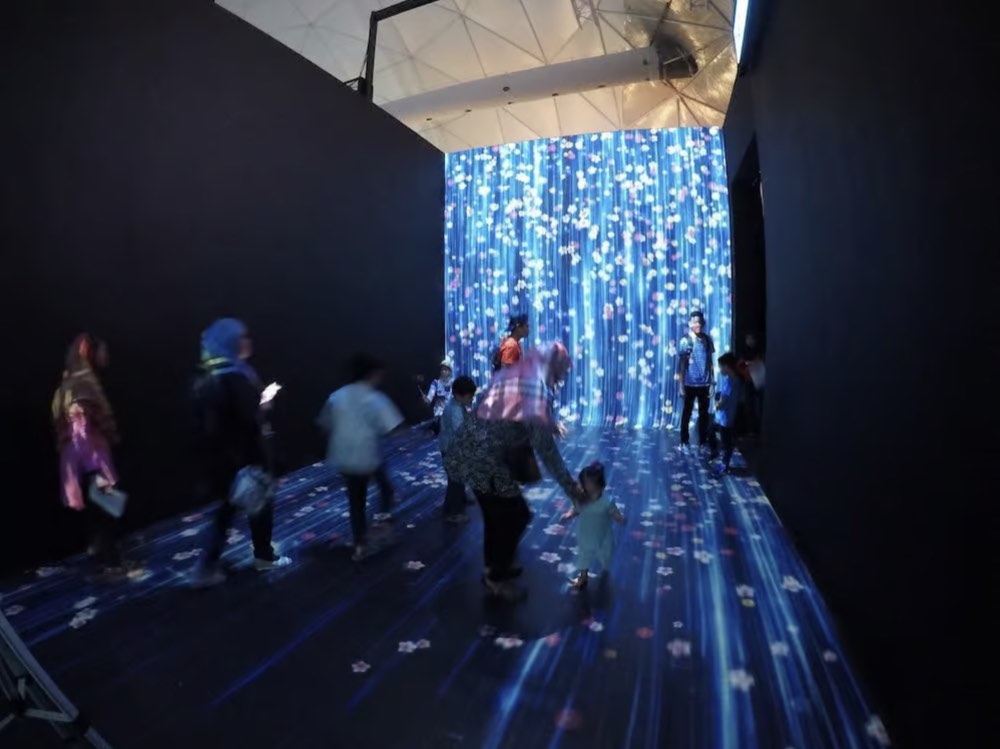
For example, virtual ripples appear around the areas where a person places his feet when the user walks on the floor.
How does projection mapping work?
Projection mapping might sound like a big project, so let’s break it down into achievable steps.
1. First, you’ll need to decide on your canvas – Choose your location and surface. These could be buildings or stages.
2. Next, you’ll need to think about lighting. Ideally, the level of brightness, shadows and pixel density should be calculated for the most effective projection.
3. Following this, you will need to start designing the projection template and animate it.
4. Once this is done, it’s time to head to the location to set things up. Be sure to utilise an alignment grid for clean and seamless projections.
5. Finally, adjust and tweak the projection with reference to the alignment grid. If you’re making changes, remember to test them again beforehand before the show begins.
To ensure a fully immersive experience, it’s essential to complement the visuals with high-quality event sound system equipment, ensuring that the audio aligns perfectly with the projected visuals.
What Technology Is Used for Projection Mapping?
A projection mapping setup brings together both hardware and software. The exact equipment depends on the size of the surface, venue conditions and complexity of the visual concept.
A typical setup may include:
- High-lumen projectors selected according to the projection area and surrounding light.
- Projection mapping and show-control software used to position and manage visual content.
- Custom 2D or 3D graphics designed to fit the shape of the projection surface.
- Alignment and calibration tools that help the projected content match the surface accurately.
- Playback and control systems that manage the visual sequence during the event.
- Lighting and sound systems when the projection needs to follow music, voiceovers or stage cues.
Interactive projection mapping may also use tracking or sensing technology so the visuals can respond to audience movement or interaction.
Benefits of projection mapping
The following are some of the important benefits of projection mapping:
1. No requirement for a flat surface
One of the most exciting benefits of projection mapping is that it is highly flexible as it does not need any flat surface. The video can be practically projected onto any surface, making it easy for creators to focus on what they want to project rather than worrying about the type of surface they need to project.
This will help the creators to deliver a quality experience to the audience.
2. Three-dimensional images
With projection mapping, it is possible to project 3D images rather than a regular 2D images. This will help creators enhance a surface rather than distorting it, thus helping to make the entire experience highly immersive and imaginative.
3. Portability
Projection mapping does not require physical sets and props that take a lot of time to build, transport, set up, and dismantle. The only requirement is a good projector, and you are all set for a magnificent show.
4. Flexibility
One of the significant advantages of projection mapping is that the projected content can be altered as per the needs of the projection backdrop.
For example, if the space needs to be transformed from a lecture to an elaborate ballroom, all you have to do is simply tap the button to change the space. This will take care of any physical transformation.
5. Imagination
With projection mapping technology, there is no limit to visual effects that creators can experiment with. Whether it is simply a logo for a company or an immersive virtual world for an audience, it is possible to create any imagery projected on the desired surface with advanced software technology.
6. Continuous use
This technology is ideal for large events such as plays at the theatre, professional sports games and more. Unlike traditional projection methods, these displays do not have to go away after the event.
You can reuse it innumerable times for different scenarios by adjusting the projected content.
This will help to avoid buying a variety of advertisements and pros that will be used once.
7. Social media sharable
People are always looking for sharable content for their social media pages. Unique projection mapping images are often perfect for Instagram, Tik Tok, etc. Your brand or event will benefit from people sharing the projection freely on their social media pages.
8. Creates a More Immersive Experience
Projection mapping allows visual content to become part of the physical environment rather than sitting separately on a screen. A stage can appear to change shape, a building façade can become animated or a product can appear to transform in front of the audience.
When the projected content follows the shape of the surface and works together with sound, lighting and timing, it can help draw the audience into the story being presented. The aim is not simply to add more visual effects, but to make the space itself contribute to the experience.
Uses of projection mapping
Here are some uses of projection mapping that we see in the world around us:
1. Advertising
Projection mapping presents a unique and innovative way of publicising a product, brand, or launching an event. The ads are uniquely designed to captivate the audience as compared to traditional advertising methods.
This distinctive approach to advertising can substantially impact social media and gain a phenomenal audience response.
Just imagine how often you see exciting advertising campaigns on well-known landmarks or buildings?
The most common answer is not always.
By launching a striking advertising campaign with projection mapping technology, your brand may get noticed by the masses within a short period. Besides, chances are high that they will remember your ad for a long time.
Large companies such as BMW, Nokia, John Players Gold Leaf, Samsung, etc., have already started using this technology in their various marketing campaigns worldwide.
2. Live concerts
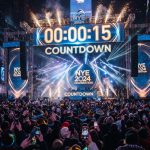
Projection mapping can be effectively used to enhance the stage experience during a live performance or a concert event. The technology can seamlessly blend with the stage performance and intensify audience enjoyment by giving surprising visual effects.
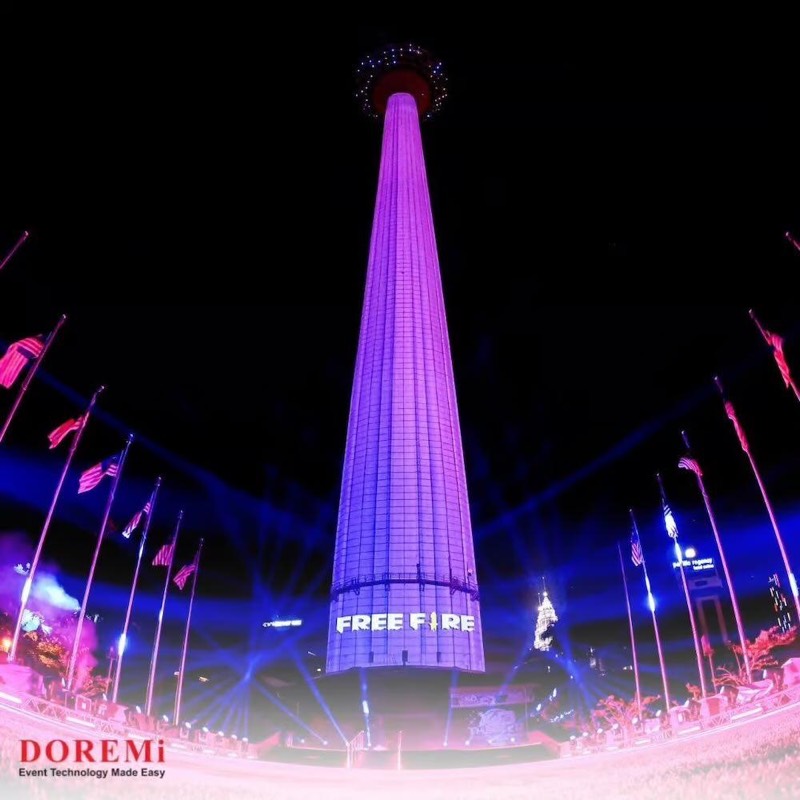
With specially designed imaging software, it is possible to create stunning visuals that will go hand in hand with stage performances.
Unlike regular stage shows, the possibilities of live concerts using projection mapping are limitless.
For example, if the musician is singing soft melodic songs, you could try various backgrounds such as the ocean, mountain view, etc.
3. Theatre
The technology of projection mapping can help to enhance the audience experience in live theatre.
It is up to the creators to be imaginative about creating an atmosphere that will enhance the performance. The visual animations will set the tone of live appearance while captivating the audience.
There are thousands of free videos online that you could experiment with.
Carefully synchronising music with video projections can make a massive difference to the overall result. For example, depending on the bass or treble, you could transform the appearance of different shapes to add impetus to the score creating a magical visual effect.
4. Video games
The technology of projection mapping can be used to enhance the video game experience.
How about bringing the actual on-screen video game characters on stage or your living room wall so that you can directly interact with them?
Several video game development companies have started using projection mapping technology with video games.
One such team, INITI located in the Czech Republic has put together a video game experience using motion-tracking technology and projection mapping.
This is a fantastic idea for family game nights and entertainment areas to bring together people and nurture friendship.
5. Decorations
The transformative power of projection mapping helps creators decorate buildings and monuments with beautiful colours and vivid images.
This technology is highly flexible so that it can make even the most complex structures into a canvas for whatever you want.
The image of the building has to be first scanned when it is most quiet to avoid any obstructions. Once the designated space is mapped correctly, the professional projection mapping specialist will align the graphics and images so that they blend naturally with the structure.
In addition to the above, wedding projection mapping, stage show projection mapping, live projection mapping are also very popular.
In fact, various event organizers these days want to expand the immersive experience by using projection mapping with animations.
For more projection mapping application ideas, read Transform Your Space with Professional Projection Mapping Services to make your event truly unforgettable.
How Can Projection Mapping Benefit Product Marketing and Brand Experiences?
For product marketing, projection mapping can turn the product, stage or surrounding space into part of the campaign story. This gives brands more ways to introduce features, build anticipation and shape how an audience experiences a launch.
For example, brands can use it to:
- Build anticipation before a product is revealed.
- Project graphics directly onto a suitable product or display model.
- Highlight specific components, features or design details through animation.
- Show changes in colour, form or function without physically changing the display.
- Move from one branded environment to another using changing visual content.
- Coordinate the final reveal with sound, lighting and stage cues.
The value for product marketing is therefore not only visual impact. Projection mapping can help turn product information into a story that unfolds around the audience. When the creative concept, projection surface and supporting production work together, the launch can become a more immersive brand experience rather than a standard product presentation.
For better understanding, read How 3D Projection Mapping Transforms a Product Launch into an Unforgettable Brand Moment.
Projection mapping examples
In the last few years, the world has witnessed a sudden rise in the popularity of projection mapping technology. Big brands around the globe have started using it in their campaigns. Here are a few examples:
1. Google
The world-renowned company jumped into the projection mapping game long back. In 2015, Google set up interactive posters at different parts of San Francisco, which served as public voting booths.
Each poster displayed ten nonprofit organisations that are committed to building a better community in the area. The company also offered a $250,000 donation to the top six selected by the public.
This campaign was a massive hit, and the public gave a warm welcome as it created a bond between the American people and Google.
2. Nestle
A few years ago, the famous beverage company created an interactive point of sale campaign for their Quality Street brand-a selection of boxed chocolates and sweets.
This campaign was launched in 10 ASDA stores. The shelving was brought to life with the power of projection mapping technology, creating immense excitement in the audience.
The campaign was a massive hit, and the company reported a shoot-up of 41% in sales in those outlets where the campaign was rolled out.
3. BMW
The famous luxury car brand has effectively used projection mapping during their BMW 7 series sedan launch. The company used a unique blend of art and technology to enhance the customer experience during the launch.
The launch used highly advanced projection methods to map perfectly sized images onto a series model. From the first line drawing with distinctive lines on the side profile to the clay model and finally, to 3D drawing, visitors can follow the evolution of the BMW 7 Series.
An additional screen was set up to provide background information on various stages of work.
Projection mapping Malaysia
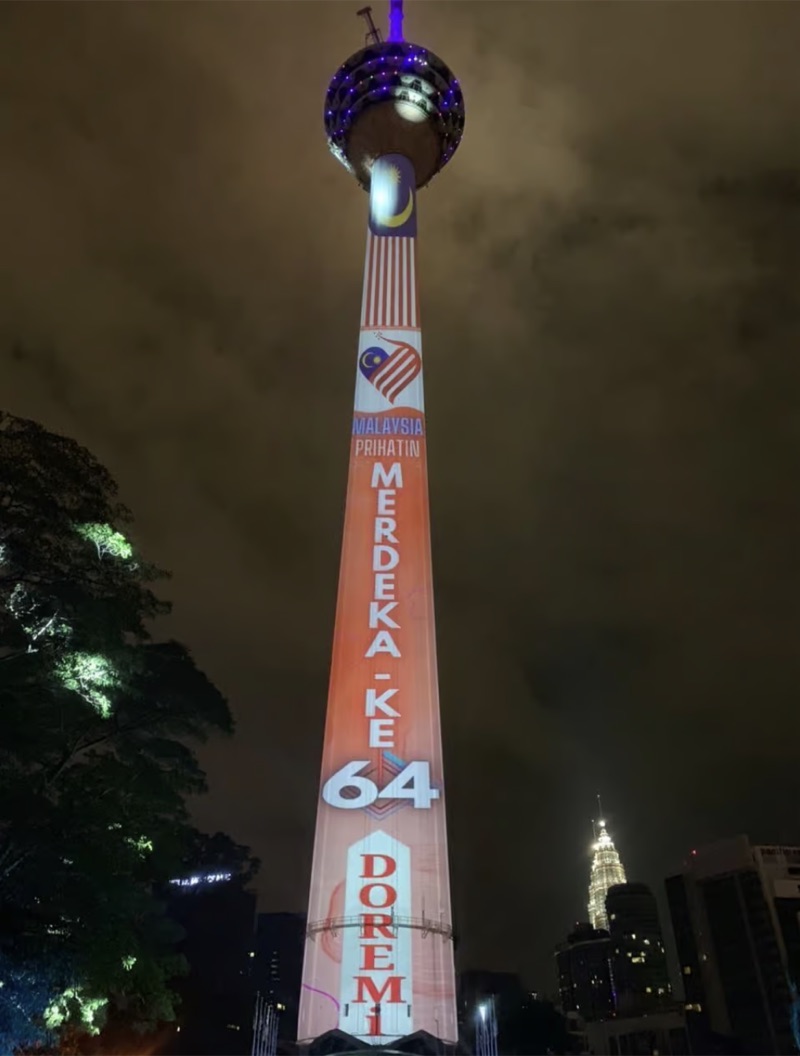
Projection mapping is still pretty new in Malaysia, but it’s gaining popularity. If you want some 3D head-turning images for your next event or product launch, reach out to us at DOREMi for projection mapping services in Malaysia. Our team can provide 2D or 3D projection mapping ideas to maximize the visual effects during your event.
What Should You Consider Before Planning Projection Mapping?
The creative idea is only one part of a projection mapping project. The physical environment also affects what is technically possible and how clearly the final visuals can be seen.
Before confirming the setup, consider:
- Projection surface: Its size, shape, material and position will affect how the content is designed.
- Ambient lighting: Surrounding light can affect projection visibility and should be assessed when selecting the projector setup.
- Audience position: Consider where guests will stand or sit and which angles need a clear view.
- Projector placement: The venue needs suitable positions for the required projection equipment.
- Visual content: Projection mapping works best when the graphics are created specifically for the chosen surface.
- Testing and rehearsal: Visuals should be aligned and tested on the actual setup, particularly when projection is synchronised with lighting, sound or a reveal.
These requirements can vary considerably between an indoor stage, a product display and a large outdoor building projection.
Projection mapping cost
To begin with, the costs are dependent on the type of projection mapping you need (2D OR 3D) and the overall coverage of your event.
In addition to these, other factors that contribute to the cost are:
● Video development time
● Projector used
● Hard drive required
● Size iof surface on which projection is needed
Final Words
If the development of projection mapping technology continues in the present direction, soon, traditional video projection systems will be replaced by this new form of technology.
In the future, it will become easier for more people to gain access to projection mapping. Laser projectors will also find more use as they are compact, quieter, and produce less heat.
If you’re keen to use projection mapping as part of your advertising campaign, speak to us at DOREMi Events today and check out our projection mapping services.
FAQ
Does projection mapping need a flat surface?
No. One of the main differences between standard projection and projection mapping is that mapped visuals can be designed around shaped or irregular surfaces. Depending on the project, this may include stages, products, scenic structures, architectural features and building façades.
Can projection mapping be used indoors and outdoors?
Yes. Projection mapping can be planned for both indoor and outdoor environments. However, the projector setup, surrounding light, projection distance, surface and audience viewing position need to suit the location.
Can projection mapping be used directly on a product?
Yes, where the product or display model provides a suitable projection surface. Content can be designed to follow its shape, highlight features or create the appearance of changes in colour and form. The product dimensions and surface should be assessed before the content is created.
What is the difference between projection mapping and normal projection?
Standard projection generally displays rectangular content on a flat screen or surface. Projection mapping adapts the visuals to the shape and dimensions of a specific object or structure, allowing the content to interact more closely with the physical environment.
Can projection mapping work with sound and lighting?
Yes. Projection can be timed with music, voiceovers, lighting changes and other show cues. Coordinating these elements can help create a more immersive experience, particularly for product reveals, performances and brand activations.