
Summary
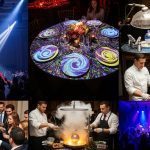
Experiential marketing is a strategy that creates memorable, hands-on brand interactions to engage consumers emotionally. Unlike traditional advertising, it fosters connections through immersive experiences, such as interactive installations, tech-driven activations, product demos, and pop-up events.
The five key dimensions—sense, feel, think, act, and relate—help brands stimulate customer engagement and loyalty.
Experiential marketing enhances brand awareness, drives word-of-mouth promotion, and builds lasting customer relationships. By integrating creativity and technology, brands create viral, shareable moments that strengthen their market presence.
Introduction
Experiences influence human desires and how we see the world. They arouse feelings such as happiness, excitement, longing, and nostalgia, playing on our natural curiosity and fear of missing out (FOMO).
Furthermore, experiences give a feeling of exclusivity that has the potential to affect customer behaviour significantly. When brands focus on providing memorable experiences, they can effectively stand out in an evolving and crowded market.
This is where experiential marketing comes in as a well-rounded marketing strategy! In fact, the backbone of any modern campaign should be experiential—inviting and encouraging consumers to participate in the evolution of the brand.
What is experiential marketing?
Experiential marketing—sometimes called loyalty marketing, brand activation marketing, or engagement marketing—is a dynamic strategy that revolves around curating memorable experiences for consumers rather than relying solely on traditional advertising approaches.
In practice, it emphasises hands-on interactions that allow prospects to engage directly with brands or products in a manner that promotes emotional connections. This consequently fosters word-of-mouth promotion.
Experiential marketing’s effectiveness lies in its capacity to create positive experiential touchpoints throughout the customer journey. In fact, research indicates that Emotional engagement through experience can significantly influence purchasing decisions.
What are the 5 dimensions of experiential marketing?
Experiential marketing can be broken down into five dimensions, namely:
- Sense: Stimulating visual, auditory, or tactile senses to create an immersive experience that captures attention and enhances brand recall.
- Feel: Evoking emotional responses that foster a deeper connection between the consumer and the brand.
- Think: Encouraging cognitive engagement by prompting consumers to reflect on their experiences. This often leads to a greater understanding of the brand’s value.
- Act: Driving physical actions such as purchases or participation in brand activities— translating engagement into tangible results.
- Relate: Building meaningful relationships by creating shared experiences that resonate with consumers. This consequently enhances loyalty and community connection.
Is experiential marketing effective?
Yes, experiential marketing is highly effective. This is because it appeals to people’s innate need for emotional bonds and fulfilling experiences. In contrast to the largely passive nature of traditional advertising techniques, experiential activations foster special emotional bonds with a brand. Here are some interesting statistics to consider:
HubSpot’s 2024 State of Marketing & Trends Report reveals that customers who encounter personalised experiences are 215% more likely to be converted than brands that don’t offer personalised experiences.
According to a research study by Agency EA, the success rate for experiential marketing is 38.34%. The same study suggests that the success rates for digital advertising, content marketing, sponsorships and traditional advertising are 19.69%, 12.44%, and 9.33%, respectively.
 Types of experiential marketing
Experiential marketing encompasses diverse strategies designed to engage consumers through interactive and memorable experiences. Here are some notable types of experiential marketing:
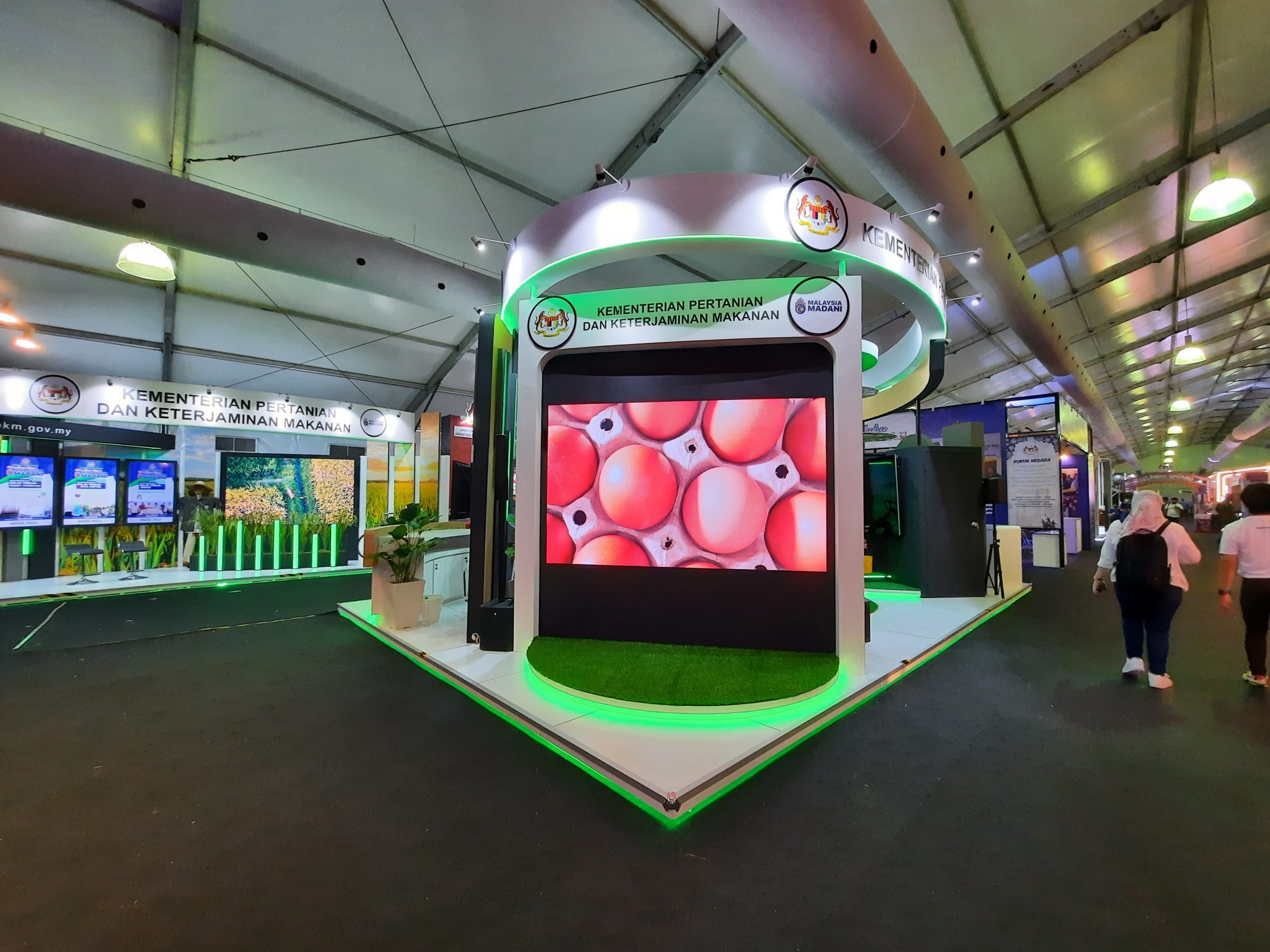
- Interactive installations: Event organisers can employ cutting-edge methods like projection mapping both indoors and outdoors. These installations can produce enthralling visual experiences that entice viewers and motivate them to interact with the brand in a special way.
- Event marketing: This type of experiential marketing involves crafting immersive on-ground events where consumers can interactively participate in activities and create lasting memories. Thus, enhancing their connection to the brand.
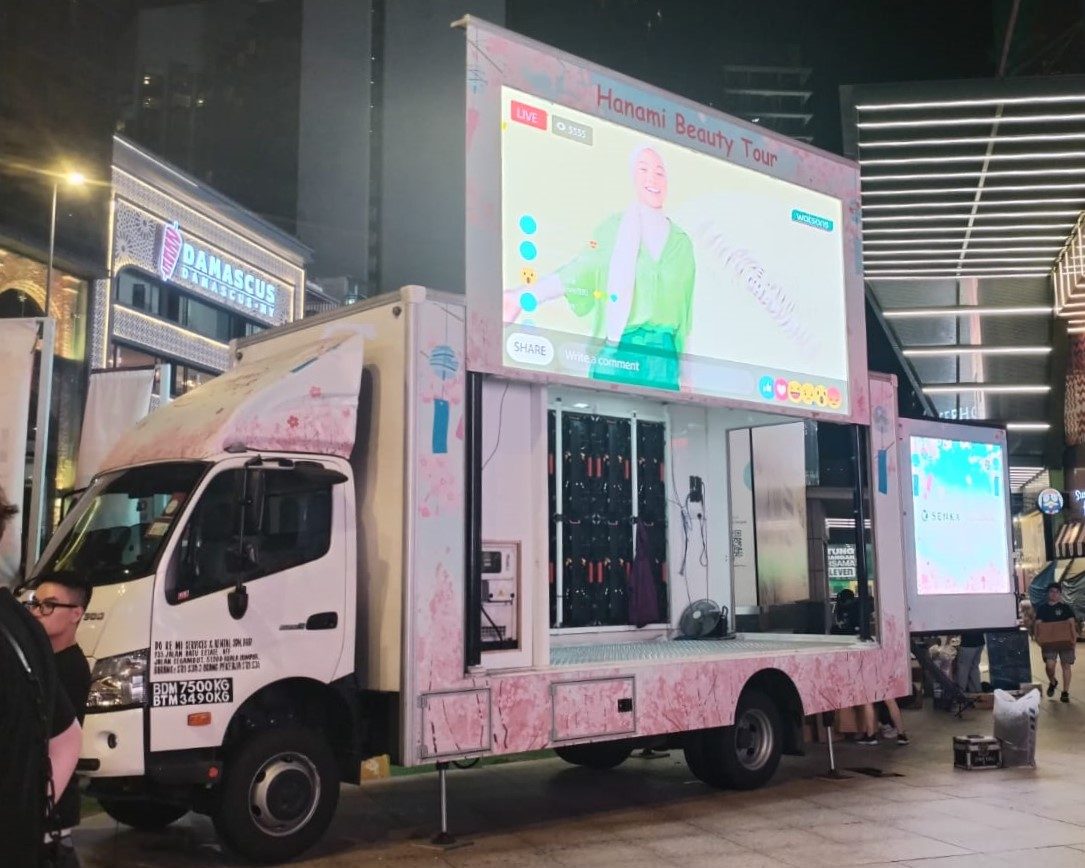
- Tech-driven activations: By leveraging advanced technology like LED screens, floor LED displays, and mobile LED trucks, brands can create dynamic environments that captivate and facilitate engagement through visually striking presentations.
- Sampling and trials: Offering product demonstrations in authentic settings enables customers to get a firsthand look at the product. This enhances their comprehension of its advantages and promotes prompt purchases.
How does experiential marketing work?
Experiential marketing works through a systematic process designed to create engaging and memorable experiences for consumers.
- Identifying the target audience: The first step in experiential marketing is to understand the target audience. This in-depth process involves researching their demographics, preferences, interests, and behaviours to tailor the experience effectively.
- Designing engaging touchpoints: Once the target audience is identified, the next phase involves designing engaging touchpoints. These touchpoints could be immersive brand activations that let customers meaningfully engage with the company or on-ground events like pop-up stores.
- Leveraging technology: Technology is the bedrock of modern experiential marketing. Brands can produce more engaging experiences by utilising resources like sound systems, AV equipment rentals, LED displays, and interactive digital components. Such sensory-appealing technology can help them reach a larger audience by facilitating real-time engagement through interactive applications and social media sharing.
Experiential marketing strategies
Experiential marketing strategies are continually evolving to meet the needs of today’s modern consumers and their unique events. Here are some eye-popping ones to consider to make lasting impressions on customers:
Immersive visuals
Projection mapping turns any surface into a dynamic display canvas—making it an effective tool for producing immersive experiences. It is perfect for marketing activations and storytelling since it blends light, motion, and digital graphics to immerse viewers in new worlds.
In fact, it is so flexible that brands can create unforgettable experiences by projecting onto unconventional surfaces like furniture or large-scale buildings.
Creative-led campaigns
Creative LED solutions are a perfect way to offer dynamic and visually striking displays. These unique solutions can be integrated into various event settings to create engaging environments that captivate audiences.
Whether used in indoor or outdoor settings, LED displays can augment brand visibility, reinforcing messaging through interactive and immersive experiences.
Technology integration
In contemporary experiential marketing, technology integration is mission-critical. For instance, mobile LED trucks and AV equipment enable brands to provide modular and flexible avenues to deliver high-quality audiovisual experiences. Thereby, enabling businesses to reach a larger audience in many locations.
 Event sponsorship
Another effective experiential approach is event sponsorship, in which companies collaborate with events to connect with certain audiences. By aligning themselves with events that appeal to their target audience, brands may increase their visibility whilst building stronger relationships with prospective clients.
Product demos
Product demos are a practical form of experiential marketing that allows customers to get a personal look at things. By providing customers with a concrete grasp of the product’s advantages, this strategy fosters instant brand engagement and promotes purchases.
Pop-ups
Pop-up events are transient installations that provide distinctive experiences, frequently in unexpected locations. They give companies a chance to astonish and thrill customers. Thereby, resulting in unforgettable encounters that can create buzz and increase brand loyalty.
Brand activations
Brand activations revolve around creating immersive experiences that bring a brand’s message to life. These activations, which might include interactive installations and live performances are all intended to connect with customers and create enduring brand relationships emotionally.
By leveraging creativity and technology, brand activations can greatly increase brand recognition and loyalty.
Why is experiential marketing important?
The benefits of experiential marketing in terms of brand engagement and customer loyalty are multifaceted, for instance:
- Builds emotional connections: Through experiential marketing, brands and customers can develop sincere emotional bonds with customers. These bonds are typically enduring and go beyond transactional connections, building brand loyalty and advocacy.
- Boosts brand awareness: Experiential marketing events and activations appreciably boost brand awareness and recognition by giving customers the chance to engage with brands in meaningful ways practically. These encounters frequently generate excitement and promote social media sharing, which increases brand recognition even more.
- Goes viral: Experiences in experiential marketing are very shareable due to their immersive nature. In fact, customers are more inclined to post about memorable experiences on social media, which may lead to viral moments that increase brand awareness outside of the event.
- Creates memorable experiences: The fundamental premise of experiential marketing is to produce memorable experiences that increase brand recall and awareness. These encounters are more memorable than traditional marketing methods because they appeal to a variety of human senses.
- Increases customer loyalty and long-term brand advocacy: Experiential marketing creates unforgettable emotional experiences that raise customer loyalty. In fact, customers who interact with brands through experiential marketing are more likely to stick around and eventually recommend them to others.
Experiential marketing examples
Here are some real-world examples illustrating how experiential marketing can be used to engage audiences in innovative and memorable ways:
- Visit Arizona’s Immersive VR Experience: Through the use of virtual reality, this experiential campaign immersed prospective tourists in Arizona’s stunning scenery. Participants’ interest in visiting Arizona increased as prospects desired to witness the state’s natural splendour up close.
- Marriott’s Virtual Honeymoon: Marriott Hotels developed a unique virtual reality experience that lets couples look at possible places for their honeymoon. The hotel chain opened a location outside of City Hall, a site that hosts civil marriages, giving couples a picture of their ideal honeymoon.
Conclusion
Rather than depending exclusively on conventional advertising tactics, experiential marketing is a dynamic approach aimed at giving customers unforgettable experiences. It places a strong emphasis on direct consumer involvement, enabling them to form emotional bonds with a brand, good, or service.
This consequently makes customers feel appreciated and a part of the brand’s story, increasing brand awareness and fostering loyalty.
Experiential marketing’s capacity to establish favourable touchpoints along the client journey is what makes it so effective. Brands can provide distinctive and captivating experiences to stand out in a competitive marketplace and promote word-of-mouth advertising.
Additionally, experiential marketing tactics frequently employ social media to expand their reach. This is because participants are more inclined to post about their unique experiences online, which raises brand recognition and encourages community involvement.