Key Takeaways
- Planning an international conference requires clear strategy, detailed coordination, and global execution capability, as decisions around location, venue, logistics, and production directly impact delegate experience and event outcomes.
- Defining objectives, audience, and event format early helps align content, budgeting, AV equipment, and logistics with the conference’s core goals and ensures efficient decision-making.
- Choosing the right location of conference is critical, with accessibility, infrastructure, cost impact, and delegate experience playing a major role in attendance and operational success.
- Conducting a thorough venue recce is essential to assess technical readiness, space layout, safety compliance, and logistical access, reducing last-minute risks and budget overruns.
- A realistic event budget must account for production, AV equipment, logistics, speakers, and contingency planning, while prioritizing high-impact elements such as sound, staging, and visual clarity.
- Strong event logistics management, professional AV production, cultural sensitivity, and risk preparedness are key to delivering a seamless, high-quality international conference that meets global standards.

International conference (Source)
Planning an international conference requires more than good coordination—it demands clear strategy, technical expertise, and global execution capability. From choosing the right location of conference to managing event logistics, budgets, and production standards, every decision affects delegate experience and event outcomes.
This guide outlines proven best practices for planning international conferences, covering venue selection, venue recce, event budget planning, and essential AV equipment considerations. Built on real event experience, it is designed to help organizers plan with confidence and deliver professional, seamless international conferences.
What is an international conference?
An international conference is a professional event that brings together delegates, speakers, and stakeholders from multiple countries to exchange knowledge, build networks, and drive collaboration. These conferences often focus on industry leadership, policy discussions, innovation, or global business strategy.
Unlike local or national events, international conferences require a higher level of planning and coordination. Organizers must account for cross-border travel, cultural differences, language requirements, and international technical standards. Decisions around the location of conference, venue infrastructure, and event logistics play a critical role in ensuring smooth execution.
Because of their global audience, international conferences also demand stronger production quality, including reliable AV equipment, clear sound systems, and professionally designed stages, to deliver a consistent and engaging experience for all attendees.
Strategic planning for an international conference
Effective strategic planning sets the direction for a successful international conference. Before finalizing venues or suppliers, organizers must clearly define the event’s purpose, audience, and structure. This early clarity helps streamline decision-making, manage the event budget, and align production and logistics with real event goals.
International conferences involve multiple regions, stakeholders, and expectations. A strong strategy ensures that choices around the location of conference, agenda design, and technical setup are well-coordinated and outcome-driven.
Defining objectives, audience & format
Every international conference should start with clear objectives, such as knowledge sharing, networking, policy dialogue, or business development. Defined goals guide content planning, speaker selection, and production scale.
Understanding the audience is equally critical. International delegates often vary in culture, language, and professional background. Knowing who the conference is designed for helps shape relevant content, appropriate formats, and smooth attendee experiences.
Once objectives and audience are clear, the event format can be finalized. Whether it involves keynote sessions, panels, workshops, or exhibitions, the chosen format influences event logistics and AV equipment planning, ensuring the conference runs efficiently and delivers value to attendees.
Choosing the right location of conference
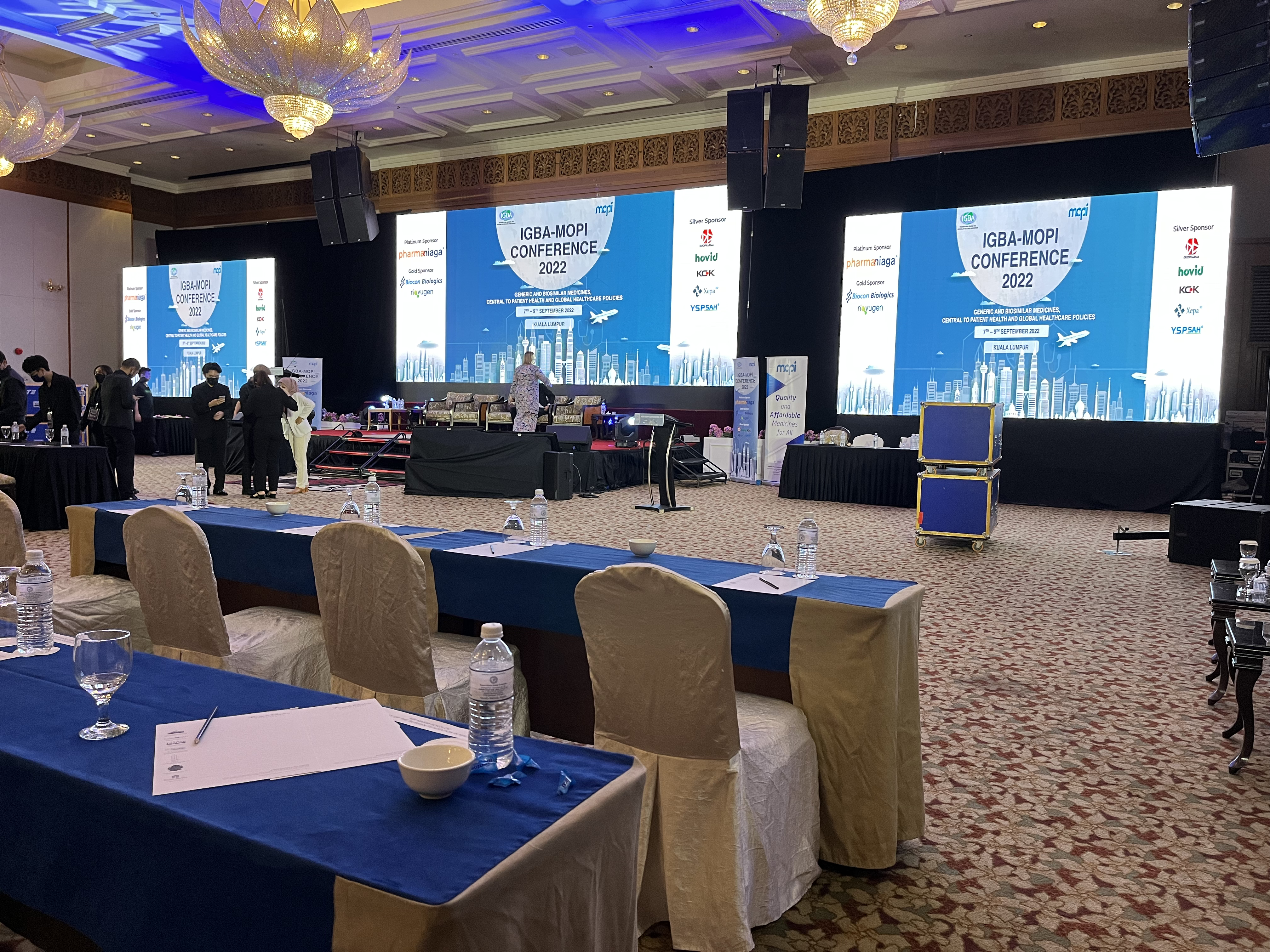
Selecting the right location of conference is a critical decision when planning an international conference. The destination directly affects delegate attendance, logistics, budget, and overall event perception. A well-chosen location simplifies operations and enhances the delegate experience.
Key factors to consider when selecting a conference location
- Accessibility
- International flight connectivity.
- Visa requirements and ease of entry.
- Proximity to major business or government hubs.
- Infrastructure & facilities
- Availability of international-standard venues.
- Reliable transportation, hotels, and support services.
- Strong local vendor ecosystem for event logistics and AV support.
- Cost & budget impact
- Venue and accommodation costs.
- Local labor and production expenses.
- Overall impact on the event budget.
- Delegate experience
- Safety, cleanliness, and hospitality.
- Cultural appeal and networking environment.
- Destination suitability for global audiences.
Choosing the right location early allows organizers to plan venue recce, logistics, and production efficiently. This reduces risk and ensures the international conference delivers both operational excellence and attendee satisfaction.
Venue recce & selection best practices
A thorough venue recce is essential when planning an international conference. While brochures and layouts provide initial guidance, only an on-site visit confirms whether a venue can support the technical, logistical, and operational demands of a global event. Early venue evaluation helps prevent last-minute issues and protects the event budget.
What to look for during a venue recce
- Space & layout
- Adequate hall size and ceiling height.
- Clear sightlines for stage and screens.
- Backstage, storage, and speaker holding areas.
- Technical readiness
- Power capacity for AV equipment.
- Rigging points for lighting and LED screens.
- Internet reliability and bandwidth.
- Access & logistics
- Load-in and load-out access.
- Freight elevators and service corridors.
- Smooth flow for attendees and crew.
- Safety & compliance
- Emergency exits and crowd control.
- Local safety regulations and permits.
Selecting a venue that meets these criteria ensures smoother event logistics, supports professional production standards, and allows the international conference to run efficiently from setup to show day.
Realistic event budget for international conferences
A well-planned event budget is critical to the success of an international conference. International events involve additional costs such as cross-border logistics, technical production, and on-ground coordination, making early budget planning essential. A realistic budget helps organizers prioritize spending, manage risks, and deliver a consistent delegate experience without overspending.
Core components of an international event budget
-
- Venue & hospitality
- Venue rental and service charges.
- Accommodation and catering for speakers and VIPs.
- Production & AV equipment
- Audio, visual, and lighting systems.
- LED screens, staging, and technical crew.
- Event logistics
- Freight, transportation, and customs handling.
- On-site manpower and local support teams.
- Programming & speakers
- Speaker fees, travel, and accommodation.
- Translation or interpretation services.
- Contingency planning
- Buffer for unexpected costs or last-minute changes.
- Venue & hospitality
Cost optimization without compromising experience
Smart budget planning ensures the international conference meets professional standards while delivering a strong experience for attendees and stakeholders. Here are some extra tips on how to do so.
- Prioritize spending on high-impact elements such as AV equipment, stage visibility, and sound clarity.
- Conduct early venue recce to avoid technical surprises and additional costs.
- Work with experienced local partners to streamline event logistics.
- Use scalable stage and lighting designs to maintain quality while controlling costs.
-
-
For more on conference budgets and costs, read How Professional Event Production Drives Measurable Business Value at Conferences

Managing event logistics across borders
Managing event logistics for an international conference requires detailed coordination across countries, vendors, and timelines. Unlike local events, international conferences involve added complexity due to regulations, transportation, and technical dependencies. Early logistics planning reduces risk, avoids delays, and ensures smooth execution on event days.
International event logistics to plan for
- Freight & equipment movement
- Shipping of AV equipment, staging, and technical gear.
- Customs clearance and temporary import regulations.
- Technical & production coordination
- Alignment of international and local production teams.
- Setup schedules, rehearsals, and technical run-throughs.
- Travel & on-ground movement
- Airport transfers for speakers and VIPs.
- Crew transportation and accommodation planning.
- Venue & vendor coordination
- Load-in and load-out scheduling.
- Local vendor integration and compliance.
- Timeline & risk management
- Buffer time for delays or regulatory checks.
- Backup plans for critical logistics components.
Effective logistics management ensures that the international conference operates efficiently, supports high production standards, and delivers a seamless experience for attendees, speakers, and organizers.
On-ground logistics & delegate experience
On-ground logistics play a major role in shaping the overall experience of an international conference. Even with strong planning, poor execution at the venue can disrupt schedules and affect attendee satisfaction. Clear coordination on-site ensures the conference runs smoothly from arrival to departure.
Key areas to focus on include:
- Registration & entry flow
- Efficient check-in systems.
- Clear signage and multilingual support.
- Delegate movement
- Smooth transitions between sessions.
- Well-planned seating and crowd flow.
- Speaker & VIP management
- Dedicated green rooms and support staff.
- Timely coordination for stage access.
- Technical & show-day coordination
- Real-time communication between logistics and production teams.
- Immediate support for AV or schedule-related issues.
Well-managed on-ground logistics support seamless event logistics, enhance attendee comfort, and reinforce the professionalism of the international conference.
AV equipment & production essentials for international conferences
Professional production is a key success factor for any international conference. With multinational audiences and high expectations, reliable AV equipment and thoughtful production design ensure clear communication, strong visual impact, and a consistent experience for both in-room and remote attendees.
AV equipment standards for global events
International conferences require AV systems that meet global performance standards and operate without failure.
Key considerations include:
- Redundant systems for critical equipment.
- Compatibility with international power and signal standards.
- Clear integration between audio, video, lighting, and content teams.
-
-
Reliable AV equipment minimizes technical risk and supports smooth show flow across sessions.
LED video backdrop for high-impact conferences
A well-designed LED video backdrop enhances stage presence and audience engagement at international conferences.
Important factors:
- Appropriate pixel pitch based on viewing distance.
- High brightness for well-lit conference halls.
- Content scaling for presentations, live feeds, and branding.
-
-
LED backdrops ensure clear visibility and professional presentation across large venues.
Lighting system design for international conferences
A professional lighting system improves visibility, focus, and overall event atmosphere.
Key elements include:
- Balanced stage lighting for speakers and panels.
- Controlled lighting zones for different session formats.
- Broadcast-friendly lighting for recordings and live streams.
-
-
Effective lighting supports both live audiences and digital viewers.
Stage design that reflects global standards
Strong stage designing ensures visibility, comfort, and brand alignment at an international conference.
Best practices:
- Clear sightlines from all seating areas.
- Modular stage layouts for flexibility.
- Integrated branding without visual clutter.
-
-
A well-designed stage enhances speaker confidence and audience attention.
Sound system planning for multinational audiences
A reliable sound system is critical when addressing diverse, multilingual audiences.
Key considerations:
- Even sound coverage across the venue.
- Microphone clarity for speakers and panels.
- Support for interpretation and translation systems.
-
-
A professionally planned sound system ensures every message is clearly delivered, regardless of audience size or language.
Attendee experience & cultural considerations
Attendee experience is a defining factor in the success of any international conference. With delegates arriving from different countries and cultural backgrounds, thoughtful planning helps create an inclusive, comfortable, and professional environment.
Key considerations include:
- Cultural awareness
- Respect for local customs and business etiquette.
- Culturally appropriate stage content and visuals.
- Language & communication
- Multilingual signage and event materials.
- Interpretation support for sessions where required.
- Accessibility & comfort
- Clear wayfinding and seating arrangements.
- Accessibility support for international and special-needs attendees.
- Hospitality & engagement
- Efficient support desks and help points.
- Well-paced schedules that respect time zones and travel fatigue.
By prioritizing attendee needs and cultural sensitivity, organizers can enhance engagement, reduce friction, and deliver an international conference experience that feels seamless and welcoming to a global audience.
For more on attendee experience, read ‘How To Enhance Event Experience for Delegates in International Conferences’
Risk management & operational readiness
Effective risk management is essential when delivering an international conference. With multiple stakeholders, technical dependencies, and cross-border operations, being operationally prepared helps prevent disruptions and ensures continuity throughout the event.
Key areas to plan for include:
- Technical contingencies
- Backup power and redundant AV equipment.
- Standby systems for sound, lighting, and video.
- Operational preparedness
- Clear escalation and decision-making protocols.
- Trained on-site teams for rapid issue resolution.
- Environmental & external risks
- Weather-related planning for travel and load-in.
- Local regulations and compliance requirements.
- Show-day control
- Real-time communication across production, logistics, and venue teams.
- Detailed run-of-show and rehearsal planning.
Strong operational readiness ensures the international conference remains stable, professional, and resilient—regardless of unforeseen challenges.
Why choose an experienced international conference partner
Executing an international conference requires more than individual service providers. It demands a partner with proven global event experience, technical expertise, and operational control. An experienced conference partner understands the complexity of cross-border planning and ensures every element works together seamlessly.
Key advantages of working with an experienced international conference partner include:
- End-to-end execution
- Integrated planning across strategy, production, and event logistics.
- Single point of coordination for venues, vendors, and technical teams.
- Global production expertise
- Proven handling of international-standard AV equipment, staging, and show flow.
- Ability to adapt production design to different venues and locations.
- Risk & quality management
- Strong contingency planning and operational readiness.
- Consistent quality delivery across regions.
- Local knowledge with global standards
- Understanding of local regulations, vendors, and venues.
- Execution that meets international expectations.
With experience delivering international summits and conferences across regions such as Malaysia, Doremi brings the confidence, technical capability, and on-ground expertise required to deliver professional, high-impact international conferences.
FAQ
How far in advance should you plan an international conference?
An international conference should ideally be planned 9 to 12 months in advance. This allows sufficient time for selecting the right location of conference, completing venue recce, securing speakers, managing event logistics, and finalizing AV and production requirements.
What is the biggest challenge in planning an international conference?
The biggest challenge is coordinating multiple elements across borders. This includes travel, regulations, technical standards, and cultural expectations. Strong planning, clear communication, and experienced partners help reduce these complexities.
How to manage AV equipment for international events?
Managing AV equipment for international conferences requires compatibility with global standards, backup systems, and coordination between local and international technical teams. Early planning and technical rehearsals are critical for smooth execution.
How can organizers control the event budget for an international conference?
Organizers can manage the event budget by defining priorities early, conducting detailed venue recce, optimizing logistics planning, and working with experienced partners who understand cost efficiencies without compromising production quality.
How important is the sound system for multinational audiences?
A professional sound system is critical for international conferences with diverse audiences. Clear audio delivery, balanced coverage, and support for translation or interpretation systems ensure every delegate can follow sessions without difficulty.
What should organizers look for in an international conference production partner?
Organizers should look for proven international experience, strong technical capability, and end-to-end execution support. A reliable partner should manage AV equipment, stage designing, logistics coordination, and on-ground operations while maintaining global quality standards.
Conclusion
Planning an international conference requires clear strategy, detailed coordination, and experienced execution. From selecting the right location and conducting thorough venue recce to managing event budgets, logistics, and production, every element plays a role in delivering a successful global event.
With the right planning approach and a trusted international conference partner such as Doremi, organizers can confidently deliver professional, high-impact conferences that meet global standards and exceed attendee expectations.