Music can transform an event. It sets the atmosphere, builds excitement, supports performances and helps audiences connect with the experience. Whether you are organising a corporate dinner, product launch, concert, wedding, festival or private function, the quality of your music setup can influence how the entire event feels.
However, creating a successful musical experience involves more than booking a performer and arranging a few speakers. The right equipment must suit the performance, venue, audience size and event programme. Microphones, mixing consoles, speakers, musical instruments, monitors and cables all need to work together properly.
This is why choosing the right music equipment rental partner matters. A suitable provider should understand your requirements, recommend practical equipment, coordinate delivery and setup, and help ensure the technical arrangements are ready before the performance begins.
With different suppliers offering different equipment packages and levels of support, how can you identify the right partner for your event?
This guide explains what to consider when comparing music equipment rental providers, what equipment your event may need and how to make a more informed decision.
Understand Your Event’s Music Requirements First
Before contacting rental companies, identify what music will be used for and how it will be delivered to your audience. This gives providers the information they need to recommend suitable equipment instead of offering a generic package.
A live band, solo singer, DJ and corporate awards ceremony have different technical requirements. Even two concerts can require different setups depending on the performers, stage layout and programme.
Live bands and musical performances
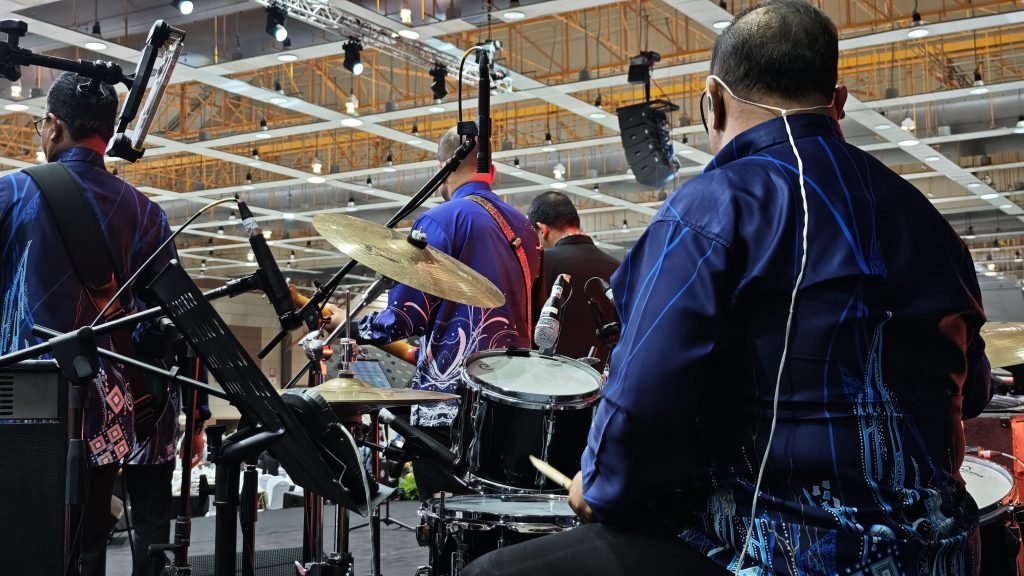
A live band may require a combination of instruments, microphones, amplification and monitoring equipment. Depending on the performance, the setup could include a drum kit, guitar amplifiers, a bass amplifier, keyboard equipment, direct input boxes and microphones for vocals and instruments.
The band may also provide some of its own instruments. Before arranging music equipment rental, confirm which items the performers will bring and which must be supplied by the rental company.
This helps prevent missing equipment, unnecessary duplication and last-minute changes.
DJs and electronic music performances
A DJ setup may require media players or controllers, a DJ mixer, monitoring headphones, speakers and subwoofers. The exact requirements depend on the performer’s preferred equipment and whether the performance uses a laptop, external players or other devices.
For larger events, the sound system must also deliver sufficient coverage across the audience area. The equipment should support the performance without creating uncomfortable sound levels near the stage or leaving distant sections unable to hear clearly.
Corporate events and background music
Corporate dinners, award ceremonies, networking sessions and product launches may use background music, live entertainment or a combination of both.
These events often require equipment that can support different parts of the programme. Music may play during guest arrival, continue beneath dinner service and transition into a live performance later in the evening.
The sound setup should suit each stage of the event. Background music should remain comfortable for conversation, while live performances may require a more powerful and carefully balanced system.
Create a basic event brief
Before requesting quotations, prepare a short brief containing:
- Event type, date and venue.
- Estimated audience size.
- Number and type of performers.
- Performance duration and programme schedule.
- Indoor or outdoor location.
- Instruments and equipment supplied by performers.
- Requirements for microphones, speakers and monitoring.
- Delivery, setup, soundcheck and dismantling times.
- Available budget and any venue restrictions.
The more clearly you communicate your requirements, the easier it becomes to compare suppliers on an equal basis.
Check Whether the Rental Partner Offers the Right Equipment
 Not every music equipment rental provider carries the same inventory. Some specialise in instruments and backline equipment, while others focus on sound systems or provide a broader event production service.
The important question is not simply how many items a company has. It is whether the provider can supply the equipment required for your specific performance.
Musical instruments and backline equipment
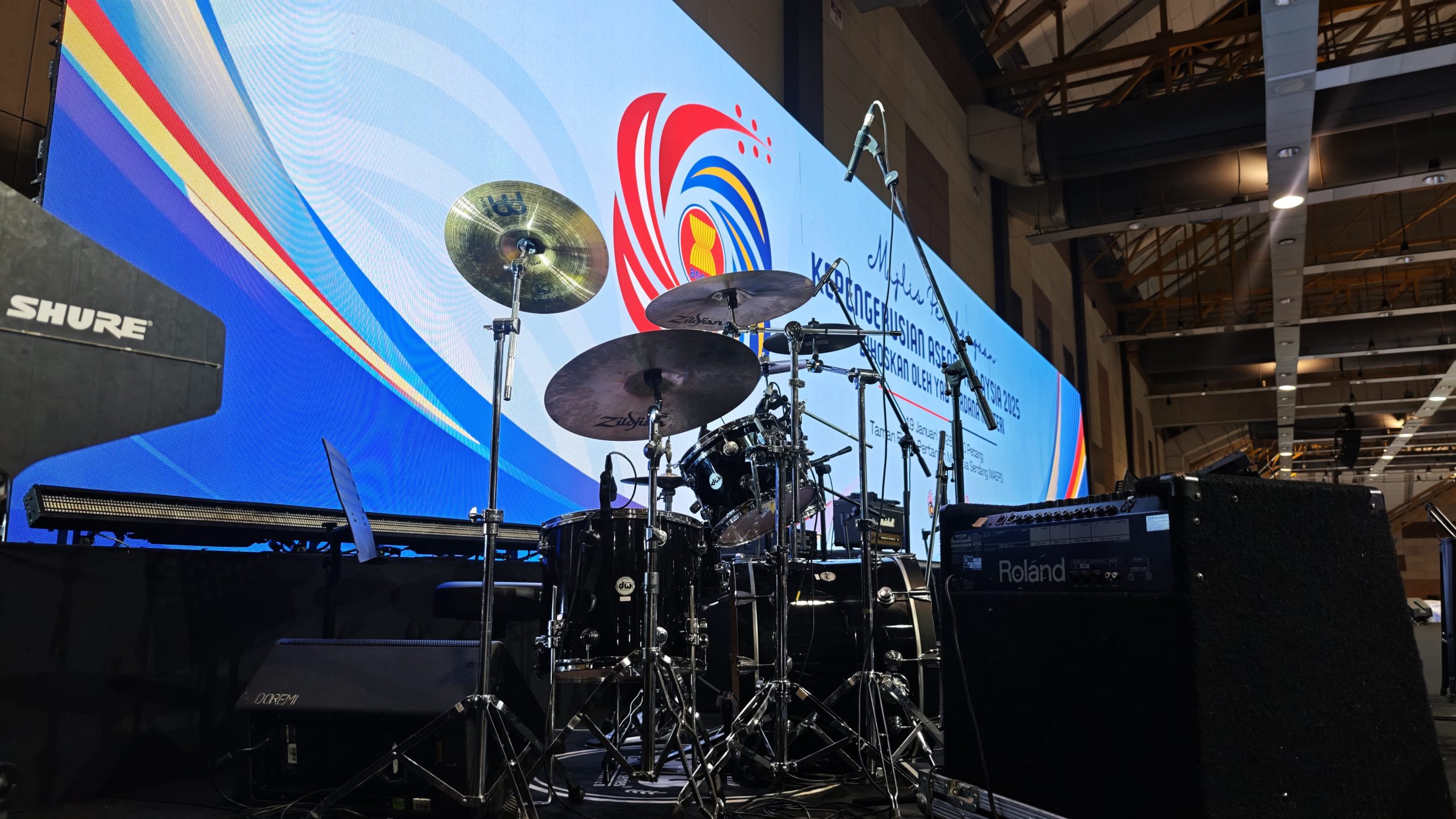
Backline generally refers to the instruments and amplification equipment used by performers on stage. Depending on the production, this can include drum kits, guitar amplifiers, bass amplifiers, keyboards and related accessories.
If your event features professional musicians, ask whether the supplier can work from an equipment list, stage plot or technical rider.
A technical rider describes the production requirements of a performer. It may specify preferred equipment models, quantities, connections and monitoring arrangements.
If an exact model is unavailable, the supplier should explain any proposed alternative and obtain approval where necessary. An alternative should be suitable for the performance rather than simply being the closest item available.
Sound systems and microphones
Instruments alone are not enough for most public performances. The sound system must carry the music to the audience at an appropriate level and with sufficient clarity.
Depending on the event, equipment may include:
- Main speakers for audience coverage.
- Subwoofers for low-frequency sound.
- Mixing consoles for balancing audio sources.
- Vocal and instrument microphones.
- Wireless microphone systems where required.
- Stage monitors or in-ear monitoring systems.
- DI boxes, stands and connecting cables.
A suitable provider should be able to explain how the proposed equipment fits the event. For example, a small acoustic performance may need a relatively simple arrangement, while a full band performing to a large audience may require a more extensive sound system.
For more information about event sound requirements, explore DOREMi’s audio system services.
Accessories and supporting equipment
One common oversight when arranging music equipment rental is focusing on major items while overlooking the accessories needed to operate them.
A keyboard may require a stand and suitable connections. A microphone needs a cable or compatible wireless system. A guitar amplifier may require specific input connections, while a drum setup needs the appropriate hardware and accessories.
Ask the supplier to confirm that the quotation covers the complete equipment arrangement, including necessary stands, cables, power connections and other supporting items.
A complete and compatible setup is more useful than a long equipment list that leaves important gaps.
Choose a Partner With Relevant Event Experience
Experience matters because different productions introduce different technical and logistical challenges.
A supplier that regularly supports small functions may be well suited to a simple background music setup. A large concert or multi-performer festival, however, may require more detailed coordination, additional equipment and dedicated technical personnel.
When assessing a music equipment rental partner, look for experience that matches the scale and format of your event.
Ask about comparable productions
Instead of asking only how long a company has been operating, ask whether it has supported events similar to yours.
Relevant examples could include:
- Live band performances at corporate dinners.
- Concerts featuring multiple performers.
- Music festivals with tight changeover schedules.
- Product launches incorporating live music.
- Weddings with DJs, singers or instrumentalists.
- Events combining speeches, presentations and entertainment.
These examples help you understand whether the supplier is familiar with the practical requirements of your programme.
Look beyond photographs
A portfolio can demonstrate the types of events a supplier has supported, but photographs alone do not reveal the full extent of its responsibilities.
Ask what the company actually provided. Did it supply instruments only, or did it also provide the sound system, technical crew, setup and live operation?
Understanding the scope helps you judge whether its experience is relevant to your needs.
Evaluate how the supplier communicates
The way a provider handles your initial enquiry can also indicate how it approaches project coordination.
Does it ask about your performers, venue, schedule and audience? Does it identify missing information before preparing a quotation? Can it explain technical recommendations in language that an event organiser can understand?
A partner who asks the right questions early can help identify problems before they affect the event.
Confirm Equipment Condition, Preparation and Reliability
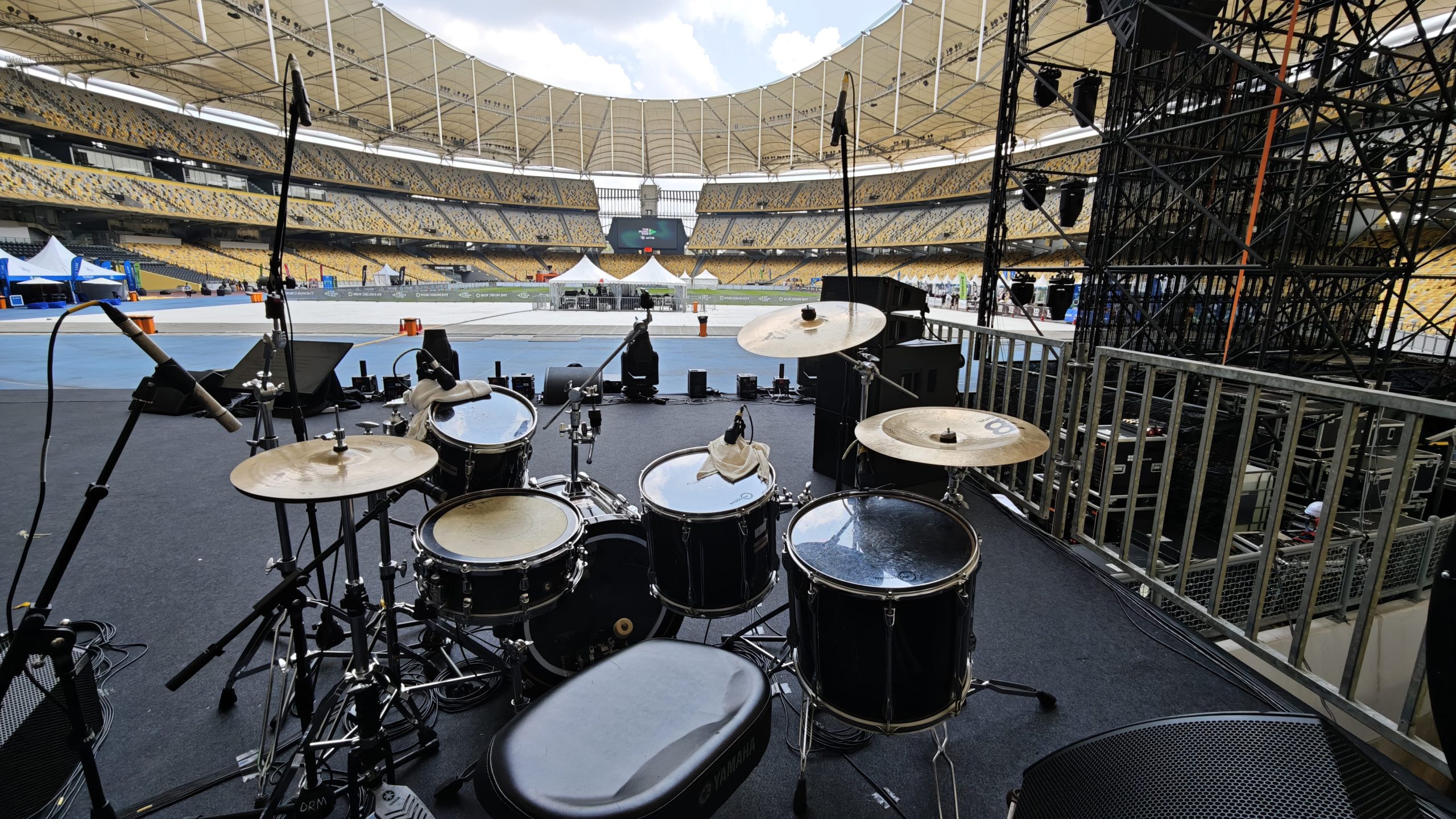 The quality of music equipment rental depends not only on what is supplied but also on how it is maintained and prepared.
Equipment used for live performances may be transported frequently, connected and disconnected repeatedly, and operated under demanding conditions. Proper inspection and preparation help reduce the likelihood of avoidable problems.
Ask how equipment is checked
Before confirming a booking, ask whether the provider inspects and tests equipment before dispatch.
For example, microphones and cables should be checked for proper operation. Instruments and amplifiers should be inspected for obvious faults. Mixing consoles should be suitable for the required inputs and routing, and wireless systems should be checked for compatibility and operation at the venue.
The precise checks depend on the equipment and production requirements, but the principle is straightforward: equipment should be prepared for the intended use rather than assumed to be ready simply because it is available.
Discuss backup arrangements
No equipment setup is completely immune to technical problems. A responsible provider should be able to discuss reasonable contingency arrangements for the event.
Depending on the production, this could involve spare cables, additional microphones, backup playback equipment or replacement arrangements for critical components.
The appropriate level of backup depends on the consequences of a failure. A small private function and a major concert may require different approaches.
Ask which backup items are included, which are available on request and how the team would respond if a key component stopped working during the event.
Avoid choosing equipment based on brand alone
Recognised brands can be useful when a performer has specific technical requirements. However, an expensive brand name does not automatically guarantee that a setup is suitable.
The equipment must be appropriate, compatible, properly maintained and correctly configured. A well-planned system using suitable equipment can be more effective than an unnecessarily complicated arrangement that does not match the event.
Focus on the complete solution rather than individual product names alone.
Understand the Importance of Technical Support
Equipment rental and technical support are not always the same service. Some providers supply equipment for collection, while others offer delivery, installation, testing and on-site operation.
Before booking, clarify which responsibilities are included in the quotation.
Delivery and setup
Music equipment must arrive at the right place and at the right time. The team may need to unload instruments, position speakers, connect the system, arrange microphones and prepare the stage for soundcheck.
These tasks need to fit the venue’s access arrangements and the wider event schedule.
For example, if the stage is being assembled by another contractor, the music equipment team may need to coordinate its installation around the staging schedule. If performers are arriving shortly before the show, the setup and testing window may be limited.
Discuss access times and dependencies with the supplier early.
Soundcheck and rehearsal
Soundcheck allows the technical team to test the equipment and adjust the audio before the audience arrives.
Depending on the performance, this may include checking microphone levels, balancing instruments, adjusting speaker output, testing stage monitors and confirming playback cues.
For events featuring multiple performers, the schedule should allow enough time to check the relevant configurations and coordinate transitions.
A soundcheck should not be treated as an optional final-minute task. It is an important part of preparing the system for the actual performance.
On-site technical operation
Some events benefit from having technicians remain on site during the performance.
A technician may be needed to operate the mixing console, manage microphone levels, play music cues or respond to technical issues. For a more complex production, different responsibilities may require different crew members.
Clarify whether technicians are included, how long they will remain and whether overtime charges apply.
Do not assume that equipment delivery automatically includes someone to operate it throughout the event.
Evaluate the Sound System for Your Venue
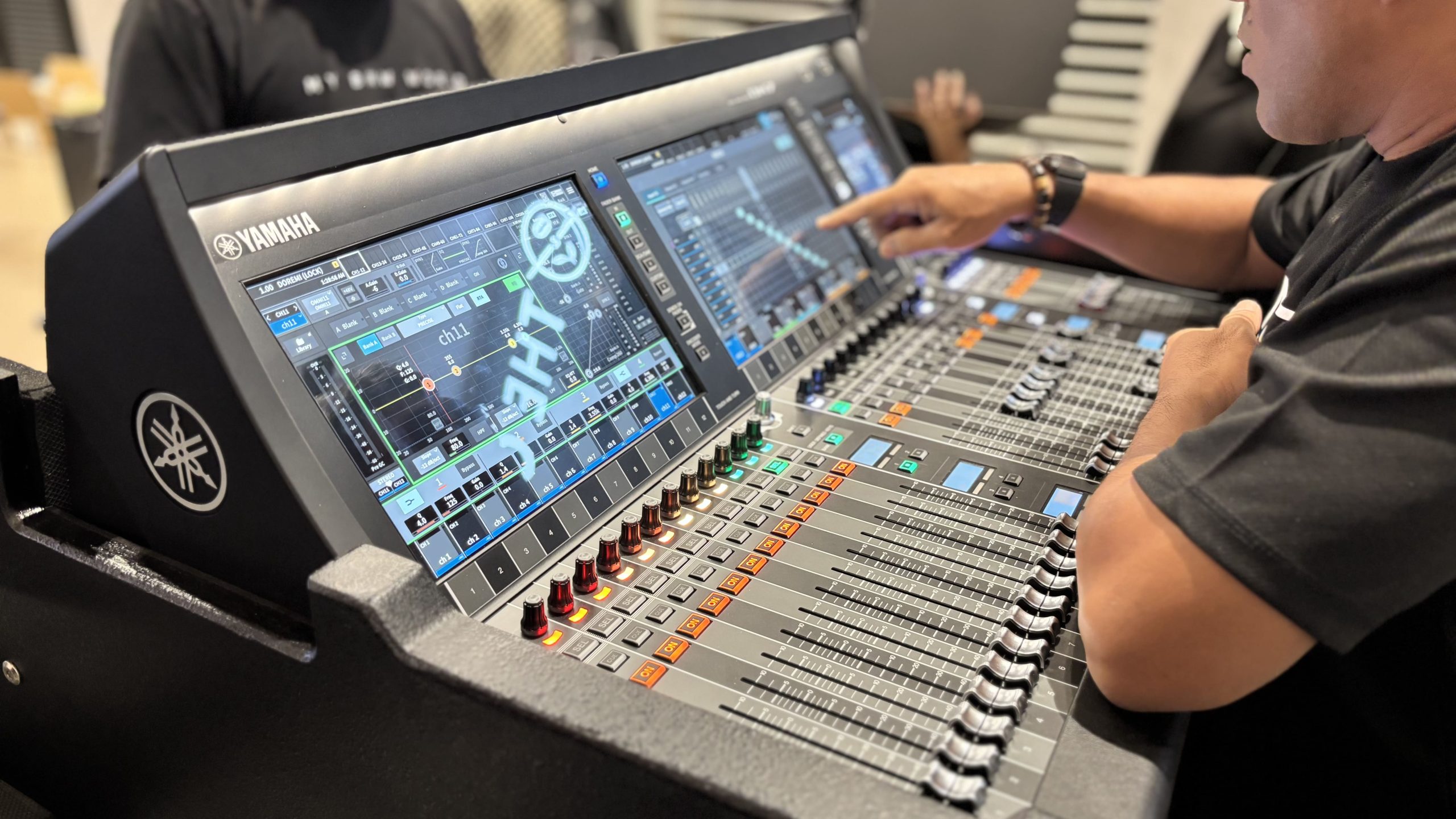 Even good equipment can deliver disappointing results if it is poorly matched to the venue.
The room, audience layout, stage position and surrounding environment all influence how sound is experienced. This is why an experienced music equipment rental partner should consider the venue before recommending a system.
Indoor venues
Indoor spaces differ in size, ceiling height, layout and acoustic characteristics. Hard surfaces may reflect sound, while irregular layouts can create areas where speech or music is less clear.
A ballroom hosting a dinner and live band has different needs from a small meeting room with background music.
The supplier should consider audience coverage, speaker placement and the relationship between the stage and guest seating. Simply increasing the speaker volume may not solve an underlying coverage problem.
Outdoor events
Outdoor performances introduce different challenges because there are fewer enclosing surfaces to reflect sound back into the audience area.
Wind, ambient noise, distance and the open layout may affect how the system needs to be configured. Power access, weather protection and equipment positioning also require attention.
An outdoor event may need a different speaker arrangement from an indoor event with a similar audience size.
Discuss whether the provider has experience with outdoor setups and how it plans to manage the venue’s specific conditions.
Audience size and listening experience
Audience numbers are useful for planning, but they should not be the only factor used to select equipment.
A long, narrow venue may need a different speaker arrangement from a wide room with the same number of guests. A performance where the audience dances near the stage may have different requirements from a seated dinner with a stage at one end.
Share the venue layout or floor plan with the supplier whenever possible. This gives the team a clearer understanding of the listening areas and helps it recommend an appropriate system.
Compare Quotations by Scope, Not Just Price
Price is an important consideration, but the cheapest quotation is not always the most suitable choice.
Two music equipment rental quotations may look similar while covering very different services. One might include equipment only, while another includes delivery, setup, soundcheck, technical operation and dismantling.
Before comparing prices, make sure you understand what each supplier is offering.
Check what is included
A detailed quotation should identify the equipment, quantities and relevant service arrangements.
Review whether it includes:
- All requested instruments and equipment.
- Required cables, stands and accessories.
- Delivery and collection.
- Setup and dismantling.
- Soundcheck and rehearsal support.
- On-site technical crew.
- The agreed rental period.
- Additional charges for extended hours or schedule changes.
If an item is excluded, ask how much it would cost to add it. This helps you understand the total expected expenditure.
Identify potential additional costs
Transportation, labour, overtime, additional rental days and last-minute changes can affect the final cost.
For example, a supplier may quote a lower equipment rate but charge separately for delivery and setup. Another may provide a more comprehensive package with several services already included.
Neither approach is automatically better. The important point is to compare like with like.
Ask the supplier to explain any unclear charges and confirm the agreed scope in writing.
Balance cost with operational risk
A music performance can be a major part of the event programme. If equipment is missing or technical support is inadequate, the consequences may extend beyond the rental cost.
Consider the value of preparation, communication and support alongside the price. The objective is not necessarily to choose the most expensive package, but to select a solution that meets the requirements without paying for unnecessary equipment or services.
Check Logistics and Event-Day Coordination
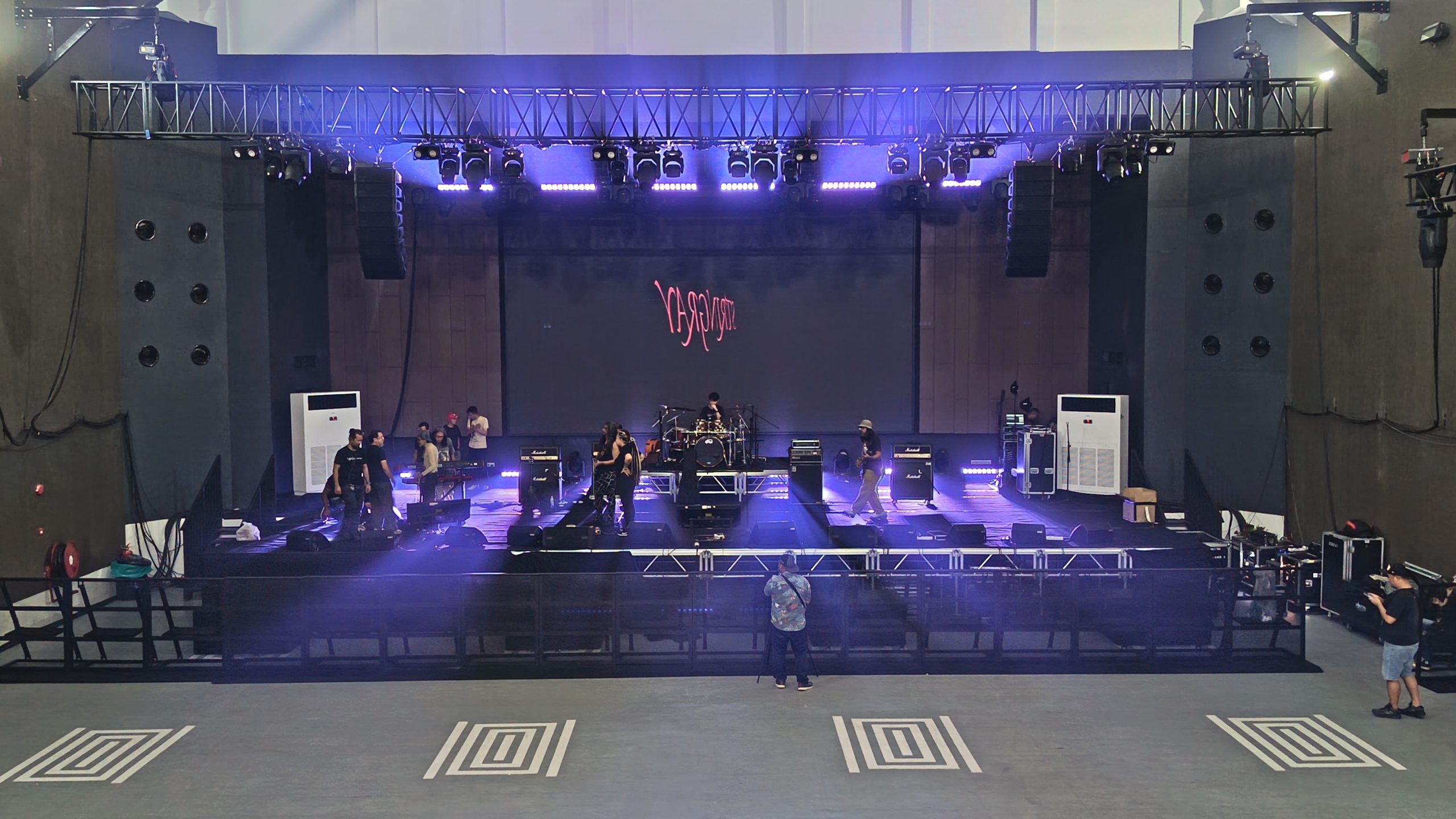 Music equipment rental involves more than transporting equipment from a warehouse to a venue. The supplier needs to work within the event’s schedule, access restrictions and setup requirements.
Poor coordination can cause delays even when the equipment itself is suitable.
Confirm delivery and access arrangements
Provide the venue address, loading instructions, delivery window and relevant contact details. If the venue has loading bays, service lifts, security procedures or restrictions on vehicle access, communicate these requirements before the event.
For larger productions, confirm the order in which equipment can be installed. Instruments and audio systems may need to arrive after the stage is ready but early enough for testing and rehearsal.
Coordinate with performers and other suppliers
Music equipment may need to be integrated with stage, lighting, audiovisual and event management teams.
For example, a band may require specific monitor positions, while lighting equipment and stage structures must be arranged around the performance area. A corporate programme may also require microphones to be shared between speakers and performers.
The rental provider should know who is responsible for each part of the setup and how changes will be communicated.
Plan for performance transitions
Events with several performers need clear arrangements for transitions between acts.
The production team should know when equipment needs to be moved, which microphones or instruments will be shared and how much time is available between performances.
Where multiple bands or artists are involved, advance planning can reduce unnecessary delays and help keep the programme on schedule.
Know When You Need a Full Event Production Partner
For a straightforward performance, hiring individual items from a music equipment rental company may be sufficient. However, events involving multiple technical elements can benefit from a more coordinated approach.
A concert, product launch or corporate celebration may require music equipment alongside staging, lighting, LED screens, presentation systems and event-day technical operation.
Managing each supplier separately can create additional communication and scheduling responsibilities for the organiser.
Consider how the equipment works together
The sound system must work with the performers and stage layout. Lighting must support the performance without interfering with visibility or creating unnecessary technical conflicts. Visual displays may need to follow music cues or support presentation content.
These requirements are easier to plan when the relevant teams understand the complete production.
If your event requires several technical services, ask whether one provider can coordinate the relevant equipment and production responsibilities. Make sure the quotation clearly states which services are included and which remain the responsibility of other contractors.
Choose the right service level
A full production package is not necessary for every event. The right approach depends on the complexity of your programme, the number of suppliers involved and the level of support available from your own team.
For a simple gathering, a clearly specified equipment rental may be sufficient. For a larger event with multiple performances and technical elements, broader event production support may simplify coordination.
The best partner is the one whose services match your actual needs.
Questions to Ask Before Confirming Your Booking
Before making a final decision, use these questions to clarify the supplier’s capabilities and responsibilities.
Equipment and availability
- Is all the requested equipment available for my event date?
- Can you supply the instruments and accessories specified by the performers?
- Are alternatives proposed if an exact item is unavailable?
- How is the equipment inspected and tested before dispatch?
Technical support
- Does the quotation include delivery, setup and dismantling?
- Is soundcheck included?
- Will a technician remain on site during the performance?
- What backup arrangements are available if a critical item fails?
Logistics and costs
- What information do you need from the venue and performers?
- Are transport and labour included in the quotation?
- Are overtime or schedule changes charged separately?
- What is the procedure if event requirements change?
Experience and communication
- Have you supported events similar to mine?
- Can you review the technical rider or stage plot?
- Who will be the main contact before and during the event?
- Will the final equipment list and responsibilities be confirmed in writing?
A dependable provider should be able to give clear, practical answers. If important details remain uncertain, resolve them before confirming the booking.
Common Mistakes to Avoid When Renting Music Equipment
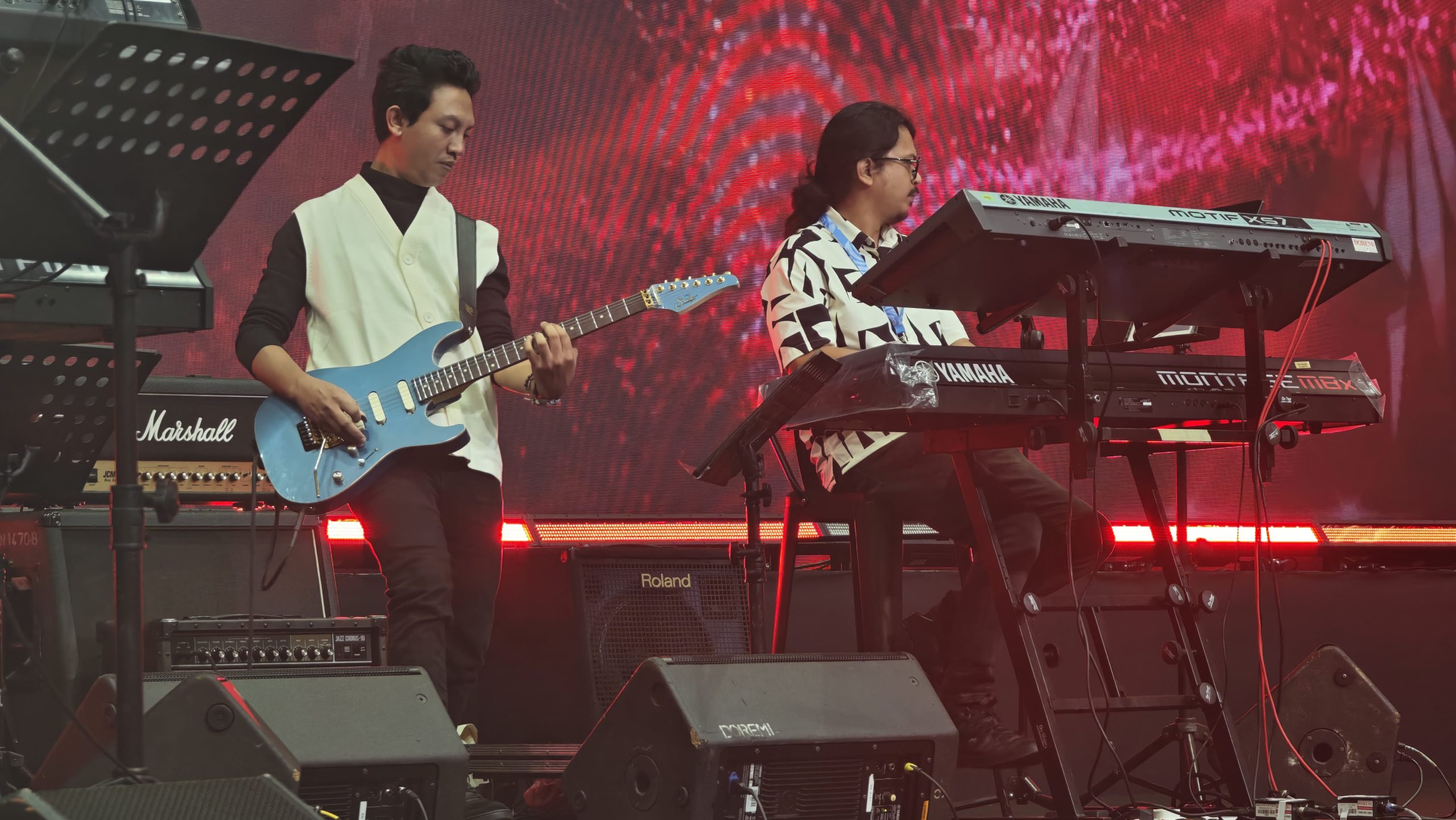 Even a well-planned event can encounter problems when key details are overlooked. The following mistakes are worth avoiding.
Booking before confirming the performers’ requirements. Musicians may have specific instrument, amplifier or monitoring preferences. Obtain their technical requirements before finalising the equipment list.
Assuming every package includes technical support. Equipment delivery does not necessarily include installation, soundcheck or live operation. Confirm the scope explicitly.
Choosing equipment based only on audience size. Venue layout, performance type and audience arrangement also influence the sound system required.
Ignoring accessories. Missing cables, stands, adapters or other supporting items can delay setup. Ask for a complete equipment list.
Leaving too little time for setup and testing. A tight schedule can leave limited room to resolve problems. Agree on delivery, setup, rehearsal and soundcheck timings in advance.
Comparing quotations with different scopes. Check equipment quantities, labour, transport, rental duration and exclusions before deciding which quote offers better value.
Failing to plan for changes. Event schedules can shift, performers may update their requirements and venues may impose new restrictions. Establish how changes will be handled and approved.
Avoiding these mistakes will not eliminate every possible problem, but it can make the rental process more predictable and easier to manage.
Frequently Asked Questions About Music Equipment Rental
What equipment should I rent for a live music event?
The equipment depends on the performers, venue and audience. A live band may need instruments, amplifiers, microphones, a mixing console, speakers and stage monitors. A DJ may require a different combination of playback equipment, a mixer, monitors and a sound system. Confirm the performers’ requirements before requesting a quotation.
How far in advance should I book music equipment rental?
Book once your event date, venue and basic programme are confirmed. Larger events, peak dates and productions requiring specific instruments or equipment may need more advance coordination. Early planning gives you more time to check availability, confirm technical requirements and arrange the setup schedule.
Should I rent musical instruments and sound equipment from the same company?
That depends on the supplier’s inventory and the complexity of your event. Using one provider for both may simplify coordination when it can supply the required instruments, sound system and technical support. If you use separate suppliers, make sure their equipment lists, responsibilities and schedules are coordinated.
Does music equipment rental include a sound engineer?
Not always. Some quotations cover equipment only, while others include setup, soundcheck and on-site operation. Ask whether a technician or sound engineer is included, what responsibilities they will handle and how long they will remain at the venue.
What information should I provide when requesting a quotation?
Provide the event date, venue, audience size, type of performance, number of performers, programme schedule and any technical rider or stage plot. Also identify equipment supplied by the performers and explain whether you need delivery, setup, soundcheck and on-site technical support.
How can I make sure the equipment is suitable for my venue?
Share the venue layout, stage position, audience arrangement and whether the event is indoors or outdoors. Explain the type of music and the expected listening experience. A knowledgeable supplier can use these details to recommend equipment that suits the venue rather than relying on audience numbers alone.
Is music equipment rental suitable for corporate events?
Yes. Music equipment rental can support background music, live bands, DJs, award ceremonies, product launches and corporate celebrations. The equipment should be selected according to the programme, venue and level of technical support required.
Further Reading
- What to Look for When Renting Audio Equipment — Explore equipment preparation, accessories, technical support and planning considerations for event audio.
- What to Ask Your Audio-Visual Provider — Learn which event details to prepare and which questions to ask when evaluating an AV supplier.
- How to Choose a Backline Rental Partner — Understand how to assess backline equipment, technical riders, preparation, logistics and production support.
Planning Your Next Event With Music and Live Entertainment?
Choosing the right music equipment rental partner starts with understanding your performers, venue and production requirements. With the right equipment, proper preparation and clear coordination, you can create a music experience that supports your event and keeps the programme moving smoothly.
At DOREMi Services & Rental Sdn Bhd, we provide event technology and production solutions to support a range of events. From audio system services to event production services, our team can help you explore the technical requirements for your upcoming event.
Planning a concert, corporate dinner, product launch or live performance? Contact DOREMi to discuss your event requirements and explore a suitable technical setup for your venue and programme.