When people attend a corporate conference, product launch, concert or exhibition, they usually see the finished experience: the stage, the lighting, the LED screens, the sound and the presentations running smoothly. What they may not see is the preparation required to bring all these elements together.
This is where an event production company plays an important role. From technical planning and equipment selection to installation, rehearsals and live operation, event production connects the different technical elements that make an event work.
For businesses and event organisers in Malaysia, understanding what event production involves can make it easier to plan budgets, select suppliers and prepare for an event with fewer last-minute surprises.
What Is Event Production?
Event production is the process of planning, coordinating and delivering the technical elements of an event. It involves turning an event brief or creative idea into a practical setup that works within the venue, schedule and budget.
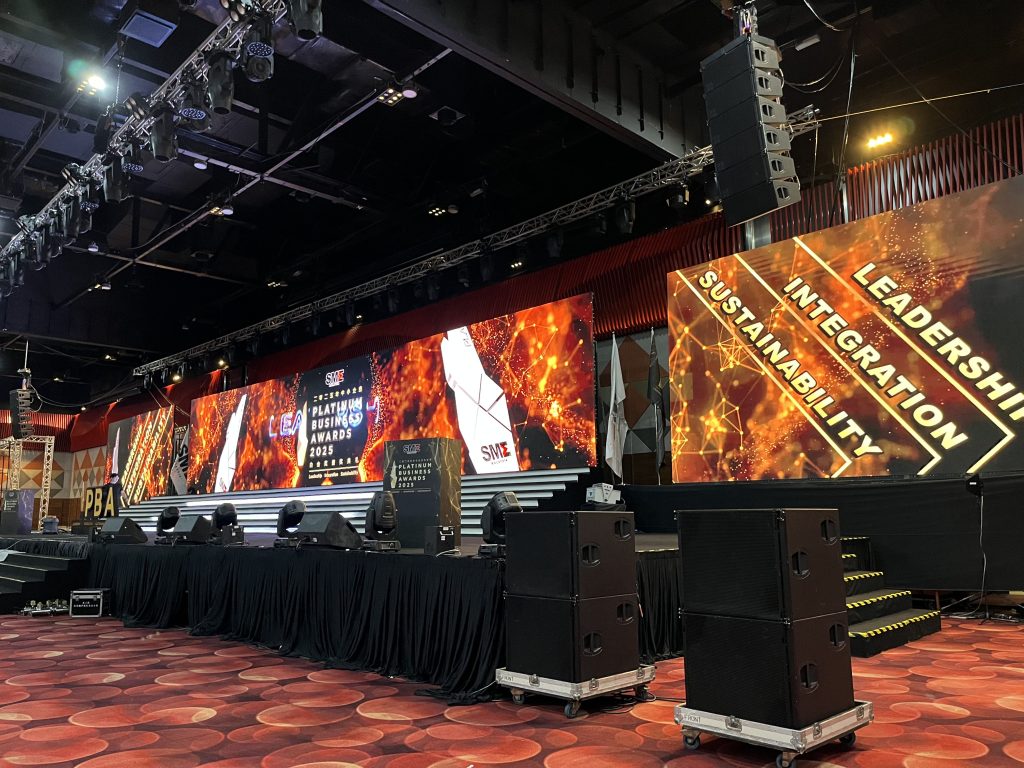
Depending on the event, production requirements may include sound systems, LED screens, lighting, staging, truss structures, projection, video playback and technical crew. Larger productions may also require detailed equipment layouts, technical rehearsals, cue management and coordination between several teams.
An event production company brings these elements together so they work as one system rather than a collection of separate equipment rentals.
For example, a corporate product launch may need a stage for the presenter, an LED screen for product visuals, microphones for speeches, lighting to highlight the product and a sound system that allows every guest to hear clearly. Each element has a different purpose, but the overall experience depends on how well they work together.
The role of event production is to plan and coordinate these technical requirements before the event, then install, test and operate them when it matters.
What Does an Event Production Company Actually Do?
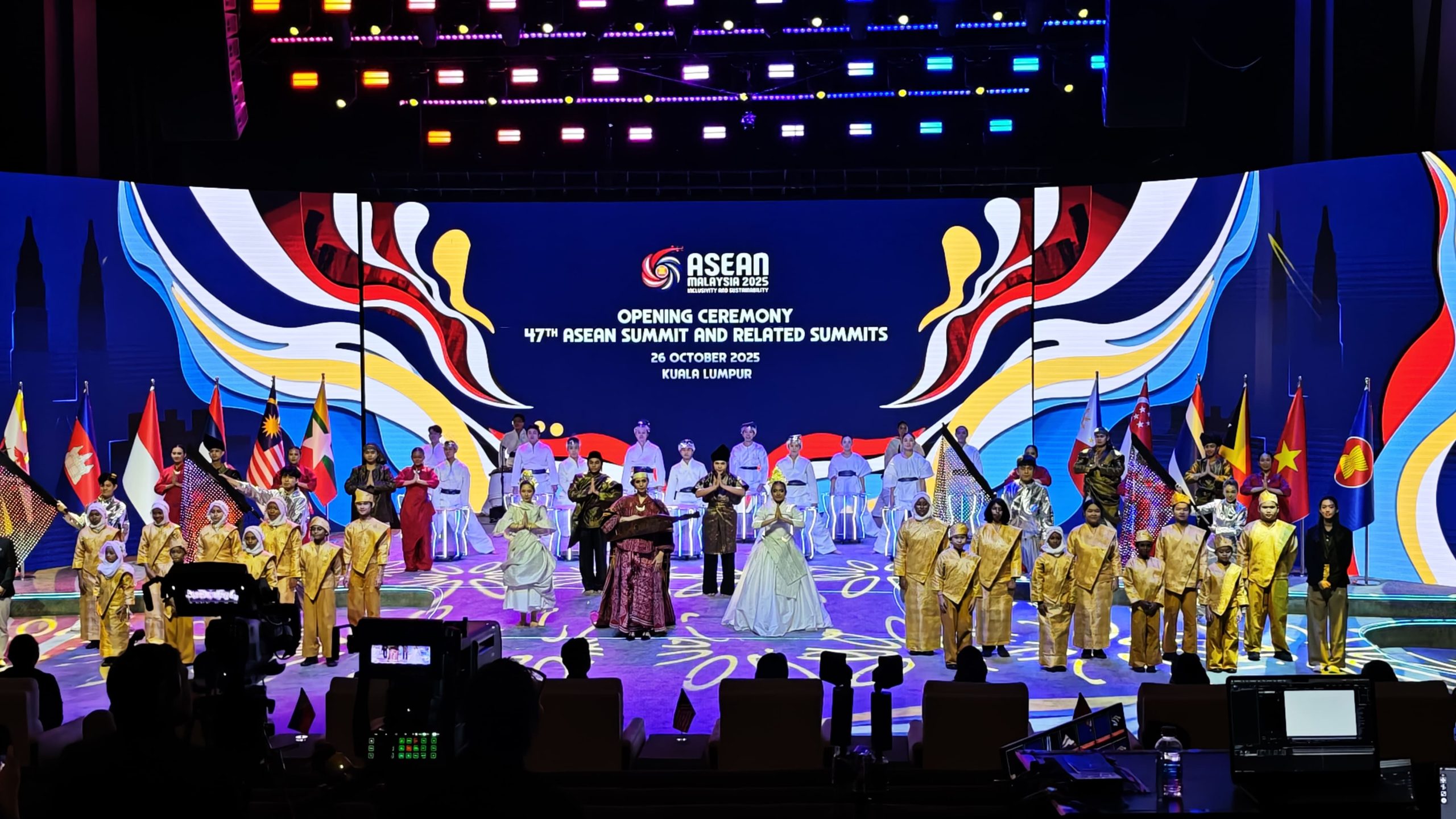 The exact responsibilities depend on the type and scale of the event. However, professional event production generally covers several key stages, from the first technical discussion to the final equipment breakdown.
1. Understanding the Event Brief and Technical Requirements
Every event begins with an objective. A company may want to introduce a new product, a conference organiser may need to deliver presentations to hundreds of delegates, or a concert organiser may want to create an engaging live experience.
Before recommending equipment, an event production team needs to understand what the event is trying to achieve.
This includes the event format, expected audience size, venue, programme schedule, visual requirements and available budget. The team also considers whether the event is indoors or outdoors and whether it involves speeches, video presentations, live performances or audience interaction.
These details influence the technical solution.
A small business meeting may only require microphones, speakers and a presentation screen. A large corporate launch may need a complete stage setup, multiple LED screens, lighting effects, video playback and technicians to coordinate the show.
Starting with the brief helps ensure that the proposed event production solution serves the event’s actual needs instead of simply adding equipment that may not be necessary.
2. Planning the Stage and Event Layout
Stage design is more than deciding where the presenter stands. The stage and surrounding technical layout must support visibility, movement, equipment placement and the overall event programme.
An event production company considers the stage dimensions, audience sightlines, screen positions, lighting locations and space required for presenters or performers. It also needs to account for backstage access, cable routes and the working areas required by the technical crew.
For a conference, the stage may need to accommodate a lectern, a panel discussion and presentation screens. For a product launch, the design may include space for a product reveal, branded visuals and carefully coordinated lighting.
Staging and truss systems may also be required to support the planned production equipment. Their design and installation must suit the venue conditions, equipment loads and relevant safety requirements.
Planning these details early helps reduce layout conflicts and gives the organiser a clearer understanding of how the event space will function.
3. Designing Sound, Lighting and Audiovisual Systems
Sound, lighting and visual displays are among the most recognisable parts of event production. However, choosing the right equipment requires more than selecting products from a catalogue.
Sound systems must provide clear and appropriate audio coverage for the audience. The team considers the venue’s size and layout, the type of programme, microphone requirements and whether the event features speeches, music or performances.
Event lighting helps presenters remain visible, highlights important areas and creates the atmosphere required for different moments. A corporate conference may need clean, consistent stage lighting, while an awards ceremony may use different lighting looks for presentations and award announcements.
LED screens and projection systems display presentations, videos, branding and other visual content. Screen size, placement, viewing distance and content format all influence the final setup.
The different systems must also work together. A screen positioned poorly may obstruct the audience’s view, while lighting that is not coordinated with the visual content may make a presentation harder to see.
Through integrated event production, these technical decisions are considered as part of one overall plan.
4. Providing the Right Event Equipment
Once the requirements are understood, the production team identifies the equipment needed for the event.
Depending on the brief, this may include:
- LED screens and video display systems
- Sound systems, speakers and microphones
- Stage platforms and staging structures
- Lighting fixtures and control systems
- Truss systems and related rigging equipment
- Projection systems and video playback equipment
- Technical equipment for conferences and hybrid events
Not every event needs every type of equipment. The appropriate selection depends on the venue, audience, programme and production objectives.
For instance, a conference with multiple presenters may require several microphones, presentation playback and a screen that remains visible throughout the room. An outdoor festival may need a different sound and lighting configuration, suitable staging and additional consideration of weather and site conditions.
Working with an event production company can help organisers coordinate these requirements through a more integrated technical solution. Instead of managing sound, lighting, screens and staging independently, the organiser can work with a production partner to align the different components.
The aim is to provide the right equipment for the event, not simply the largest possible setup.
5. Coordinating Suppliers, Venue Requirements and Logistics
Event production rarely happens in isolation. The production team may need to coordinate with event organisers, creative agencies, venue management, decorators, performers, caterers and other suppliers.
This coordination helps determine when equipment can arrive, when installation can begin, which areas must remain accessible and when the venue needs to be ready for rehearsals or guest entry.
The team also needs to understand venue-specific requirements, including access routes, loading areas, available power, ceiling height, rigging permissions and restrictions on installation.
For larger events, the installation schedule can be particularly important. Staging, truss, sound, lighting and LED screens may need to be installed in a specific sequence so different teams can work safely and efficiently.
Clear communication helps prevent conflicting schedules and reduces the risk of one supplier delaying another.
This is an important part of event production because a technically sound plan must also be achievable within the time and space available.
6. Installing and Testing the Equipment
When the plans are finalised, the equipment must be delivered, installed and prepared for operation.
The production crew sets up the required systems according to the agreed layout. This may involve building the stage, assembling truss, positioning speakers, installing lighting, setting up LED screens and connecting audiovisual equipment.
Installation is followed by technical checks. Microphones and speakers need to be tested, screen content needs to display correctly, lighting needs to respond as intended, and the different systems must be checked for compatibility and reliable operation.
Power distribution, cable management and equipment positioning also need attention. Any rigging or structural work must be handled by appropriately qualified personnel and follow the applicable safety requirements.
These checks help identify problems before the audience arrives, when there is more time to make adjustments.
For the organiser, this preparation provides greater confidence that the technical setup is ready for the programme.
7. Managing Rehearsals and Event-Day Operations
Even when all the equipment is installed, event production is not complete until the systems are ready to operate during the actual programme.
A technical rehearsal allows the production team to test important parts of the event. This may include speaker microphones, presentation slides, video playback, lighting changes, walk-on music and product reveal cues.
The team can also confirm how the technical elements fit the event schedule. If a presentation needs to appear immediately after a speaker’s introduction, the relevant operator must know when to display it.
During the event, technicians operate and monitor the systems. Depending on the production, they may manage audio levels, lighting cues, video playback, screen switching and other technical requirements.
If the programme changes, the production team may need to adjust the sequence or respond to unexpected technical issues. Having an experienced crew on site helps the team identify problems and make appropriate adjustments.
Good event production is therefore not just about having equipment available. It is about ensuring that the equipment and people are prepared to support the event as it unfolds.
8. Managing Equipment Breakdown After the Event
When the programme ends and the guests leave, the production team still has work to complete.
The equipment must be dismantled, packed, checked and removed from the venue. This process is commonly called breakdown or de-rig, depending on the equipment and context.
The team coordinates the removal schedule with the venue and other suppliers to avoid unnecessary delays or conflicts. Equipment is handled according to appropriate procedures, with attention to the safety of crew members and the surrounding space.
A clear breakdown plan is especially important when the venue has another booking or needs to return to its normal use within a specific timeframe.
Once the equipment is returned, the team can check inventory and record any issues that may require attention before the next job.
This final stage completes the event production cycle and prepares the equipment and crew for future projects.
Event Planning vs Event Production: What’s the Difference?
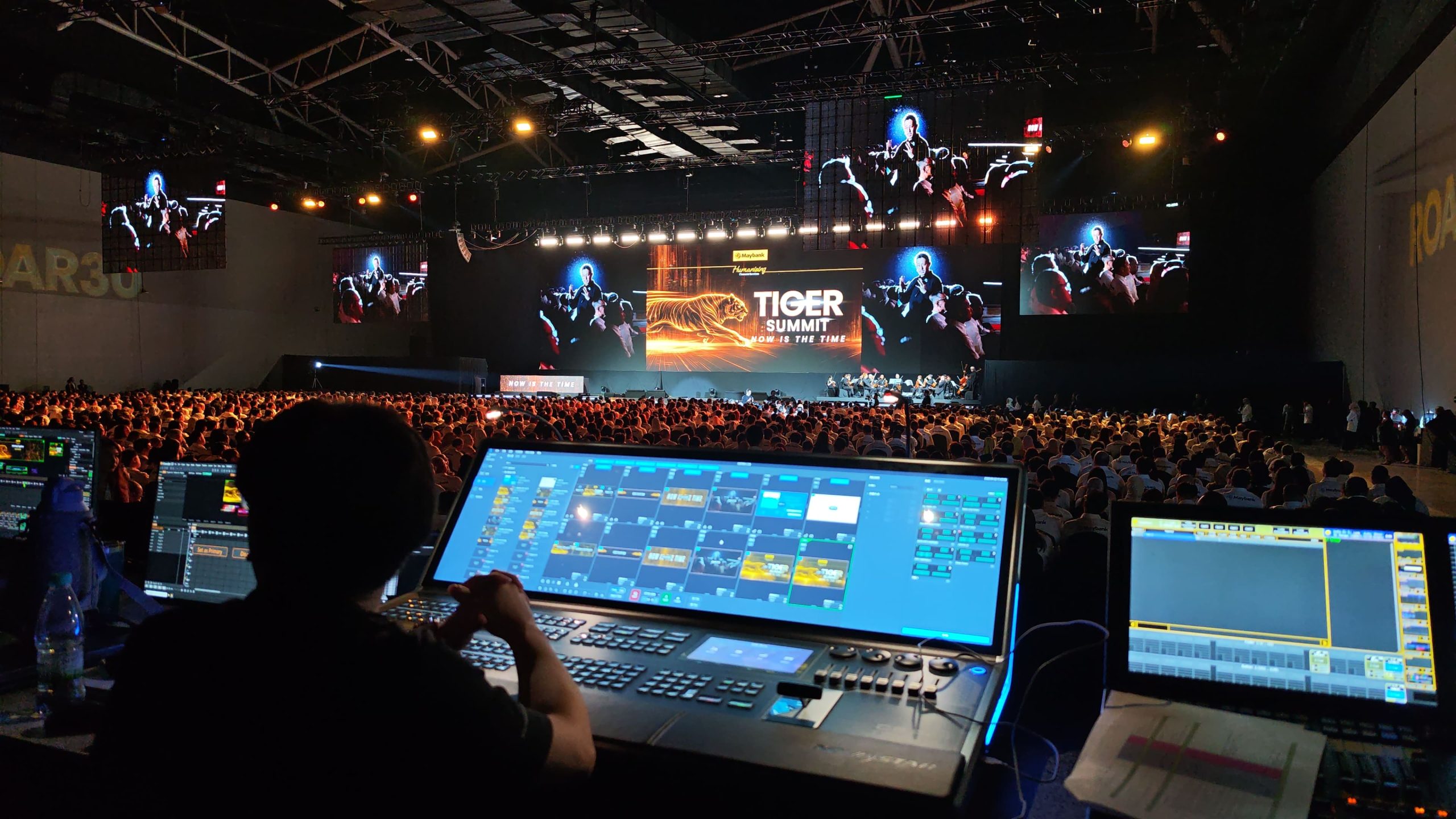 Event planning and event production are closely related, but they do not always cover the same responsibilities.
Event planning generally focuses on organising the overall event. This may include setting objectives, managing budgets, selecting venues, arranging catering, handling registration, coordinating guests and managing the event schedule.
Event production focuses on delivering the technical and operational elements that bring the event to life. This includes sound, lighting, LED screens, staging, audiovisual systems, installation, rehearsals and technical operation.
Consider a company organising a product launch. The event planner may manage invitations, guest registration, catering and the overall programme. The event production company may design the stage, supply the LED screen, coordinate the lighting and sound, and operate the technical cues during the product reveal.
Both roles contribute to the same event, but they address different needs.
Some companies offer broader event management and production services, while others specialise in technical production. Organisers should confirm the scope of work before appointing a supplier so they understand which responsibilities are included and which remain with their internal team or other partners.
What Types of Events Need Professional Event Production?
Professional event production can support many types of events, although the requirements vary depending on their complexity.
Corporate events and conferences: These often require microphones, presentation screens, stage lighting and coordinated audiovisual support. Larger programmes may involve panel discussions, multiple speakers, video playback and hybrid participation.
Product launches: Product launches often rely on visual storytelling, branded LED displays, lighting effects, sound and carefully timed reveal moments. The production must support the launch concept while ensuring that the technical sequence is practical.
Concerts and live performances: These may require more extensive sound systems, stage lighting, staging, truss and technical crew. The setup depends on the performers, venue, audience and programme.
Exhibitions and brand activations: Event production can include LED displays, lighting, sound and technical installations that help brands present information and attract attention within a busy venue.
Awards ceremonies and gala dinners: These events may involve stage presentations, walk-on music, award announcements, lighting transitions and video playback. Consistent cue coordination helps maintain the flow of the programme.
Outdoor and public events: These require planning that accounts for the site layout, audience coverage, weather exposure, power arrangements and equipment protection.
Hybrid and virtual events: These may require cameras, microphones, video switching, streaming equipment and reliable coordination between the physical venue and remote participants.
The important question is not simply how many guests will attend. It is how much technical coordination the event requires and what the audience needs to see, hear and experience.
Why Is Professional Event Production Important?
The quality of event production can influence how clearly a message is delivered and how smoothly an event runs.
First, integrated technical planning helps the different systems work together. The sound system, lighting, screens and stage are considered as connected parts of the event rather than separate purchases.
Second, suitable equipment and layout planning help improve the audience experience. Clear audio, readable visuals and appropriate lighting make it easier for guests to follow presentations and participate in the programme.
Third, technical preparation allows problems to be identified before the event begins. Site checks, testing and rehearsals provide opportunities to address equipment or coordination issues in advance.
Finally, a defined production scope gives organisers a clearer point of contact for technical requirements. Instead of separately coordinating every technical supplier, they can work with a production partner who understands how the systems fit together.
Professional event production cannot eliminate every unexpected situation, but careful preparation and experienced on-site support can help reduce avoidable risks and support a more controlled delivery.
How to Choose the Right Event Production Company
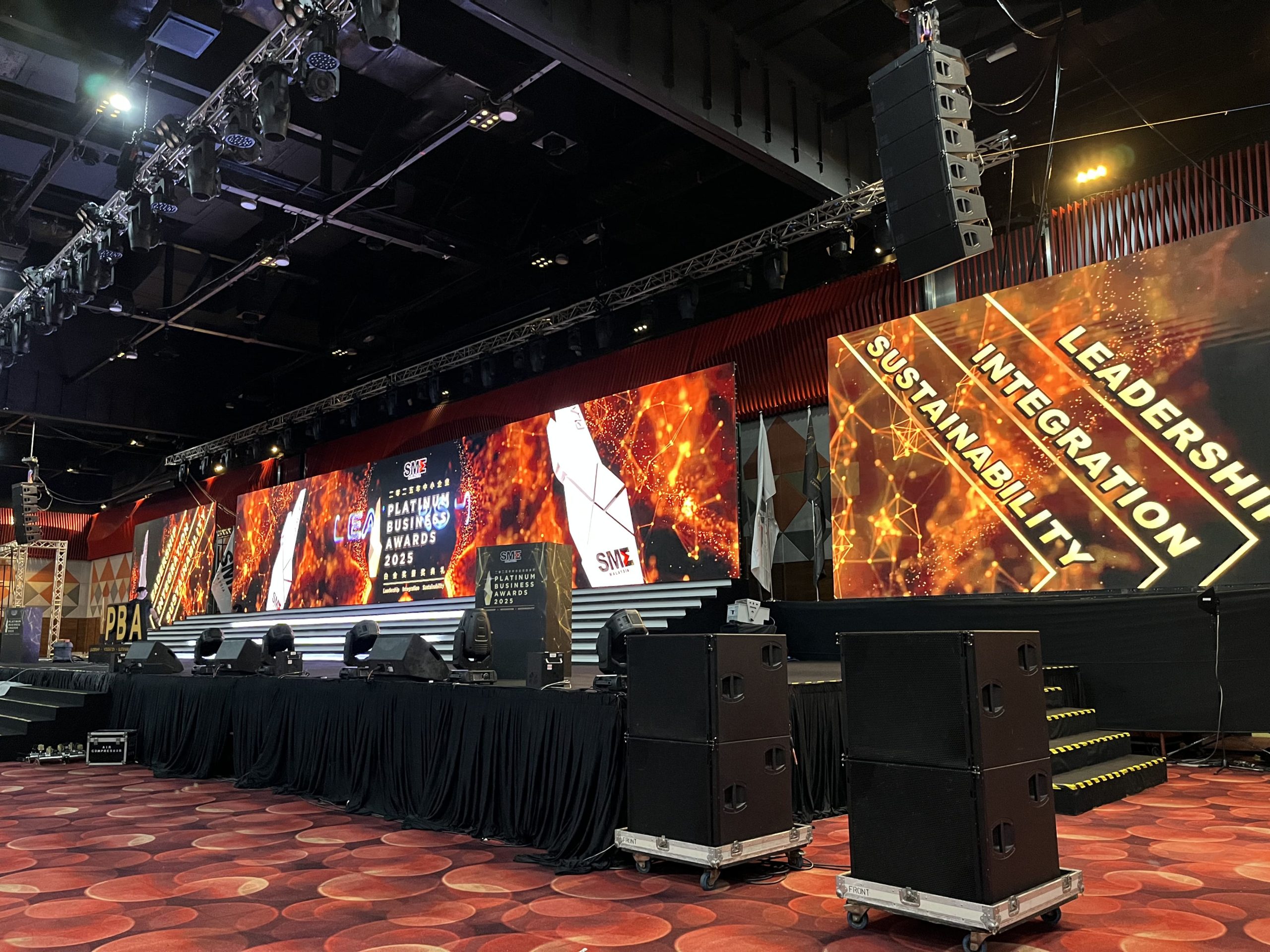 Choosing a production partner involves more than comparing equipment lists or prices. Organisers should consider the company’s technical capabilities, experience, communication and ability to understand the event brief.
Start by checking whether the company can support your actual requirements. If your event needs LED screens, sound, lighting and staging, clarify whether these services can be coordinated as part of one production plan.
Ask how the team approaches technical planning. Will they review the venue, assess the layout and confirm the equipment requirements? How will they coordinate installation, testing and rehearsals?
It is also worth clarifying the scope of the quotation. Confirm which equipment, crew, transport, installation, operation and breakdown services are included. Ask about overtime, venue restrictions, contingency arrangements and any additional charges that may apply.
Communication is equally important. A production partner should be able to explain technical recommendations in practical terms, identify potential constraints and work with your event team to find suitable solutions.
For events with complex programmes, ask how the team manages cues, presentations, rehearsals and changes to the schedule.
Ultimately, the right event production company is one that understands your objectives, recommends a practical solution and communicates clearly about what is required to deliver it.
Planning Your Next Event Production? Start Here
If you are planning a conference, corporate launch, exhibition, concert or other live event, the best time to consider event production is during the early planning stage, not just a few days before the event.
Early discussions give the production team more time to understand the brief, review the venue, recommend equipment and coordinate technical requirements with the rest of the event team.
Here are five practical steps to help you get started.
- Define your event objectives. Decide what the event needs to achieve. Is it intended to introduce a product, communicate business information, celebrate an achievement or entertain an audience? Your objectives will influence the stage design, visual content, sound and overall technical approach.
- Confirm your event details. Prepare the event date, venue, estimated audience size, programme schedule and any important requirements. If you are still considering venues, share the options so the production team can help identify technical considerations.
- Identify your technical needs. List the elements you expect to require, such as LED screens, microphones, sound systems, lighting, staging or projection. You do not need to know every technical specification in advance. A production team can help assess the requirements and recommend a suitable setup.
- Establish your budget and timeline. Share your approximate production budget and key deadlines. This allows the team to recommend a practical solution, identify priorities and plan installation, testing and rehearsals around the venue’s access schedule.
- Discuss the production plan with a suitable partner. Provide the event brief and ask how the proposed equipment, layout, crew and schedule will work together. Clarify what is included in the quotation and who will manage each responsibility before, during and after the event.
At DOREMi Services & Rental Sdn Bhd, we provide event production services and event technology solutions for a range of events across Malaysia. Our services include LED screens, sound systems, lighting, staging, truss and audiovisual equipment, with technical requirements tailored to the needs of each project.
Whether you are planning a corporate conference, product launch, exhibition or live event, discussing your requirements early can help you develop a more coordinated production plan.
Planning your next event production? Visit our event production services page to explore how DOREMi can support your technical requirements, or contact our team to discuss your upcoming event.
Frequently Asked Questions
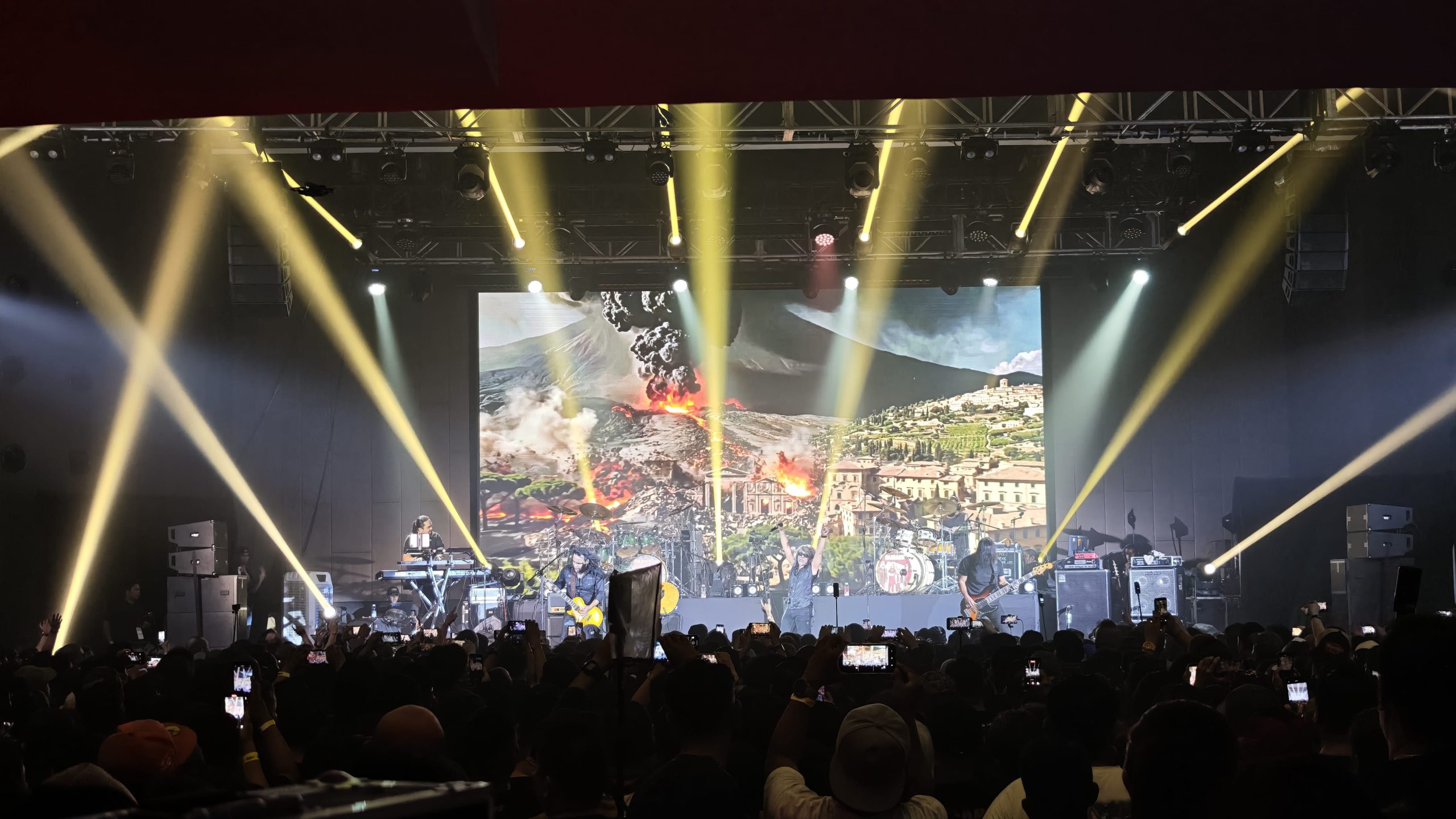 What does an event production company do?
An event production company plans and delivers the technical elements of an event, including sound, lighting, LED screens, staging, audiovisual systems, equipment installation, testing and on-site technical operation. The exact scope depends on the event and the services agreed with the organiser.
What is included in event production services?
Event production services may include technical consultation, equipment planning, stage and lighting design, sound systems, LED displays, truss, equipment delivery, installation, rehearsals, technical crew and post-event breakdown. Organisers should confirm the exact scope with their supplier.
What is the difference between event planning and event production?
Event planning typically covers the overall organisation, including budgets, venue arrangements, guest management and scheduling. Event production focuses on the technical delivery of the event, including sound, lighting, video, staging and technical operations. Some providers offer both, while others specialise in one area.
When should I contact an event production company?
It is best to involve an event production company early, once you have an initial brief, event date and venue options. Early consultation gives the team more time to assess requirements, recommend equipment and coordinate installation and rehearsal schedules.
How much does event production cost in Malaysia?
Event production costs depend on factors such as event size, venue, equipment requirements, production duration, technical crew, transport and installation complexity. A clear event brief helps suppliers prepare a quotation based on the actual requirements rather than a generic package.
Does DOREMi provide event production services in Malaysia?
Yes. DOREMi Services & Rental Sdn Bhd provides event production services and event technology solutions, including LED screens, sound systems, lighting, staging, truss and audiovisual equipment. The appropriate setup depends on the event’s objectives, venue and technical requirements.
Further Reading
For additional perspectives on the role of event production companies and the work involved in delivering events, explore these guides:
- What Does an Event Production Company Actually Do? – MRL Productions: An overview of technical planning, equipment, installation, live operation and the production team’s role behind the scenes.
- What Does an Event Production Company Actually Do? – Right Angle Events: A guide to event production responsibilities, the difference between planning and production, and when professional production support may be useful.
Planning Your Next Event Production?
If you are planning a conference, corporate launch, exhibition, concert or other live event, the best time to consider event production is during the early planning stage, not just a few days before the event.
At DOREMi Services & Rental Sdn Bhd, we provide event production services and event technology solutions for a range of events across Malaysia. Our services include LED screens, sound systems, lighting, staging, truss and audiovisual equipment, with technical requirements tailored to the needs of each project.
Speak with DOREMi’s event technology specialists to to explore how DOREMi can support your technical requirements, or contact our team to discuss your upcoming event.