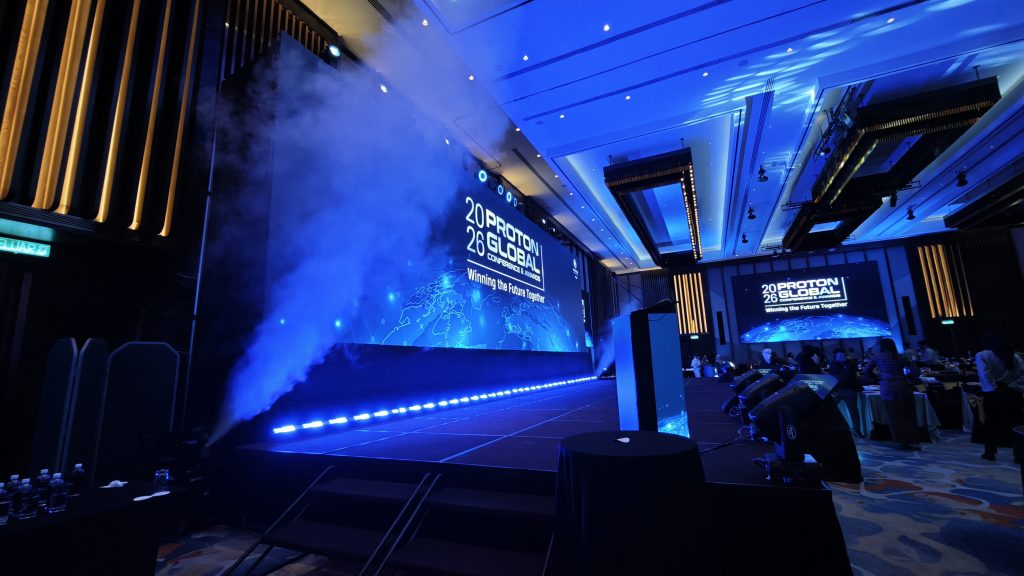
A high-production event does not necessarily mean the event has the biggest LED screen, the brightest lighting system or the most expensive stage design.
In many cases, audiences cannot identify exactly what makes an event feel polished. They simply notice that everything feels intentional, seamless and professional.
The sound is clear.
The visuals look sharp.
The stage feels balanced.
Transitions happen smoothly.
Lighting supports the moment.
Presenters know where to stand and what to do.
The audience can see and hear what matters.
These details create what is often described as production value.
For event organisers, production value is not only about appearance. It can influence how audiences perceive the event, brand, speakers, products and overall experience.
This is where professional event production services become important.
Rather than treating audio, lighting, LED screens, staging and technical operations as separate equipment requirements, professional production brings these elements together into one coordinated experience.
What Does “Production Value” Actually Mean?
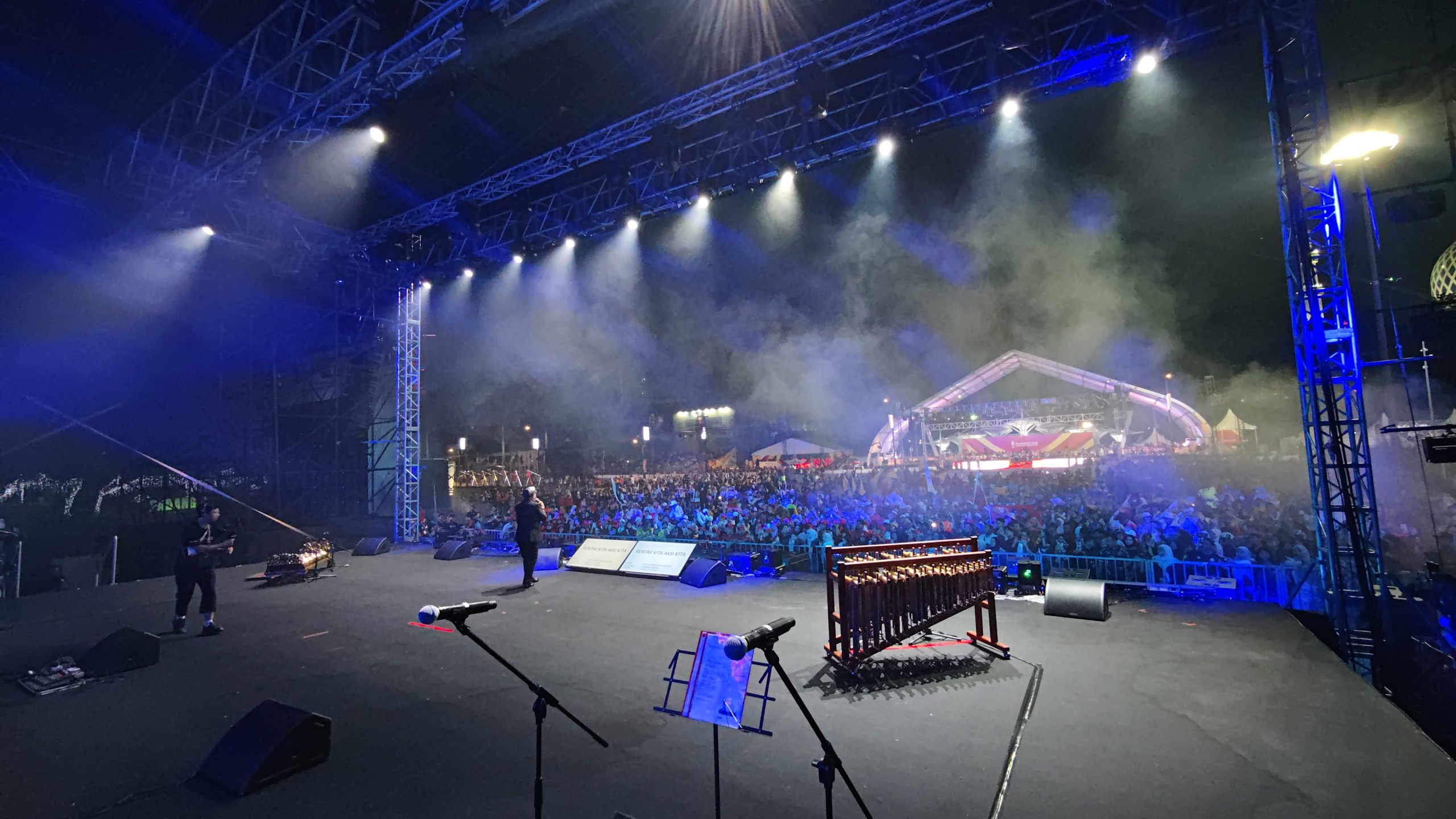 Production value refers to the overall quality, polish and impact created by the production elements of an event.
It can include:
- Stage design
- LED screens and visual displays
- Lighting
- Professional audio
- Staging and truss
- Video playback
- Content presentation
- Show control
- Technical coordination
- On-site crew
- Rehearsals and testing
- Transitions between programme segments
However, production value is not simply the number of technical elements used.
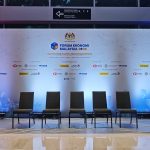
A simple corporate event can feel highly polished with the right combination of lighting, sound, stage design and content.
Meanwhile, an event with multiple LED screens, moving lights and special effects can still feel poorly produced if those elements are not coordinated properly.
The difference often comes down to integration.
The Audience Should Not Have to Think About the Technology
One of the clearest signs of good production is when the audience can focus on the event instead of the technology supporting it.
They should not be thinking:
“Why can’t I hear the speaker?”
“Why is the screen taking so long to change?”
“Why is the stage so dark?”
“Why is the video not playing?”
When production works properly, technical systems become almost invisible.
The audience simply experiences the event.
This requires preparation behind the scenes.
Audio needs to be tested.
Visual content needs to be checked.
Lighting cues need to be programmed.
Presenters and performers need to understand their positions.
Different systems need to communicate correctly.
The audience may never know how much preparation happened backstage.
That is often the point.
Sound Has a Major Influence on Perceived Quality
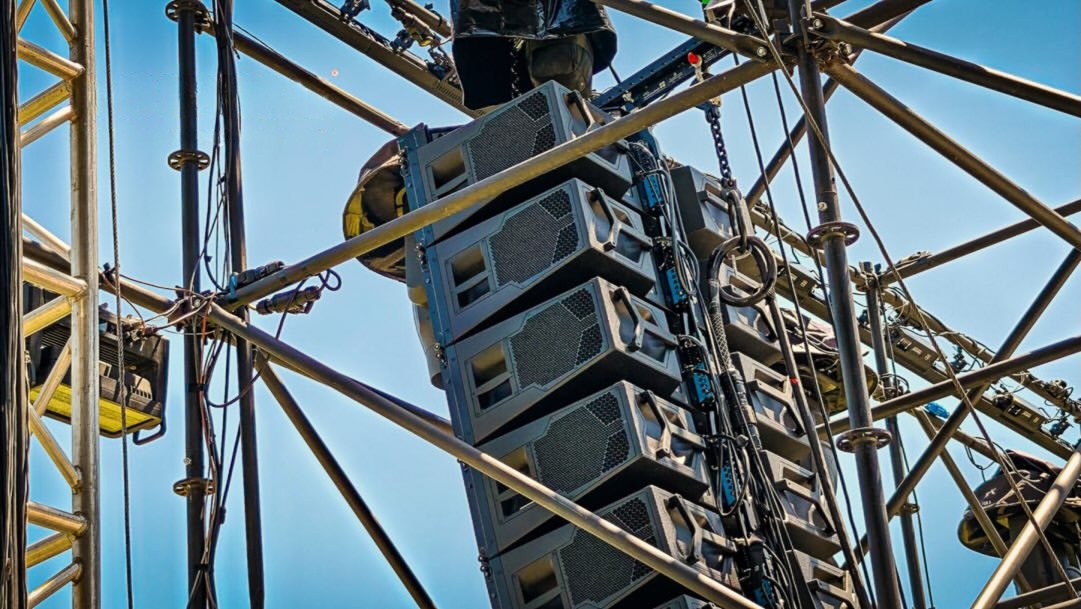 Visual elements tend to receive a lot of attention when planning an event.
But poor audio can immediately change how professional an event feels.
Consider a keynote presentation.
The stage might look impressive, the LED screen might be perfectly designed and the lighting might be carefully programmed.
But if the speaker’s microphone is distorted, too quiet or constantly producing feedback, the audience will notice immediately.
Professional audio production involves much more than providing microphones and speakers.
It can involve:
- Microphone selection
- Speaker placement
- Mixing console configuration
- Gain structure
- Equalisation
- Loudspeaker coverage
- Monitor systems
- Wireless frequency coordination
- Playback audio
- Feedback management
- Sound checks
The objective is not simply to make the event loud.
It is to make the sound clear, consistent and appropriate for the space.
This is one reason audio should be considered early when planning event production services.
Lighting Creates the Atmosphere
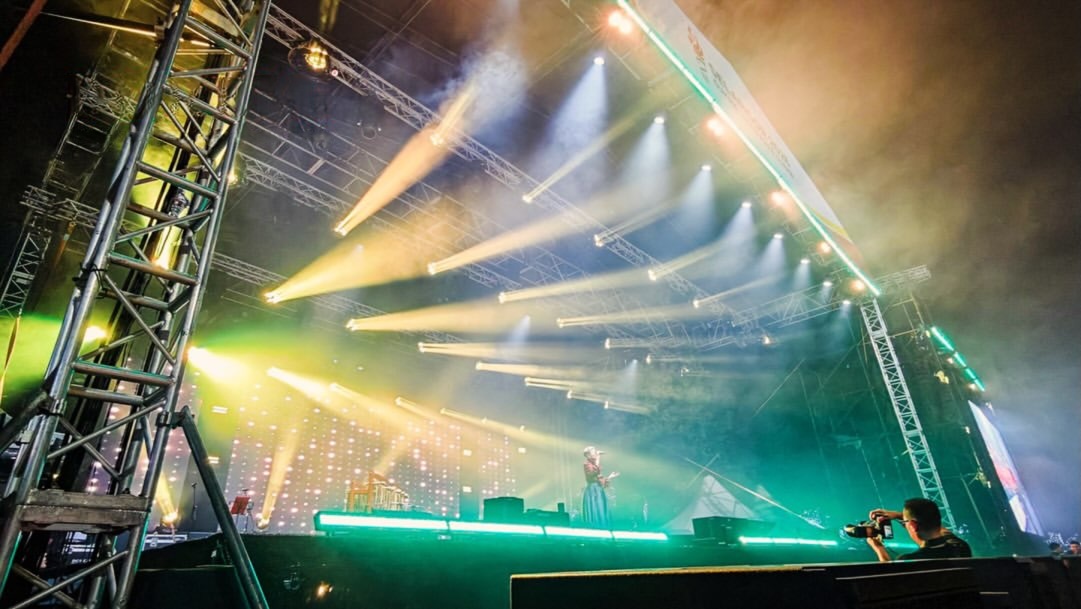 Lighting can completely change how an event looks and feels.
The same stage can appear formal, energetic, dramatic or premium depending on how it is lit.
For example:
Corporate conference:
Clean, balanced lighting can help presenters remain visible while maintaining a professional stage appearance.
Product launch:
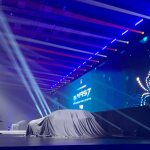
Dynamic lighting can help create anticipation and emphasise the product reveal.
Awards ceremony:
Focused stage lighting can draw attention to winners and create a more theatrical environment.
Concert:
Moving lights, colour changes and programmed effects can support the music and performance.
Lighting therefore has both a functional and creative role.
It needs to illuminate people and spaces properly while also supporting the event’s visual identity.
LED Screens Should Support the Story
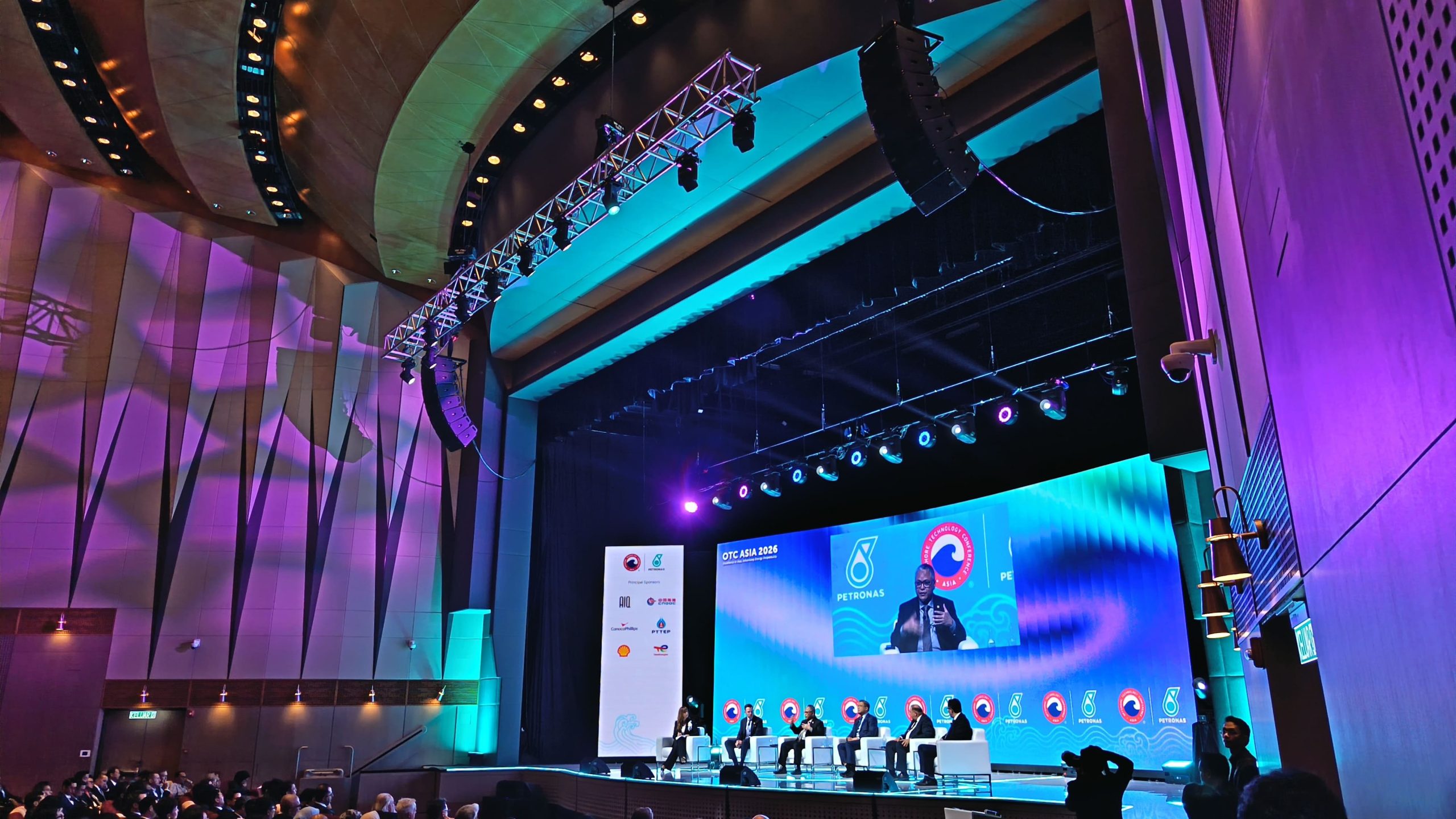 Large LED screens can create significant visual impact, but putting a large screen behind a stage does not automatically increase production value.
The screen content matters.
So does the way it interacts with the rest of the stage.
For example, a corporate presentation may use:
- Speaker visuals
- Key statistics
- Brand graphics
- Presentation slides
- Videos
- Live camera feeds
A product launch may require completely different content, including countdowns, product animations and reveal sequences.
The screen should therefore be considered as part of the communication system, not simply as decoration.
Screen resolution, pixel pitch, aspect ratio, viewing distance, content resolution and brightness can all affect the final result.
When these technical considerations are matched with good content design, the screen becomes much more effective.
Staging Creates the Physical Foundation
 Before audiences notice the screens or lighting, they notice the physical environment.
The stage establishes where attention goes.
Stage height, width, backdrop, stairs, podium placement, furniture and other structural elements can affect both the appearance and functionality of the event.
For larger productions, staging also needs to accommodate technical equipment.
This may include:
- LED screens
- Speakers
- Lighting fixtures
- Trussing
- Cameras
- Confidence monitors
- Presenters
- Performers
- Decorative elements
Good staging is therefore a combination of visual design and practical planning.
A beautiful stage that creates operational problems is not necessarily a successful production.
Transitions Matter More Than People Realise
An event can look excellent during each individual segment but still feel unpolished if the transitions between them are poorly managed.
Imagine:
A speaker finishes.
The room suddenly goes dark.
Someone searches for the next presentation file.
A microphone needs to be replaced.
The next video takes several seconds to load.
The audience waits.
None of these moments may seem significant individually, but repeated delays can affect the overall perception of the event.
Professional production planning considers transitions in advance.
This can involve:
- Cue sheets
- Show calling
- Content sequencing
- Microphone changes
- Lighting cues
- Video playback
- Stage movements
- Presenter coordination
- Technical rehearsals
The goal is to make each transition feel deliberate rather than improvised.
Content and Technology Must Match
A production system can only display what it receives.
This sounds obvious, but content compatibility is an important part of event preparation.
Different screens and playback systems may have specific requirements for:
- Resolution
- Aspect ratio
- File format
- Frame rate
- Audio
- Video output
- Presentation software
A presentation designed for a laptop screen may not automatically look good on a large LED wall.
Stretching content, incorrect proportions or low-resolution graphics can become very noticeable on a large display.
That is why content should be reviewed alongside the technical setup before the event.
The question should not simply be:
“Do we have the content?”
It should be:
“Is the content prepared correctly for the production system?”
Rehearsal Is Where Production Quality Comes Together
Many technical problems can be identified before the audience enters the room.
That is the purpose of testing and rehearsal.
A proper technical rehearsal can allow the team to check:
- Microphones
- Presentation playback
- Video content
- LED screens
- Lighting cues
- Audio levels
- Speaker positions
- Stage movements
- Camera feeds
- Show sequences
- Backup procedures
It also allows presenters, performers and the production team to understand how the show will operate.
This is particularly important for complex events where several departments need to work together.
A rehearsal is not simply a practice run.
It is an opportunity to identify problems while there is still time to solve them.
Technical Coordination Is the Hidden Layer
A high-production event can involve many systems operating simultaneously.
For example:
Presenter → Microphone → Audio System → Mixing Console → Loudspeakers
At the same time:
Presentation Laptop → Playback System → LED Processor → LED Screen
And:
Show Caller → Lighting Console → Lighting Fixtures
These systems may also need to work together according to a specific programme timeline.
This is why event production is not simply about equipment.
It is also about people, communication and coordination.
A professional production team helps ensure that everyone understands:
- What needs to happen
- When it needs to happen
- Who is responsible
- What equipment is involved
- What happens if something goes wrong
The audience sees the final performance.
The production team manages the system behind it.
Production Value Should Match the Event
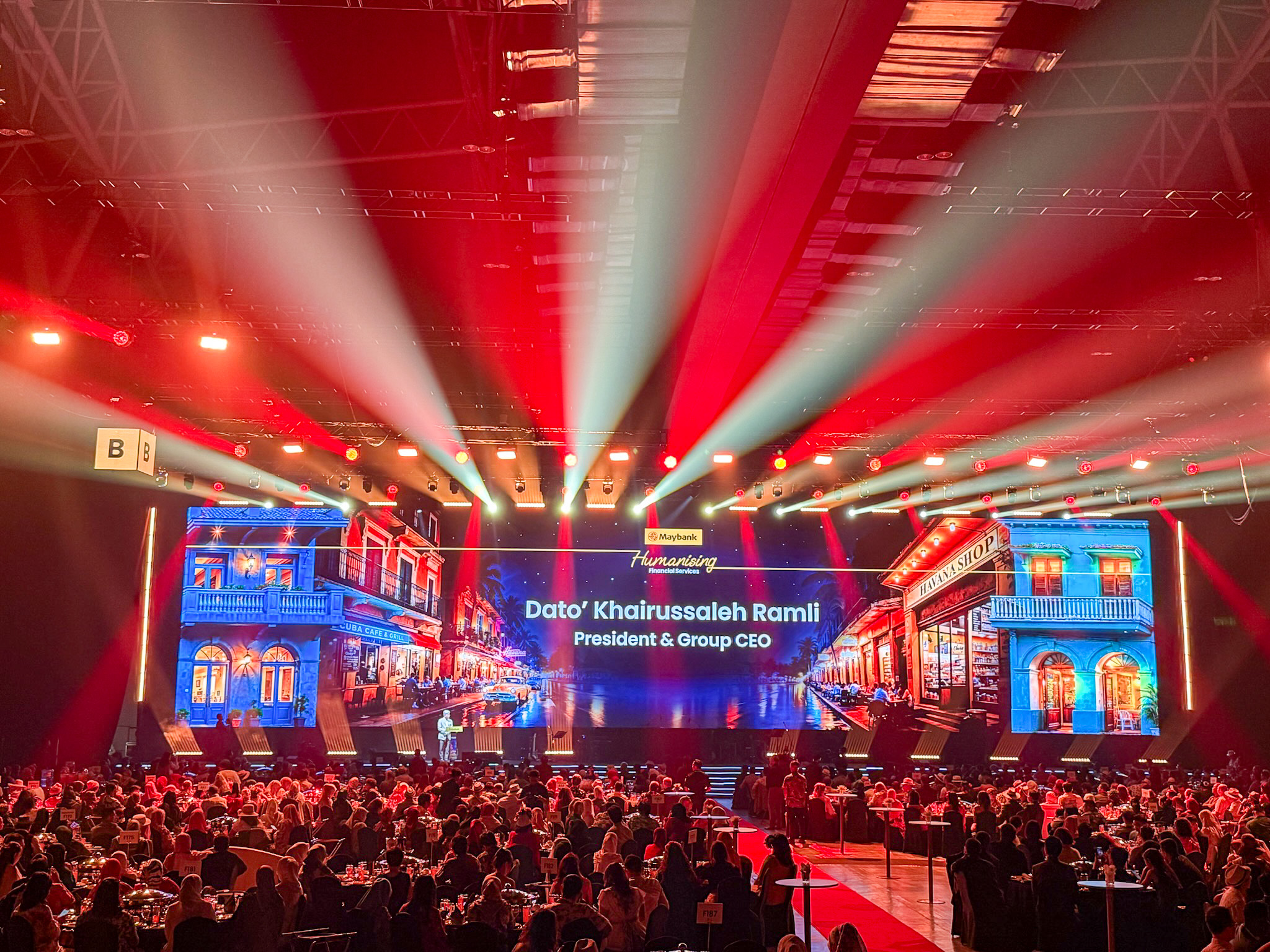 More production does not automatically mean better production.
An intimate executive event does not necessarily need the same technical setup as a large-scale concert.
Likewise, a product launch may require visual impact that would not be appropriate for a formal conference.
The right production approach depends on:
- Event objective
- Audience size
- Venue
- Brand
- Programme
- Content
- Budget
- Technical requirements
- Desired atmosphere
This is why good event production services should begin with understanding the event rather than simply recommending a list of equipment.
The question should be:
“What does this event need to communicate and how should the audience experience it?”
Only then can the appropriate technical and creative solutions be selected.
A Simple Production Value Checklist
Before an event, organisers can review five key areas.
Visual
- Is the stage visually balanced?
- Are LED screens positioned appropriately?
- Is the content clear?
- Does the visual design match the brand?
Audio
- Can everyone hear clearly?
- Are microphones suitable?
- Has the system been sound checked?
- Are backup options available?
Lighting
- Are speakers and performers properly illuminated?
- Does the lighting support the event atmosphere?
- Are key moments programmed?
Operations
- Are programme transitions planned?
- Has the team rehearsed?
- Are technical responsibilities clear?
- Are backup procedures in place?
Audience Experience
- Can people see and hear comfortably?
- Are transitions smooth?
- Does the environment feel intentional?
- Does the production support rather than distract from the event?
This checklist highlights an important principle:
Production value is the result of many small decisions working together.
Why Professional Event Production Services Matter
Organising an event involves much more than booking equipment.
A screen needs content.
Speakers need microphones.
Lighting needs programming.
Staging needs to accommodate the production.
Presenters need to know what happens next.
And all of these elements need to work together according to the event schedule.
This is where professional event production services can provide value.
Rather than managing individual equipment requirements separately, organisers can work with a production partner to coordinate the technical environment as a complete system.
This can help simplify communication, improve technical preparation and create greater consistency across the event.
At DOREMi, event production involves bringing together audio, visual, lighting, staging and technical requirements according to the specific needs of each event.
The objective is not to add technology simply because it looks impressive.
It is to use the right technology in the right way to support the audience experience.
The Real Meaning of “High Production Value”
A high-production event is not necessarily the event with the most equipment.
It is the event where the production feels intentional, coordinated and seamless.
The audience sees the stage.
They hear the speaker.
They experience the lighting.
They watch the visuals.
They move through the programme.
But behind that experience is a network of technical decisions, preparation, rehearsals and coordination.
That is what creates production value.
When audio, lighting, LED screens, staging, content and show operations are planned as one connected experience, the event can feel significantly more polished — without relying on unnecessary technology.
High production value is not about doing more.
It is about making every production element work better together.
Further Reading
For another perspective on why investing in production quality can affect the overall event experience, see: 5 Reasons to Invest in the Production Value of Your Event
Planning Professional Event Production for Your Next Event?
Whether you are planning a corporate event, product launch, conference, exhibition, concert, award ceremony or live event, professional event production services can help bring your event vision together through the right combination of audio, visual, lighting and staging solutions.
DOREMi provides integrated event production solutions with professional audio systems, LED screens, lighting, staging, trussing and technical support for events across Malaysia. Our team works with organisers to coordinate the technical elements around the event objectives, venue, programme and audience experience.
Speak with DOREMi’s event production specialists to plan the right production setup for your event and create a seamless, professional experien