5 Ways to Solve Common Sound Issues in Indoor Events
Indoor events — whether corporate conferences, concerts, or product launches — rely heavily on sound quality to deliver impact. Poor audio can derail even the most well-planned event. In Malaysia, venues like KLCC Convention Centre, MITEC, Zepp KL, and Sunway Pyramid Convention Centre host thousands of events annually, and sound management is consistently cited as one of the top technical challenges.
According to the Department of Occupational Safety and Health (DOSH), noise pollution is the leading occupational hazard in Malaysia. While this statistic focuses on workplaces, it underscores the importance of managing sound environments effectively — especially in indoor event spaces where reverberation and crowd noise can quickly overwhelm audio systems.
This article explores five practical solutions to common sound issues, backed by industry data, global best practices, and the Malaysian context.
Key Takeaways:
- Acoustic Treatment: Use panels and strategic speaker placement to kill echoes in large halls like MITEC.
- Feedback Prevention: Proper microphone handling and feedback suppressors are mandatory for clear communication.
- Even Coverage: Rely on distributed line array systems rather than a single massive speaker setup.
- System Integration: Separate audio and power cables to prevent electrical interference from LED walls and lighting.
Why Sound Quality Matters
- Audience Engagement: Studies show that poor audio reduces audience retention by up to 30% in conferences.
- Brand Perception: At product launches, distorted sound can undermine brand credibility.
- Safety & Compliance: Malaysia’s Department of Environment sets guidelines for permissible indoor noise levels, making compliance a legal and reputational necessity.
1. Combat Echo and Reverberation with Acoustic Treatment
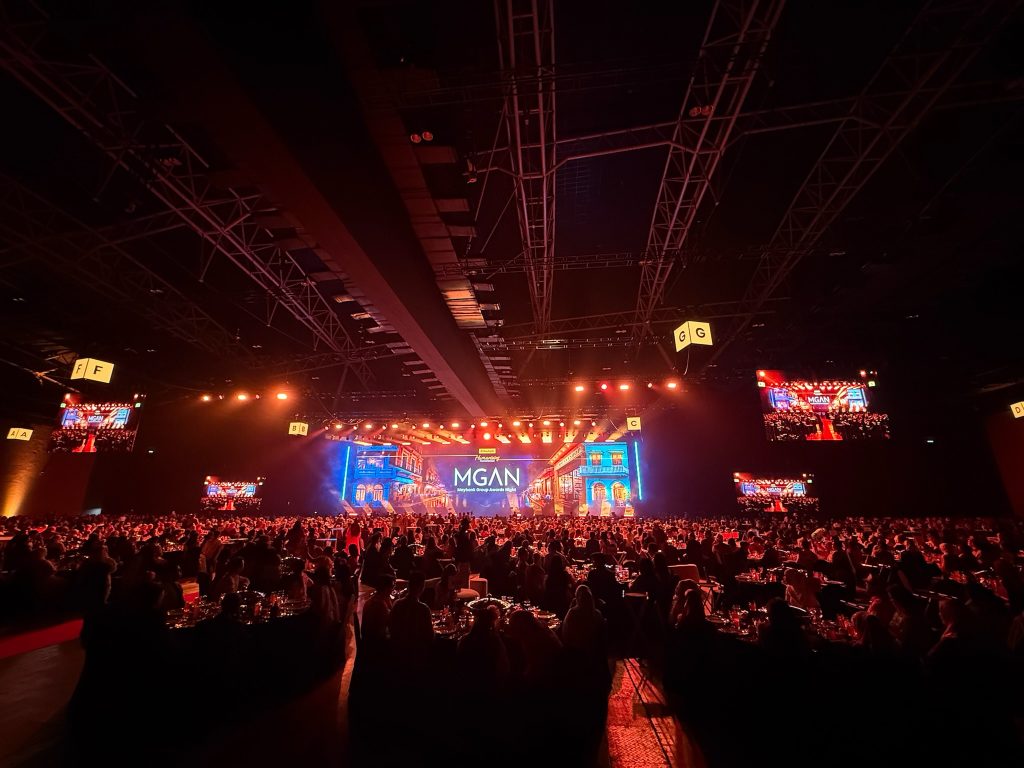
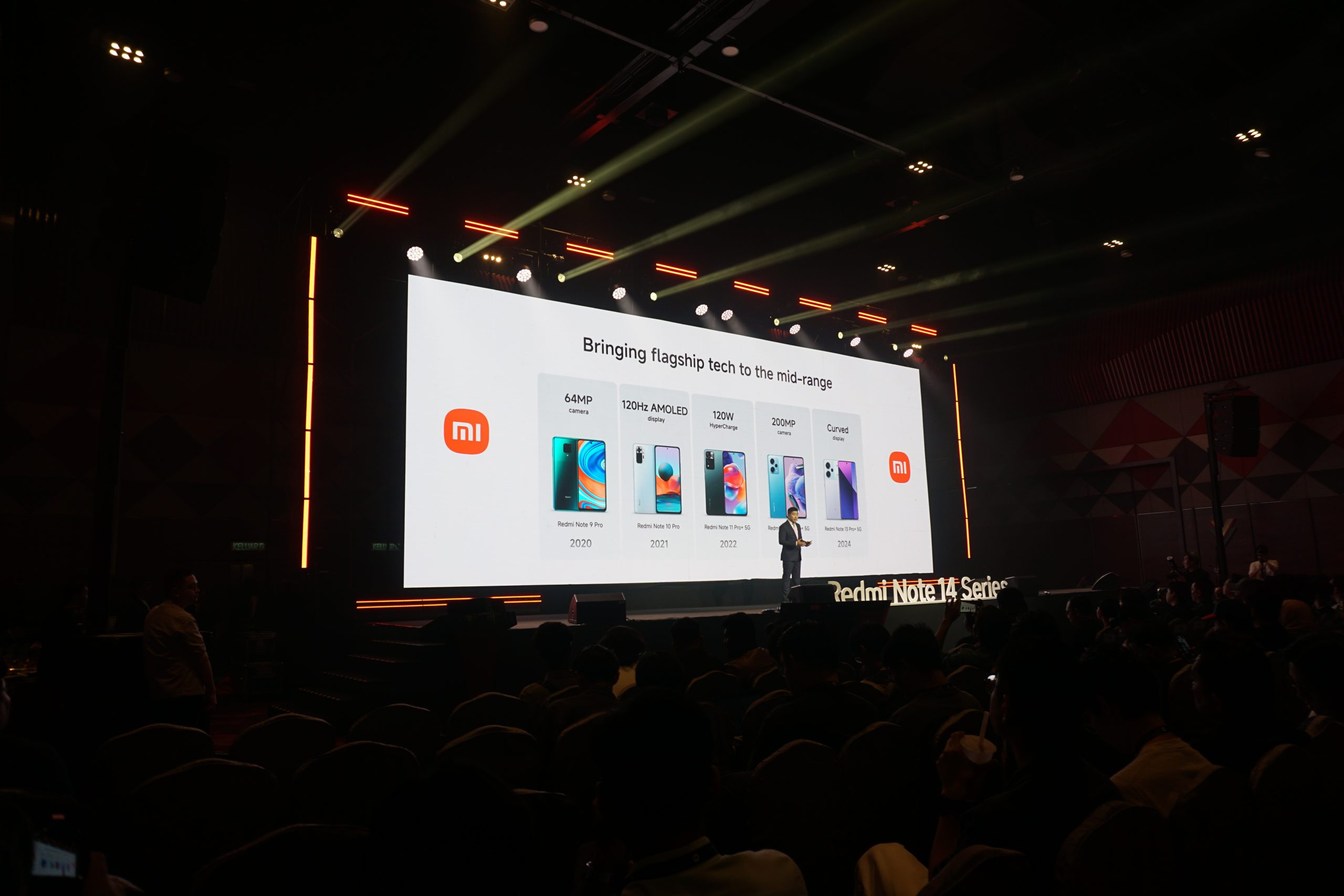 The Issue: Large halls like MITEC or KLCC often have high ceilings and reflective surfaces. This creates echo and reverberation, making speech unintelligible.
Solutions:
- Acoustic Panels & Curtains: Install temporary acoustic panels or drapes to absorb reflections.
- Speaker Placement: Position speakers closer to the audience to reduce reflections from walls.
- Line Array Systems: Use line arrays that direct sound precisely, minimizing spill.
Checklist:
- Assess venue acoustics during site inspection
- Use directional microphones for speeches
- Add carpeting or stage drapes to absorb sound
Do & Don’t:
- Do: Test sound in multiple seating zones.
- Don’t: Assume LED walls or staging structures won’t affect acoustics — they often reflect sound.
Example: At Zepp KL, a venue designed for live music, acoustic panels are integrated into the walls to minimize echo, ensuring clarity even at high volumes.
2. Prevent Feedback with Proper Microphone and Speaker Management
The Issue: Feedback — that high-pitched squeal — occurs when microphones pick up sound from speakers. It’s common in conferences and weddings.
Solutions:
- Microphone Technique: Train speakers to hold microphones at the correct distance.
- Speaker Positioning: Place speakers ahead of microphones, not behind.
- Feedback Suppressors: Use digital processors to automatically detect and eliminate feedback.
Checklist:
- Conduct soundcheck with all microphones
- Use cardioid or supercardioid microphones to reduce pickup from speakers
- Monitor gain levels carefully
Do & Don’t:
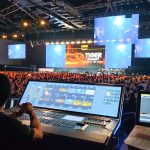
- Do: Assign a dedicated audio engineer for live mixing.
- Don’t: Allow untested wireless microphones on stage.
Example: At KLCC Convention Centre, international conferences often deploy Shure wireless systems with built-in feedback suppression, ensuring smooth panel discussions.
3. Ensure Even Sound Coverage Across the Venue
The Issue: In large halls, some areas may be too loud while others barely hear the audio. Uneven coverage frustrates audiences.
Solutions:
- Distributed Speaker Systems: Use multiple smaller speakers instead of one large system.
- Delay Speakers: Add delay speakers in the back, synchronized with the main system.
- Sound Mapping Software: Tools like EASE (Enhanced Acoustic Simulator for Engineers) help plan coverage.
Checklist:
- Map sound coverage during planning
- Test audio in front, middle, and back rows
- Adjust delay times to match main speakers
Do & Don’t:
- Do: Use professional sound engineers to design coverage.
- Don’t: Rely solely on the venue’s built-in PA system for large-scale events.
Example: At MITEC, distributed JBL systems are used during exhibitions to ensure even sound coverage across massive halls.
4. Manage Noise Interference from External Sources
The Issue: Indoor venues often face noise from outside — traffic, construction, or adjacent events. In Malaysia’s urban centers, this is a frequent challenge.
Solutions:
- Soundproofing: Temporary partitions or acoustic doors can reduce external noise.
- Directional Microphones: Focus pickup on the speaker, not ambient noise.
- Noise Gates: Automatically mute microphones when no one is speaking.
Checklist:
- Inspect venue surroundings for potential noise sources
- Schedule events during quieter hours when possible
- Use in-ear monitors for performers to reduce stage noise
Do & Don’t:
- Do: Coordinate with venue management about adjacent events.
- Don’t: Ignore background noise during rehearsals.
Example: At Sunway Pyramid Convention Centre, events often run parallel to shopping mall activities. Organizers use heavy draping and directional audio systems to isolate event sound.
5. Integrate Sound with LED, Staging, and Lighting Systems
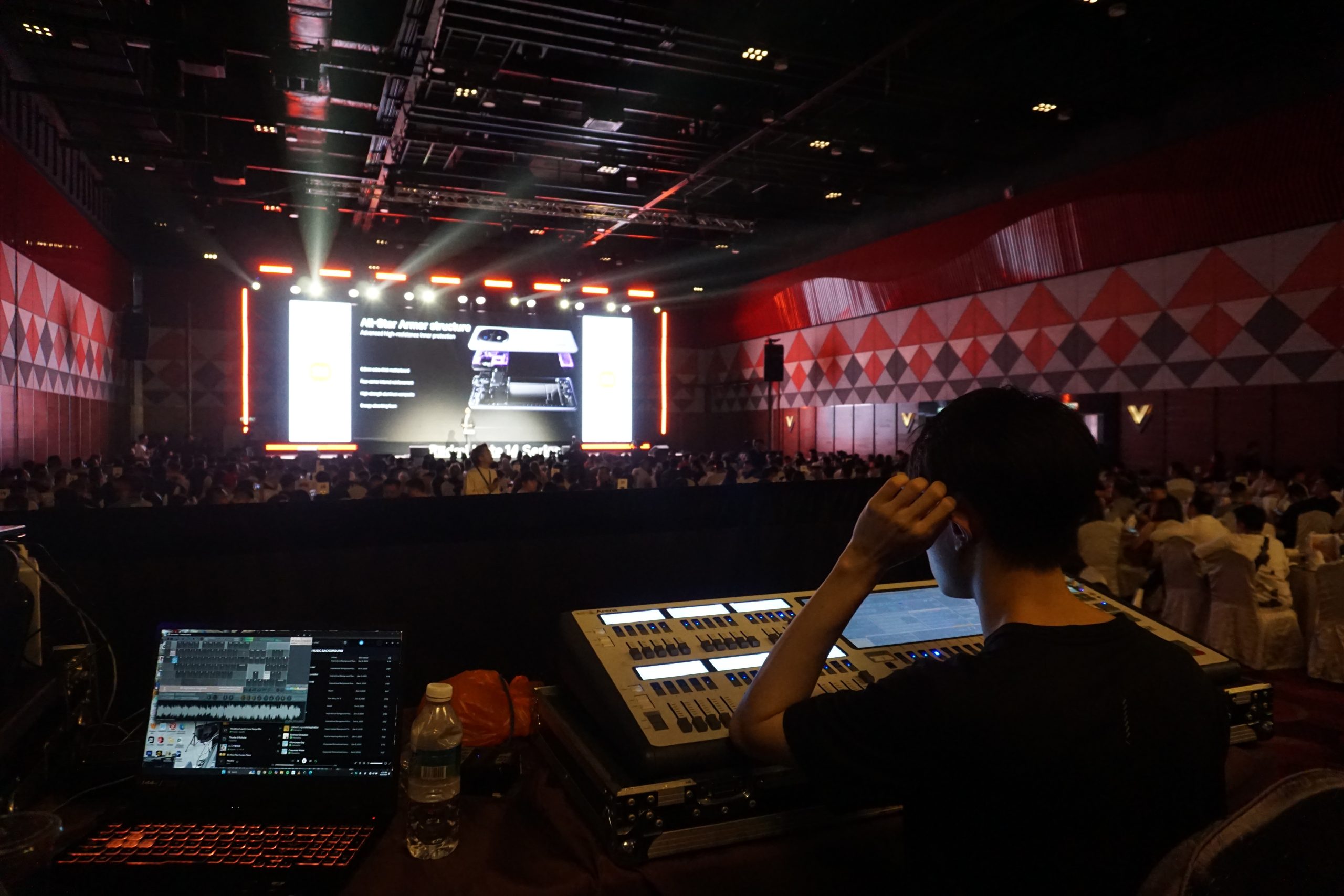 The Issue: Sound systems don’t operate in isolation. LED walls, staging, and lighting rigs can interfere with acoustics or introduce hums and buzzes.
Solutions:
- Cable Management: Separate audio and power cables to prevent interference.
- Rigging Considerations: Ensure LED walls don’t block speaker output.
- Power Conditioning: Use stabilizers to prevent electrical noise.
Checklist:
- Coordinate AV teams (sound, lighting, LED) during setup
- Test all systems together, not separately
- Use professional-grade DI boxes for instruments and playback devices
Do & Don’t:
- Do: Run a full rehearsal with all systems active.
- Don’t: Assume lighting and LED setups won’t affect audio.
Example: At product launches in KLCC, LED walls are often massive. Engineers use flown line arrays positioned above LED rigs to maintain clear sound projection.
Real Trends and Statistics
- Global Trend: The live events industry is projected to grow 11% annually, with audio quality ranked among the top three attendee satisfaction factors.
- Malaysia Context: Noise pollution is recognized as the leading occupational hazard, highlighting the importance of sound management in crowded venues.
- Technology Adoption: Digital sound processors and acoustic modeling software are increasingly used in Malaysian venues to ensure compliance and quality.
Conclusion
Indoor events succeed or fail based on sound quality. By addressing echo, feedback, coverage, noise interference, and AV integration, organizers can deliver professional experiences that resonate with audiences. Venues like KLCC, MITEC, Zepp KL, and Sunway demonstrate how proactive sound management elevates events.
For DOREMi Events, applying these strategies means not only solving technical issues but also enhancing brand reputation and audience satisfaction.