Event Design: Comprehensive Guide To A Holistic Event Experience
Key Takeaways
- Event design focuses on creating the overall concept and aesthetic of an event to deliver a cohesive experience.
- It goes beyond decoration by shaping how guests feel, interact, and remember the event.
- Key elements include venue layout, lighting, decor, sound, and guest interaction.
- A well-designed event enhances the ambience and creates a stronger emotional impact.
- Event design (creative vision) and event production (execution) must work together for success.
- A structured design process helps ensure consistency from concept to execution.
- Avoiding common mistakes, such as poor layout or lack of concept, improves overall effectiveness.
- Professional event experience design services can elevate quality, coordination, and guest experience.
In today’s experience-driven world, a successful event is no longer just about logistics. It is about creating a meaningful and memorable journey for every guest.
This is where event design plays a crucial role. From the overall concept and aesthetic to the smallest sensory details, event experience design shapes how people feel, interact, and remember an event.
Whether it is a corporate function, wedding, or brand activation, a well-designed event goes beyond decoration. It carefully combines space, lighting, sound, and styling to enhance the ambience and deliver a cohesive experience from start to finish.
When done right, event design transforms ordinary gatherings into immersive experiences that leave a lasting impression.
In this guide, we will explore what event experience design truly means, how it differs from event production, and the key steps to designing a holistic event experience that is both impactful and unforgettable.
What Is Event Experience Design?
Event experience design is the process of creating the overall concept and aesthetic of an event, with the goal of delivering a cohesive and engaging experience for attendees. It focuses on how an event looks, feels, and flows; from the first impression to the final moment.
At its core, event design goes beyond decoration. It involves intentional decisions about theme, layout, lighting, styling, and sensory elements to ensure every detail supports a unified vision. The objective is not just to make an event visually appealing, but to create an atmosphere that resonates with the audience and aligns with the event’s purpose.
It is also important to distinguish event design from related roles. While event planning focuses on logistics such as scheduling and coordination, and event production handles technical execution, event experience & design defines the creative direction that ties everything together.
In short, event design is what transforms an event into a holistic experience, where every element works together to leave a lasting impression.
Why Event Design Matters for a Memorable Experience?
Event design is what turns a standard gathering into a meaningful and memorable experience. It shapes how guests perceive, interact with, and remember an event.
Without a clear design, even well-organized events can feel disconnected or forgettable. A strong event design ensures that every element works together to deliver a consistent message and emotional impact.
From Event to Experience: The Shift in Expectations
Today’s audiences expect more than just attendance. They seek engagement and connection. Events are no longer judged solely on execution, but on how they make people feel.
Event design responds to this shift by focusing on storytelling, immersion, and personal interaction. Whether it is a corporate event or a celebration, a well-designed experience keeps guests engaged and leaves a lasting impression.
How Event Exeprience Design Enhances the Ambience?
Event design plays a key role in enhancing the ambience by combining visual and sensory elements. Lighting sets the mood, layout influences movement, and decor reinforces the overall concept and aesthetic.
Even subtle details, such as music and textures, contribute to the atmosphere. When these elements are aligned, they create a cohesive environment that feels intentional and immersive.
The Core Elements of Event Design
A successful event design is built on several key elements that work together to create a cohesive and engaging experience. Each element contributes to the overall concept and aesthetic while shaping how guests interact with the event.
1. Overall Concept and Aesthetic
This is the foundation of event experience. It defines the theme, mood, and visual direction of the event by
- Establishing a clear theme or story.
- Aligning with brand identity or occasion.
- Using mood boards to guide design decisions.
A strong concept ensures consistency across all elements and helps the event feel intentional rather than random.
2. Venue & Spatial Design
The venue is more than just a location. It influences how the event flows and how guests move through the space by
- Planning layout for smooth guest movement.
- Defining key areas (entrance, main space, focal points).
- Considering visibility, accessibility, and comfort.
A well-designed space enhances both functionality and experience.
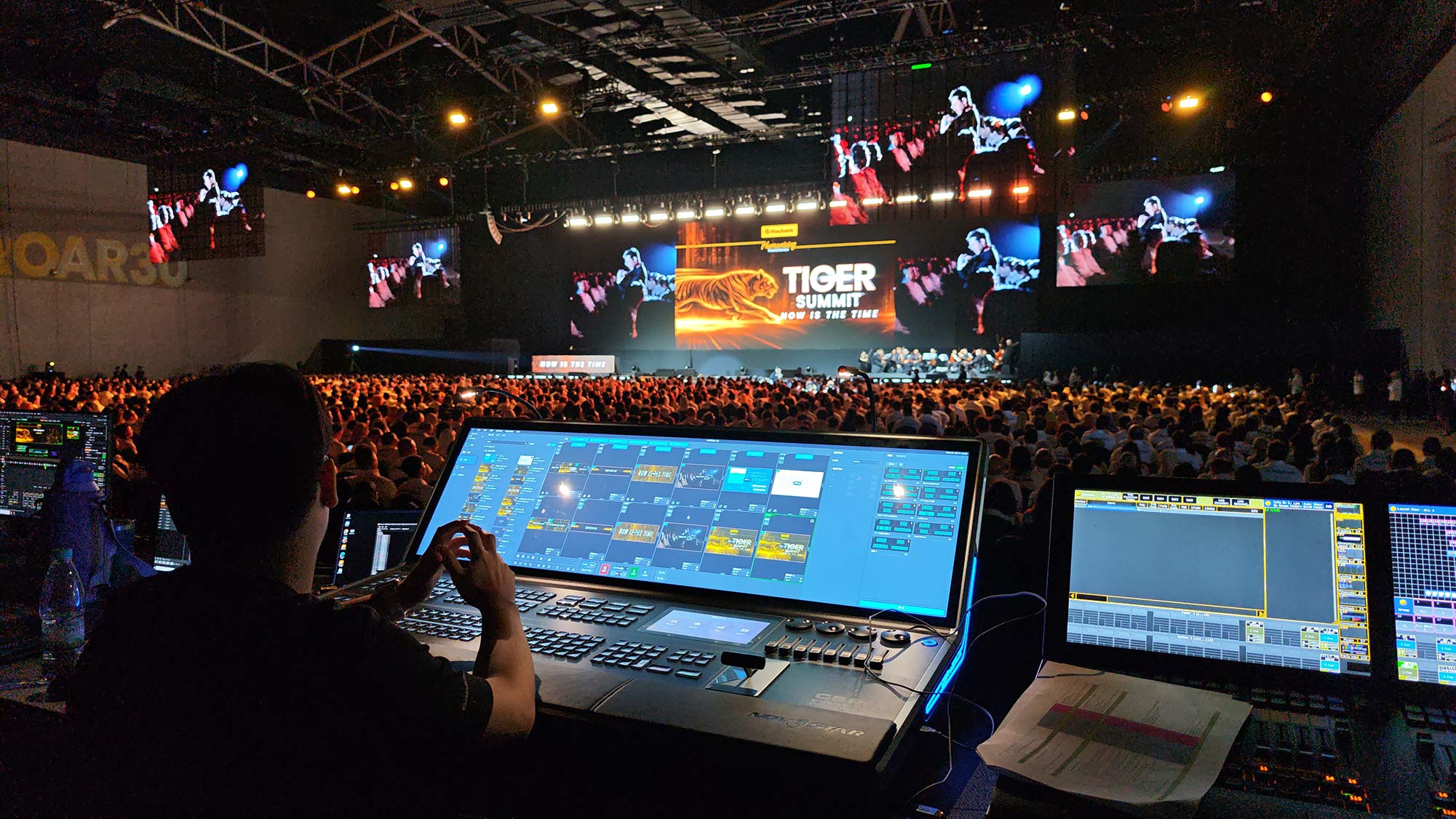
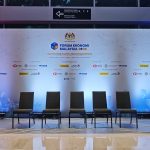
Conference Event Design
3. Lighting & Visual Styling
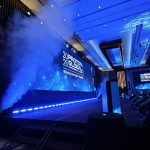
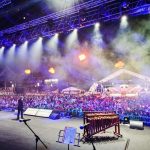
Lighting is one of the most powerful tools in event designing as it directly affects mood and perception. One can
- Use lighting to set tone (warm, vibrant, dramatic).
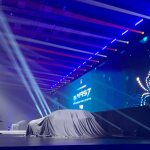
- Highlight key areas such as stage or decor features.
- Create visually appealing, photo-friendly moments.
When combined with styling elements, lighting brings the overall concept to life.
4. Furniture, Decor & Styling Details
These elements add depth and personality to the event while reinforcing the theme.
- Choose furniture that matches the concept.
- Coordinate colors, textures, and materials.
- Use centerpieces and decor to create focal points.
Thoughtful styling ensures visual harmony across the event.
5. Sound, Music & Sensory Experience
Sound plays a crucial role in shaping the atmosphere and influencing emotions. Event design includes
- Selecting music that matches the event mood.
- Ensuring sound quality supports speeches and performances.
- Considering multi-sensory elements (scent, texture, visuals).
A well-balanced sensory experience makes the event more immersive.
6. Guest Interaction & Experience Design
Engagement is key to creating a memorable event. This element focuses on how guests participate and interact, so do:
- Include interactive features such as photobooths or activities.
- Design moments for social sharing.
- Encourage movement and participation.
By prioritizing guest experience, event design becomes more dynamic and impactful.
Event Design vs Event Production: What’s the Difference?
Event design and event production are closely connected, but they serve different purposes. Understanding the distinction helps ensure both creativity and execution are aligned for a successful event.
Event Design: Creative Vision
Event design focuses on the creative direction and overall experience of the event. It answers the question: What should the event feel like?
Event experience design:
- Defines the overall concept and aesthetic.
- Shapes the theme, mood, and storytelling.
- Guides visual and sensory elements such as decor, lighting, and layout.
In essence, event design creates the vision that brings meaning and identity to the event.
Event Production: Execution & Logistics
Event production is responsible for turning the design into reality. It answers the question: How will the event be delivered?
Event production:
- Manages technical aspects such as audio, lighting setup, and staging.
- Coordinates vendors, equipment, and schedules.
- Ensures everything runs smoothly on the event day.
Production focuses on precision, timing, and flawless execution.
Why Both Must Work Together?
Event design and event production are interdependent. A strong concept without proper execution can fall flat, while excellent logistics without a clear design can feel uninspired.
Thus, design provides direction, production ensures delivery, and collaboration ensures consistency and quality.
When both work together seamlessly, the result is a well-executed event that is both visually compelling and operationally smooth.
Step-by-Step Guide to Designing a Holistic Event
Designing a successful event requires a structured approach that connects creativity with strategy. The following steps outline how to build a cohesive event experience design from concept to execution.
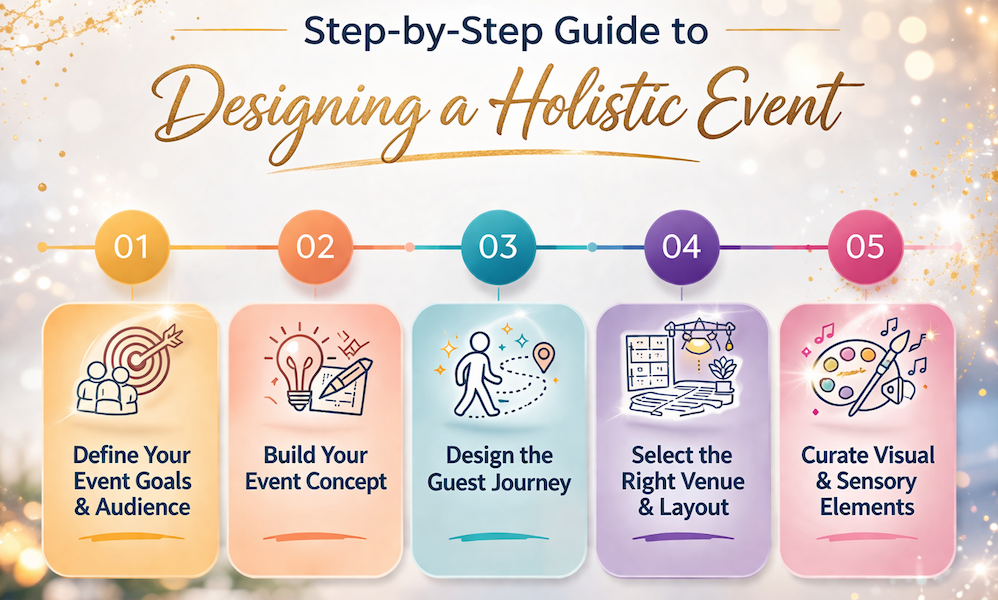
Guide to Designing a Holistic Event
Step 1: Define Your Event Goals & Audience
Start by identifying the purpose of the event and who it is for:
- Clarify objectives (e.g. brand awareness, celebration, networking).
- Understand your target audience’s preferences and expectations.
- Align design decisions with these goals.
Step 2: Build Your Event Concept
Develop a strong concept that will guide the entire event:
- Create a theme or storyline.
- Define the overall concept and aesthetic.
- Use mood boards or references for consistency.
Step 3: Design the Guest Journey
Think about the event from the guest’s perspective:
- Pre-event: Invitations, registration experience.
- During event: Arrival, flow, engagement points.
- Post-event: Follow-ups, takeaways.
Step 4: Select the Right Venue & Layout
Choose a venue that supports your concept and enhances the experience:
- Match venue style with event theme.
- Plan layout for smooth movement and interaction.
- Identify focal points and key areas.
Step 5: Curate Visual & Sensory Elements
Bring the concept into reality through design details:
- Select lighting, decor, and furniture.
- Coordinate colors, textures, and materials.
- Use sound and music to enhance the ambience.
Step 6: Align Event Production
Ensure the design can be executed effectively:
- Coordinate with vendors and suppliers.
- Plan technical requirements (AV, staging, lighting setup).
- Create a detailed timeline.
Step 7: Test & Refine the Experience
Review and improve before the event goes live:
- Conduct walkthroughs of the setup.
- Check flow, visibility, and timing.
- Adjust based on the guest perspective.
Common Event Design Mistakes to Avoid
Even with a strong concept, certain mistakes can weaken the overall impact of an event. Being aware of these common issues helps ensure a more cohesive and effective event experience and designing.
- Lack of a clear concept: Without a defined theme or direction, the event can feel disjointed. Every design decision should support a unified overall concept and aesthetic.
- Ignoring the guest experience: Focusing only on visuals without considering how guests move, interact, and engage can lead to a poor experience.
- Poor layout and flow: Overcrowded spaces or unclear pathways can disrupt movement and reduce comfort. A well-planned layout is essential.
- Overdecorating without purpose: Adding too many elements can create visual clutter. Each decor piece should have a role in enhancing the ambience.
- Lack of coordination with event production: A great design that cannot be executed properly will fall short. Design and production must work together from the start.
Avoiding these mistakes helps create an event that is not only visually appealing but also functional and memorable.
How Professional Event Experience Design Services Elevate Your Event?
Professional event design services help turn ideas into a cohesive and well-executed experience. They provide clear creative direction, ensuring every element aligns with the overall concept and aesthetic.
With access to curated furniture, decor, and lighting, professionals can enhance the ambience while maintaining consistency across the event. They also coordinate closely with event production teams to ensure smooth execution.
Most importantly, they focus on the guest experience by designing the flow, interaction, and atmosphere to create a memorable impact.
Working with trusted providers like doremievent.com for event styling, furniture rental, and photobooth services can elevate both the visual quality and overall experience of your event.
FAQ
How do you enhance the ambience of an event?
You can enhance the ambience through lighting, decor, music, and layout. These elements work together to create a specific mood and atmosphere.
What makes an event design successful?
A successful design is cohesive, aligned with the event’s purpose, and focused on delivering a smooth and memorable guest experience.
How do you start designing an event?
Start by defining your event goals, target audience, and desired experience. Then build a concept and plan the overall design elements around it.
What are the key elements of event design?
The key elements include the overall concept and aesthetic, venue layout, lighting, decor, sound, and guest interaction.
Why is event design important for corporate events?
It helps communicate brand identity, engage attendees, and create a professional and memorable experience.
Can small events benefit from event design?
Yes, even small events benefit from thoughtful design. A clear concept and cohesive setup can significantly enhance the overall experience.
How does event design impact guest experience?
Event design influences how guests feel, move, and interact during the event. A well-designed event creates a smoother, more enjoyable experience.
What role does lighting play in event design?
Lighting sets the mood, highlights key areas, and enhances the ambience. It is one of the most important elements in shaping the event atmosphere.
Conclusion: Designing Events That People Remember
Event design is what transforms a simple gathering into a meaningful experience. By focusing on the overall concept and aesthetic, guest journey, and sensory details, you can create an event that feels intentional and engaging.
From planning to execution, every element plays a role in shaping how guests experience and remember the event. With the right approach and the support of professional services like DOREMi, you can design events that leave a lasting impression.