Why Smart Lighting Design is the Key to Engaging Indoor Event Spaces?
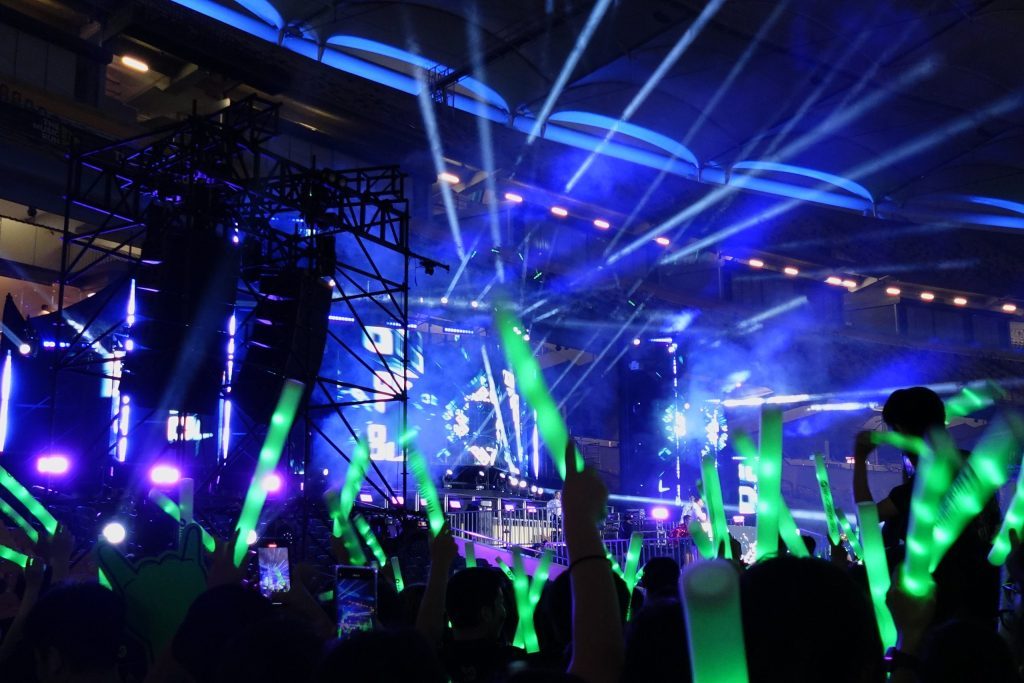
Lighting has always shaped atmosphere, mood, and audience engagement. But smart lighting goes beyond basic illumination — it integrates automation, energy efficiency, and interactive design. For indoor event spaces, this means:
Key Takeaways:
- Enhanced audience experience: Dynamic lighting can shift moods instantly, highlight key moments, and guide attention.
- Operational efficiency: Smart systems reduce energy consumption and allow remote control, saving costs and aligning with sustainability goals.
- Brand storytelling: Lighting can reinforce brand identity through colors, patterns, and immersive effects.
In Malaysia, where major venues like the Kuala Lumpur Convention Centre and MITEC host large-scale conferences, exhibitions, and concerts, smart lighting is increasingly used to differentiate experiences and meet strict sustainability targets.
Real Trends and Statistics
- Global growth: The smart lighting market was valued at USD 15.7 billion in 2024 and is expected to reach USD 41.8 billion by 2030.
- Malaysia adoption: Driven by urbanization and sustainability, Malaysia’s smart lighting market is expanding rapidly, with strong uptake in indoor commercial applications.
- Energy efficiency: Smart lighting can reduce energy consumption by up to 35–40% compared to traditional systems, according to industry reports.
- IoT integration: Lights connected to IoT devices allow real-time adjustments via smartphones or tablets, making them ideal for live events where flexibility is crucial.
Real Event Examples
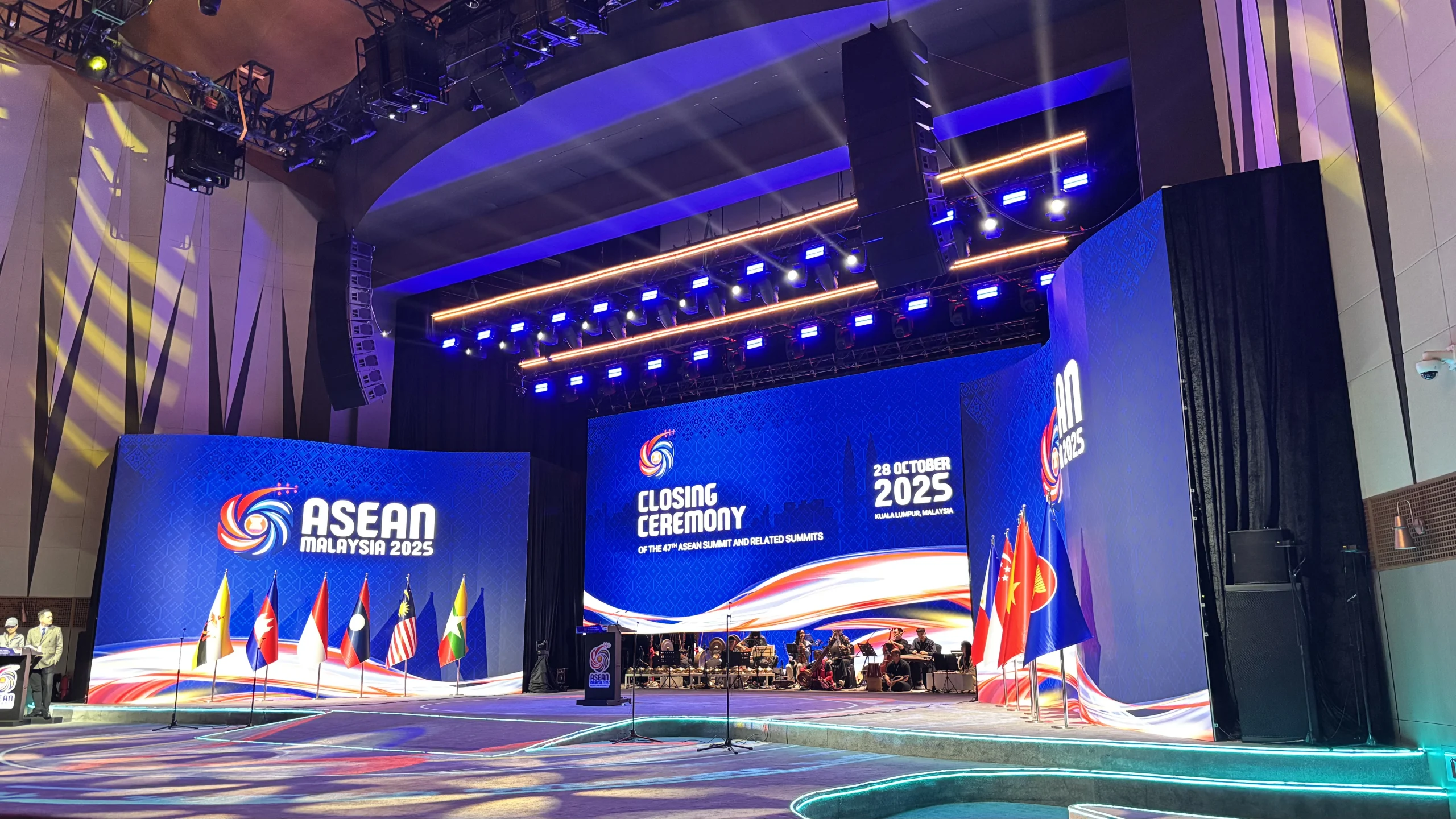
- KL Convention Centre (Malaysia): Known for hosting international conferences, the venue has invested in advanced lighting systems that allow customizable ambiance for different sessions — from corporate keynote addresses to evening gala dinners.
- Expo 2020 Dubai (Global): Smart lighting was used extensively to create immersive pavilions, with dynamic color schemes and responsive lighting tied to visitor movement.
- Coachella Festival (USA): Though primarily outdoor, its indoor installations showcased how programmable lighting can transform art exhibits into highly interactive experiences.
These examples highlight how lighting is not just functional, but central to audience engagement.
Do’s and Don’ts of Smart Lighting in Events
Do’s
- Align lighting with event objectives: Use warm tones for networking dinners, dynamic colors for product launches, and sharp spotlighting for conferences.
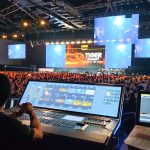
- Leverage automation: Program lighting sequences to match the agenda flow — for example, dimming during presentations and energizing during breaks.
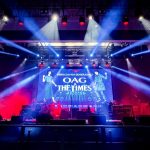
- Integrate with AV systems: Sync lighting with sound and visuals for a fully immersive experience.
- Prioritize sustainability: Opt for LED-based smart systems to reduce the carbon footprint and appeal to eco-conscious corporate clients.
- Test thoroughly: Run technical rehearsals to ensure lighting transitions are smooth and error-free.
Don’ts
- Overcomplicate design: Avoid excessive color changes or effects that distract from the main purpose of the event.
- Ignore audience comfort: Harsh lighting or poorly timed, blinding transitions can cause physical discomfort for attendees.
- Neglect backup plans: Always have manual overrides programmed in case of sudden system glitches.
- Forget cultural context: In Malaysia, consider cultural sensitivities around religious or formal events where subtlety and elegance are key.
The Malaysian Context
Malaysia’s event industry is highly competitive, with venues like the Putrajaya International Convention Centre and Penang SPICE Arena investing heavily in smart infrastructure. Government emphasis on sustainable urban development further drives the adoption of smart lighting. For corporate events, sustainability credentials are increasingly part of the core client requirements, making smart lighting a direct business advantage rather than just a creative tool.
Future Outlook
- Immersive tech integration: Expect more use of AR/VR combined with smart lighting for hybrid events.
- Data-driven design: Lighting systems will increasingly use sensors to adapt instantly to crowd size and movement.
- Sustainability mandates: As Malaysia pushes toward carbon reduction, smart lighting will become the required standard in all major venues.
The Bottom Line
Smart lighting design is the backbone of engaging indoor event spaces. It enhances the audience experience, reduces operational costs, and aligns with crucial sustainability goals. With Malaysia’s event industry fully embracing smart solutions, organizers who master lighting design will stand out in a crowded market.
For DOREMi Events, investing in smart lighting expertise means delivering not just events, but unforgettable experiences.