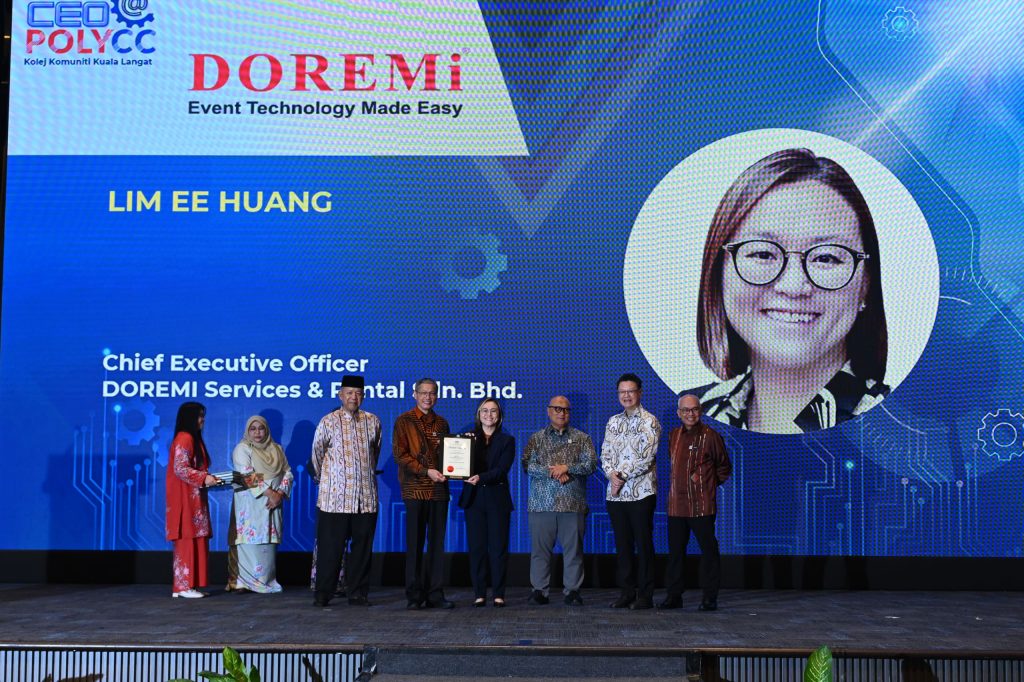
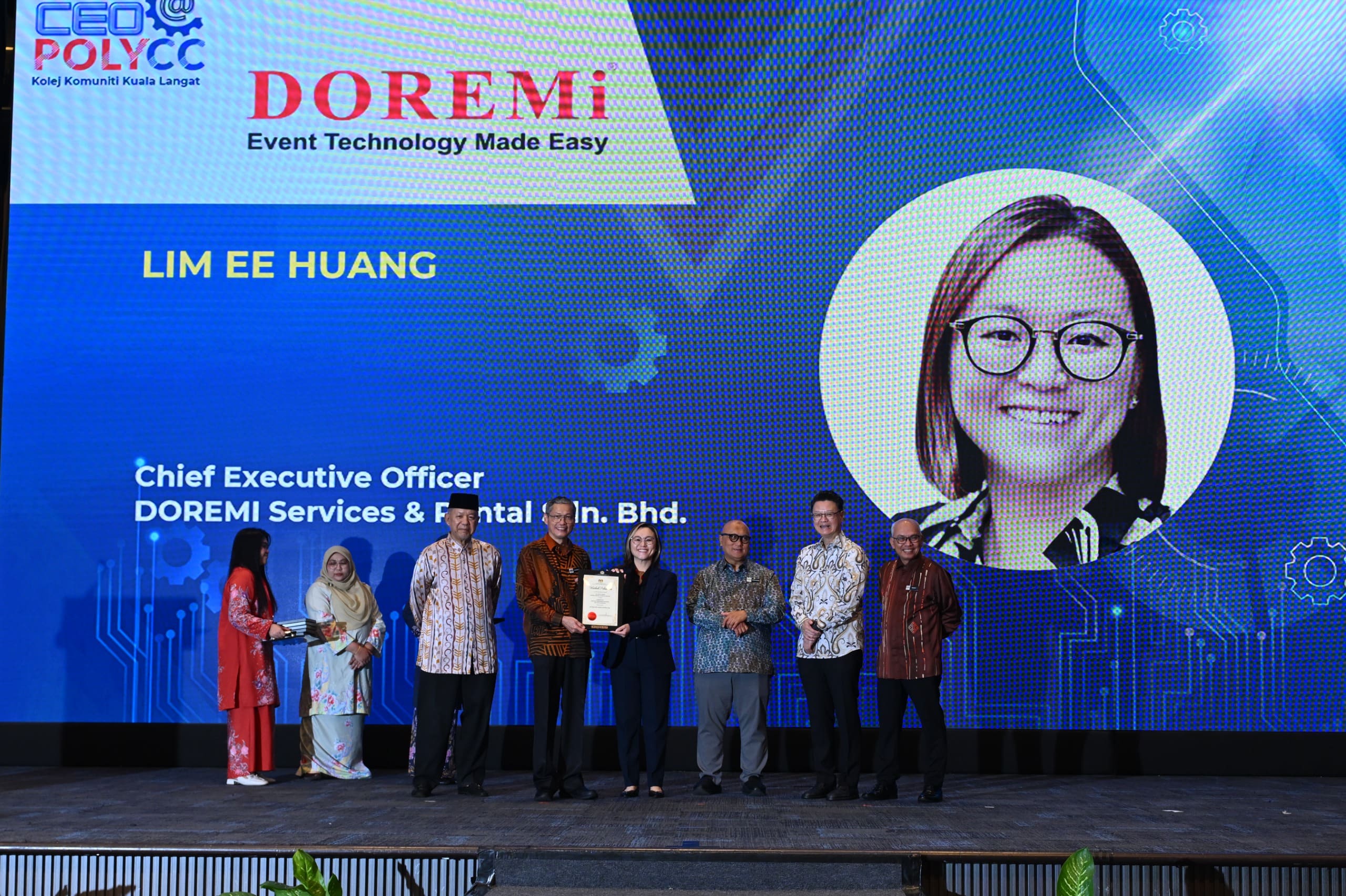
On 8 October 2026, DOREMi Services & Rental Sdn Bhd reached an important milestone when Puan Lim Ee Huang was presented with her letter of appointment as CEO@POLYCC under the Department of Polytechnic and Community College Education (JPPKK), for the October 2026 to October 2028 term.
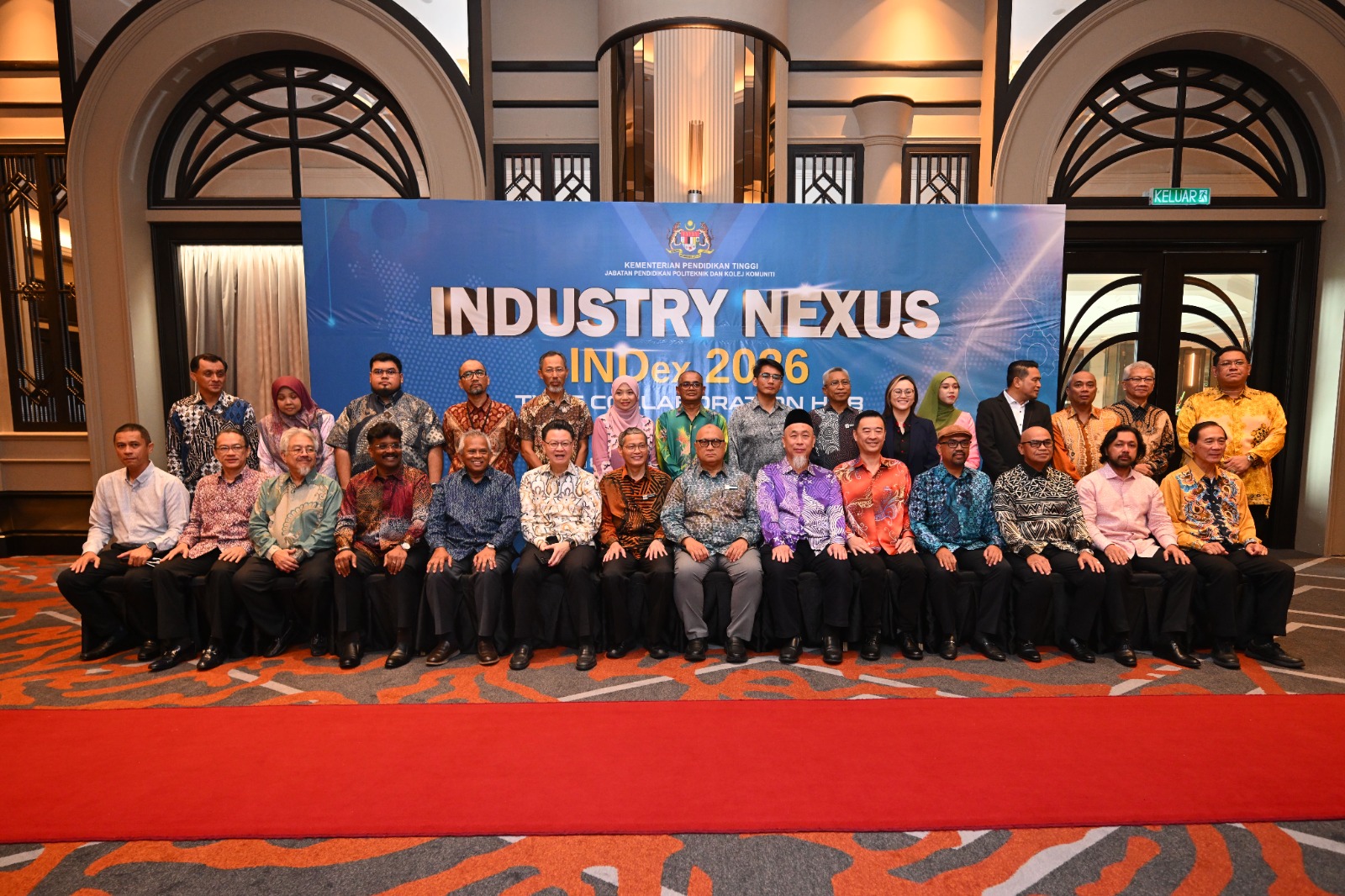
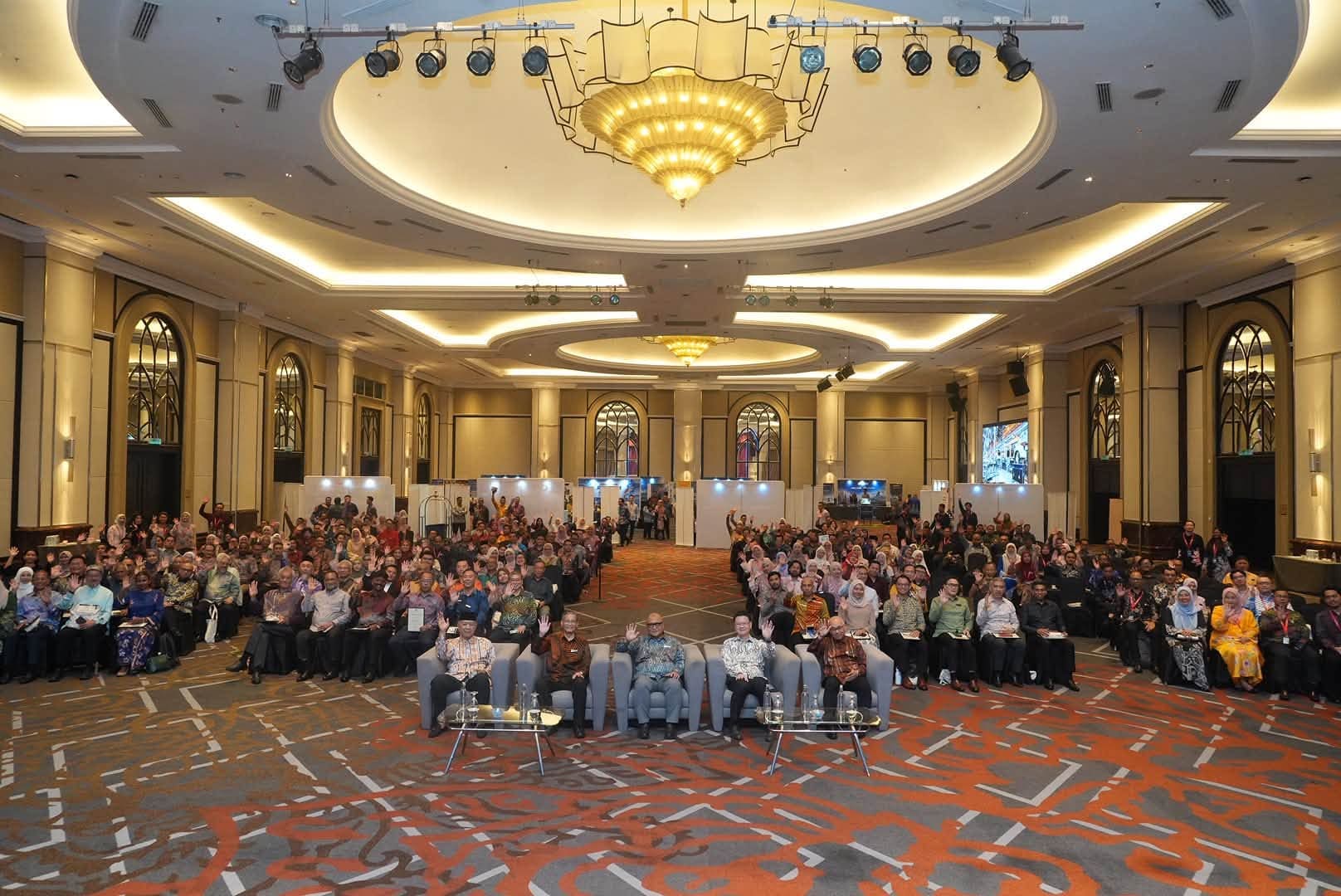
The appointment took place at Industry Nexus (INDex) 2026: TVET Collaboration Hub (TCH), held under the theme “Menyatu Kepakaran, Mencipta Masa Hadapan” — bringing expertise together to create the future.
For DOREMi, this appointment represents more than recognition for a company leader. It creates an opportunity to strengthen the relationship between industry and technical education, share practical business and technical knowledge, and contribute to the development of graduates who are better prepared for the realities of the workplace.
As a company operating in Malaysia’s event production and event technology industry, DOREMi works in an environment where technical competency, problem-solving, teamwork and adaptability are essential. Every live event presents its own requirements, from coordinating equipment and technical crews to managing deadlines, responding to changes and ensuring that multiple systems work together.
These are practical experiences that can help bridge the gap between classroom learning and professional work.
With Puan Lim Ee Huang’s appointment, DOREMi has an opportunity to explore how industry experience can contribute to the wider objectives of POLYCC and the development of Malaysia’s Technical and Vocational Education and Training (TVET) ecosystem.
What Is CEO@POLYCC, and Why Does It Matter?
The CEO@POLYCC initiative connects industry leaders with polytechnics and community colleges to strengthen relationships between educational institutions and the business community.
The purpose of this connection goes beyond introducing students to potential employers. It creates opportunities for industry and education to understand each other’s needs, exchange knowledge and explore ways to prepare students for changing workplace demands.
At INDex 2026, this direction was reinforced through discussions about developing high-value talent, aligning educational programmes with industry needs and expanding collaboration between POLYCC and its industry partners.
According to Malaysia’s Ministry of Higher Education, INDex 2026 brought together more than 70 collaborations involving 116 industry and agency partners. The event also welcomed 21 members of the Industry Advisory Council for the 2026–2029 term and 37 newly appointed CEO@POLYCC representatives for the 2026–2028 term. (Ministry of Higher Education Malaysia)
The scale of participation reflects an important national priority: educational institutions and industry need to work together to ensure that graduates develop competencies relevant to the jobs and industries they will enter.
For DOREMi, the appointment offers a platform to participate in that conversation and consider how its operational experience, technical expertise and understanding of business requirements can support the development of future talent.
Why This Appointment Matters to DOREMi
 DOREMi operates in an industry where technical knowledge must be translated into practical execution.
An event may require LED screens, sound systems, lighting, staging, truss structures and other technical equipment. However, delivering a successful production involves much more than understanding how individual equipment works.
Teams must interpret client requirements, plan technical setups, coordinate logistics, communicate across departments, manage time and respond to unexpected changes.
These responsibilities reflect the combination of technical and professional competencies that employers look for in new graduates.
Puan Lim Ee Huang’s appointment provides an opportunity for DOREMi to contribute its industry perspective to discussions about these competencies. It also encourages the company to consider how its own work can become a source of learning for students preparing to enter the workforce.
The value of the appointment, therefore, lies not only in representation but in what can be developed from the relationship.
For DOREMi, three areas are particularly relevant: sharing real-world industry knowledge, creating opportunities for practical exposure and helping students understand the professional expectations of a working environment.
Bringing Real Industry Experience Into the Learning Environment
One of the most valuable contributions a company can make to technical education is helping students understand how knowledge is applied in actual working conditions.
In event production, technical requirements are rarely identical from one project to another. A corporate conference, music festival, product launch and exhibition may all require audiovisual equipment, but each presents different challenges.
Students studying technical, engineering, information technology, multimedia, business or related disciplines may understand individual concepts through their coursework. Industry exposure can help them see how those concepts interact within a complete project.
For example, an LED screen installation involves more than displaying visual content. Teams need to consider viewing distance, pixel pitch, screen configuration, content compatibility, power requirements and the physical environment.
Sound system deployment requires an understanding of audience coverage, microphone requirements, speaker positioning and venue acoustics. Stage production involves spatial planning, equipment coordination, safe access and communication between technical teams.
These examples illustrate how different competencies combine to deliver a working solution.
DOREMi could share such experiences through industry talks, technical demonstrations, case studies and discussions with lecturers and students. Where appropriate, these activities could use completed projects to explain the decisions behind a production setup, the challenges encountered and the lessons learned.
The objective would not be to replace formal teaching. It would be to complement it with practical context that helps students understand how technical knowledge is used in the workplace.
Turning Live Events Into Learning Opportunities
Live events provide an especially useful environment for demonstrating how technical systems, project management and teamwork come together.
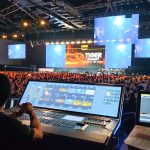
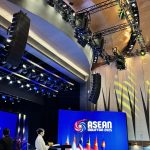
Consider DOREMi’s involvement in the Sungei Wang Autumn Music & Cultural Festival 2026. The company supported the technical production with staging, truss, sound, lighting and LED systems.
A production of this nature requires multiple components to work together throughout the event. The stage must support the programme, audio must serve the audience and performers, lighting must complement the performances, and LED displays must deliver the intended visual content.
Behind these visible elements are planning, equipment preparation, technical coordination, installation, testing and show-day operations.
A case study based on a project like this could help students understand how a technical production moves from planning to execution. It could also demonstrate why communication and coordination are just as important as equipment knowledge.
Another example is DOREMi’s production turnover at TRX, transitioning from Keretapi Sarong 2026 to the subsequent Karnival Saya & MAGGI event.
The project illustrates a different operational challenge: a completed event does not always mean the production work is finished. Equipment and technical arrangements may need to be assessed, repositioned, reconfigured and checked for the next programme.
For students, this provides a practical example of scheduling, resource management, teamwork and problem-solving under time constraints.
Subject to suitable arrangements with the organisers and venues, DOREMi could explore using selected project examples, technical briefings or supervised site exposure to help students connect classroom concepts with real production requirements.
Creating Practical Exposure and Career Pathways
Another potential contribution is helping students understand the range of careers available within the event technology industry.
Event production involves more than technicians operating equipment during a show. It can include technical planning, project coordination, logistics, equipment management, sales, customer service, procurement, marketing and business development.
Students may not always be familiar with the relationships between these functions or the skills required to progress within them.
DOREMi could help make these pathways more visible through career-sharing sessions, workplace exposure, internship opportunities where suitable, and discussions about the expectations of entry-level roles.
For technical students, exposure may focus on equipment preparation, signal flow, system setup and technical troubleshooting under appropriate supervision.
For students interested in business and management, the learning experience could include project scheduling, client communication, quotation preparation, inventory coordination, event documentation and post-event review.
Such activities would need to be designed around operational capacity, safety requirements, confidentiality and the suitability of each student’s course of study.
The aim would be to give students a clearer understanding of how their qualifications and interests could translate into meaningful career opportunities.
For DOREMi, this can also create a more informed talent pipeline by helping the company engage with emerging professionals before they enter the workforce.
Helping Graduates Develop Skills Beyond Technical Knowledge
 Employers need graduates who can do more than demonstrate technical knowledge. They also need people who can communicate, collaborate, manage responsibilities and adapt to changing circumstances.
These qualities are particularly important in event production, where schedules are fixed, multiple parties must coordinate their work and changes may occur close to showtime.
A technically capable employee must also understand instructions, communicate problems clearly, follow established procedures and recognise when an issue needs to be escalated.
For example, if a presentation screen is not displaying the correct content during a rehearsal, the response may involve checking the signal path, confirming the playback source, communicating with the presentation team and coordinating a solution before the programme begins.
The challenge is not just technical. It requires structured thinking, clear communication and teamwork.
DOREMi could contribute to student development by sharing workplace scenarios that illustrate these expectations. Industry representatives could explain common challenges, discuss how teams make decisions and highlight the professional habits that support reliable performance.
This would help students understand that employability is not simply about securing a first job. It is also about developing the competence and professional judgement needed to grow in a career.
Aligning Education With Changing Industry Needs
The appointment also comes at a time when technology and workplace requirements continue to evolve.
Artificial intelligence, automation and digitalisation are changing how businesses operate. In event production, digital content workflows, remote collaboration, integrated control systems and data-driven planning can influence how projects are delivered.
At the same time, core skills remain essential. Equipment must be handled correctly, technical systems must be tested, teams must communicate effectively and production decisions must account for the requirements of the venue and audience.
This creates an opportunity for industry and education to discuss both current and emerging competencies.
DOREMi could share observations about the skills its teams use, the types of technical challenges they encounter and the areas where new employees may need additional preparation.
Such feedback could support conversations with educational institutions about industry exposure, practical assignments and the competencies that students should develop before entering the workforce.
Any curriculum changes would remain a matter for the relevant institutions and authorities. However, industry feedback can help make those discussions more grounded in actual working conditions.
This approach aligns with the broader direction highlighted at INDex 2026: moving beyond general engagement towards co-creation, where industry participates more actively in developing talent and addressing real workplace needs. (Ministry of Higher Education Malaysia)
What DOREMi Can Give Back Through the Partnership
The appointment creates an opportunity for DOREMi to consider how it can contribute meaningfully to the TVET ecosystem. The most valuable contribution would be practical, relevant and sustainable rather than limited to a single event or engagement.
Potential areas of collaboration include:
- Industry knowledge-sharing sessions
DOREMi could share insights into event technology, production planning, equipment coordination, client requirements and the realities of delivering live events. Sessions could be developed around the interests of participating institutions and their students.
- Practical demonstrations and supervised exposure
Where feasible, students could observe selected equipment demonstrations or production processes. This would allow them to see how technical systems are prepared and coordinated while respecting site safety, client requirements and operational restrictions.
- Internships and workplace learning
Suitable internship or workplace-learning opportunities could help students develop relevant skills through structured exposure to professional tasks. These opportunities would depend on available placements, student requirements and appropriate supervision.
- Industry feedback on graduate competencies
DOREMi could share perspectives on the technical, operational and interpersonal skills that are useful in its working environment. This could help inform discussions between employers and educators about preparing students for entry-level roles and longer-term career development.
- Real-world case studies
Completed projects could be used, where permission allows, to illustrate production planning, problem-solving, coordination and technical decision-making. Case studies could help students understand not only what was delivered, but why certain decisions were made.
- Collaborative industry activities
DOREMi could explore participating in career talks, industry engagement programmes or other suitable activities organised with POLYCC institutions. The format and objectives would need to be agreed with the relevant parties.
These are potential areas for future collaboration rather than commitments already confirmed. The next step would be to identify opportunities that align with institutional priorities, DOREMi’s expertise and the practical needs of students.
Creating Value for Students, Industry and DOREMi
Effective industry–education collaboration should create value for both sides.
For students, it can provide clearer career direction, greater awareness of workplace expectations and opportunities to connect theoretical knowledge with practical experience.
For educational institutions, industry engagement can offer additional perspectives on evolving technologies, operational requirements and the competencies employers value.
For industry, closer relationships with education providers can help companies understand emerging talent, share relevant knowledge and contribute to the development of future professionals.
For DOREMi, the appointment provides an opportunity to strengthen its role as an industry participant that contributes knowledge and experience, not simply as a business operating within the event technology sector.
It can also encourage the company to reflect on its own talent development practices. Engaging with educational institutions may create opportunities to improve how DOREMi explains its career pathways, identifies potential future employees and supports the development of new talent.
Ultimately, the objective should be a two-way relationship. Students gain exposure to industry, while companies gain a better understanding of how future professionals are being prepared for the workplace.
Looking Ahead: From Appointment to Meaningful Collaboration
INDex 2026 highlighted the importance of building stronger relationships between POLYCC and industry as Malaysia develops its technical and professional talent.
The wider reform agenda includes the launch of Reformasi POLYCC 2035 and the Strategic Plan for Polytechnics and Community Colleges 2026–2035, reinforcing the focus on developing high-value technical and professional talent and supporting quality employment. (Ministry of Higher Education Malaysia)
For Puan Lim Ee Huang and DOREMi, the October 2026 to October 2028 CEO@POLYCC appointment offers an opportunity to explore how the company’s experience can support this direction.
The meaningful measure of the appointment will be what develops from it: stronger relationships, useful knowledge-sharing, relevant practical exposure and opportunities for students to better understand the industries they may eventually join.
DOREMi’s experience in event technology and production provides a practical starting point. Every project brings together people, equipment, planning and decisions that can offer valuable lessons about working in a technical environment.
By exploring appropriate ways to share these experiences, DOREMi can contribute to a closer connection between education and industry while helping future talent understand the competencies required to turn technical knowledge into real-world results.
The appointment is not only a recognition of industry leadership. It is an opportunity to contribute to the people who will shape the future of the industry.
Through meaningful collaboration with POLYCC, DOREMi looks forward to exploring ways to share its knowledge, support future talent and contribute to a stronger connection between technical education and the realities of the workplace.
Event Technology Made Easy.
Further Reading
1. Industry Nexus (INDex) 2026: TVET Collaboration Hub
Read the event update on Industry Nexus (INDex) 2026, which brought together industry leaders, educational institutions and industry partners to strengthen collaboration, share expertise and support the future development of Malaysia’s TVET ecosystem.
2. CEO@POLYCC Appointment and Industry–Education Collaboration
Explore the related update on the CEO@POLYCC appointment and the role of industry representatives in strengthening relationships between POLYCC and industry, supporting talent development and connecting technical education with real-world workplace needs.