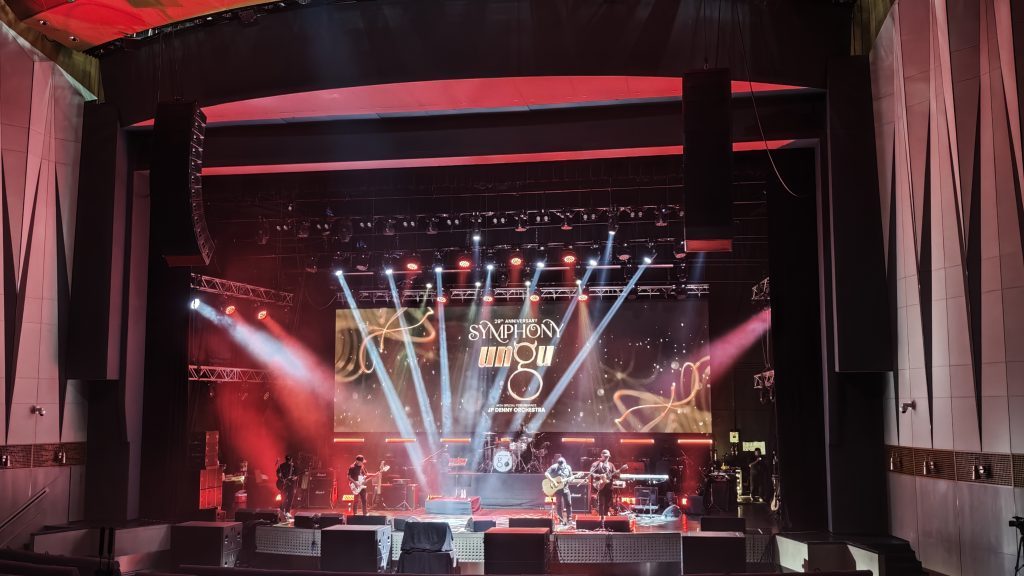
What’s in a Backline? Essential Equipment Every Band Needs for Live Gigs
When audiences walk into a live concert or a corporate gala featuring a band, they often notice the lights, the stage design, and the energy of the performers. What they don’t always see is the backbone of the performance: the backline. In 2025, backline setups became more sophisticated, more standardized, and more essential than ever. For event planners, musicians, and production companies like DOREMi Events, understanding what goes into a backline is critical to delivering seamless live music experiences.
A backline is more than just a collection of instruments. It is the infrastructure that allows musicians to perform confidently, consistently, and at their best. Without a proper backline, even the most talented band can struggle to deliver a polished show. Let’s break down the essential components, the lessons learned from last year’s gigs, and the practical tips that ensure every live performance hits the right note.
Key Takeaways
- Tailored Tones: Providing the exact guitar amplifiers and drum hardware requested by a band is crucial for reproducing their signature sound.
- The Invisible Lifeline: Power conditioners, high-quality cabling, and backup supplies are just as important as the instruments themselves.
- Precision Monitoring: In-Ear Monitors (IEMs) have become non-negotiable for large events to ensure musicians stay in sync without stage noise bleed.
- Clear Communication: Advance planning and strictly following technical riders prevent last-minute chaos and ensure smooth transitions between acts.
The Core of the Backline: Guitars and Amplifiers
No band setup feels complete without guitars. In 2025, most live gigs required at least two electric guitars and one acoustic guitar, depending on the genre. But the real secret lies in the amplifiers. Guitarists rely on specific amp models to achieve their signature tones, and event planners learned that providing the right amps was just as important as providing the instruments themselves.
- Electric guitars: Stratocasters, Les Pauls, and Telecasters remained staples. Bands often requested backups to avoid downtime in case of string breaks.
- Amplifiers: Tube amps like Fender Twin Reverb or Marshall stacks were common requests. These amps defined the sound quality and stage presence.
For planners, the lesson was clear: always confirm the band’s preferred guitar and amp setup in advance. A mismatch can compromise the performance, while the right gear ensures consistency across venues.
Drums: The Heartbeat of the Band
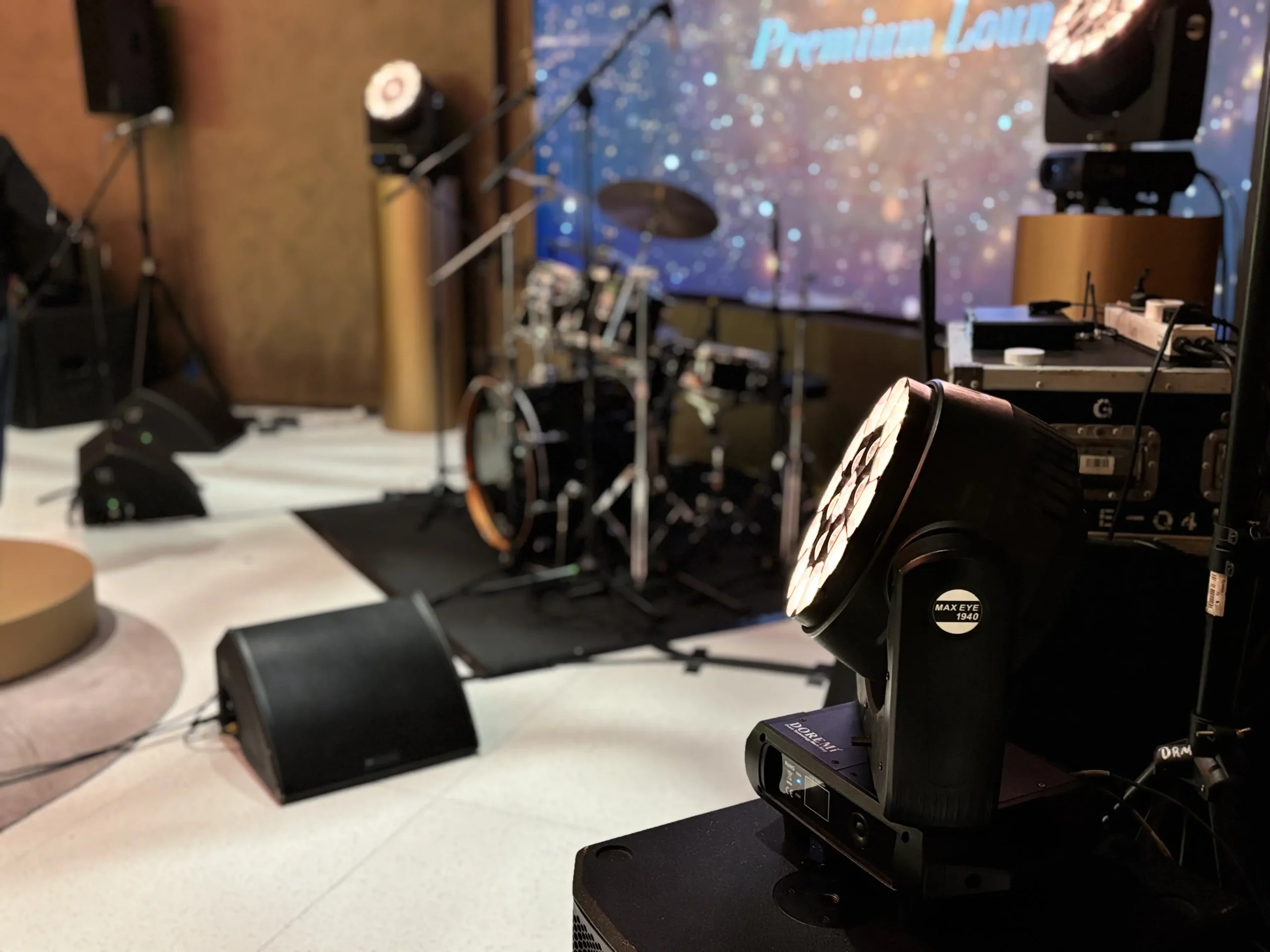
Drums are the centerpiece of any backline. In 2025, most events provided a standard five-piece drum kit: bass drum, snare, toms, hi-hat, and cymbals. But drummers often brought their own snare or cymbals to personalize the sound. The challenge for event planners was ensuring the kit was sturdy, well-tuned, and adaptable.
- Standard kits: Yamaha, Pearl, and DW kits were widely used.
- Hardware: Sturdy stands, pedals, and thrones were essential to avoid mid-show breakdowns.
- Customization: Drummers frequently requested specific cymbal brands or double-kick pedals for heavier genres.
The takeaway: a drum kit is not just about the shells. The hardware and tuning matter just as much. Event planners who invested in quality kits saved themselves from last-minute headaches.
Keyboards and Synths: Adding Layers of Sound
Keyboards became increasingly important in 2025, especially for pop, electronic, and fusion bands. A reliable keyboard setup allowed musicians to replicate studio sounds on stage. Popular models included Nord Stage, Yamaha Motif, and Roland Fantom.
- Stability: Keyboards needed sturdy stands and proper DI (direct input) connections to the sound system.
- Synth modules: Many bands requested additional synths or MIDI controllers to expand their sound palette.
- Backup gear: Since keyboards are prone to technical issues, having a spare unit was often necessary.
For planners, the lesson was to treat keyboards as central instruments, not optional extras. A faulty keyboard could derail an entire performance.
Microphones: Capturing Every Note
Microphones are the most visible part of the backline, but they are also the most misunderstood. In 2025, bands demanded specific mic models for vocals, drums, and instruments. The choice of microphone directly influenced sound quality.
- Vocal mics: Shure SM58 remained the industry standard, but many vocalists requested condenser mics for richer tones.
- Instrument mics: Drums often required multiple mics—kick, snare, toms, overheads—to capture the full kit.
- Wireless systems: For energetic performers, wireless mics allowed freedom of movement without sacrificing sound.
The lesson: microphones are not interchangeable. Each mic serves a specific purpose, and providing the right ones ensures clarity and balance.
Bass Guitars and Amps: The Foundation of Groove
Bass is often overlooked, but in 2025 it proved to be the glue that held bands together. A solid bass guitar and amp setup provided depth and rhythm.
- Bass guitars: Fender Precision and Jazz basses were common requests.
- Amps: Ampeg SVT and Markbass rigs delivered the punch needed for live shows.
- DI boxes: Many bassists preferred direct input to the sound system for cleaner tones.
For planners, the takeaway was to prioritize bass gear as much as guitar gear. A weak bass setup can make even the best band sound thin.
Stage Monitors and In-Ear Systems
Musicians need to hear themselves clearly. In 2025, stage monitors and in-ear systems became non-negotiable. Without proper monitoring, performers risked going off-key or losing sync.
- Floor wedges: Traditional monitors remained popular for smaller gigs.
- In-ear monitors (IEMs): Larger events leaned toward IEMs for precision and reduced stage noise.
- Mixing: Each musician required a personalized monitor mix to perform confidently.
The lesson: monitoring is not a luxury—it is essential. Event planners who invested in proper monitoring systems ensured smoother performances.
Power and Cabling: The Invisible Essentials
Behind every instrument lies a web of cables, power supplies, and adapters. In 2025, many events faced challenges due to poor cabling or insufficient power distribution. Bands needed reliable connections to avoid interruptions.
- Power strips and conditioners: Prevented surges and ensured stable electricity.
- Quality cables: XLR, quarter-inch, and MIDI cables had to be durable and well-maintained.
- Backup supplies: Spare cables and adapters saved countless shows from disaster.
For planners, the lesson was simple: never underestimate the importance of cabling. It may be invisible to the audience, but it is the lifeline of the performance.
Mixing Consoles and Sound Engineers
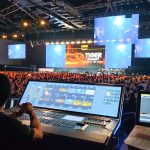
While technically part of front-of-house rather than backline, mixing consoles and engineers were inseparable from live gigs in 2025. Bands relied on skilled engineers to balance sound, manage feedback, and adapt to venue acoustics.
- Digital consoles: Models like Yamaha CL5 and Allen & Heath dLive dominated.
- Sound checks: Proper rehearsals ensured smooth transitions during the show.
- Communication: Engineers worked closely with bands to deliver the desired sound.
The takeaway: even the best backline cannot shine without a skilled sound engineer. Event planners must budget for both equipment and expertise.
Beyond the Gear: Logistics and Communication

A backline is not just about equipment—it is about coordination. In 2025, successful gigs depended on clear communication between bands, planners, and technicians. Riders (equipment request lists) became standard practice, ensuring everyone knew what was needed.
- Advance planning: Confirming gear weeks before the event avoided last-minute surprises.
- Load-in and setup: Efficient scheduling allowed smooth transitions between acts.
- Technical support: On-site technicians ensured quick fixes during performances.
For planners, the lesson was to treat backline management as a collaborative process. Gear alone cannot guarantee success; teamwork does.
Elevating Backline Standards
Looking back at 2025, the evolution of backline setups highlighted several key lessons:
- Customization matters: Bands have unique preferences, and honoring them ensures better performances.
- Quality saves time: Investing in durable gear reduces breakdowns and delays.
- Technology enhances performance: Digital tools like IEMs and hybrid consoles improved consistency.
- Communication is critical: Clear riders and advance planning prevented chaos.
For DOREMi Events, these lessons reinforced the importance of treating backline as a strategic priority, not a checklist item.
All In All…
A backline is the unsung hero of live gigs. It is the infrastructure that allows musicians to shine, audiences to enjoy, and events to succeed. In 2025, the most memorable performances were not just about talent—they were about preparation, equipment, and collaboration. From guitars and drums to monitors and cables, every piece of the backline played a role in creating seamless experiences.
As we move forward, the challenge for event planners and production companies is to continue raising the bar. Backline setups must evolve with technology, adapt to diverse genres, and remain reliable under pressure. For DOREMi Events, the mission is clear: provide bands with the tools they need to deliver unforgettable performances, night after night.