Last-Minute Event Planning? Here’s How to Pull Off a Flawless Celebration
Event planning is often a marathon, not a sprint. Yet in reality, many organizations and individuals find themselves needing to plan a celebration at the eleventh hour — whether it’s a corporate gala, product launch, wedding, or community festival. While last-minute planning is stressful, it doesn’t have to mean chaos. With the right strategies, vendors, and equipment, you can still deliver a flawless event that impresses attendees and achieves its objectives.
This article explores practical steps, industry insights, and proven tactics to help you manage last-minute event planning successfully.
Key Takeaways
- Define Non-Negotiables: Instantly clarify the event’s core purpose and audience to prioritize your budget and resources effectively.
- Venue Flexibility: With top venues booking out months in advance, be prepared to leverage secondary spaces and vendor relationships to secure a location.
- Streamline Logistics: Create centralized communication channels (like WhatsApp groups) and assign a single point of contact to prevent costly miscommunications.
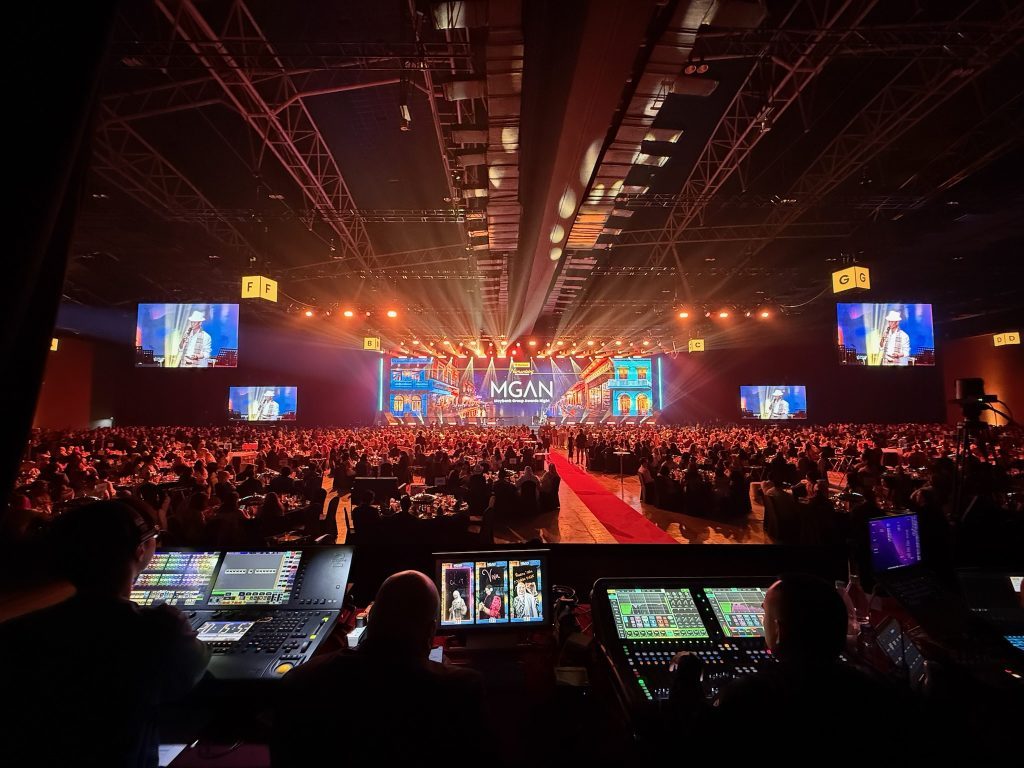
- Bundle AV Services: Hiring a single production partner for sound, lighting, LED screens, and staging reduces coordination time, prevents technical mismatches, and cuts transport costs.
Why Last-Minute Events Happen

- Corporate needs: Sudden product launches, shareholder meetings, or government announcements.
- Personal milestones: Engagements, birthdays, or weddings where dates shift unexpectedly.
- External factors: Venue cancellations, weather changes, or regulatory updates.
In Malaysia, event managers often face challenges such as traffic congestion in Kuala Lumpur, venue availability at hotspots like KLCC or MITEC, and high demand for AV equipment during peak festive seasons. Understanding these realities is the first step toward effective crisis management.
Step 1: Define Non-Negotiables
When time is short, clarity is everything. Ask:
- What is the event’s purpose? (Networking, celebration, product launch)
- Who is the audience? (Corporate clients, family, public)
- What is the must-have outcome? (Brand visibility, smooth logistics, memorable experience)
This helps prioritize resources. For example, a corporate town hall may require flawless sound system rental and LED screens for presentations, while a wedding may prioritize décor and lighting ambiance.
Step 2: Secure the Venue Quickly
Venues are often the biggest bottleneck. In Malaysia, popular venues like Zepp KL (for concerts), Sunway Resort (for corporate banquets), and MITEC (for exhibitions) book out months in advance. For last-minute planning:
- Be flexible with dates and times.
- Consider secondary venues such as hotel ballrooms or boutique event spaces.
- Leverage vendor relationships. Established event production companies often have priority access to venues.
Step 3: Lock Down Vendors and Equipment
AV Equipment Checklist
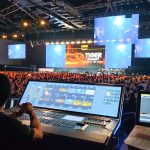
- Sound System Rental: Ensure clarity and coverage. For corporate events, line-array speakers are standard; for weddings, compact systems may suffice.
- LED Screen: Essential for presentations, branding, or live feeds. In Malaysia, rental companies provide modular LED panels that can be scaled to fit stage size.
- Lighting: Intelligent moving heads, wash lights, and uplighting create atmosphere. For gala dinners, warm tones are preferred; for concerts, dynamic effects are key.
- Staging: Modular staging systems allow quick setup. Safety compliance is critical, especially for heavy LED walls or live performances.
Tip: Always request a technical rider from vendors. This ensures compatibility between AV equipment and venue infrastructure.
Step 4: Streamline Logistics
- Transportation: Factor in Kuala Lumpur traffic. Buffer time for vendor deliveries.
- Crew Management: Hire experienced stagehands and technicians who can adapt quickly.
- Permits: For public events, liaise with DBKL (Kuala Lumpur City Hall) for approvals.
Step 5: Communication & Coordination
- Create a WhatsApp group for all stakeholders (venue, vendors, crew).
- Use project management tools like Trello or Asana for task tracking.
- Assign a single point of contact to avoid miscommunication.
Do’s and Don’ts of Last-Minute Event Planning
Do:
- Prioritize essentials: venue, AV equipment, catering.
- Work with established event production companies.
- Have backup vendors on speed dial.
- Conduct a technical rehearsal, even if brief.
Don’t:
- Overcomplicate décor — focus on impactful but simple designs.
- Assume venue AV equipment is sufficient; always verify specs.
- Neglect contingency planning (power backup, spare microphones).
- Forget guest experience — signage, parking, and accessibility matter.
Case Studies & Industry Insights
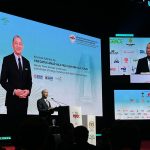
- Corporate AGM in Kuala Lumpur (2023): A listed company had to relocate its AGM from KLCC to a hotel ballroom within 48 hours due to venue issues. Success was achieved by leveraging modular LED screens and portable sound systems, ensuring seamless presentations.
- Global Trend – Hybrid Events: According to EventMB’s 2024 report, 73% of corporate events now include hybrid elements. Last-minute planners should consider live-streaming options, especially in Malaysia where internet infrastructure is strong in urban venues.
- Concerts at Zepp KL: Event organizers often rely on pre-installed sound systems but supplement with additional LED walls for branding. This shows the importance of vendor flexibility.
Equipment Explained: Why It Matters
| Equipment | Role in Event Production | Last-Minute Advantage |
|---|---|---|
| Sound System Rental | Ensures speeches, music, and announcements are clear. | Portable systems can be deployed quickly. |
| LED Screen | Displays visuals, branding, live feeds. | Modular panels allow flexible sizing. |
| Lighting | Sets mood, highlights stage. | Pre-programmed lighting rigs save setup time. |
| Staging | Provides safe platform for performances. | Modular staging is fast to assemble. |
Practical Checklist for Last-Minute Events
- Confirm event purpose and audience.
- Book venue immediately.
- Secure AV equipment (sound, LED, lighting, staging).
- Arrange catering with simple menus.
- Coordinate logistics (transport, crew, permits).
- Communicate via group chat/project tool.
- Conduct technical rehearsal.
- Prepare contingency plans.
Risk Management
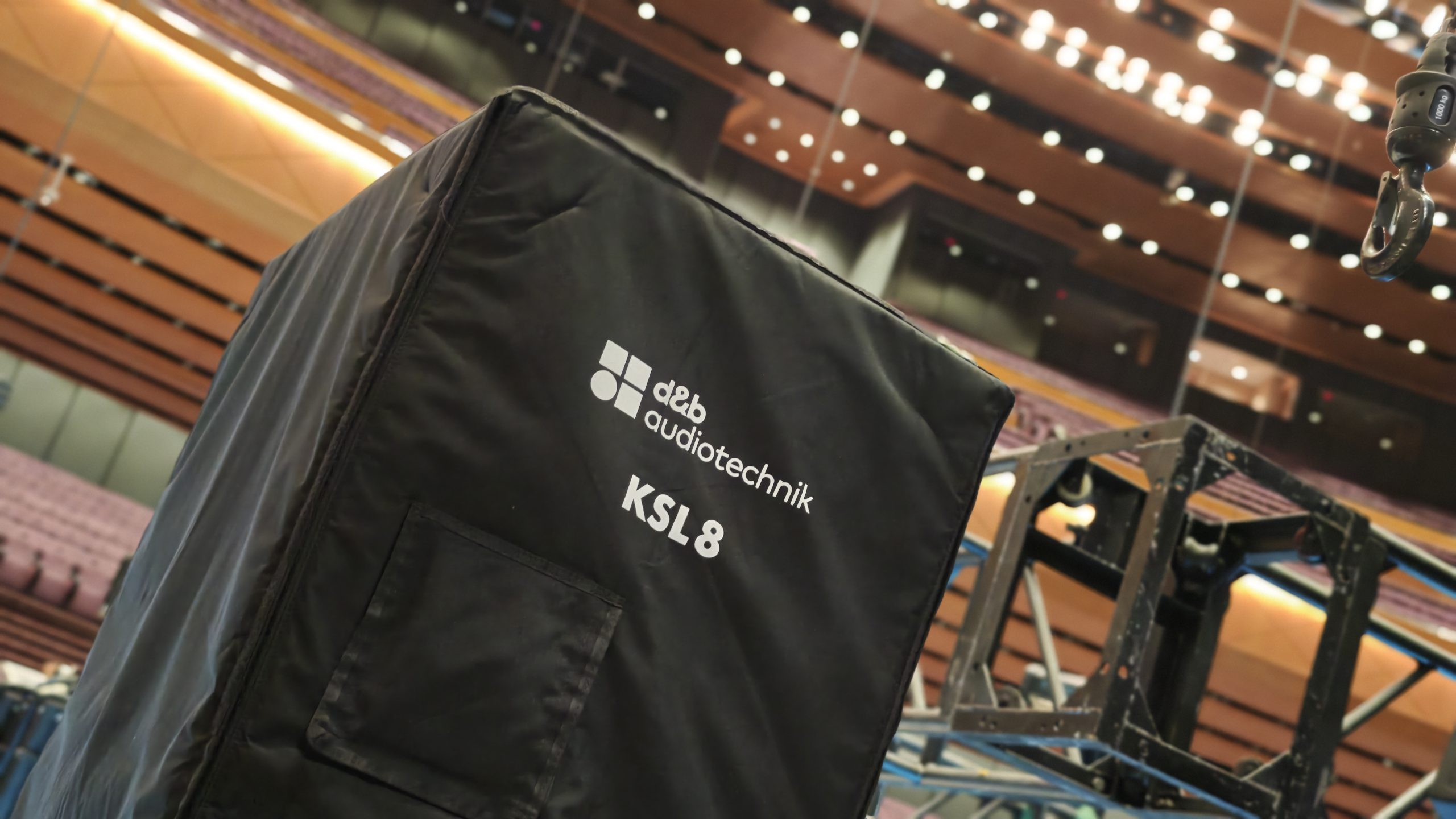
Even with last-minute planning, risks can be mitigated:
- Technical failures: Always have spare microphones and backup power.
- Vendor cancellations: Maintain a list of secondary suppliers.
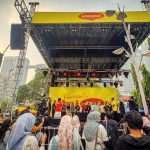
- Weather disruptions: For outdoor events, secure tent rentals or indoor backup venues.
Last-minute event planning is not ideal, but it is increasingly common in today’s fast-paced corporate and social landscape. By focusing on essentials — venue, AV equipment, logistics, and communication — and working with experienced event production partners, you can still deliver a flawless celebration.
In Malaysia’s competitive event industry, where venues like KLCC and MITEC host world-class gatherings, the ability to adapt quickly is a hallmark of professional event management. Whether it’s a corporate launch or a private celebration, resourcefulness and industry know-how will ensure success.
Budget Control Under Pressure: How to Stay Financially Smart
One of the biggest challenges in last-minute event planning is budget control. When timelines shrink, costs can escalate quickly due to urgent bookings, peak-demand surcharges, and limited vendor options. However, with the right approach, you can still manage expenses strategically without compromising quality.
Prioritize Value Over Variety
When time is short, avoid spreading your budget across too many elements. Focus on high-impact essentials:
- Professional sound system rental for clarity and credibility
- A well-sized LED screen for branding and visibility
- Strategic lighting to elevate atmosphere
For example, instead of investing heavily in elaborate décor that requires long setup hours, allocate more resources toward clean staging, quality audio, and dynamic lighting. These elements immediately enhance guest perception and photographs — delivering stronger ROI.
Choose Scalable Solutions
Modular equipment is your best ally in urgent planning scenarios.
- LED panels can be scaled up or down depending on budget and venue size.
- Modular staging systems reduce labor time and setup costs.
- Portable sound systems eliminate the need for complex rigging in smaller venues.
This flexibility allows you to adjust according to budget constraints without redesigning the entire event concept.
Bundle Services with One Production Partner
Working with a single event production company for sound, lighting, LED screens, and staging often reduces overall costs compared to hiring multiple vendors separately. Bundled services:
- Minimize transport charges
- Reduce crew duplication
- Improve coordination
- Prevent technical compatibility issues
When everything is managed under one technical team, you also reduce the risk of last-minute misunderstandings — which can be far more costly than equipment itself.
Be Transparent About Your Budget
Clear communication with vendors about budget limitations allows them to recommend realistic solutions. Experienced production teams can propose creative alternatives — such as simplified stage designs, pre-programmed lighting setups, or compact speaker configurations — that still deliver professional results.
Watch for Hidden Costs
In urgent situations, always clarify:
- Overtime charges for crew
- Delivery and dismantling fees
- Power supply requirements
- Permit-related costs
Understanding these details upfront prevents unpleasant surprises after the event.
The Bottom Line
Last-minute planning does not automatically mean overspending. With smart prioritization, scalable equipment, and strong vendor partnerships, you can control costs while maintaining production quality.
In fast-moving environments like Kuala Lumpur — where venue demand fluctuates and peak seasons can strain resources — financial discipline is just as important as logistical efficiency. A well-managed budget ensures your event doesn’t just look flawless, but remains sustainable and strategically sound.