Why Sound Clarity Matters: Avoiding Common Audio Issues at Live Events
Delivering Crisp, Powerful, and Reliable Audio
September 2025 has been a high-energy month for live events across Malaysia. As companies accelerate toward Q4 campaigns, educational institutions launch new terms, and brands prepare for year-end showcases, event calendars fill up quickly. From corporate town halls in Kuala Lumpur to appreciation nights, product launches, and live band performances, one element consistently determines whether an event feels polished or problematic: Sound clarity.
At DOREMi Events, September reinforced a principle we stand by in every production: if your audience cannot hear clearly, they cannot connect. It does not matter how beautiful the stage design is or how impressive the LED visuals look. Poor audio undermines authority, disrupts flow, and diminishes the overall experience.
Throughout this month, we supported conferences, gala dinners, seminars, and entertainment-driven events. Across all formats, the same audio challenges surfaced — echoing ballrooms, microphone feedback, uneven speaker coverage, and rushed setups. Avoiding these issues requires not just equipment, but expertise, planning, and disciplined execution. Let’s explore why sound clarity matters, the common audio issues we encounter at live events, and how proper production planning prevents them.
Key Takeaways
- Volume ≠ Clarity: Simply turning up the volume often makes audio worse. Clarity relies on proper EQ, microphone selection, and strategic speaker placement.
- Acoustics Dictate Setup: High-ceiling hotel ballrooms in KL are notorious for echoes. Distributed speaker configurations (using delay speakers) are required to ensure even sound coverage.
- Feedback is Preventable: Squealing microphone feedback is usually caused by poor positioning or uncalibrated frequencies. Never place speakers directly behind presenters.
- Rehearsals Save Shows: Allocating even 30 minutes for a technical sound check prevents botched handovers, volume spikes, and missed cues.
The Hidden Cost of Poor Audio
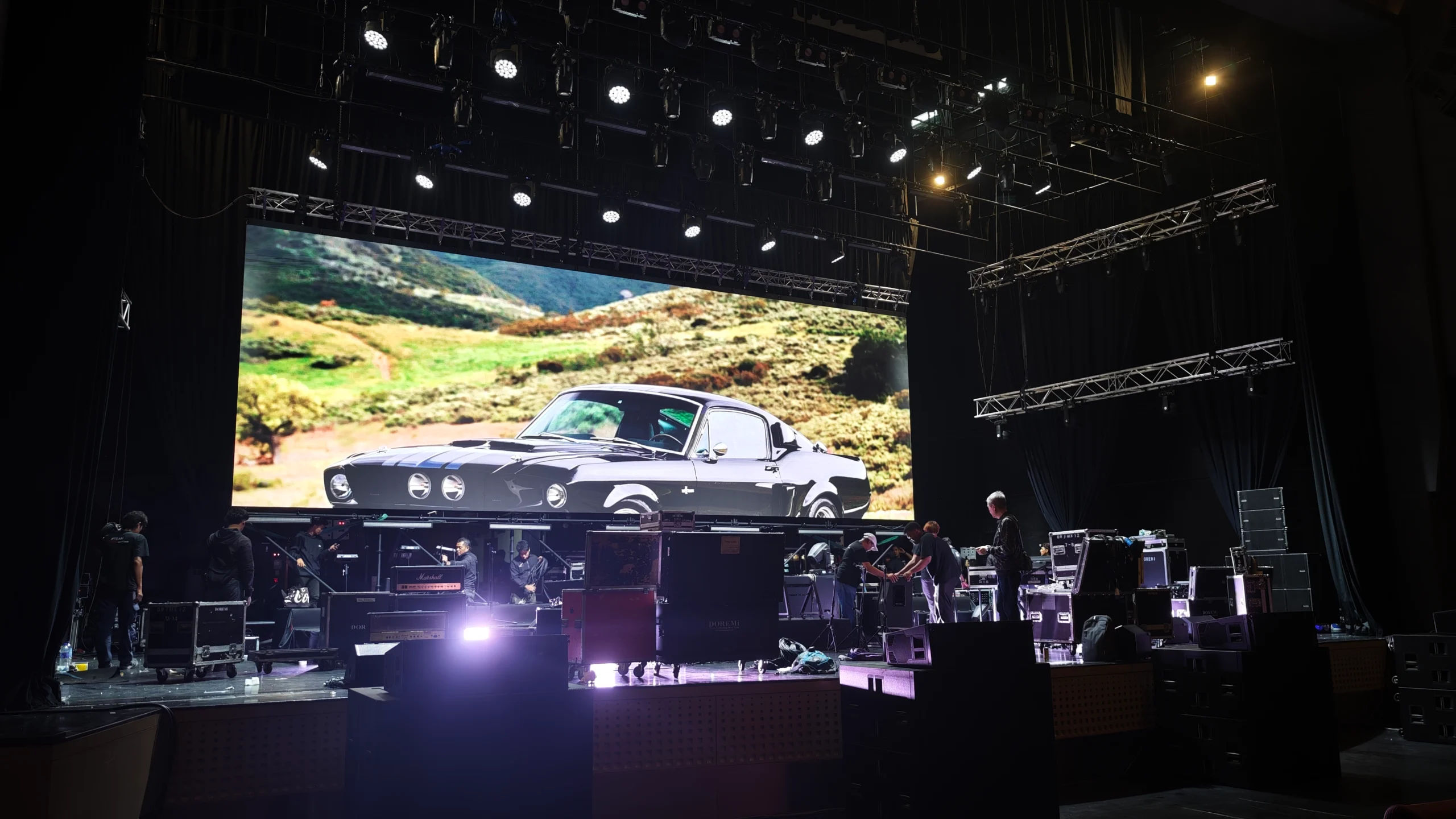
Sound problems rarely announce themselves in advance. They appear mid-speech, mid-song, or mid-presentation — and once they happen, recovery can feel awkward.
When audio clarity fails, the impact is immediate:
- Guests begin side conversations.
- Speakers lose confidence.
- Performers struggle with pitch.
- Important messages get misunderstood.
- The event feels less professional.
In corporate environments, clarity equals credibility. In entertainment settings, clarity equals emotional impact. In formal dinners, clarity equals elegance and control.
Understanding Sound Clarity Beyond Volume
One of the most common misconceptions we hear is, “Can you just increase the volume?”
Volume is not clarity. Clear audio depends on several technical factors:
- Correct microphone selection
- Strategic speaker placement
- Proper equalisation (EQ)
- Balanced frequency distribution
- Controlled feedback suppression
- Real-time monitoring
During September 2025, many events were hosted in hotel ballrooms around Kuala Lumpur. These venues often have high ceilings, reflective walls, and polished floors. Without proper sound calibration, voices can bounce around the room, creating echoes or muddiness.
Our first step in every setup is assessing the venue acoustics. Before unloading equipment, we evaluate room dimensions, seating arrangements, stage placement, and expected audience size. This ensures that sound distribution is even — not concentrated only at the front.
Common Audio Issues at Live Events — and How to Avoid Them
1. Microphone Feedback
That high-pitched squeal that suddenly cuts through a speech? That is feedback. Feedback occurs when a microphone picks up sound from a speaker and re-amplifies it in a loop. It is often caused by improper microphone positioning or incorrect EQ settings.
In September, we encountered venues where in-house systems were already installed but poorly tuned. Instead of relying solely on existing setups, we recalibrated microphone frequencies and adjusted speaker angles to eliminate feedback risk.
Prevention tip: Never position speakers directly behind presenters. Always conduct a live microphone test before doors open.
2. Uneven Sound Coverage
In larger halls, guests seated at the back sometimes struggle to hear, while front rows feel overwhelmed. This happens when sound systems are underpowered or improperly distributed.
For conferences this month, we implemented distributed speaker configurations — using additional delay speakers placed further back in the hall. This ensures that sound reaches every section evenly without increasing overall volume excessively.
Prevention tip: Choose scalable sound systems that match the venue size. A small portable speaker system may suffice for intimate gatherings but not for 500-person forums.
3. Muffled or Unclear Speech
Speech intelligibility is crucial for seminars and corporate events. Muffled audio often results from:
- Incorrect microphone type
- Poor EQ adjustments
- Excessive low-frequency amplification
For speech-heavy events in September, we prioritised high-quality wireless handheld microphones and lapel microphones depending on presenter movement. Each microphone was tuned to emphasise mid-range frequencies where speech clarity lives.
Prevention tip: Match the microphone type to the presenter’s style. Active speakers who move frequently benefit from lapel mics; panel discussions often require handheld units for better control.
4. Poor Monitoring for Performers
Live bands require stage monitors to hear themselves clearly. Without proper monitoring, singers may go off-key and musicians may struggle with timing.
During September’s appreciation nights and live entertainment setups, we ensured dedicated monitor mixes for performers. This is separate from what the audience hears at front-of-house.
Prevention tip: Never skip sound check. Allocate time for performers to test vocals, instruments, and monitor levels.
5. Inadequate Power Supply
Sound systems require stable power distribution. Overloaded circuits can cause sudden cut-offs or noise interference. We always assess venue power capacity before installation. For larger productions, dedicated power lines or generators are considered to ensure stability.
Prevention tip: Confirm electrical load limits with venue management before event day.
Corporate Events in September: Clarity Builds Authority
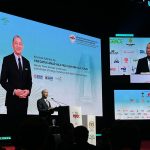
September is traditionally strong for corporate gatherings in Malaysia. With Q4 planning in focus, many organisations hosted town halls, leadership meetings, and strategy conferences. For these events, clarity was non-negotiable.
We deployed:
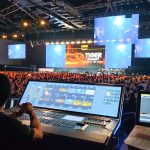
- Digital mixing consoles for precise voice control
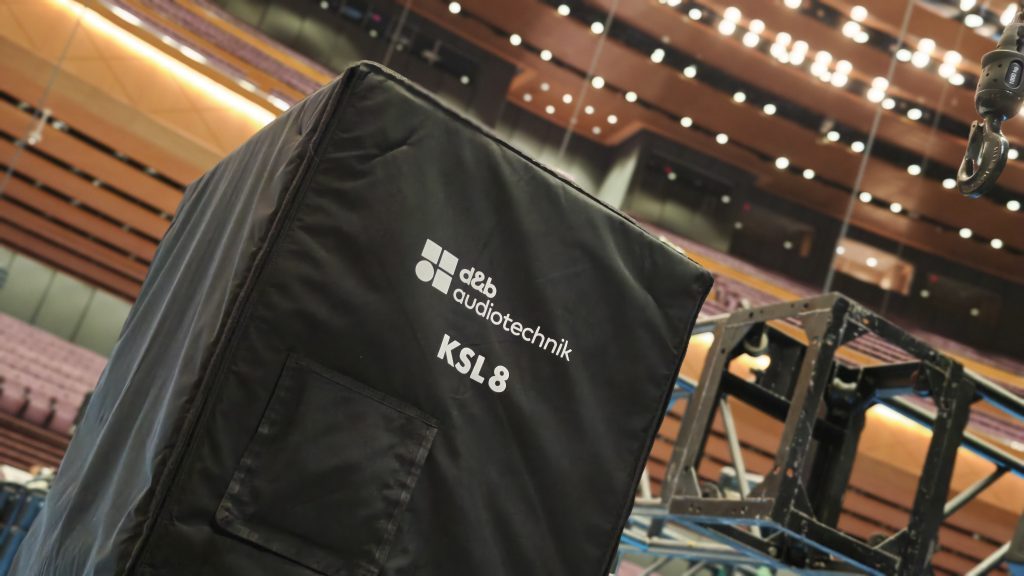
- Line-array speaker systems for wide coverage
- Backup wireless microphones
- Recording-ready audio feeds
In some cases, events required content recording for internal distribution. Clean audio capture ensured that playback videos remained professional and usable for future training or communications. Clear sound supports not only the live audience but also long-term brand messaging.
Gala Dinners & Awards Nights: Controlled Elegance
Not all events require powerful bass or high-energy sound. In September’s corporate dinners and awards ceremonies, subtlety was key. Background music needed warmth without overpowering conversations. Emcee announcements required presence but not aggression.
We adjusted sound profiles accordingly — lowering bass levels, enhancing vocal clarity, and ensuring seamless transitions between music and speech segments. The goal in these settings is balance. Guests should feel immersed, not interrupted.
Live Music & Entertainment: Power with Precision
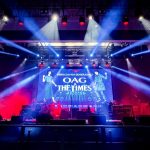
September also featured events where live bands and DJs brought energy to the stage. In entertainment-focused productions, clarity and power must coexist. Deep bass is exciting — but uncontrolled bass creates muddiness. Strong vocals are essential — but not if they distort at high levels.
For these setups, we implemented:
- Subwoofers placed strategically for controlled low-frequency impact
- Dedicated front-of-house engineers managing live mixes
- Stage monitors for performers
- Real-time adjustments during performance
Live sound engineering is dynamic. Audience absorption changes acoustics once a hall fills up. Our technicians continuously monitor and adjust levels as needed.
The Importance of Technical Rehearsals
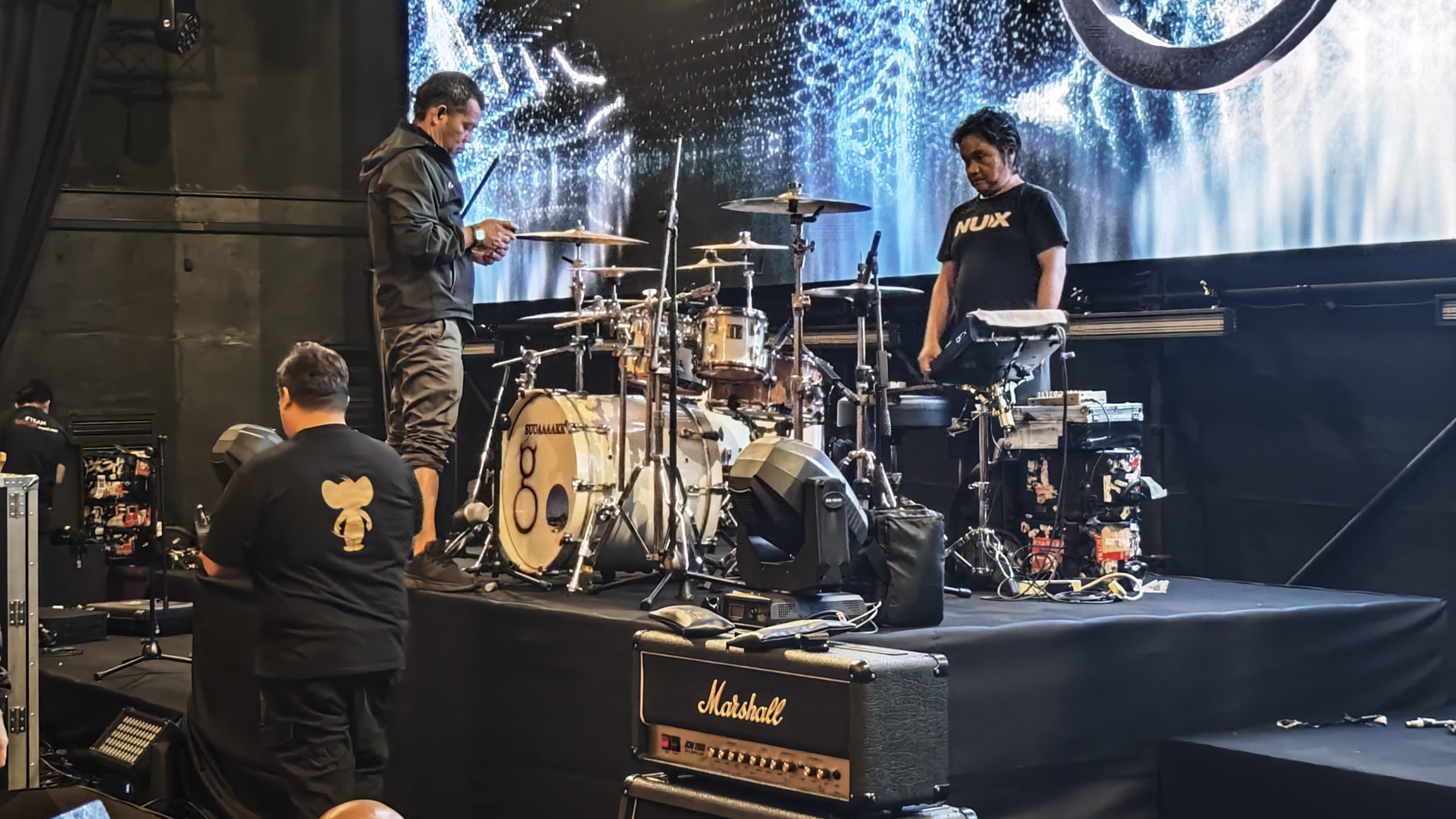
One recurring observation in September: events that allocate rehearsal time experience fewer technical issues. Even a brief 30-minute run-through can prevent:
- Incorrect microphone handovers
- Presentation audio mismatches
- Sudden volume spikes
- Miscommunication between stage crew and speakers
We strongly encourage event planners to include rehearsal windows in their schedules — especially for multi-speaker programs.
Hybrid & Recording Considerations
Hybrid flexibility remains a growing trend. Even when events are primarily physical, many organisers request recording capability. Clear audio feeds are essential for:
- Livestream platforms
- Social media highlights
- Internal corporate archives
We configure mixing consoles to provide clean outputs separate from house speakers. This prevents room echo from contaminating recordings.
Practical Recommendations for Event Planners
If you are planning an event in the coming months, here are practical steps to ensure audio clarity:
- Start early discussions about sound requirements.
- Conduct a venue site inspection.
- Confirm audience size and program flow.
- Ensure backup microphones are available.
- Allocate rehearsal time.
- Verify power supply capacity.
- Work with experienced sound engineers, not just equipment suppliers.
Sound should be part of your core planning checklist — not an afterthought.
In Short: Clarity Defines Experience
As September 2025 concludes, one truth stands clear: sound clarity defines how an event is remembered.
- Clear audio supports confident speakers.
- Balanced music energises audiences.
- Stable systems protect brand reputation.
In Malaysia’s fast-moving event landscape — especially in Kuala Lumpur’s competitive corporate scene — production standards continue to rise. Audiences expect professionalism.
At DOREMi Events, our commitment remains consistent: delivering sound that is heard clearly, understood fully, and felt meaningfully. Because when every word reaches the last seat in the room — and every note resonates without distortion — your event moves from functional to exceptional.