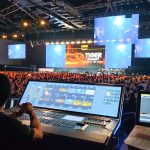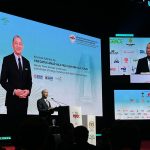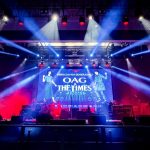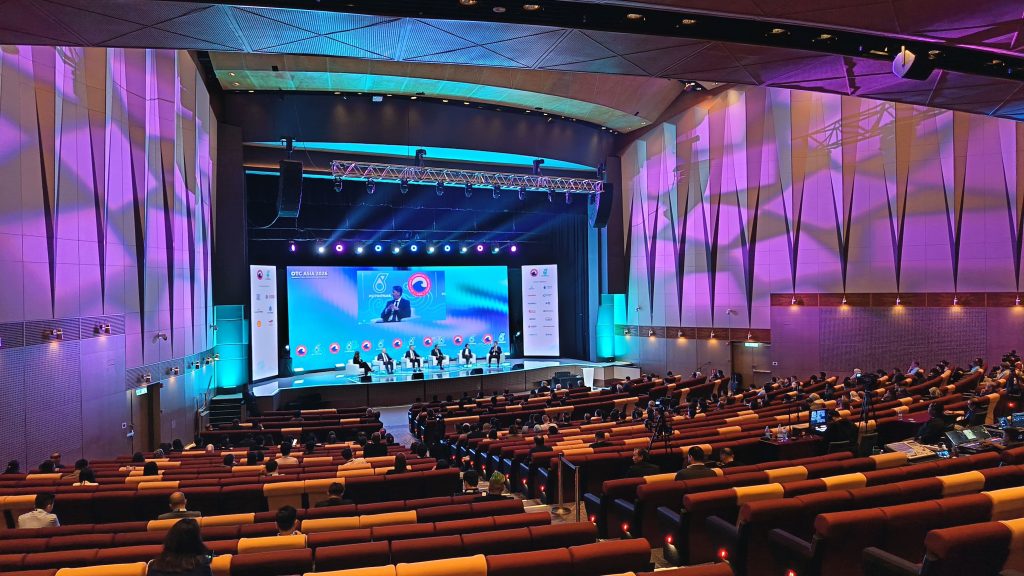
Today’s live events are far more complex than the traditional setup of a mixer, a few speakers, and several XLR cables. Whether it is a corporate conference, product launch, concert, exhibition, hybrid seminar, awards night, or large-scale festival, modern productions now rely on fully connected audio ecosystems where microphones, digital mixing consoles, wireless systems, DSP processors, streaming platforms, recording systems, and playback devices must all work together smoothly in real time.
At the same time, many venues and event production teams are still operating with a combination of older analog equipment and newer digital technologies. A wired microphone from years ago may now need to connect into a fully digital audio network supporting livestreams, multiple rooms, simultaneous recordings, and remote monitoring. This creates a major challenge for modern event production: how do you combine analog audio gear with advanced digital signal chains while maintaining clear sound quality, low latency, stable synchronisation, and smooth system control throughout the event?
Understanding Analog Audio in Modern Events
Analog audio refers to continuous electrical signals that represent sound waves naturally. Traditional microphones, analog mixers, outboard compressors, equalisers, amplifiers, and many musical instruments still rely on analog signal transmission. Despite the rise of digital systems, analog audio remains valuable because of its natural sound characteristics, low inherent latency, simplicity of operation, reliability in live conditions, compatibility with legacy equipment, and preferred tonal qualities in certain applications.
Many musicians and engineers still favour analog preamps, analog synthesisers, and analog outboard processing for their warmth and sonic texture. At live events, common analog sources include wired vocal microphones, instrument outputs, DI boxes, analog playback systems, stage instruments, legacy wireless systems, and analog intercom systems. However, modern productions increasingly rely on digital infrastructures for routing, processing, monitoring, recording, and remote management — creating the need for hybrid workflows.
The Rise of Digital Signal Chains
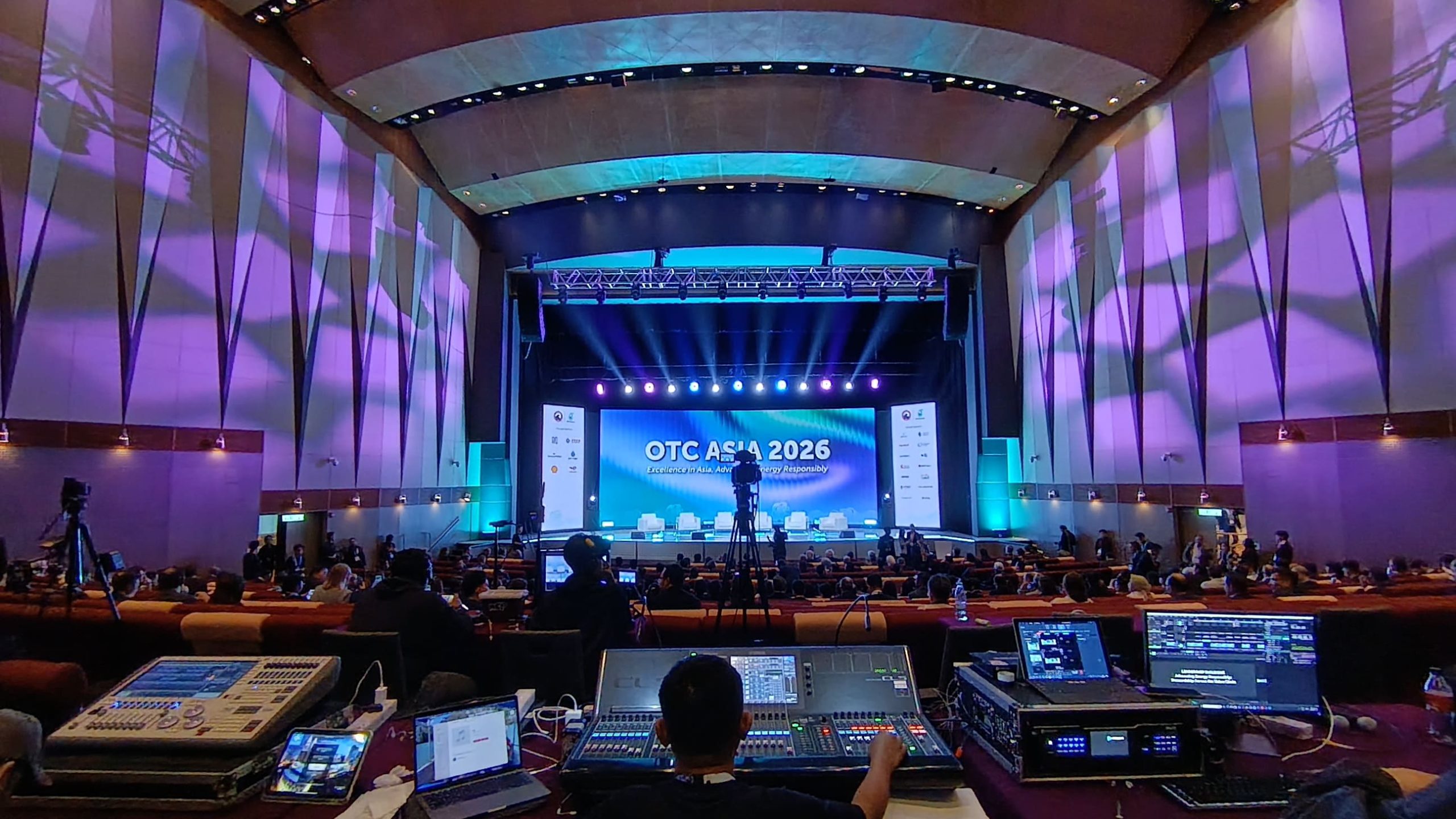
Digital signal chains convert analog sound into digital data for advanced manipulation, routing, processing, and transmission. Once converted, audio can be routed over long distances with minimal degradation, processed using DSP, integrated with video systems, streamed online, recorded multitrack, managed remotely, shared across multiple zones, and controlled through software interfaces.
Today’s digital ecosystems commonly include digital mixing consoles, DSP processors, Dante audio networking, AVB networking, AES67 interoperability, digital stage boxes, wireless control systems, matrix routing systems, integrated conferencing systems, and hybrid event streaming platforms. The modern event environment now expects flexibility that analog-only infrastructures cannot efficiently provide.
Why System Integration Matters
Poorly integrated systems can create serious issues during live events including ground loop hum, clock synchronisation problems, signal clipping, latency mismatches, phase cancellation, dropouts, gain staging inconsistencies, unstable routing, noise interference, and redundant conversion degradation. A properly integrated audio chain ensures four critical outcomes:
1. Signal Integrity
Maintaining clean audio from source to output is critical. Every unnecessary conversion between analog and digital increases the potential for degradation. Professional integration minimises conversion stages and optimises gain structure.
2. Scalability
Large events require scalable infrastructures. A conference may need main ballroom audio, breakout room feeds, simultaneous interpretation systems, recording outputs, livestream audio, media press feeds, and overflow room routing — all simultaneously. Integrated digital signal chains make these workflows manageable.
3. Operational Efficiency
Integrated systems allow engineers to monitor remotely, recall presets instantly, automate scenes, troubleshoot faster, and manage multiple zones centrally — reducing setup time and improving consistency across the event.
4. Redundancy and Reliability
Professional productions require backup pathways. Integrated systems can include redundant network switches, backup DSP engines, parallel recording systems, and failover audio paths especially critical during government events, corporate launches, broadcast productions, stadium shows, and international conferences.
The Core Components of Hybrid Audio Integration
Analog-to-Digital Conversion (ADC)
The first step in bridging analog audio into digital ecosystems is ADC converting continuous analog waveforms into digital data using sampling rate, bit depth, and clock synchronisation. High-quality ADC is crucial because poor conversion affects dynamic range, frequency response, noise floor, and clarity. Professional live productions often operate at 48kHz or 96kHz at 24-bit resolution, depending on system requirements and interoperability.
Digital-to-Analog Conversion (DAC)
After processing, signals often need conversion back to analog for power amplifiers, analog speaker processors, broadcast outputs, and recording systems. Maintaining consistency between ADC and DAC stages is essential for sonic accuracy throughout the signal chain.
Audio Networking Protocols
One of the biggest revolutions in live production is audio-over-IP networking. Instead of running hundreds of copper cables, digital audio now travels over Ethernet infrastructure:
| Protocol | Key Features | Common Use |
|---|---|---|
| Dante | Low latency, flexible routing, reduced cabling, scalable deployment, remote management | Convention centres, hybrid conferences, broadcast facilities, touring productions |
| AVB | Synchronised audio/video transport with guaranteed bandwidth and timing accuracy | Installed AV systems, enterprise conferencing, automotive audio |
| AES67 | Improves interoperability between different audio networking platforms from multiple manufacturers | Multi-brand productions, broadcast integrations, large hybrid events |
DSP: The Brain Behind Modern Audio Systems
Digital Signal Processing (DSP) handles equalisation, dynamics, feedback suppression, delay management, crossovers, loudspeaker optimisation, and acoustic correction. Without DSP integration, large-scale events would struggle with inconsistent coverage, feedback issues, room reflections, and delay alignment problems. Modern DSP platforms also allow centralised control across multiple zones.
The Hidden Challenges of Hybrid Audio Systems
Latency: The Hidden Challenge
Every conversion and processing stage introduces delay. Excessive latency can cause lip-sync issues, monitor timing problems, performer discomfort, echo perception, and phase inconsistencies. Professional system designers carefully calculate DSP latency, network latency, console processing delay, wireless transmission delay, and video synchronisation especially critical during concerts, live broadcasts, hybrid events, and real-time interpretation systems.
Gain Structure Still Matters
One common misconception is that digital systems eliminate traditional gain staging principles they do not. Improper gain structure remains one of the most common causes of distortion, noise, clipping, and weak signal levels. In hybrid systems, engineers must carefully manage microphone preamp gain, ADC headroom, DSP input levels, network transmission levels, and DAC output stages to ensure optimal signal-to-noise ratio throughout the chain.
Synchronisation and Word Clocking
Digital audio systems require accurate clock synchronisation. Without stable clocking, clicks, pops, drift, and data errors can occur. Professional systems designate a master clock source to maintain synchronisation across consoles, DSP processors, stage boxes, recording systems, and broadcast interfaces increasingly important in multi-console or broadcast-integrated productions.
Hybrid Events Demand Advanced Integration
Hybrid events have transformed AV requirements dramatically. Today’s productions often need simultaneous outputs for in-room audiences, livestream viewers, recording archives, interpretation channels, virtual participants, and media distribution each requiring different processing. For example: livestream audio often needs separate mixing from FOH, remote participants require echo cancellation, broadcast feeds need loudness compliance, and recording systems require isolated tracks. Integrated digital ecosystems make these workflows possible without excessive hardware duplication.
Real-World Event Applications
Corporate Conferences
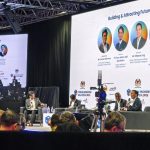
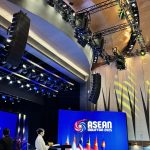
Corporate productions increasingly rely on integrated systems for wireless presentation audio, video conferencing platforms, translation systems, streaming outputs, and recording feeds. At large conventions and summits, centralised routing improves operational control significantly.
Music Festivals
Live festivals combine analog instruments, digital monitor consoles, networked stage racks, broadcast split systems, RF coordination, and playback rigs. System integration ensures stable communication between all departments, with precise synchronisation across FOH, monitor world, broadcast trucks, lighting timecode, and playback systems.
Exhibitions and Trade Shows
Events like expos and exhibitions often require multiple independent zones, distributed audio, paging systems, presentation stages, and interactive booths — where integrated digital audio infrastructures simplify routing and scalability. Projects such as the SEMICON Southeast Asia and DSA Exhibition and Conference at MITEC involved large-scale technical coordination where reliable AV infrastructure and integrated production workflows are critical to supporting multiple simultaneous presentations, exhibitions, and audience engagement zones.
Concerts and Public Events
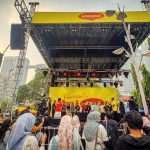
Large outdoor productions demand robust integration between analog stage inputs, digital networking, RF systems, delay towers, broadcast systems, and playback synchronisation. Events such as the Carlsberg Music Festival and the Music Run demonstrate how modern event environments rely heavily on synchronised production ecosystems involving audio, lighting, staging, and live audience coordination.
Common Integration Mistakes
- Poor cable management — Analog cabling remains vulnerable to electromagnetic interference, signal loss, and ground loops. Proper shielding and cable routing remain essential even in digital-heavy productions.
- Ignoring network design — Audio networking is not simply “plug and play.” Professional deployments require managed switches, VLAN configuration, QoS prioritisation, redundant topology, and traffic management.
- Over-converting signals — Every unnecessary conversion introduces potential degradation. Efficient workflows minimise analog-to-digital conversions, digital-to-analog conversions, and sample rate changes.
- Incompatible protocols — Not all systems communicate seamlessly. Careful interoperability planning prevents routing failures, clock mismatches, and latency issues between equipment from different manufacturers.
The Future of Audio Integration
The next phase of live event audio will involve even deeper convergence between AI-assisted DSP, cloud-based control, remote mixing, immersive spatial audio, real-time analytics, and virtual production systems. Emerging technologies are reshaping how event infrastructures are designed:
Milan AV Networking
Object-Based Audio
Intelligent Acoustic Optimisation
Software-Defined DSP
AI-Assisted Mixing
Cloud-Based Remote Control
As venues modernise and hybrid experiences become standard, integrated audio ecosystems will continue to evolve rapidly.
One Signal Chain, One Seamless Experience
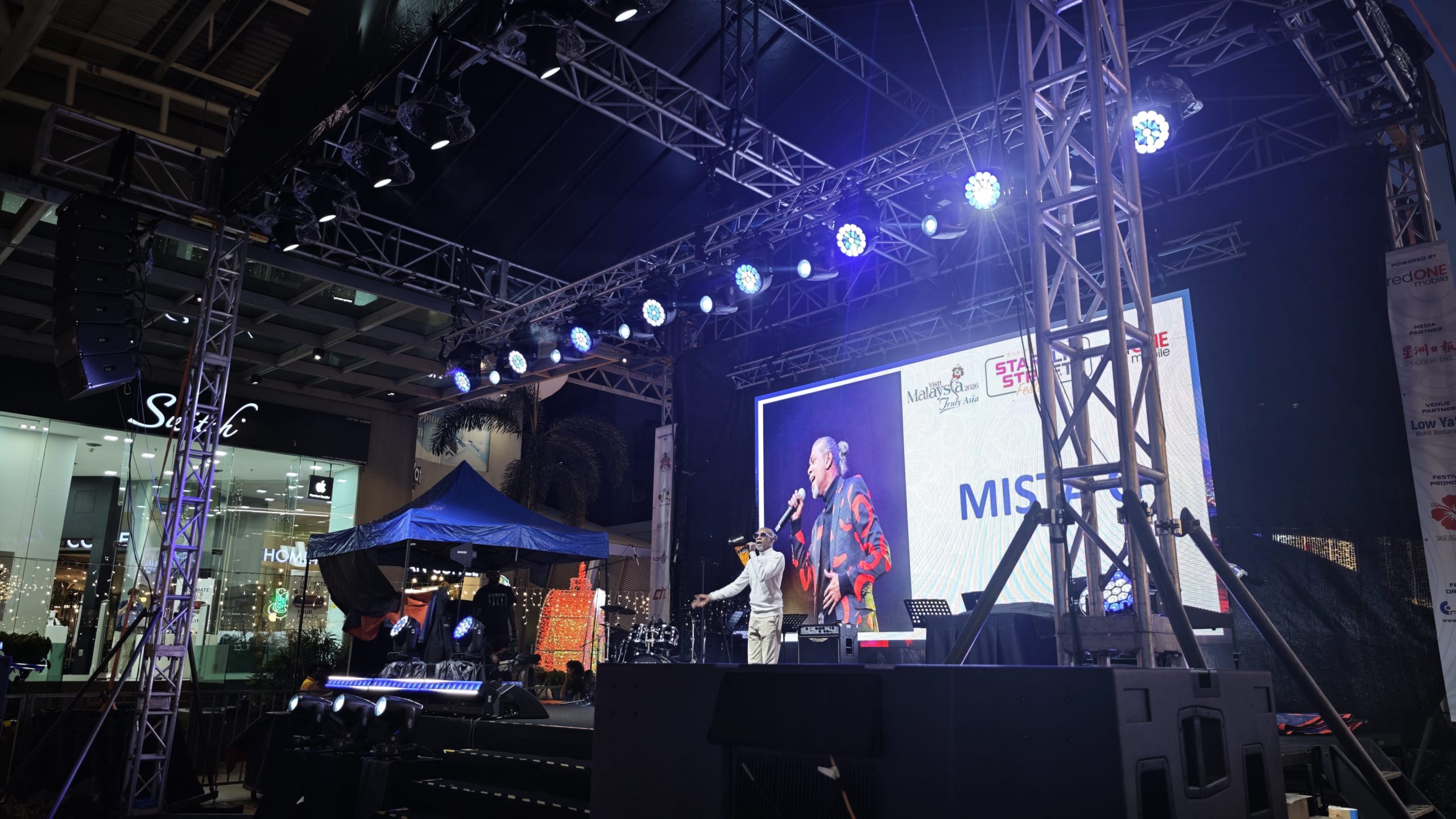
Modern event production no longer operates within isolated analog or digital environments. Today’s live experiences depend on carefully integrated hybrid ecosystems where analog audio sources and digital signal chains work together seamlessly. From microphones and instruments to DSP processors, audio networks, streaming platforms, and immersive playback systems, every component must communicate reliably under high-pressure live conditions.
For event organisers, production companies, and venue operators, investing in proper system integration is ultimately an investment in audience experience, operational reliability, and production excellence. Whether supporting major exhibitions, concerts, hybrid conferences, or large-scale public activations, integrated audio infrastructures are shaping the future of live events.
For professionally managed AV integration, live event production, staging, lighting, and technical solutions across Malaysia’s event industry, DOREMi Events continues to support productions that demand scalable, reliable, and modern event technology solutions.
Need Professional AV System Integration for Your Event?
Our engineers design fully integrated analog-digital signal chains from Dante audio networking and DSP configuration to multi-zone routing, hybrid streaming, and broadcast-ready audio infrastructure.