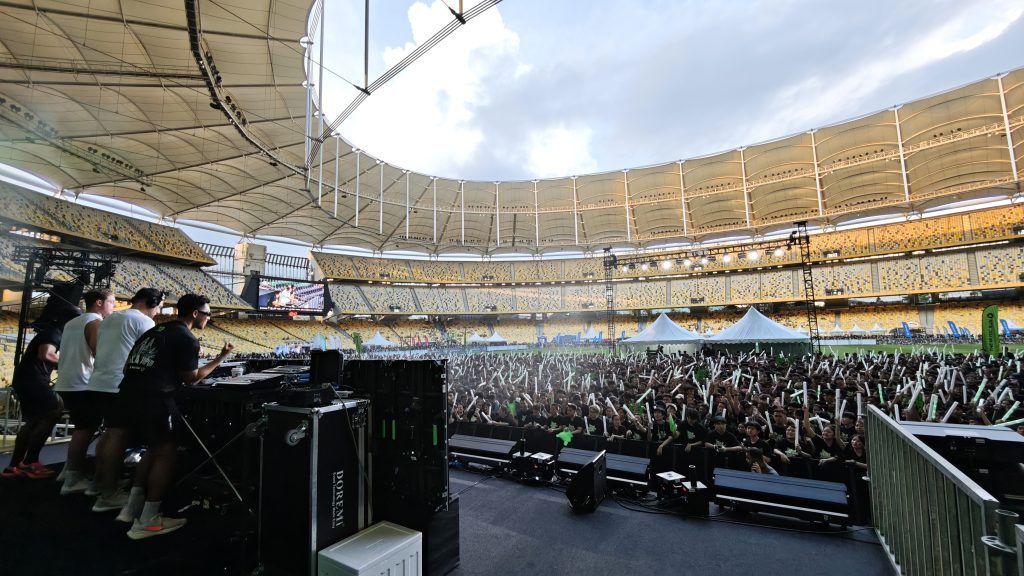
Step outside in Malaysia on a typical afternoon, and you’ll probably do the same thing as everyone else look for shade, switch on the air-conditioning, or complain about how hot it feels.
Now imagine being a high-powered LED wall, an amplifier rack, or a media server running continuously for 10 hours under that same heat. Unlike people, event equipment can’t take a break, grab a cold drink, or move indoors. Yet during concerts, exhibitions, festivals, and corporate events, AV systems are expected to operate flawlessly despite Malaysia’s intense heat and humidity.
What many event attendees don’t realise is that some of the biggest threats to a successful event aren’t visible on stage. They’re happening inside equipment racks, LED panels, amplifiers, and processors where temperatures can rise rapidly if heat isn’t properly managed.
Why Thermal Management Matters in Live Events
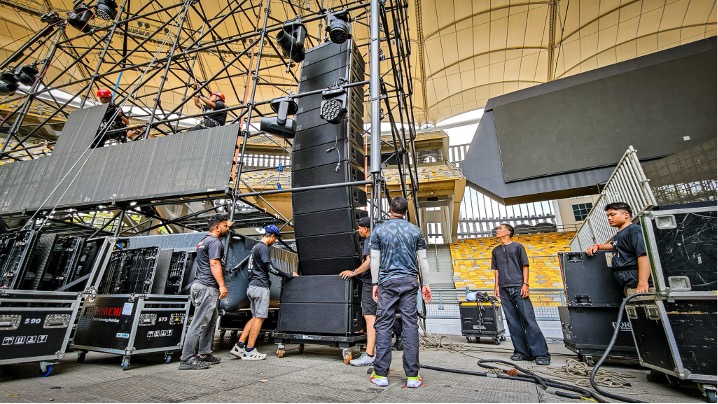
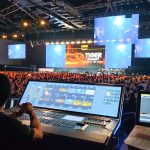
Modern live events depend heavily on high-performance technology LED video walls, digital sound systems and amplifiers, lighting consoles and moving head fixtures, media servers and playback systems, switchers, processors and networking racks, and power distribution units (PDUs). All of these systems generate heat, sometimes a significant amount of it.
Now combine that with Malaysia’s average daytime temperatures (often 30°C and above), high humidity levels, outdoor enclosures with limited airflow, packed staging setups, and long operating hours. You get the perfect environment for overheating risks.
Without proper cooling strategies, equipment can suffer from thermal shutdowns during live shows, reduced performance and signal instability, shortened equipment lifespan, permanent hardware damage, and system crashes in critical moments. In live production, there is no “pause button.” Everything must run continuously, often for hours at a time. That is why thermal management is not optional it is a core part of professional event engineering.
Understanding Heat Generation in AV Systems
Every piece of high-power AV equipment generates heat as a by-product of operation.
LED Walls and Video Processors
Large LED displays are among the biggest heat contributors in modern events heat sources include LED modules, receiving cards, power supplies, and video processors. As pixel density increases (especially with high-resolution 4K and 8K displays), power consumption and heat output increase as well. Outdoor LED walls are particularly vulnerable because they are often exposed to direct sunlight, adding external heat load on top of internal heat generation.
Audio Systems and Amplifiers
Professional sound systems, especially Class D amplifiers, are more efficient than older technologies but still generate heat under load. During concerts or festivals, subwoofers operate at high power levels, line arrays run continuously for hours, and amplifier racks are pushed near maximum output, creating sustained thermal stress on equipment racks.
Lighting Systems
Modern stage lighting uses moving head fixtures, beam lights, wash lights, strobes, and LED effects. Even though LED lighting is more efficient than traditional halogen systems, fixtures still generate heat especially in tightly packed truss setups.
Control and Networking Equipment
Media servers, switchers, and control consoles may seem low-power compared to lighting or audio systems, but they are extremely sensitive to heat. Even a small temperature spike can cause signal lag, system crashes, data corruption, and frame drops in video playback. In live production, even a few seconds of failure can disrupt an entire show.
Why Malaysia’s Climate Makes Cooling More Challenging
| Challenge | Why It Affects Equipment |
|---|---|
| High Ambient Temperature | Most outdoor events operate in environments exceeding 30°C — when equipment already generates heat internally, surrounding air does little to cool it effectively |
| High Humidity | Reduces heat dissipation efficiency and increases the risk of condensation inside equipment, electrical instability, and corrosion over time |
| Enclosed Technical Racks | Road cases, rack enclosures, stage wings, and control booths often have limited ventilation, trapping heat inside |
| Outdoor Exposure | Direct sunlight can significantly increase surface temperatures of LED walls, stage roofs, and control tents — adding external heat load on top of operational heat |
What Happens When AV Equipment Overheats
Overheating is not just a technical issue — it is an event risk.
- System Throttling — Some devices automatically reduce performance when temperatures rise too high, resulting in lower brightness on LED screens, reduced audio output, or delayed video processing.
- Sudden Shutdowns — Many professional devices include thermal protection systems that shut down equipment to prevent damage, which in live events can lead to blackout screens, audio dropouts, or lighting failures.
- Signal Instability — Heat affects electronic components, leading to glitches in video playback, audio distortion, and network interruptions.
- Hardware Damage — Long-term overheating can permanently reduce equipment lifespan and reliability.
Key Strategies for Thermal Management in Events
Professional event production teams use multiple strategies to control temperature and maintain stability.
1. Active Cooling Systems
Active cooling uses powered systems such as high-speed ventilation fans, air conditioning units (ACU), industrial blowers, and rack-mounted cooling systems. These systems continuously circulate air to remove heat from equipment zones. For outdoor events, portable cooling units are often used in LED screen control areas, FOH (Front of House) audio zones, and technical control rooms.
2. Passive Cooling Design
Passive cooling relies on physical design rather than mechanical systems including proper airflow spacing between equipment, ventilated rack cases, heat-dissipating materials, and strategic equipment placement. Good passive design reduces reliance on powered cooling systems.
3. Equipment Spacing and Layout Planning
One of the most overlooked aspects of thermal management is physical layout. Proper spacing ensures airflow between devices, reduced heat accumulation, and easier maintenance access. Cramming equipment tightly into racks may save space but increases thermal risk significantly.
4. Environmental Shielding
Outdoor events often use canopies and tents, reflective coverings, insulated control booths, and sunshades for LED walls — all helping to reduce direct solar heat exposure.
5. Temperature Monitoring Systems
Professional setups often include real-time monitoring tools that track rack temperatures, ambient conditions, and equipment load levels. If temperatures rise beyond safe thresholds, technicians can intervene immediately.
6. Power Load Management
Power consumption directly affects heat generation. By balancing loads across systems, engineers can reduce stress on individual components including distributing power across multiple circuits, avoiding overload conditions, and using energy-efficient equipment.
Cooling Challenges for Specific Event Types
| Event Type | Key Thermal Challenge |
|---|---|
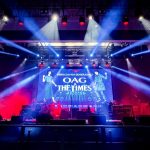
| Concerts & Music Festivals | Sustained heat buildup in amplifier racks and lighting trusses from high-power audio and lighting systems running continuously, often outdoors |
| Corporate Events & Conferences | Silent overheating in enclosed AV booths while control systems and LED walls must run flawlessly during presentations |
| Exhibitions & Trade Shows | Continuous operation without system downtime across long hours, sometimes spanning multiple days |
| Outdoor Public Events | Combined environmental and equipment-generated heat from direct sun exposure increasing overall heat load significantly |
Why Thermal Management Affects Event Quality
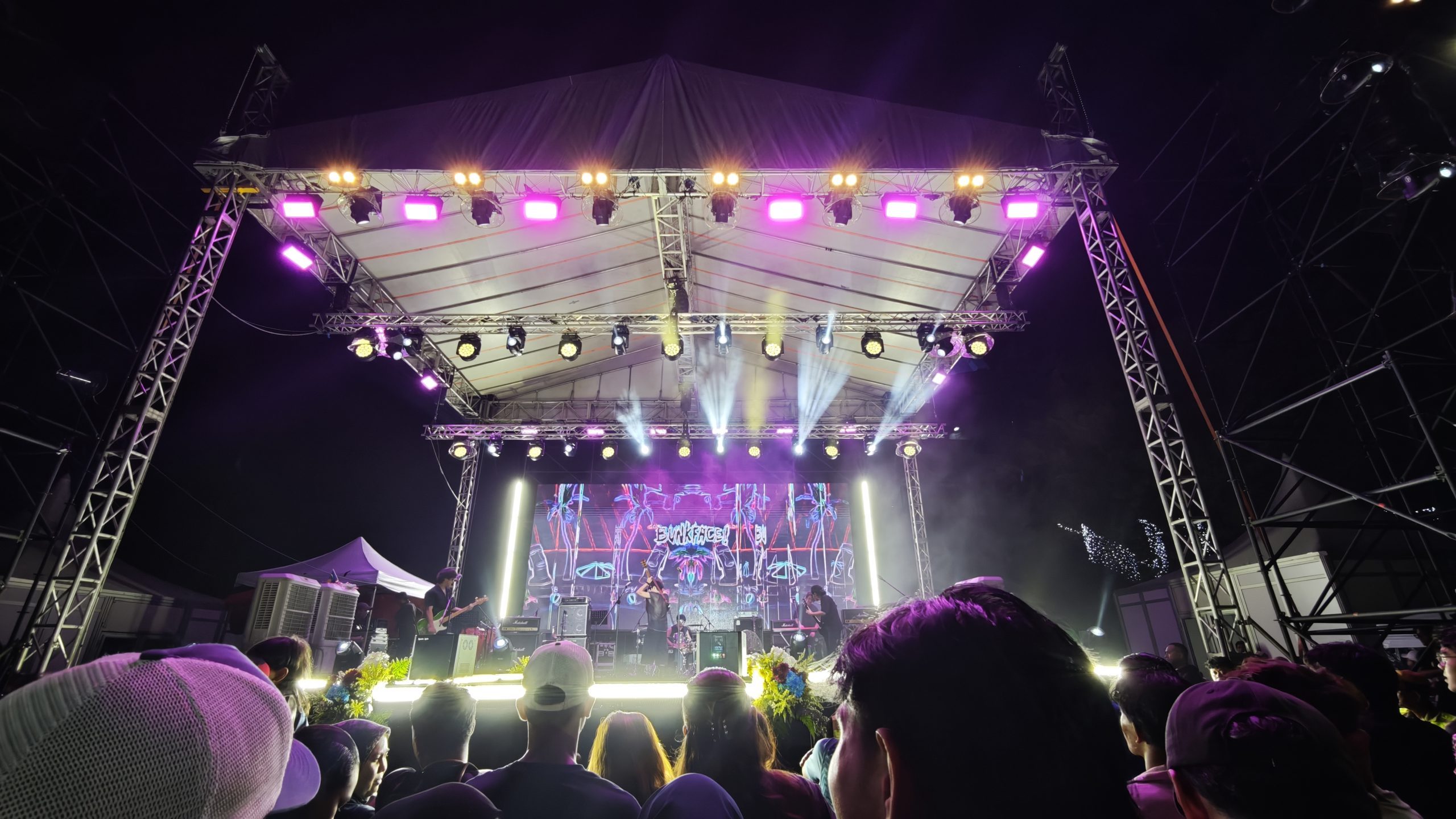
Good cooling is not just about protecting equipment it directly impacts audience experience. Proper thermal management ensures stable video playback on LED screens, clear and uninterrupted audio, smooth lighting performance, reliable live feeds and presentations, and zero downtime during critical moments. In contrast, poor cooling can cause visible failures that affect brand perception and audience engagement.
Sustainability in Thermal Management
Modern event production is also moving toward more sustainable cooling practices including energy-efficient cooling systems, low-power AV equipment, smart load distribution, reduced generator fuel consumption, and environmentally friendly insulation materials. Efficient thermal design not only improves performance but also reduces environmental impact.
The Future of AV Cooling Technology
As AV systems become more powerful and compact, thermal management technology is evolving rapidly:
Smart Cooling Systems
AI-Based Monitoring
More Efficient Hardware
Integrated Thermal Design
Smart cooling systems automatically adjust airflow based on real-time temperature data. AI-based monitoring offers predictive systems that identify overheating risks before they occur. Next-generation LED panels, amplifiers, and processors are being designed with lower heat output, and equipment manufacturers are increasingly building AV systems with cooling optimisation integrated from the ground up.
Delivering Reliable Events in Hot Environments
In Malaysia’s demanding climate, successful event production is not just about having the best visuals, sound, or lighting — it is about ensuring everything runs consistently under heat stress. Thermal management plays a silent but critical role in every successful live production.
From LED video walls and audio systems to lighting rigs and control stations, every component depends on stable operating temperatures to perform at its best. Whether it is a concert, corporate launch, exhibition, festival, or public activation, proper cooling strategy ensures that audiences experience the event exactly as intended without interruption, failure, or compromise.
Need Reliable AV Performance in Malaysia’s Heat?
Our technical team designs thermal-managed AV setups from active cooling and environmental shielding to power load balancing ensuring your equipment performs flawlessly no matter the climate.