Plan Your Event the Right Way with DOREMi
October 2025 is that pivotal moment in the Malaysian events calendar where planning separates average functions from exceptional experiences.
Corporate teams are finalising annual dinners before the year-end rush. Schools are preparing concerts, graduations, and appreciation ceremonies. Brands are squeezing in product launches before Q4 closes. And with Deepavali around the corner and festive bookings climbing steadily toward November and December, venues across Kuala Lumpur are filling up fast.
At DOREMi Events, October has been a month of precision planning. Not just executing events — but guiding clients through smarter decisions about sound, staging, lighting, entertainment, and technical flow. Because planning the right way doesn’t just reduce stress; it elevates the entire celebration.
Here’s what “planning your event the right way” looks like in October 2025 — and how DOREMi helps clients get there.
Key Takeaways
- Start with Purpose: Define the emotional outcome you want for your audience before creating equipment lists.
- Weather Flexibility: In Malaysia’s unpredictable climate, always have a seamless indoor transition plan and weather-resistant gear for outdoor segments.
- Clarity Over Volume: Invest in digital mixing and proper speaker alignment rather than just adding more speakers to a room.
- Technical Rehearsals: Allocating time for sound checks and lighting transitions is the ultimate secret to a stress-free, professional event.
1. Start with Purpose, Not Equipment
One of the most common mistakes in event planning is starting with equipment lists: “We need speakers, mics, LED screens.”
In October, we’ve been guiding clients to start with a different question: What should your audience feel by the end of the night? Is it appreciation? Celebration? Pride? Excitement?
For corporate annual dinners this month, many organisations wanted their teams to feel valued after a demanding year. That emotional goal shaped everything:
- Warm lighting tones instead of harsh white beams
- Clear speech reinforcement for heartfelt award presentations
- Background music that complemented conversation during dinner
- A stronger bass presence once the dance floor opened
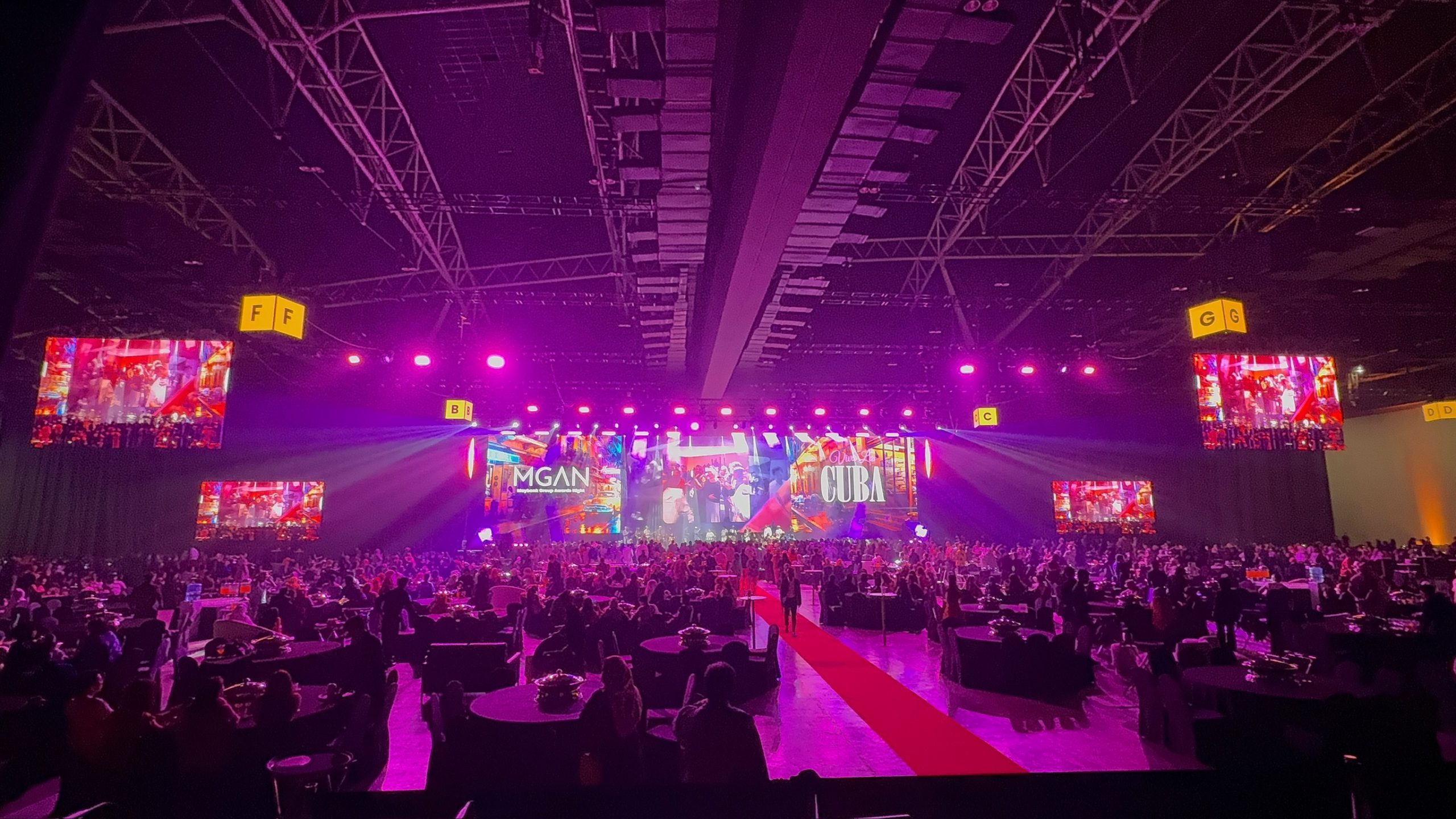
Rather than simply installing standard sound systems, we assessed each ballroom’s acoustics. High ceilings, marble floors, and glass walls create reflections that can muddy speech clarity. In response, we deployed properly aligned line-array speaker systems with digital signal processing to control coverage patterns and reduce echo.
Planning the right way begins with defining outcomes — then choosing technical solutions that support them.
2. October Means Indoor-Outdoor Flexibility
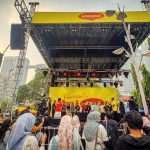
Malaysia’s October weather is unpredictable. Late afternoon showers are common, and humidity levels remain high. Yet many clients still prefer incorporating outdoor elements — cocktail receptions, garden photo booths, or welcome performances.
This month, we supported several events with semi-outdoor segments before transitioning indoors for dinner. Planning correctly in this season means:
- Using weather-resistant cable management
- Elevating power distribution to prevent water exposure
- Ensuring covered speaker placements
- Preparing backup rain plans
One key recommendation we’ve given repeatedly this October: always have a transition strategy. If cocktails are scheduled outdoors at 6:30 PM and rain starts at 6:10 PM, do you have indoor music ready? Is your emcee briefed? Is lighting pre-programmed for quick ambience adjustments? Technical preparation prevents panic.
At DOREMi, we prepare alternate lighting scenes and audio routing in advance so transitions feel intentional — not reactive.
3. Sound Planning: Clarity Before Volume
If there’s one consistent theme in October’s events, it’s this: clients are paying closer attention to sound quality.
Corporate events today involve multiple microphones — emcees, award presenters, management speeches, live bands, lucky draw segments. Without careful frequency coordination and gain structure management, feedback and distortion become real risks.
During several October productions, we configured:
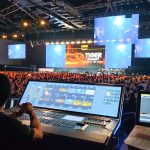
- Digital mixing consoles for precise EQ control
- Wireless microphone systems with frequency scanning to avoid interference
- Floor monitors for performers
- Separate audio mixes for livestream feeds
Sound planning also means anticipating programme flow. For example:
- Award winners walking up from the back of the ballroom require roaming microphones
- Panel discussions require balanced voice levels across speakers
- Live bands need instrument mic balancing so vocals remain clear
Clients are often surprised to learn that “more speakers” doesn’t mean “better sound.” Placement, alignment, and tuning matter more than quantity.
Practical tip: Schedule a technical sound check with all key speakers present. Even five minutes per speaker to test voice projection can prevent unexpected issues during the live programme. Planning your event the right way means investing in clarity — not just loudness.
4. Stage & Lighting: Designing for Flow
October’s corporate dinners and school concerts have shown a clear shift toward multi-phase programmes. An event is no longer one static segment — it’s layered:
- Welcome reception
- Formal dinner
- Awards
- Performances
- Dance session
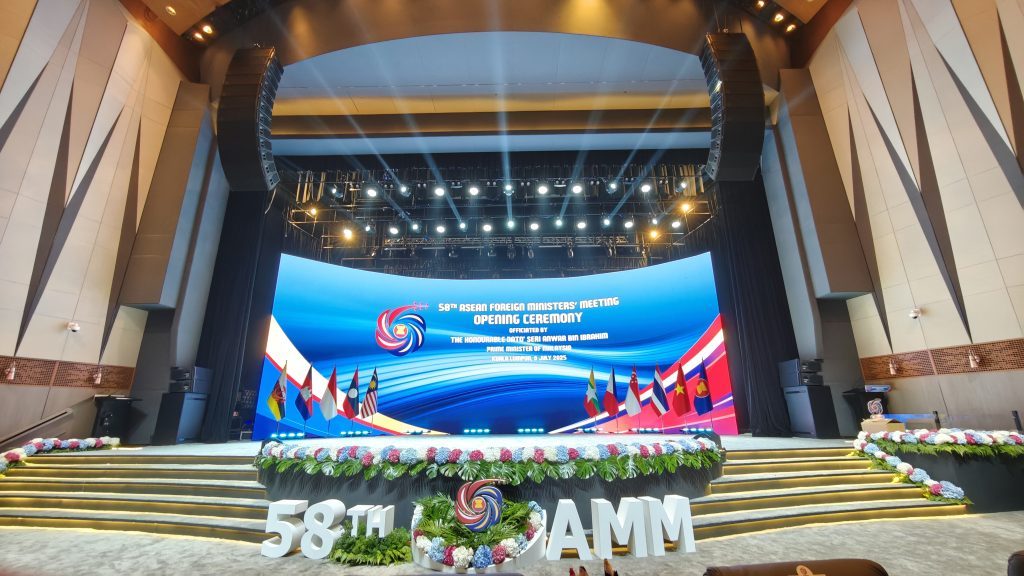
Each phase requires different lighting moods and stage configurations. In recent October setups, we’ve used:
- Warm amber uplighting during dining
- Focused white spotlights for award speeches
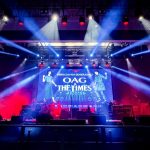
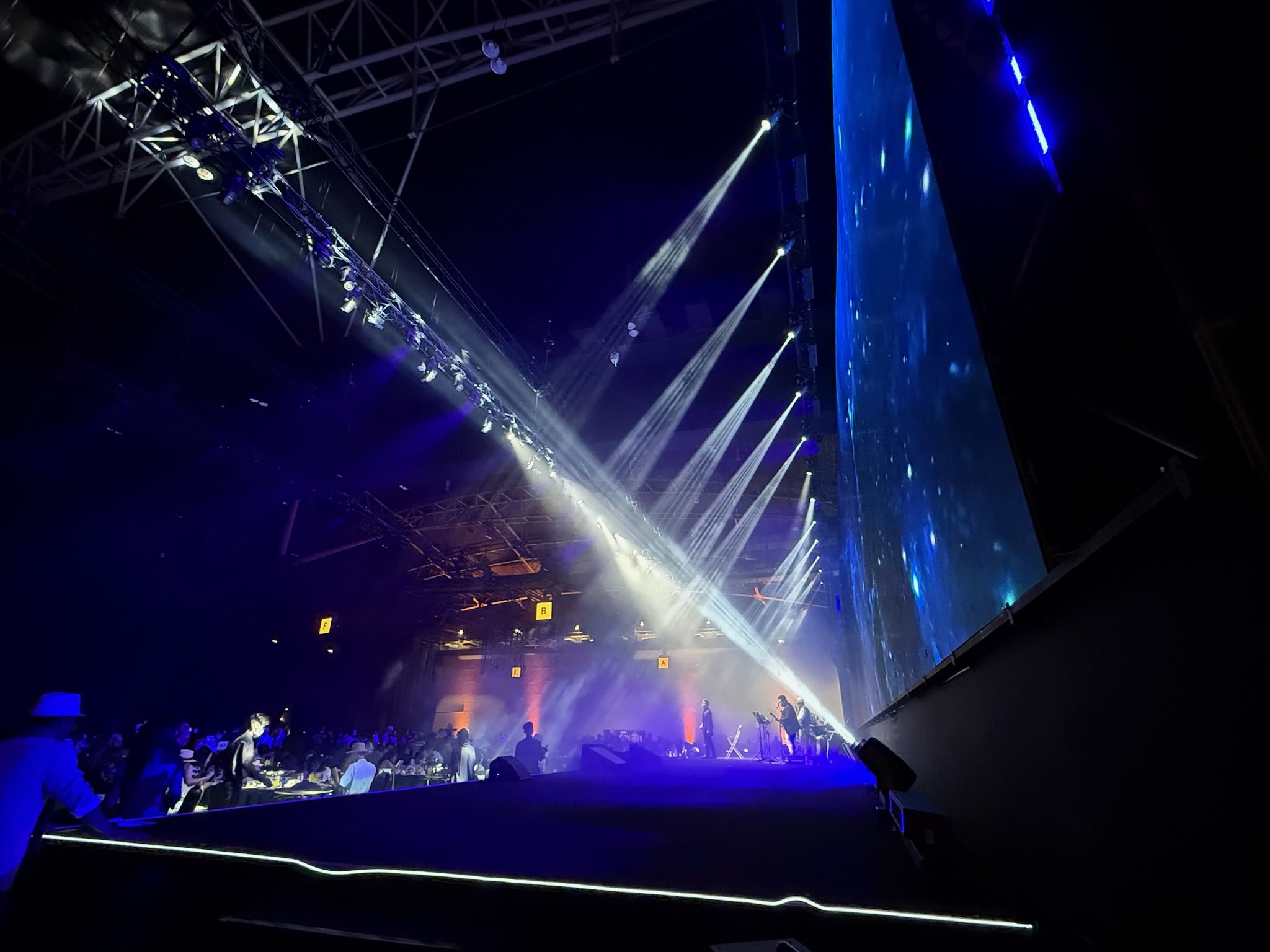
- Moving head lights for high-energy performances
- LED backdrop visuals synchronised with music transitions
Lighting programming is no longer manual switching. We pre-program scenes aligned to the event run sheet. When the emcee announces the next segment, transitions happen seamlessly.
For school concerts this month, we’ve emphasised balanced front lighting to ensure children’s faces are clearly visible for photography and video recording. Overly dramatic stage lighting may look impressive but can create harsh shadows in photos.
Client insight: Share your programme timeline early. When production teams understand transitions in advance, they can build cue sequences that enhance pacing rather than interrupt it. A well-planned stage supports storytelling. It doesn’t compete with it.
5. Entertainment with Structure
Entertainment planning in October has become more strategic. Rather than booking a band and “letting them play,” clients are integrating entertainment segments into the event flow.
For example:
- Short instrumental sets between award categories
- Custom walk-up music for winners
- DJ interludes that energise the room before announcements
- Coordinated lighting drops for special reveals
From a technical standpoint, this requires coordination between the sound engineer, lighting operator, emcee, and performers. We’ve seen how structured entertainment increases engagement. Instead of guests disengaging during long formalities, music punctuates the evening and maintains energy.
Planning correctly means briefing your entertainment team:
- What’s the demographic of the audience?
- Is the company culture formal or relaxed?
- Are there cultural sensitivities to consider during festive seasons?
In October, with Deepavali approaching, some corporate clients incorporated thematic music elements during welcome segments. Thoughtful touches like this elevate the atmosphere without overwhelming the programme.
6. Hybrid & Recording Considerations
While fully virtual events are less common in 2025, hybrid elements remain relevant. In October, we supported internal corporate events where remote branches joined through livestream. Planning for hybrid events requires additional layers:
- Dedicated audio feeds separate from in-room speakers
- Camera-friendly lighting
- Stable internet bandwidth allocation
- Backup recording systems
Many clients underestimate the difference between “projecting slides” and “producing a livestream.” For successful hybrid events, audio must be captured directly from the mixing console, not from ambient room microphones. Lighting must be balanced to prevent overexposure on camera.
Recommendation: If remote audiences are involved, allocate rehearsal time for camera framing and audio testing specifically for the broadcast feed. Planning the right way means considering both live and remote experiences equally.
7. The Importance of Technical Rehearsals
In October 2025, one positive trend stands out: more clients are allocating time for technical rehearsals.
For school concerts, rehearsals allow:
- Microphone balancing for choirs
- Stage positioning adjustments
- Confidence monitor placement
For corporate events:
- Slide clicker testing
- Speech pacing checks
- Walkthroughs for award categories
Rehearsals reduce uncertainty. They improve confidence for speakers and performers. At DOREMi, we recommend at least a partial run-through — even if time is limited. It’s one of the most effective ways to prevent last-minute stress. Planning properly includes planning to practise.
8. Budget Allocation: Spend Smart, Not Big
October conversations with clients often revolve around budget priorities. Here’s what we consistently advise:
- Prioritise sound clarity over decorative add-ons
- Invest in lighting design that enhances ambience
- Allocate funds for proper stage structure and safety
- Avoid overloading LED screens if content is minimal
A focused, well-balanced production budget creates stronger impact than scattering funds across unnecessary extras. The right planning approach evaluates what will truly influence audience experience.
9. Safety & Professionalism
Behind every October event is an unseen layer of safety planning. This includes:
- Proper cable taping and management
- Load calculations for stage platforms
- Secure rigging for lighting fixtures
- Clear communication protocols between crew members
Professional event planning is as much about prevention as presentation. Clients rarely see these details — but they feel the confidence that comes with them.
Moving Toward Year-End 2025
As October transitions into November and December, bookings intensify. Year-end dinners, graduations, festive celebrations — all demand early preparation. If you’re planning an upcoming event, consider scheduling:
- A venue walkthrough
- A technical briefing session
- A run sheet discussion with your production team
The earlier planning begins, the more creative flexibility you’ll have.
Plan Smart, Celebrate Better
October 2025 has reinforced a simple truth: successful events don’t happen by accident. They happen because:
- Sound systems are chosen for clarity
- Lighting is programmed with intention
- Stages are designed for flow
- Entertainment is structured
- Rehearsals are prioritised
- Contingency plans are prepared
At DOREMi Events, planning the right way means combining technical expertise with practical guidance. It means advising clients honestly, preparing thoroughly, and executing professionally.
Because when the music begins, the spotlight hits perfectly, and every guest can hear, see, and feel the celebration without distraction — that’s when planning turns into impact. And that’s how you plan your event the right way with DOREMi.