Conference Fatigue? How to Keep Attendees Engaged with Smart Event Planning
By the time November arrives, calendars are packed.
Corporate teams are rushing to complete Q4 targets. Associations are squeezing in final annual conferences. Training sessions, leadership summits, and strategy meetings stack up week after week. For many professionals, it’s peak conference season — and with it comes a familiar challenge: conference fatigue.
You can see it happen. Morning energy is high. By mid-afternoon, attention dips. After lunch, eyes wander to phones. By the final session, even the most important keynote struggles to compete with mental exhaustion.
In November 2025, as conference schedules intensify across Kuala Lumpur and beyond, one thing has become clear: engagement is not accidental. It is engineered.
Smart event planning — particularly in audio-visual production, staging, and programme flow — determines whether attendees leave inspired or drained. Here’s how thoughtful production and strategic planning can transform conferences from passive listening marathons into dynamic, engaging experiences.
Key Takeaways
- Audio Clarity Reduces Cognitive Load: Muddy sound forces the brain to work harder to understand speech. Crisp, digitally mixed audio prevents listener fatigue.
- Dynamic Stage Layouts: Moving away from static podiums to open-stage discussions and lounge seating keeps the visual energy of the room high.
- Rhythm & Pacing: Breaking long lectures into 30-minute blocks with interactive polling and music transitions is the ultimate cure for the mid-afternoon slump.
- Lighting for Focus: Using neutral white tones for presentations promotes alertness, while transitioning to warm lighting cues a relaxing networking environment.
1. The First Five Minutes Set the Tone
Conference fatigue often begins before the first speaker even starts. If the opening feels flat — poor audio, dim lighting, awkward delays — attendees subconsciously lower their expectations.
In recent November conferences, we’ve focused heavily on strong openings. This doesn’t mean excessive theatrics. It means clarity, precision, and energy from the very first moment.
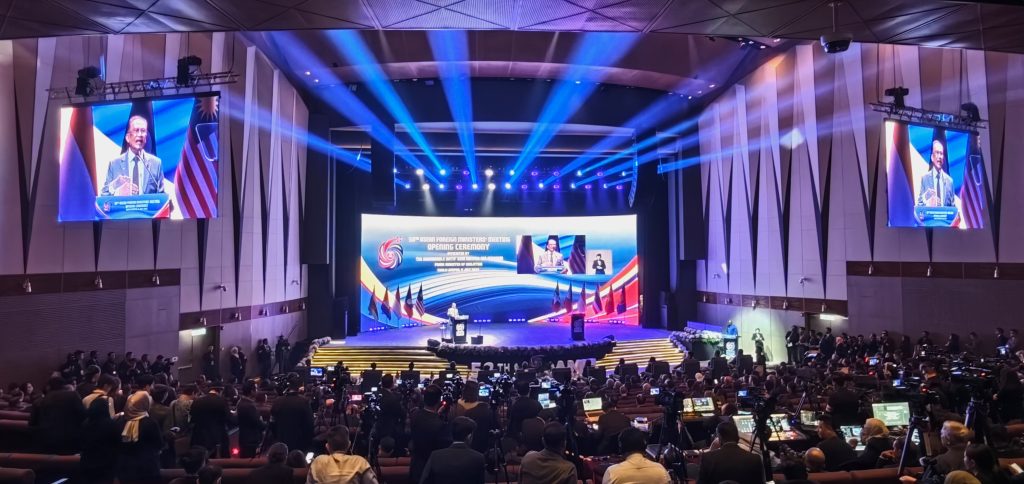
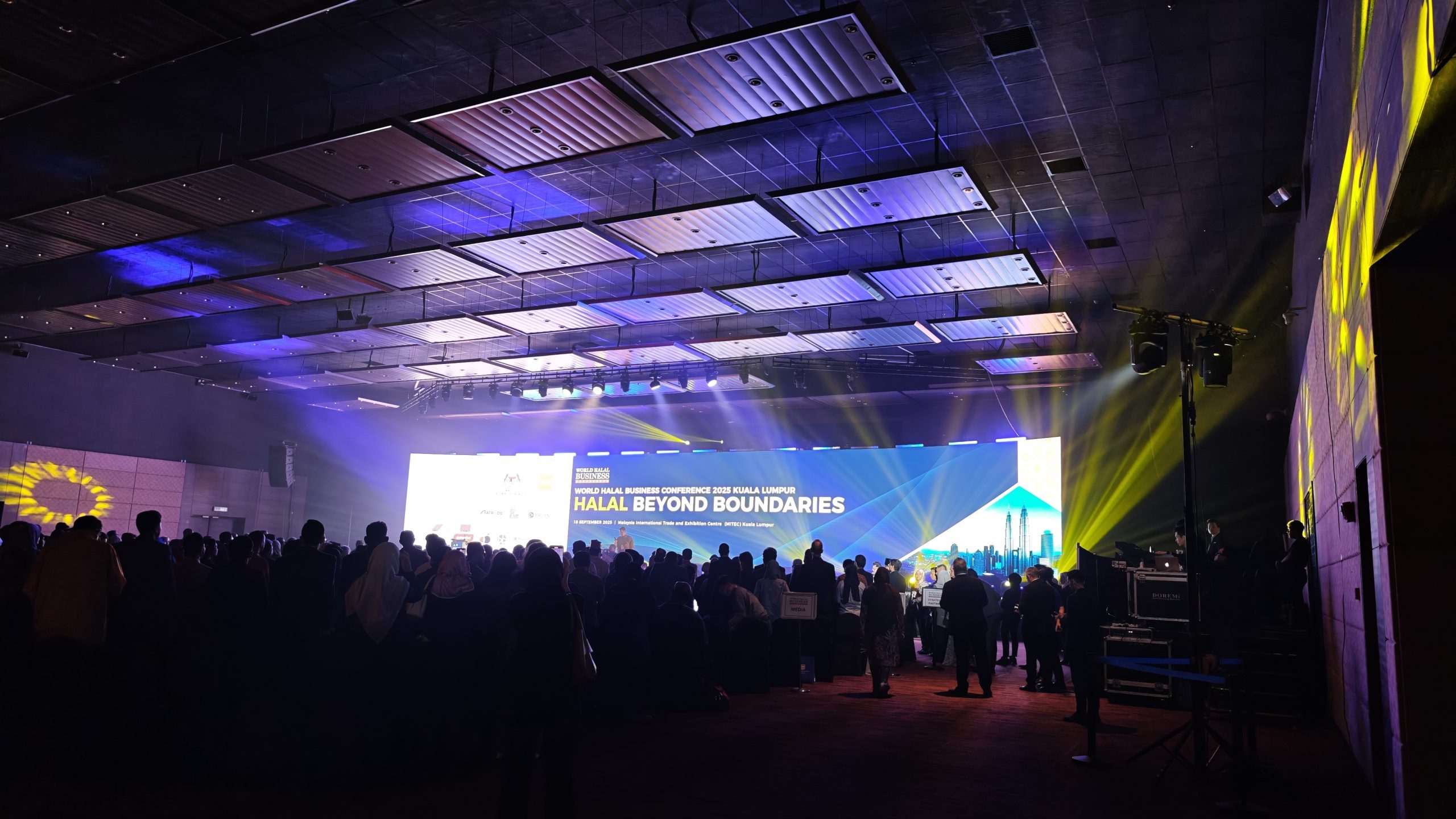
A well-balanced sound system ensures that welcome remarks are crisp and intelligible from every seat. Instead of relying on basic speaker placement, line-array systems have been configured to distribute audio evenly across ballroom-style conference spaces. This prevents the common problem of front rows being overwhelmed while the back struggles to hear.
Lighting also plays a crucial role. Bright, focused front lighting keeps speakers visible and alert. Subtle stage washes frame the presentation area, giving it presence without overwhelming slides.
An engaging opening could include:
- A short, high-energy intro music cue
- Cleanly timed lighting transitions
- A confident emcee supported by clear wireless microphone setup
When the first five minutes feel polished, attendees lean in rather than tune out.
2. Sound Design That Reduces Mental Strain
One overlooked cause of fatigue is poor audio quality. When sound is muddy, uneven, or too loud, attendees subconsciously work harder to process information. That cognitive strain accumulates throughout the day.
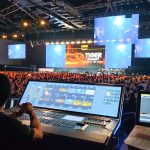
In November’s conference setups, digital mixing consoles have allowed precise equalisation adjustments for each speaker. Every voice is different. Some speakers project strongly; others speak softly. Without individual tuning, clarity suffers.
We’ve implemented:
- Individual microphone gain adjustments per speaker
- Compression control to maintain consistent volume levels
- Feedback suppression systems
- Frequency coordination for wireless microphones
Panel discussions, in particular, require careful balancing. When one panelist sounds significantly louder than another, it disrupts focus. Proper sound mixing ensures conversational consistency. Clear sound does more than improve hearing — it reduces mental fatigue.
Planning tip: Schedule technical sound checks with all keynote speakers present. Even brief mic testing can significantly improve overall clarity.
3. Rethinking Stage Layout for Engagement
Traditional conference layouts often position speakers behind podiums for hours. While functional, this format can become visually static.
In November 2025, we’ve seen organisers experiment with more dynamic stage setups:
- Open-stage discussions instead of fixed podiums
- Lounge-style seating for panel sessions
- Wider stage footprints that allow speaker movement
- Confidence monitors placed discreetly to encourage eye contact
Stage design influences energy. A speaker who can move naturally tends to engage more effectively than one confined behind a lectern.
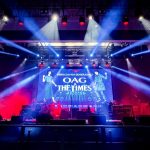
Lighting complements this approach. Instead of static white light, layered lighting with subtle colour accents adds visual depth without distracting from content. LED backdrops are increasingly used not just for slides, but for clean branding elements that frame speakers professionally. Engagement is partly visual. If the stage looks alive, the room feels alive.
4. Programme Flow: Break the Lecture Cycle
Conference fatigue often stems from long, uninterrupted lecture blocks. As noted by event industry leaders like PCMA, varying session formats is critical to maintaining audience attention spans.
In several November conferences, planners intentionally structured sessions in shorter segments. Rather than 90-minute continuous presentations, sessions were broken into:
- 30-minute talks
- 15-minute moderated discussions
- Short Q&A intervals
- Interactive polling segments
From a production standpoint, this requires seamless microphone transitions and lighting cues. Roaming wireless microphones must be ready for audience participation. Audio levels must shift quickly between speakers.
Music can also play a subtle role. Short, low-volume instrumental cues during session transitions prevent awkward silence and maintain energy without overwhelming the space. The key is rhythm. A well-paced conference feels dynamic. A poorly paced one feels endless.
5. Lighting That Supports Focus
Conference lighting must strike a balance between visibility and comfort. Overly dim rooms make attendees sleepy. Overly bright overhead lighting creates glare and discomfort.
In November setups, we’ve prioritised:
- Clear front-stage lighting for speaker visibility
- Controlled ambient lighting in audience areas
- Reduced glare on projection screens
- Balanced colour temperatures to maintain alertness
Warm lighting may suit gala dinners, but conferences often benefit from neutral white tones that promote attentiveness. When transitioning into networking sessions, lighting can gradually warm to signal a shift from formal presentation to relaxed conversation. Lighting is not just decorative — it guides energy.
6. Strategic Use of Music & Audio Cues
Music is often underutilised in conferences. In November events, short intro music stings have been used to energise the room before keynote speakers. Walk-on music creates anticipation and resets attention.
Between sessions, soft background music during breaks prevents the atmosphere from becoming stagnant. Audio cues can also signal session endings gently, helping moderators maintain time without awkward interruptions. Sound design in conferences should be intentional but subtle. It supports flow without becoming the focus.
7. Integrating Hybrid Elements Without Distraction
Hybrid participation remains relevant in 2025, particularly for regional teams. In November conferences, livestream setups required:
- Direct audio feeds from the mixing console
- Camera-friendly lighting adjustments
- Stable internet allocation
- Backup recording systems
Hybrid integration must be planned early. Camera angles should capture both speakers and audience engagement. Lighting must avoid harsh shadows that affect video clarity. If remote participants are part of the audience, engagement strategies should include interactive polls or moderated Q&A segments that incorporate their input.
8. Comfort & Technical Reliability Reduce Distraction
Fatigue increases when distractions accumulate. Microphone dropouts. Slide glitches. Feedback squeals. Lighting flickers. Each disruption chips away at engagement.
In November productions, emphasis has been placed on redundancy:
- Backup microphones on standby
- Duplicate playback systems for presentations
- Spare cables and batteries
- Pre-event equipment testing
Technical rehearsals have become standard practice, even for half-day conferences. Reliability builds trust. When attendees don’t worry about disruptions, they focus on content.
9. Networking Segments That Feel Energising
Engagement doesn’t end with formal sessions. November conferences often conclude with networking receptions. Transitioning effectively from conference mode to networking mode requires deliberate production shifts.
Lighting warms slightly. Background music increases subtly in tempo. Microphones are cleared from the stage. Seating layouts open up. Sound systems are recalibrated for conversation-level music rather than presentation clarity. This controlled shift prevents abrupt energy drops and encourages continued interaction.
10. Smart Scheduling: Respecting Attention Spans
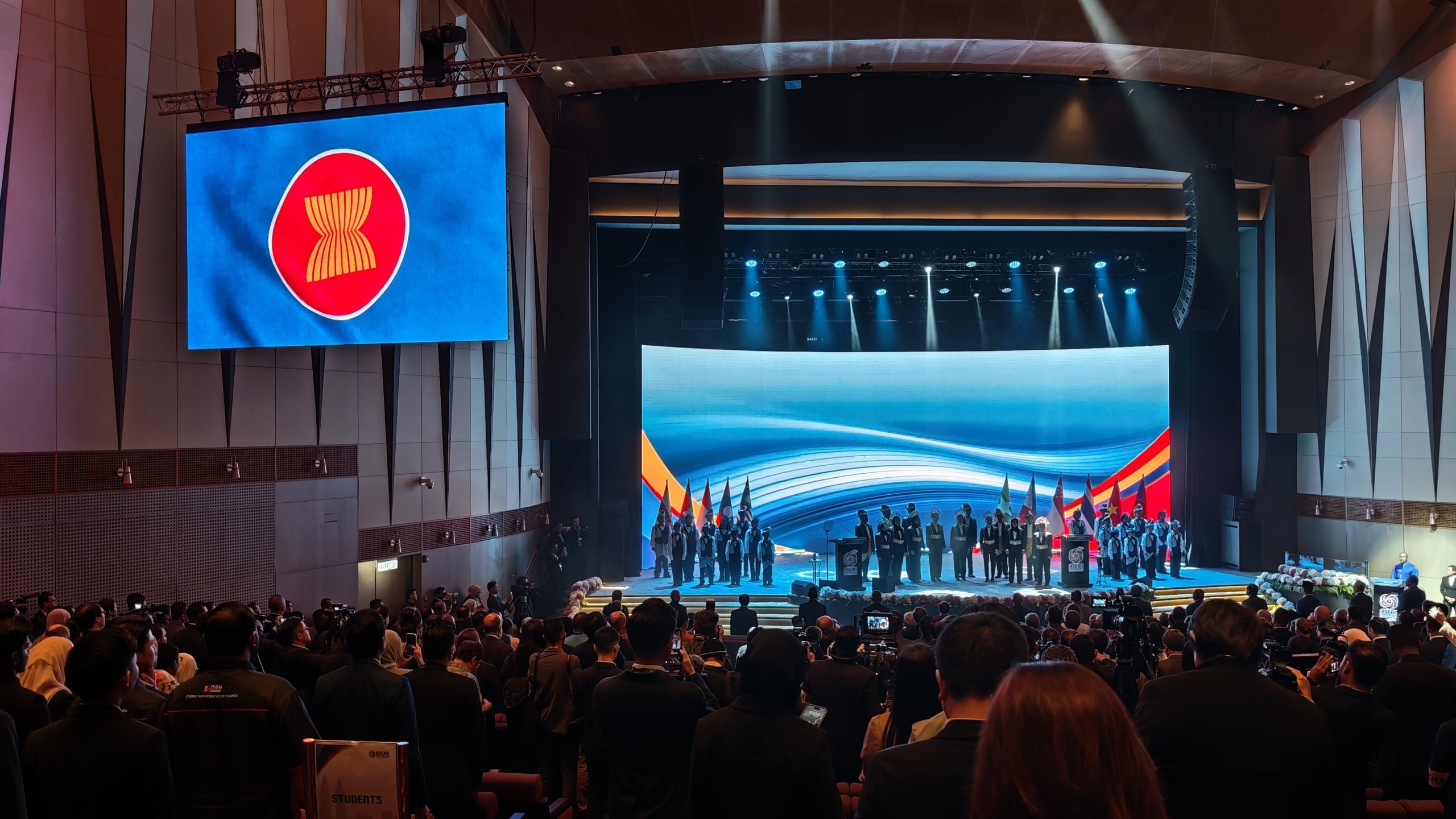
While AV production plays a central role, engagement also depends on thoughtful scheduling. Practical recommendations for conference planners include:
- Avoid scheduling dense content immediately after heavy meals
- Incorporate short stretch breaks
- Limit continuous lecture blocks
- End on a high-energy keynote rather than a logistical briefing
Technical teams can support these shifts through lighting and audio cues that subtly refresh the room. Engagement is a collaboration between programme design and production execution.
11. Why November Conferences Require Extra Attention
November often marks the final push before year-end. Attendees arrive with accumulated mental fatigue from the entire year. This makes engagement strategies even more critical.
Polished production communicates professionalism. Dynamic staging maintains interest. Clear audio reduces strain. In a month where attention spans are already stretched, smart planning becomes essential.
Energy Is Designed, Not Assumed
Conference fatigue isn’t inevitable. It happens when events rely solely on content without considering delivery. It happens when production is treated as an afterthought.
In November 2025, successful conferences have demonstrated that engagement is built through:
- Precise sound calibration
- Intentional lighting design
- Dynamic stage layouts
- Structured programme flow
- Seamless hybrid integration
- Reliable technical execution
When audio is clear, lighting is supportive, transitions are smooth, and pacing is intentional, attendees remain present. Smart event planning doesn’t just prevent fatigue — it creates momentum. And when conferences feel energising rather than exhausting, the impact extends far beyond the final session.
That’s the difference thoughtful production makes. Ready to plan your next event? Partner with the experts at DOREMi Events.