The Importance of Rehearsals: Why Even the Best Events Need a Test Run
Behind Every Seamless Show Is a Carefully Executed Practice Round
At 4:15 PM, the ballroom is quiet except for a single voice on stage.
“Slide three, please.”
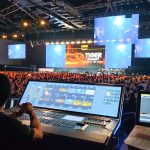
The screen flickers. The lighting operator adjusts intensity. The microphone level rises slightly. A cue is marked. Someone in the back notes timing. It’s not glamorous. No audience is present. No applause fills the room.
But this is where successful events are truly built.
By November 2026, event calendars are at their busiest. Year-end gala dinners, corporate conferences, product launches, fashion showcases, and countdown celebrations are stacked week after week. Expectations are higher than ever. Guests anticipate seamless transitions, impactful visuals, perfectly timed music, and smooth stage flow.
And yet, the difference between a polished production and a chaotic one often comes down to a single factor: rehearsal.
Even the most experienced speakers, talented performers, and technically advanced setups require a test run. Rehearsals aren’t a luxury—they’re the safety net that protects the entire event experience. Here’s why no serious event should ever skip one.
Key Takeaways
- Events are Live Ecosystems: A rehearsal is the only time microphones, lighting cues, video playback, and stage flow operate together as a complete system before the audience arrives.
- Sound Checks Go Deep: Professional sound checks test far more than volume—they calibrate feedback control, wireless frequency stability, and instrument balance to suit the venue’s exact acoustics.
- The Run Sheet Blueprint: Rehearsing the timeline prevents program overruns, ensures smooth emcee handovers, and builds confidence for executives taking the stage.
- Budget for the Test Run: Skipping a rehearsal to save money is a risky gamble. Always allocate technical crew hours and stage access time specifically for a run-through.
Events Are Live Productions—Not Static Installations
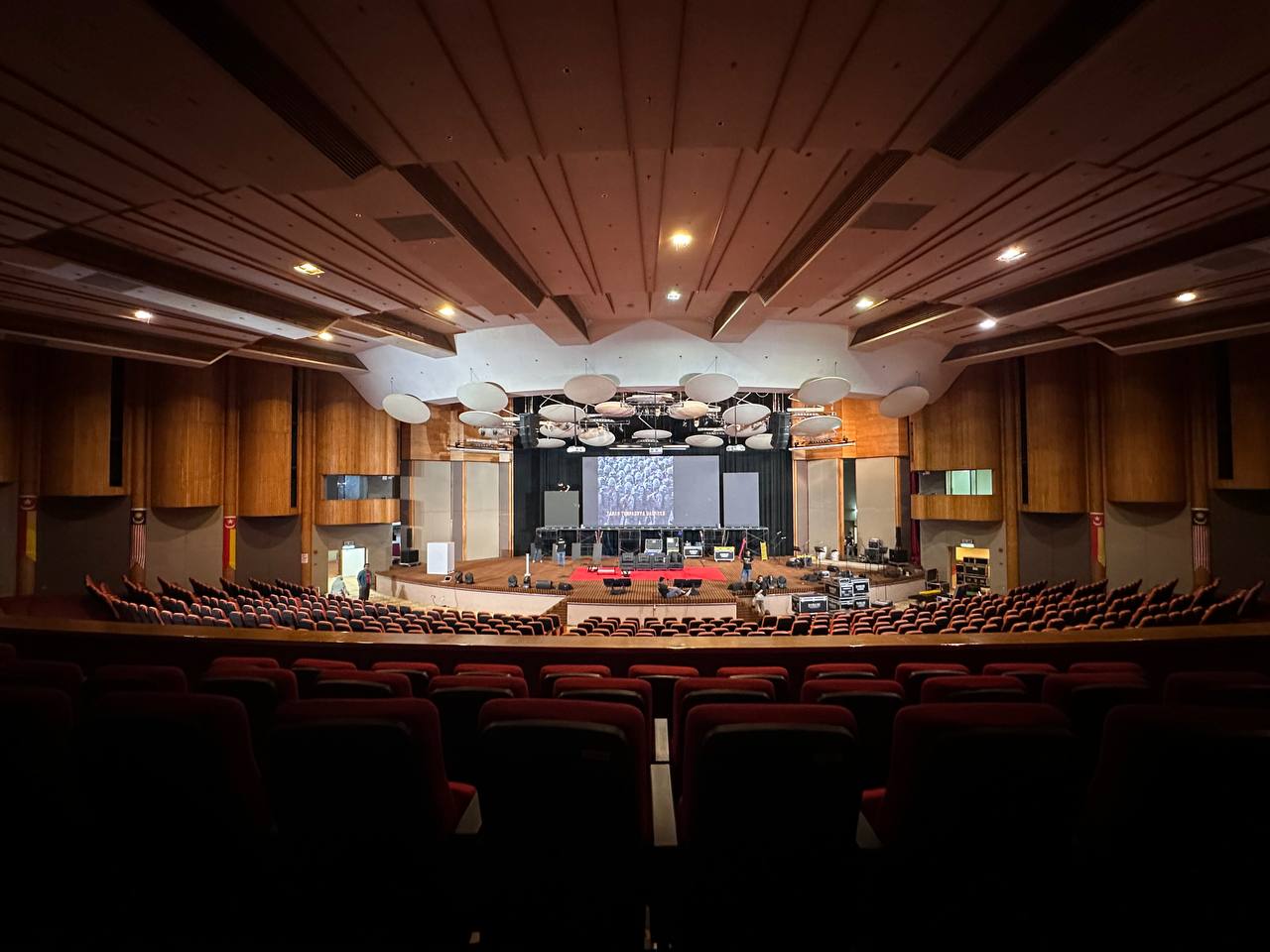
An event isn’t just décor and equipment placed in a room. It’s a live sequence of moving parts:
- Microphones being passed between speakers
- Lighting cues timed with walk-on music
- Videos triggered at precise moments
- Performers entering on specific beats
- Award recipients walking on and off stage
- Sound levels adjusting for changing energy
Each of these elements must align in real time.
Without rehearsal, these components operate independently. With rehearsal, they operate as a system.
In high-capacity venues—such as convention halls or grand ballrooms often used for exhibitions, corporate dinners, or product launches—the complexity increases. The larger the space, the greater the need for precise coordination between sound engineers, lighting operators, stage managers, and event planners. A rehearsal transforms moving parts into a cohesive show.
The Technical Rehearsal: Where Problems Are Prevented
A technical rehearsal focuses on equipment and cue coordination. During this session, the production team tests:
- Microphone clarity and backup units
- Speaker coverage across the venue
- LED screen brightness and color calibration
- Video playback compatibility
- Lighting cue timing
- Stage entry and exit points
Consider a typical year-end gala dinner in November. The program may include:
- Opening montage video
- Welcome speech
- Award presentations
- Live band performance
- Dance segment
- Closing remarks
Each segment requires different technical settings. Lighting intensity shifts from warm dining ambience to focused spotlight during speeches. Audio levels change from spoken word clarity to music-rich bass response.
Testing these transitions ensures there are no sudden volume spikes, blacked-out screens, or awkward lighting gaps. Rehearsal identifies issues while there is still time to fix them.
Sound Checks: More Than Just “Can You Hear Me?”
A common misconception is that a quick microphone test is enough. Professional sound checks go deeper.
Engineers test:
- Feedback control
- Wireless frequency stability
- Battery life for wireless microphones
- Speaker placement to avoid echo
- Balance between background music and speech
- Monitor levels for performers
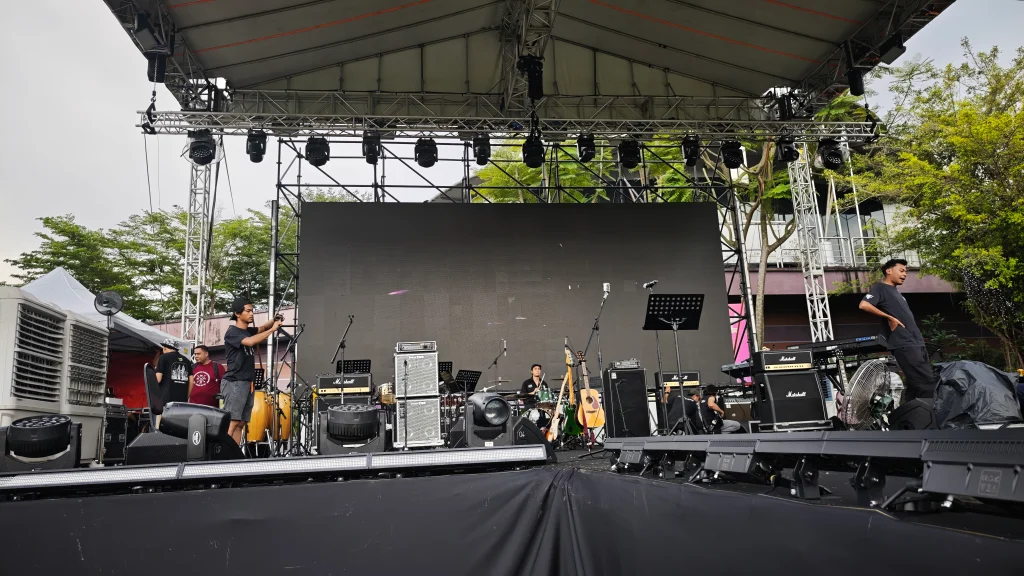
For live bands, rehearsal includes full instrument balance—drums, guitars, keyboards, and vocals must blend without overpowering the room.
In larger spaces, especially those with reflective surfaces, minor adjustments make a major difference. What sounds clear on stage may echo at the back of the hall. A rehearsal allows engineers to walk the room and fine-tune settings accordingly. Sound should feel effortless to guests. That effortlessness is engineered during rehearsal.
Lighting Cues: Precision in Motion
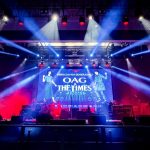
Lighting may look spontaneous during a show, but it’s carefully programmed in advance. During rehearsal, lighting operators:
- Align spotlights with stage markings
- Time transitions with music
- Adjust brightness for LED screens
- Test color tones on clothing and skin
- Practice dramatic reveal moments
Imagine a product launch where the lights must dim exactly as the promotional video ends, followed by a spotlight reveal of the product center stage. Without rehearsal, timing can feel off by even a few seconds—enough to break anticipation.
Fashion shows particularly depend on lighting rehearsal. Each model’s walk must be illuminated evenly. Color accuracy must remain consistent so garments appear true to design. Side lighting must highlight texture without casting unflattering shadows. Lighting cues aren’t guesswork. They are rehearsed sequences.
The Run Sheet: Rehearsing the Timeline
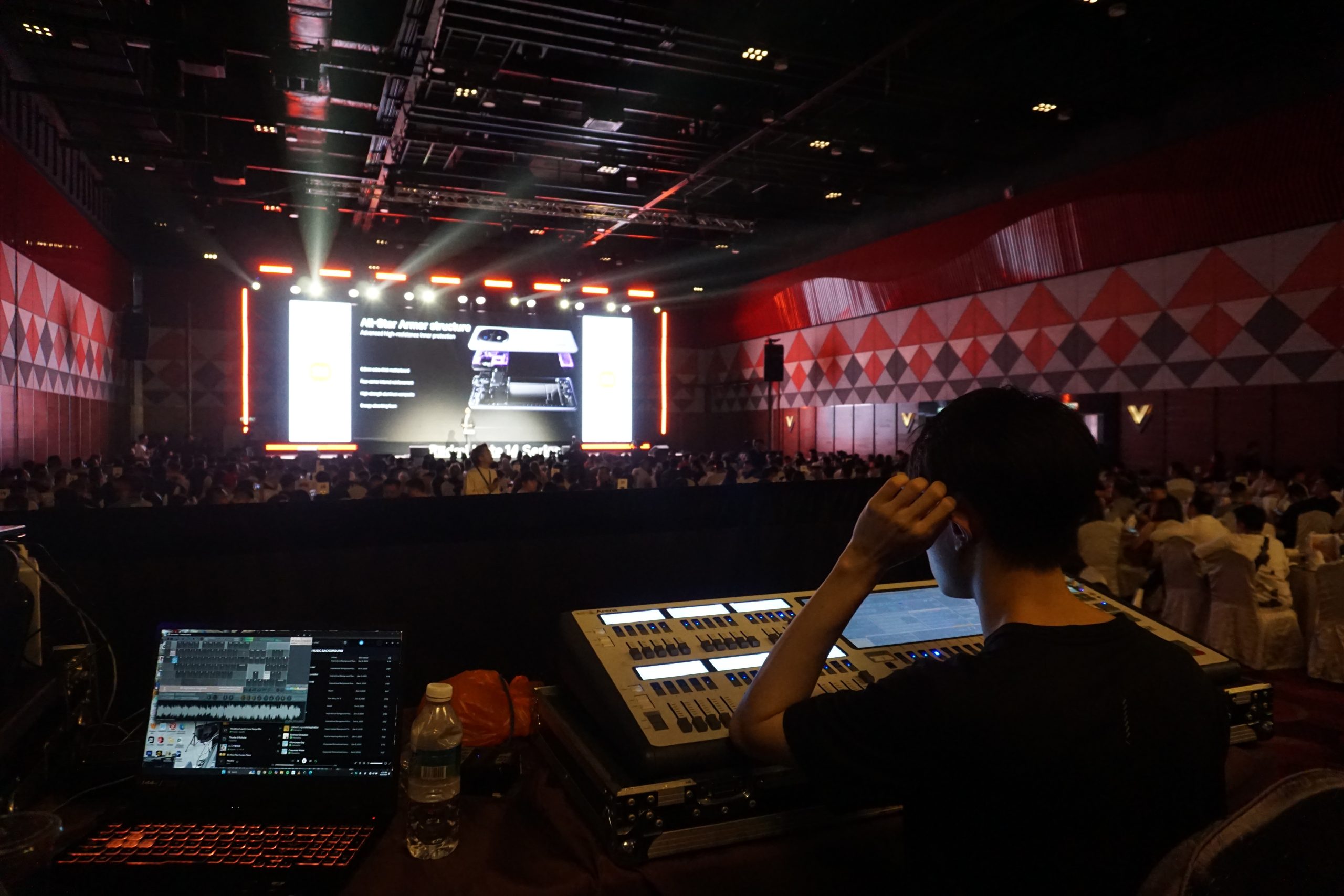
A run sheet is the event’s blueprint. But a blueprint only works if tested. As highlighted by event management experts at BizBash, running through your timeline is the single most effective way to eliminate live-show anxiety.
During rehearsal, planners walk through the program step by step:
- Confirm speech durations
- Verify award recipient flow
- Time video segments
- Practice emcee transitions
- Coordinate meal service timing
Even minor adjustments—like shortening a speech by two minutes—can improve pacing dramatically.
November events often involve tight schedules. Venues may host multiple back-to-back functions. A rehearsal ensures the event stays within allocated timeframes and avoids overruns. When every segment has been timed, confidence replaces uncertainty.
Rehearsing Speakers: Building Confidence on Stage
Even seasoned executives benefit from stepping onto the stage before guests arrive. A rehearsal allows speakers to:
- Adjust microphone height
- Familiarize themselves with stage layout
- Review slide clicker functionality
- Practice positioning for cameras
- Understand cue signals
Large stages can feel intimidating without prior exposure. A rehearsal transforms unfamiliar space into controlled territory. Speakers who rehearse appear more confident, composed, and prepared. That confidence translates directly to audience perception.
Entertainment Rehearsals: Aligning Energy
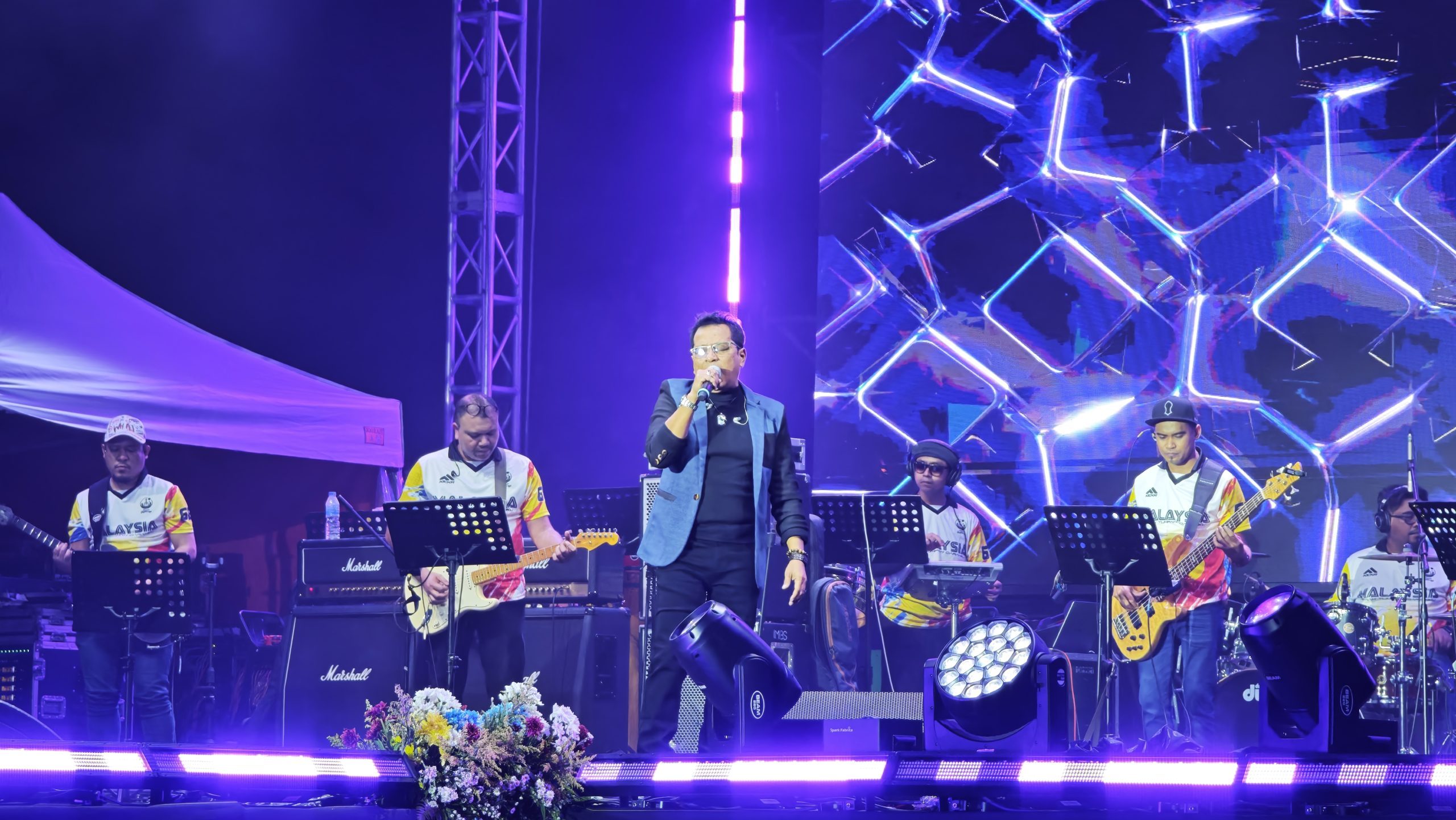
Live entertainment requires synchronization. Whether it’s a band, cultural performance, dance troupe, or DJ segment, rehearsal ensures:
- Audio levels are balanced
- Lighting transitions match choreography
- Stage positioning is clear
- Performance duration aligns with program flow
In high-energy year-end celebrations, entertainment segments often serve as emotional peaks. These moments must feel intentional—not improvised. A rehearsal allows performers to coordinate with technical teams, ensuring timing is precise and transitions feel seamless.
The Cost of Skipping Rehearsals
Skipping rehearsal may save time in the short term—but it increases risk significantly.
Common consequences include:
- Delayed program start
- Audio feedback during speeches
- Slides not formatted correctly
- Lighting that washes out presenters
- Awkward pauses between segments
- Performers waiting on unclear cues
Guests may not know exactly what went wrong, but they will sense disorganization. In high-profile corporate events, brand perception is directly linked to execution quality. Rehearsal protects that perception.
Seasonal Considerations in November Events
November events often face additional complexities:
- Back-to-back bookings
- Compressed setup timelines
- Outdoor elements for festivals
- Early evening daylight transitions
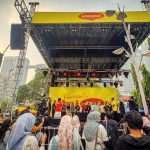
Outdoor shows require testing lighting visibility against remaining daylight. Hybrid events with livestream components require camera framing checks. Countdown events require precise timing alignment. Rehearsal accommodates these variables.
How Long Should a Rehearsal Be?
The length depends on event scale.
- Small seminars: One hour may suffice.
- Mid-size corporate dinners: Two to three hours for full technical run-through.
- Large productions with multiple performers and multimedia: Half-day or full-day rehearsal recommended.
The complexity of the program determines rehearsal depth—not just guest count.
Building Rehearsal Into the Budget
Rehearsal time requires crew availability and venue access. It must be factored into planning early. Prioritize budget for:
- Technical crew hours
- Lighting programming time
- Audio calibration
- Stage access
- Equipment testing
It’s more cost-effective to adjust during rehearsal than to troubleshoot mid-show.
Communication During Rehearsal
Effective rehearsal isn’t silent observation—it’s active coordination. Production managers typically:
- Call cues verbally
- Confirm readiness from operators
- Adjust pacing
- Document changes
- Clarify speaker instructions
Headsets and intercom systems keep communication smooth. Clear communication during rehearsal prevents confusion during the live show.
The Psychological Advantage
Rehearsals do more than fix technical issues—they reduce anxiety.
Event planners feel more at ease knowing cues are tested. Speakers feel confident. Technical teams feel prepared. That collective confidence translates into calm execution on event day. Guests may never see the rehearsal, but they benefit from its impact.
Bringing It All Together
Rehearsals are not about perfection—they’re about preparation.
They allow:
- Technical alignment
- Timing precision
- Speaker confidence
- Seamless transitions
- Risk reduction
In 2026, when event expectations are high and schedules are tight, skipping rehearsal is a gamble no serious organizer should take.
Behind every flawless gala dinner, product launch, fashion show, or conference lies a quiet practice session where cues were tested, lights adjusted, and timing refined. At DOREMi Events, rehearsal is treated as an essential phase of production—not an optional extra. By integrating technical checks, cue programming, and stage run-throughs into every major event plan, the team ensures that when guests arrive, the experience feels effortless.
Because while the audience sees only the spotlight moment, professionals know: The real magic happens before the doors open. And that preparation is what turns a good event into an exceptional one.