Hybrid Events Made Easy: How to Engage Both In-Person & Virtual Audiences
At the tail end of 2026, the landscape of events has evolved beyond physical gatherings and live streams standing alone. Today’s audiences expect inclusion, immersion, and interactivity—no matter how they attend. Hybrid events are no longer a novelty; they’re a strategic must for organisations and brands that want to extend reach, deepen engagement, and create memorable moments that ripple beyond a single room.
Yet, with opportunity comes complexity. Delivering a hybrid event that genuinely connects both in‑person and virtual audiences requires more than simply setting up cameras and broadcasting content online. It demands intentional design, thoughtful technology, and creative production that considers the nuances of both worlds.
In this article, we’ll walk through what makes hybrid events successful—from the role of music and sound to production planning, audience interaction strategies, and best‑in‑class engagement tools. Whether you’re planning a product launch, corporate conference, gala, industry expo, or celebration, you’ll find actionable insights to elevate your hybrid experiences.
Key Takeaways
- True Integration: A successful hybrid event doesn’t just broadcast to a screen; it creates a shared narrative where both physical and digital audiences feel equally valued.
- Broadcast-Grade Tech: Low-latency streaming, multi-camera switching, and dedicated “clean” audio feeds are non-negotiable for keeping remote attendees engaged.
- Active Gamification: Prevent screen fatigue by utilizing real-time polls, live Q&A, and virtual breakout rooms.
- Dedicated Virtual Hosts: Bridge the gap between the ballroom and the living room by assigning an emcee specifically to interact with the online crowd.
Setting the Stage: Defining Hybrid Events in the Modern Era
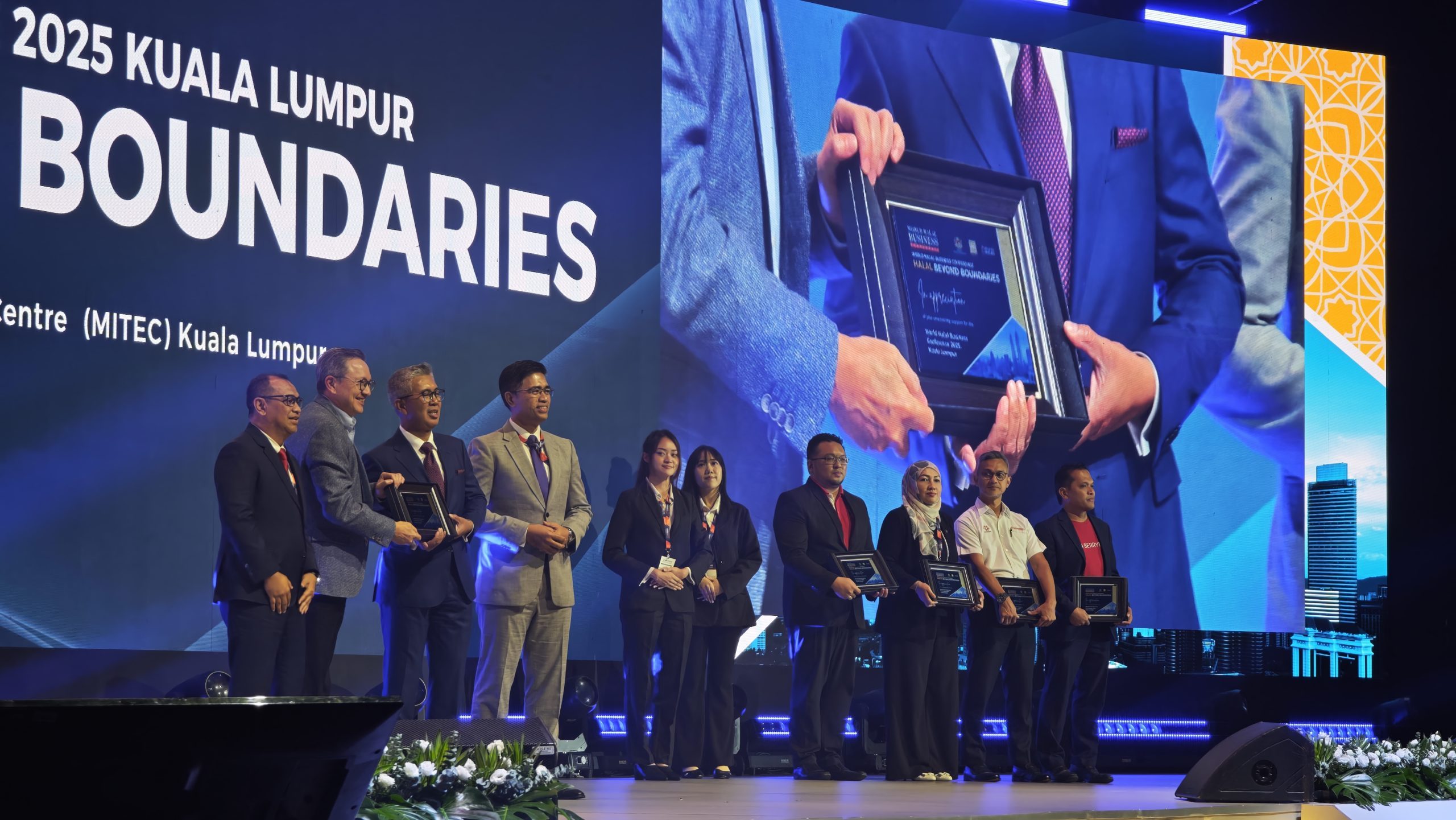
Hybrid events combine physical gatherings with virtual participation. They break geographical barriers while preserving the energy and connection of live moments. As highlighted by event management leaders like Cvent, the key difference between a hybrid event that merely streams and one that genuinely engages lies in integration—designing every element so both audiences feel present, valued, and part of a shared experience.
In 2026, hybrid events have expanded into:
- Conferences and summits with remote keynote audiences voting live on polls.
- Product launches where virtual guests explore digital showrooms alongside live demos.
- Music showcases and festivals streaming sets while livestream attendees select camera angles.
- Workshops and trainings integrating breakout discussions with online forum collaboration.
Across industries, organisations recognise that hybrid formats deliver greater reach while driving deeper analytics and personalised follow‑ups—important for marketing, learning, and community building.
Planning for Dual Experience: Foundation of Hybrid Success
Unlike purely physical events, hybrid experiences must be conceived with two audiences in mind from the outset. Here are the strategic planning pillars that set the foundation:
1. Audience Mapping
Start by understanding who you’re inviting—both on site and online. Ask:
- What are their goals for attending?
- What devices and platforms will they use?
- How long can they stay engaged before attention drops?
Online attendees often multitask, so creating bite‑sized content, scheduled interactivity, and predictable rhythms helps maintain focus.
2. Integrated Event Flow
Rather than treating the virtual stream as an afterthought, design an event flow that interweaves both experiences. For example:
- Begin with a live gathering moment that includes a polished welcome for both audiences.
- Alternate between physical performances and interactive online segments.
- Schedule specific breakout times that invite both groups to participate in polls or moderated Q&A.
This integrated choreography creates a shared narrative rather than two separate shows.
Production and Technology: The Backbone of Hybrid Events
In hybrid events, technology isn’t a silo—it’s the facilitator of connection. Production must be reliable, scalable, and flexible.
Audio Visual (AV) Setup
Clear audio and crisp visuals are non‑negotiable:
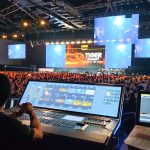
- High‑definition cameras with multi‑camera switching give virtual attendees a dynamic view of the space.
- Directional microphones and ambient mics capture speech and atmosphere without distortion.
- Professional lighting ensures speakers and performers appear vibrant on screen.
Poor sound quality is one of the fastest ways to lose digital audience attention, so investing in professional audio equipment pays dividends.
Streaming Platform and Latency Management
Choosing the right streaming platform is critical. It needs to support:
- Real‑time interaction (chat, reactions).
- Low latency to minimise delay between on‑site and virtual audiences.
- Multiple input feeds for seamless switching between cameras and content.
- Secure access for ticketed or private events.
Platforms with built‑in engagement features (polls, Q&A, breakout rooms) help bridge the experience gap.
Redundancy and Support
Always plan for contingencies:
- Backup internet sources (e.g., fibre and LTE/5G).
- Secondary streaming hardware.
- On‑site AV technicians with remote support channels.
Technical confidence allows your presenters to focus on performance, not troubleshooting.
Music and Entertainment: Elevating Both Sides of the Audience
Music is more than ambience—it’s a connective thread that enriches emotional engagement.
Curating Hybrid‑Friendly Performances
Live performances in hybrid settings must translate across screens and spaces:
- Balanced audio mixing ensures both venues and livestream attendees hear music with clarity and energy.
- Visual staging and camera choreography capture the performance’s best angles for remote viewers.
- Pre‑recorded elements (when used) should integrate seamlessly with live sets.
For example, at a hybrid gala dinner, a live band set might be streamed with close‑up shots of instrumental solos interspersed with wide‑stage views, combined with synced lighting that matches audio dynamics.
Interactive Elements
Use music to engage:
- Real‑time polls: Let virtual viewers vote on encore songs or set order during intervals.
- DJ playlists: Shared with attendees before or after the event.
- Virtual dance rooms: Where online guests can mix and share their own clips.
These interactive musical moments keep digital audiences active rather than passive.
Sound Equipment Essentials
Great sound requires more than speakers. Consider:
- Line arrays and point‑source speakers for even coverage onsite.
- Monitor speakers or in‑ear systems for performers.
- Dedicated audio feed splits for streaming (“clean feed”) so online listeners get studio‑quality sound.
- Sound engineers experienced in hybrid mixing.
Engagement increases when attendees—whether live or online—feel immersed rather than merely passive spectators.
Entertainment Beyond Music: Multi‑Modal Engagement
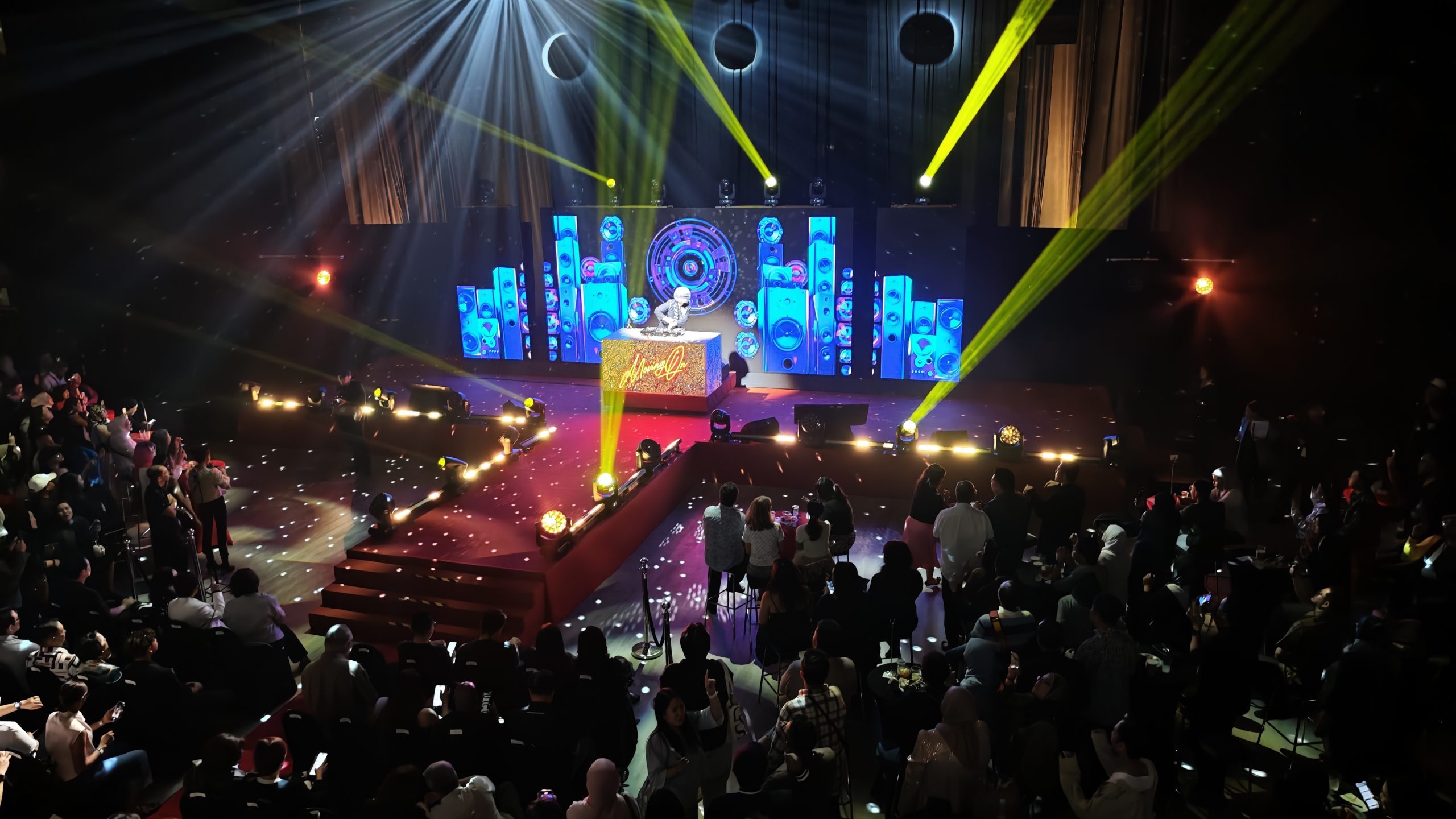
Music is powerful, but hybrid events shine when entertainment becomes interactive and inclusive.
Gamification
Inserting interactive challenges enhances attention:
- Live quizzes with real‑time leaderboards.
- Photo missions where attendees post to a social wall.
- Virtual scavenger hunts with rewards for both on‑site and online participants.
Gamification encourages participation and extends shareability.
Interactive Panels and Q&A
Hybrid audiences crave voice:
- Use moderated Q&A where both audiences submit and vote on questions.
- Bring virtual participants on camera for live interactions.
- Design panels with prompts that require responses from both groups.
This breaks down the “fourth wall” of the screen.
Designing for Engagement: Tips & Best Practices
To truly engage dual audiences, adopt thoughtful strategies throughout your event:
Tip 1: Prioritise Interactivity Over Observation
Hybrid events shouldn’t feel like watching a broadcast. Build in segments where online attendees can:
- Respond to polls
- Engage in chat breakout topics
- Influence what happens next
These choices give digital guests agency, not just attendance.
Tip 2: Keep Content Dynamic and Chunked
Long monologues lose virtual audience attention. Instead:
- Break sessions into shorter blocks (15–25 minutes).
- Alternate between presentations, discussions, and interactive elements.
- Use visuals like live drawings, slides, or brand animations to reset focus.
Dynamic pacing holds attention across formats.
Tip 3: Treat Virtual Hosts as Equal Beginnings
Have dedicated virtual hosts who:
- Welcome online attendees.
- Read chat and converge questions to the main stage.
- Serve as translators between worlds.
This prevents digital guests from feeling like spectators of a physical event in progress.
Tip 4: Rehearse with Full Tech Run
Plan dress rehearsals that simulate the real hybrid environment:
- Test camera angles, transitions, and audio levels.
- Walk through engagement tools with moderators.
- Dry‑run peak load performance with virtual participation.
A smooth performance begins long before the event day.
Post‑Event Engagement: Extending Value Beyond the Day
The conclusion of your hybrid event isn’t the end—it’s a springboard for ongoing engagement.
On‑Demand Access
Make sessions available on demand for a set period. This allows attendees to revisit content and reach audiences who couldn’t attend live.
Data Insights and Follow‑Up
Analyse engagement metrics like:
- Poll participation
- Chat frequency and sentiment
- Session attendance times
Use this data to tailor follow‑up content, segment audiences, and refine future programming.
Community Continuation
Hybrid events can spark communities:
- Create forums or groups for attendees.
- Host follow‑up sessions or exclusive online masterclasses.
- Share curated playlists or recorded highlights.
This prolongs the experience and deepens relationships beyond a single day.
Seasonal and Local Trends for Late‑Year Events
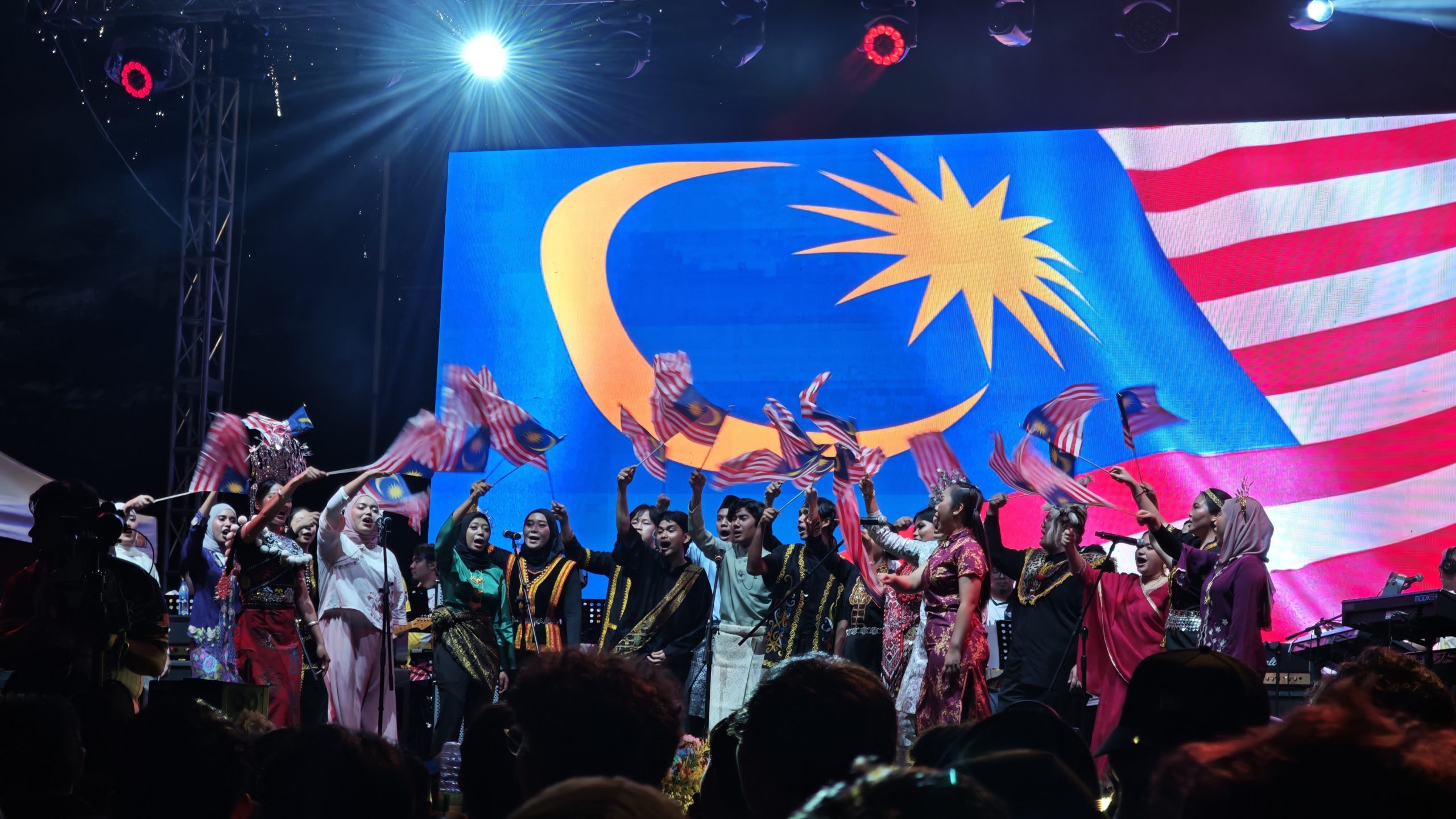
If you’re planning hybrid experiences around year‑end celebrations, holiday seasons, or corporate planning cycles in Malaysia and Southeast Asia, consider local rhythms:
- Festive season events: Integrate cultural celebrations and music themes that resonate with diverse audiences.
- Year‑end corporate summits: Offer valuable insights paired with interactive forecasting sessions to kick off the new year.
- Education showcases: Hybrid formats are ideal for schools and universities seeking to engage parents and global partners.
Timing these events around key moments maximises relevance and attendance.
Real Examples in Practice
Here’s how hybrid design elevates real scenarios:
Corporate Annual Meetings
Imagine a company’s year‑end gathering where executives present live onsite while virtual employees participate via interactive dashboards. Polls determine strategic priorities, and breakout sessions mix in‑person and online attendees for cross‑region collaboration.
Product Launch Events
A tech brand showcases its newest device onsite while international fans attend virtually. Onsite demonstrations are broadcast with multi‑angle views, while virtual guests access exclusive digital content and live Q&A sessions with product engineers.
Charity Galas & Hybrid Fundraisers
In a hybrid benefit dinner, local guests enjoy live entertainment while online donors access real‑time impact metrics, digital auctions, and performance shout‑outs streamed to all. Music sets alternate with interactive stories of impact, keeping every audience invested.
Crafting Hybrid Moments That Matter
The future of events isn’t purely physical or purely virtual—it’s what happens when the two worlds come together with intentional design, elevated production, and audience‑centric engagement. Hybrid events of 2026, and beyond, reward planners who think creatively, leverage technology, and treat both audiences with equal care.
From powerful soundscapes and captivating entertainment to seamless tech and meaningful interaction, hybrid events are the ultimate expression of connectivity in an increasingly distributed world.
Whether you’re launching a new brand experience, hosting a milestone celebration, or planning industry‑leading conferences, embracing hybrid formats allows you to reach further, engage deeper, and create moments that resonate long after the final session closes.
If you’re ready to make your next hybrid event unforgettable, start with a plan that prioritises experience, interactivity, and thoughtful production. Partner with DOREMi Events today, and you’ll unlock an audience that’s truly present, no matter where they attend.