How End-of-Year Conferences Set the Tone for Business Success in 2026
As 2025 winds down, boardrooms aren’t just closing their books—they’re lighting up with ideas, energy, and big ambitions. The once-traditional end-of-year conference has evolved far beyond a simple recap of wins and losses. Today, it’s a company’s launchpad for the future: a place where bold strategies are born, teams align with clarity, and leaders set the pace for a powerful year ahead.
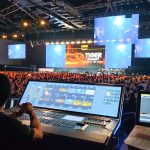
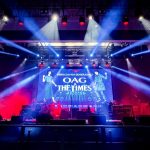
For DOREMi Events—Malaysia’s go-to expert in high-impact corporate productions—this shift isn’t just a trend; it’s an opportunity. By understanding how these conferences have transformed into strategic engines for growth, DOREMi helps businesses step confidently into 2026 with vision, purpose, and unforgettable experiences.
Key Takeaways
- Strategic Hubs: End-of-year conferences have shifted from simple celebrations to agile planning sessions for launching new initiatives and realigning priorities.
- Hybrid Accessibility: Blended formats are essential for engaging distributed global teams while providing real-time data analytics.
- Data-Driven Engagement: Using integrated event technology allows organizers to track live sentiment, Q&A participation, and session dwell times.
- Content Longevity: A smart conference turns live sessions into evergreen training modules, marketing assets, and internal communication tools.
More Than a Recap: Strategic Planning
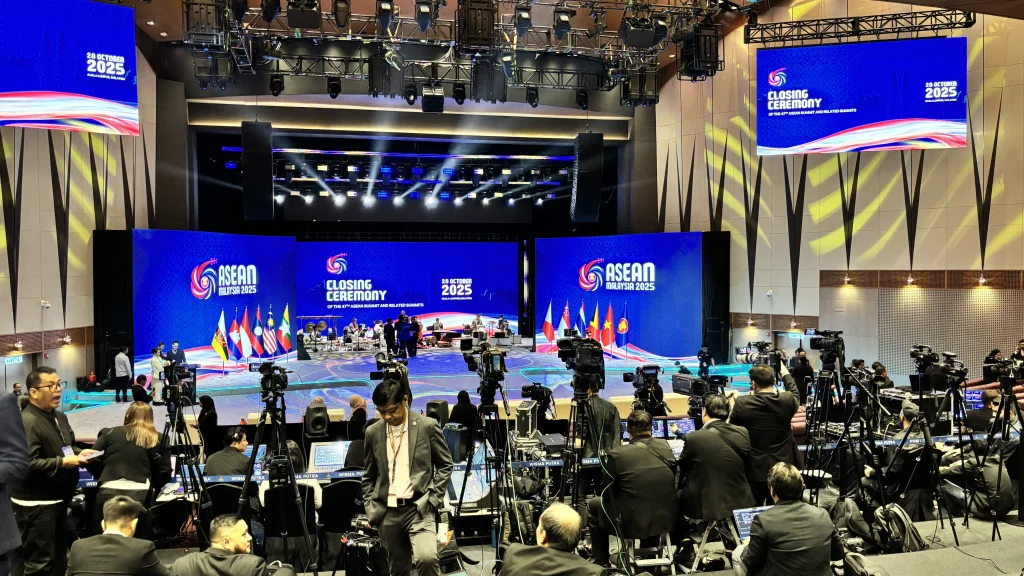
End-of-year conferences aren’t just about celebrating achievements anymore. They’ve become crucial strategy hubs where leaders unpack insights, realign priorities, and chart the roadmap for the year to come—all backed by meaningful data and real conversations.
According to industry insights, companies are increasingly using these events to:
- Present performance analytics and market forecasts
- Launch new initiatives or product roadmaps
- Facilitate cross-departmental collaboration
- Engage employees in goal-setting for the next fiscal year
This shift reflects a broader trend toward agile business planning, where decisions are made dynamically rather than waiting for quarterly reviews.
Hybrid Formats Expand Reach and Flexibility
One of the most significant changes in recent years is the rise of hybrid and blended event formats. These allow companies to host in-person gatherings while simultaneously engaging remote teams via live streams, virtual breakout rooms, and interactive platforms.
Hybrid events offer several advantages:
- Global accessibility for distributed teams
- Cost savings on travel and accommodation
- Real-time analytics on engagement and participation
- Scalable content delivery for post-event use
DOREMi Events has seen a surge in demand for hybrid setups, especially among multinational clients who want to unify their workforce across time zones without sacrificing the energy of a live event.
Wellness and Culture Take Center Stage
In 2026, corporate culture is not just a buzzword—it’s a business imperative. End-of-year conferences are increasingly incorporating wellness programming, DEI (diversity, equity, inclusion) workshops, and team-building experiences to foster a healthier, more connected workforce.
Current trends highlight the rise of:
- Mindfulness sessions and guided meditations
- Gamified engagement to boost participation
- Inclusive content that reflects diverse perspectives
- Sustainable event practices like zero-waste catering and carbon offsetting
These elements help companies reinforce their values and build trust, which is essential for long-term success.
Data-Driven Engagement and Feedback Loops
Modern conferences are powered by data. From registration analytics to post-event surveys, companies are using technology to measure impact and refine future strategies.
Key metrics include:
- Session attendance and dwell time
- Poll and Q&A participation rates
- Social media mentions and sentiment analysis
- Lead generation and conversion tracking
Platforms like Slido, Hopin, and Bizzabo offer integrated dashboards that help organizers and stakeholders make informed decisions. DOREMi Events often integrates these tools into its AV setups, ensuring seamless data capture and reporting.
Content That Lives Beyond the Event
In 2026, the value of a conference doesn’t end when the lights go down. Companies are repurposing event content into:
- Training modules for onboarding
- Marketing assets like highlight reels and testimonials
- Internal communications for alignment and transparency
This approach maximizes ROI and ensures that key messages continue to resonate long after the event.
Venue Selection Reflects Brand Strategy
Choosing the right venue is more than a logistical decision—it’s a branding move. Trending locations for 2026 include:
- Eco-certified resorts for sustainability-focused companies
- Urban innovation hubs for tech and startup sectors
- Cultural landmarks for heritage-rich organizations
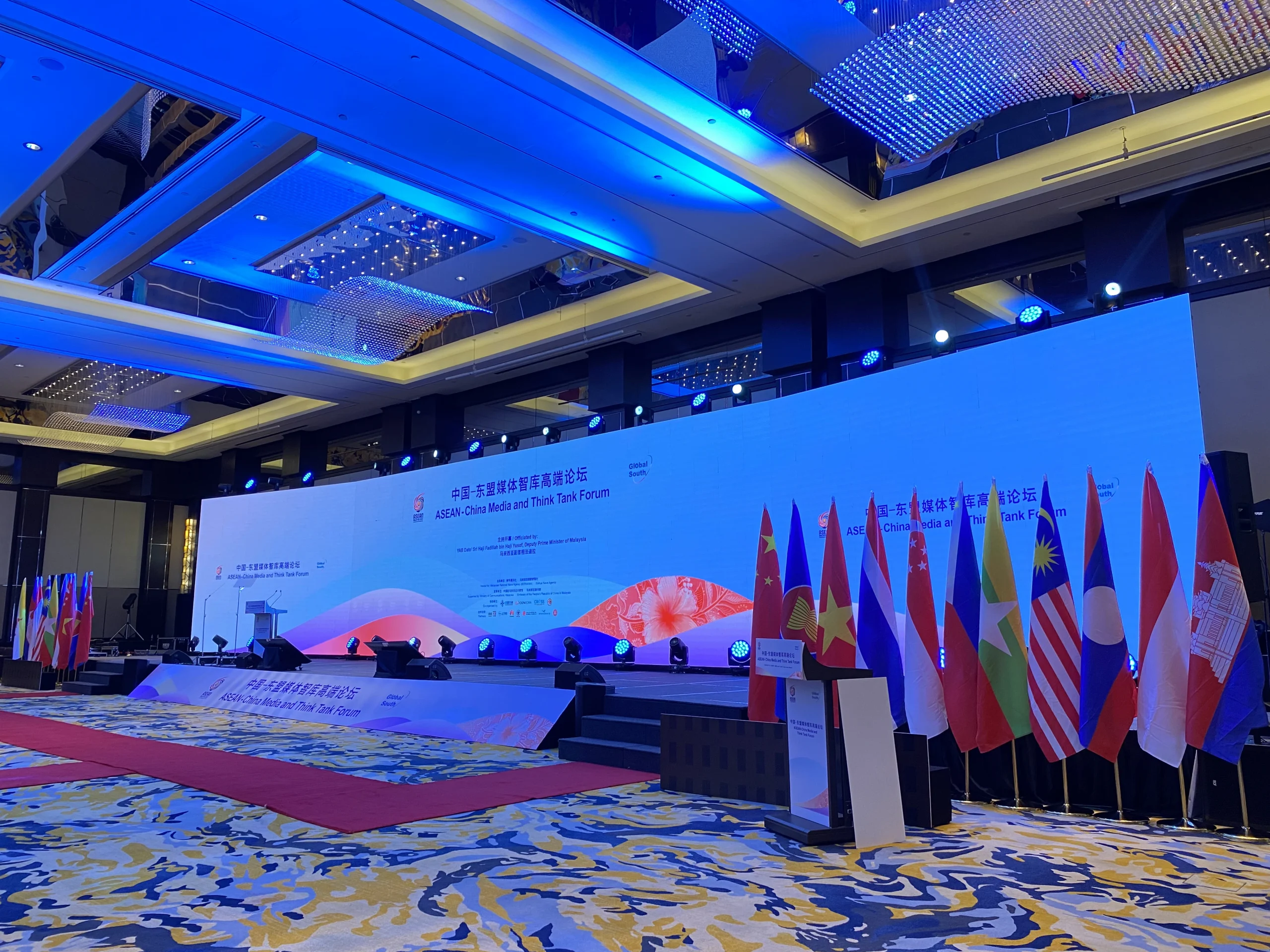
DOREMi Events works closely with clients to match venue aesthetics with brand identity, ensuring that every detail—from lighting to layout—reinforces the company’s message.
Setting the Stage for 2026
End-of-year conferences are no longer just a tradition—they’re a strategic necessity. By combining reflection, innovation, and engagement, these events help businesses align their teams, inspire action, and set a confident tone for the year ahead.
For DOREMi Events, the mission is clear: to help clients create experiences that are not only memorable but transformational. Whether through cutting-edge AV setups, hybrid formats, or culturally resonant programming, the goal is to turn every end-of-year conference into a springboard for success in 2026.