DIY vs. Professional Event Planning: What’s Worth Investing In?
December is a month when event dreams collide with reality.
One moment, you’re imagining a beautifully lit ballroom, a perfectly timed countdown, or a wedding reception that flows effortlessly from speeches to dancing. The next, you’re deep in spreadsheets, juggling vendors, debating whether you really need professional sound equipment, and wondering if a friend with a good playlist might be “good enough.”
In 2025, more people than ever are considering a do-it-yourself approach to events. With online inspiration, rental marketplaces, and endless tutorials, planning an event yourself feels possible. But possible doesn’t always mean practical.
So how do you decide what to DIY and what to invest in professionally?
Let’s break it down—honestly, practically, and with a focus on what truly makes an event unforgettable.
Key Takeaways
- The Hidden Cost of DIY: Saving money upfront often costs you your peace of mind. DIYing means you become the technical director and crisis responder instead of a guest at your own event.
- Audio is Non-Negotiable: Consumer-grade Bluetooth speakers cannot handle the acoustic challenges of large venues. Professional audio ensures speeches are crystal clear and music feels immersive.
- Lighting Dictates the Mood: Professional lighting design does more than illuminate; it transitions the energy of the room and guarantees your photos and videos look polished.
- Smart Budgeting: If you must compromise, cut back on elaborate décor. Never skip investing in a reliable sound system, quality lighting, and an experienced technical crew.
Why DIY Event Planning Is So Tempting
There’s a reason DIY planning has gained traction.
First, it feels cost-effective. Skipping a professional planner or AV team seems like an obvious way to trim the budget. Second, it gives you control. You get to choose every song, every light color, every detail. Third, there’s pride in pulling it off yourself.
For smaller gatherings—intimate birthdays, casual house parties, low-guest-count celebrations—DIY can absolutely work. Renting simple speakers, arranging décor yourself, or creating your own playlist can be sufficient when expectations and logistics are manageable.
But as events grow in scale or complexity, the gap between “good enough” and “exceptional” becomes much more visible.
The Real Cost of DIY: Time, Stress, and Risk
Budget is often the main reason people consider DIY. But money isn’t the only currency in event planning. Time, energy, and stress are equally important.
Here’s what many hosts underestimate:
- Coordinating multiple vendors and schedules
- Troubleshooting sound issues mid-event
- Managing last-minute program changes
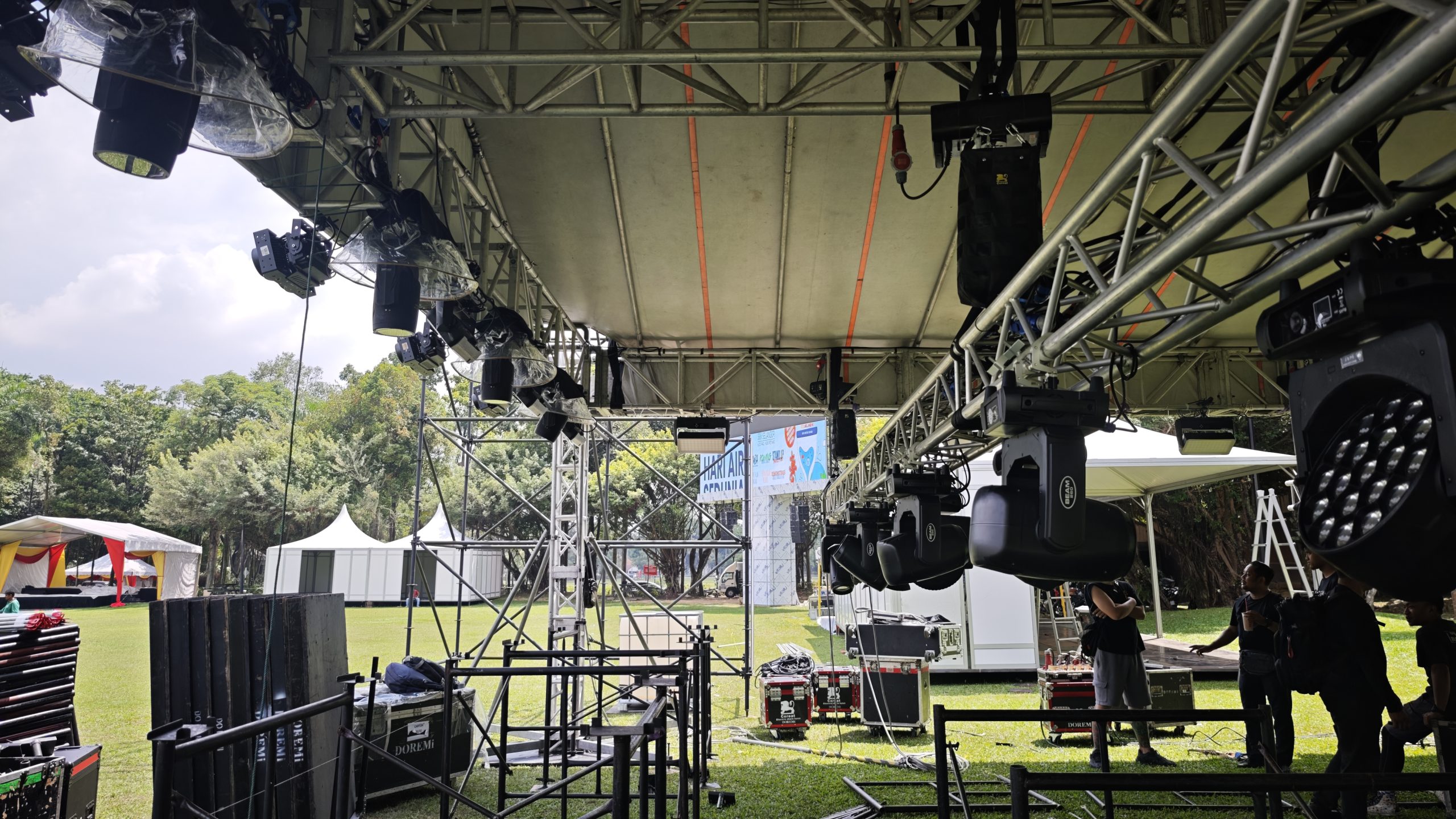
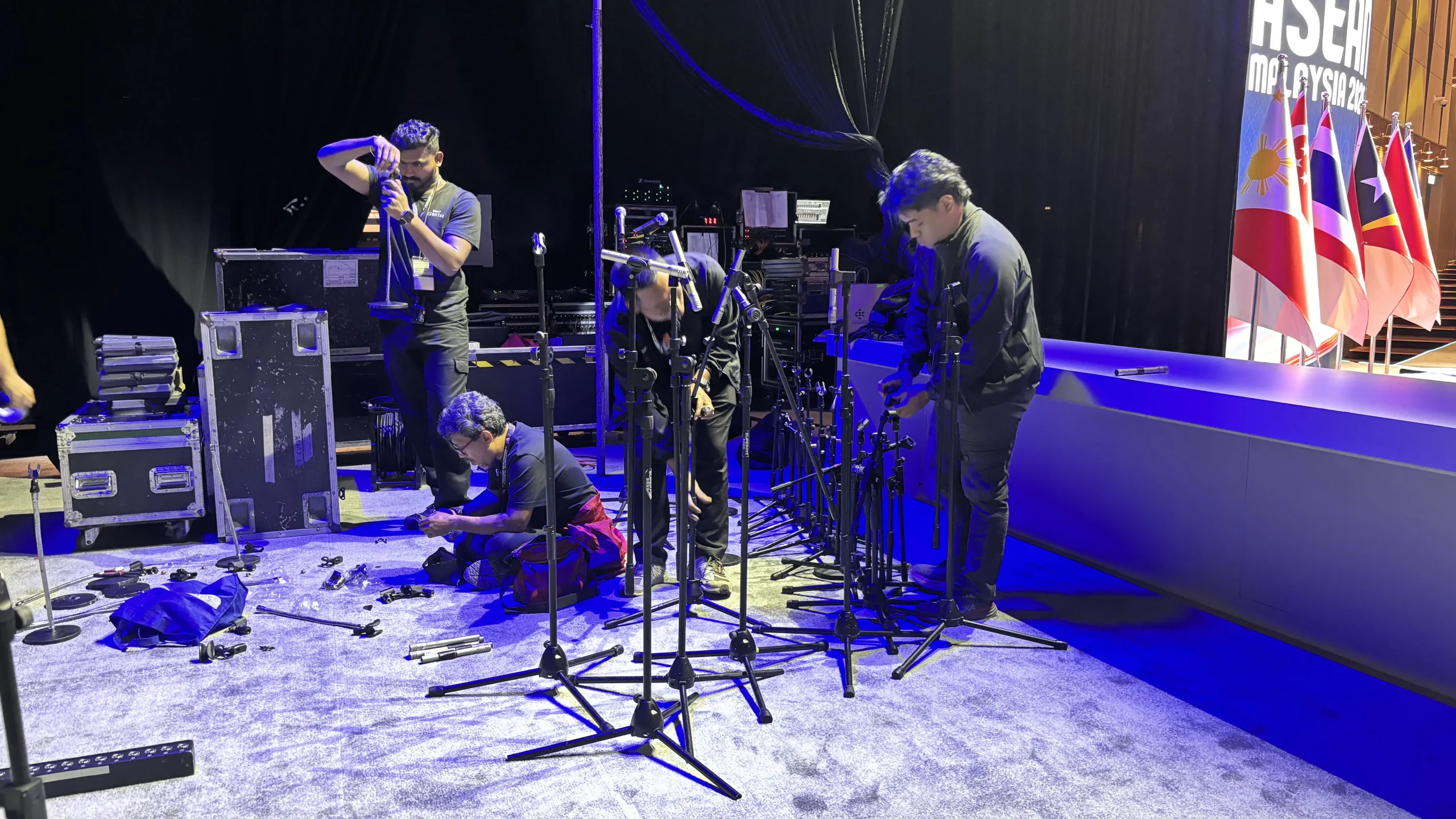
- Handling technical setup and teardown
- Ensuring equipment compatibility
For example, a simple wedding reception may involve microphones for speeches, background music during dinner, dance music afterward, lighting for ambiance, and possibly a slideshow or live performance. Each of these requires proper setup, calibration, and testing.
When you DIY, you become the event manager, technical director, and crisis responder—often while trying to enjoy the event yourself. That’s where professional support changes everything.
What’s Worth Investing In: Sound That Actually Sounds Good
If there’s one area where DIY most often falls short, it’s audio.
Clear, balanced sound is non-negotiable. Guests need to hear vows, speeches, emcees, and performances without straining. Music needs to feel immersive, not distorted or uneven.
Professional sound systems typically include:
- High-quality speakers calibrated for venue size
- Subwoofers for fuller bass during dance segments
- Wireless microphones with backup units
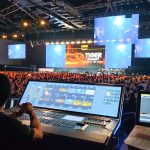
- Audio mixers for real-time sound control
- On-site technicians monitoring levels
In contrast, consumer-grade speakers—even powerful ones—aren’t designed for large venues or dynamic programming. Echo in banquet halls, outdoor wind interference, or feedback from poorly placed microphones can quickly disrupt the experience.
Investing in professional audio isn’t about luxury. It’s about reliability. When the father of the bride gives his speech or when the countdown hits zero at a New Year’s celebration, clarity matters.
Lighting: The Difference Between Ordinary and Cinematic
Lighting is often underestimated because people think of it as decoration. In reality, lighting shapes mood, photography, and overall atmosphere.
Consider how lighting transforms a space:
- Warm uplighting creates intimacy at weddings.
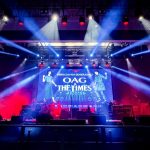
- Dynamic moving lights energize corporate year-end parties.
- Soft washes highlight stage backdrops without overwhelming speakers.
- Pin-spot lighting enhances centerpieces and cake tables.
DIY lighting usually involves basic venue fixtures or a few rented LED units. Professional lighting design, however, involves strategic placement, programming, and synchronization with the event flow.
For example, during a wedding first dance, lights can subtly dim around the room while a soft spotlight highlights the couple. During a corporate awards presentation, lighting can shift to bold colors that match brand themes. These transitions don’t happen automatically. They require planning, technical setup, and live control.
In 2025, with social media still influencing how events are shared, well-designed lighting also ensures your event photographs and videos look polished and vibrant.
Entertainment: Playlist vs. Live Experience
Music defines the emotional rhythm of any event.
A curated playlist can work for casual gatherings. But for weddings, gala dinners, product launches, or large-scale holiday celebrations, professional entertainment elevates the energy.
Professional DJs do more than press play. They:
- Read the room and adjust music accordingly
- Manage smooth transitions between segments
- Coordinate closely with emcees and planners
- Handle announcements and timing cues
- Maintain consistent energy flow
Live bands add another layer of engagement, especially during festive seasons when holiday classics, jazz ensembles, or pop covers create a lively atmosphere.
In December 2025, themed celebrations—year-end appreciation dinners, Christmas parties, and countdown events—are incorporating more interactive entertainment, including live performers, LED drummers, and hybrid DJ-musician setups. These aren’t elements easily replicated with a Bluetooth speaker and a Spotify playlist.
Production & Technical Coordination: The Invisible Backbone
Behind every seamless event is careful production planning.
Professional teams handle:
- Stage layout and rigging
- Power distribution and safety checks
- Equipment load-in and load-out
- Backup systems for critical components
- Cue sheets for program flow
Without structured production oversight, small issues can snowball. A delayed program segment affects catering timing. A missing cable disrupts a presentation. A lighting cue fails because it wasn’t properly programmed.
Production professionals think ahead. They build contingencies. They test everything before guests arrive. It’s the difference between reacting to problems and preventing them.
When DIY Makes Sense
Professional support doesn’t mean you must outsource everything.
Here’s where DIY often works well:
- Concept ideation and theme selection
- Personal décor elements
- Guest list management
- Simple digital invitations
- Intimate home gatherings
In fact, many successful events combine personal touches with professional execution. For example, you might design your own wedding signage or holiday centerpieces but leave the audio, lighting, and staging to experienced technicians. The goal isn’t to remove your involvement—it’s to protect your vision.
December 2025 Trends: Elevated Expectations
As of December 2025, event expectations are noticeably higher than pre-pandemic years.
Guests are accustomed to:
- Immersive lighting setups
- High-quality sound at even mid-sized events
- Instagram-worthy backdrops
- Smooth, well-paced programs
Corporate clients, in particular, are investing more in year-end events to recognize employees and strengthen team morale. Weddings are increasingly incorporating live streaming elements for overseas guests. Holiday gatherings feature coordinated light shows and interactive entertainment.
These trends mean technical standards have risen. What worked five years ago may now feel underwhelming. Professional teams stay updated on equipment advancements, lighting technologies, and entertainment formats, ensuring your event feels current—not dated.
Budgeting Smartly: Where to Prioritize Spending
If budget is limited, you need to know where to draw the line. As recommended by event management authorities like Cvent, prioritize these core areas to maximize your impact:
- Sound system and technician – Non-negotiable for clear communication.
- Lighting for key areas – Stage, dance floor, or main focal points.
- Professional emcee or DJ – Keeps the program flowing.
You can scale back on elaborate décor or specialty effects if needed, but cutting core technical support often creates more visible issues. Also consider value over cost. Investing slightly more upfront can prevent costly last-minute fixes or reputation damage, especially for corporate events.
The Peace-of-Mind Factor
Perhaps the most overlooked benefit of professional event planning and production is peace of mind.
When professionals handle logistics, you can:
- Focus on hosting
- Engage with guests
- Participate fully in key moments
- Avoid running back and forth managing issues
Weddings should feel romantic, not stressful. Corporate events should reflect confidence, not chaos. Holiday gatherings should be joyful, not overwhelming. The right team acts as a silent partner, ensuring everything runs smoothly behind the scenes.
A Balanced Approach: Collaboration, Not Replacement
Choosing professional event support doesn’t mean surrendering control. It means collaborating with people who translate your ideas into reality.
At DOREMi Events, the focus is on understanding your vision first. Whether it’s a sophisticated wedding reception, a high-energy year-end corporate gala, or a festive holiday celebration, the goal is to align technical execution with your style and objectives.
From sound system setup and lighting design to stage production and entertainment coordination, each element is tailored—not templated. And importantly, services can scale. Not every event needs a full-scale production crew. Some need focused technical support. Others require comprehensive planning and execution. Flexibility is key.
Invest Where It Matters Most
DIY event planning isn’t inherently wrong. For small, simple gatherings, it can be practical and meaningful. But when the stakes are high—when moments matter, reputations are involved, or memories will be captured and shared—professional investment pays off.
Ask yourself:
- Will I enjoy my own event if I’m managing it?
- Can I confidently troubleshoot technical issues?
- Is the experience I’m envisioning achievable without expert support?
Events are more than schedules and equipment. They are experiences shaped by sound, light, timing, and atmosphere. The smartest approach isn’t choosing DIY or professional blindly—it’s understanding which elements truly define your event’s success and investing accordingly.
As 2025 comes to a close and celebrations fill the calendar, thoughtful planning and the right support can transform your event from “it went well” to “that was unforgettable.” And that difference is always worth investing in.