Why Audio Clarity is Crucial for Conferences, Concerts & Corporate Events
September 2025 has been one of those months that reminds us why we do what we do at DOREMi Events.
As Malaysia stepped into the final quarter of the year, the calendar filled quickly. Corporate conferences resumed after mid-year planning cycles. Universities and training institutions launched new academic terms. Brands prepared for Q4 campaigns. Meanwhile, private concerts, appreciation nights, and large-scale seminars returned to full momentum after the mid-year lull.
Across every venue we stepped into this month — from hotel ballrooms to convention halls and outdoor stages — one truth stood out clearly: Audio clarity can make or break an event.
You can have stunning décor, powerful content, and an impressive guest list. But if your audience struggles to hear, understand, or feel the sound — the entire experience collapses.
In September 2025, our focus at DOREMi was simple yet critical: delivering precision sound engineering tailored to the specific demands of conferences, concerts, and corporate events. Let’s talk about why audio clarity matters more than most people realise — and how the right production team changes everything.
Key Takeaways
- Volume Does Not Equal Clarity: Pushing the volume up in a reflective hotel ballroom only creates more echo. True clarity requires proper EQ, speaker placement, and real-time mixing.
- Clarity Builds Authority: In corporate seminars, muffled audio damages brand credibility. Crisp, uninterrupted sound ensures presenters command the room.
- The Sound Check is Sacred: Never skip rehearsals. Even the most seasoned performers and executives need proper monitoring and mic testing to deliver a flawless execution.
- Expertise Beats Equipment: High-end speakers are useless without an experienced sound engineer actively anticipating microphone handovers and managing room acoustics.
The Silent Killer of Events: Poor Sound
Many event planners prioritise visuals first — LED screens, lighting design, stage aesthetics. While these are important, sound is the element that directly connects speakers and performers to the audience.
When audio fails, you see it immediately:
- Guests leaning forward, straining to hear.
- Side conversations starting.
- Presenters repeating themselves.
- Energy dropping in the room.
In conferences especially, clarity equals credibility. A CEO delivering quarterly results cannot afford microphone distortion. A panel discussion loses authority if voices echo or overlap. A trainer loses impact if every sentence sounds muffled.
In concerts and appreciation nights, clarity transforms into emotion. The bass must be deep but controlled. Vocals must cut through instrumentals. Every note should feel intentional.
In September, we supported multiple corporate seminars and live entertainment setups where careful sound planning made the difference between “just another event” and a professionally executed experience.
Understanding Audio Clarity: It’s More Than Just Volume
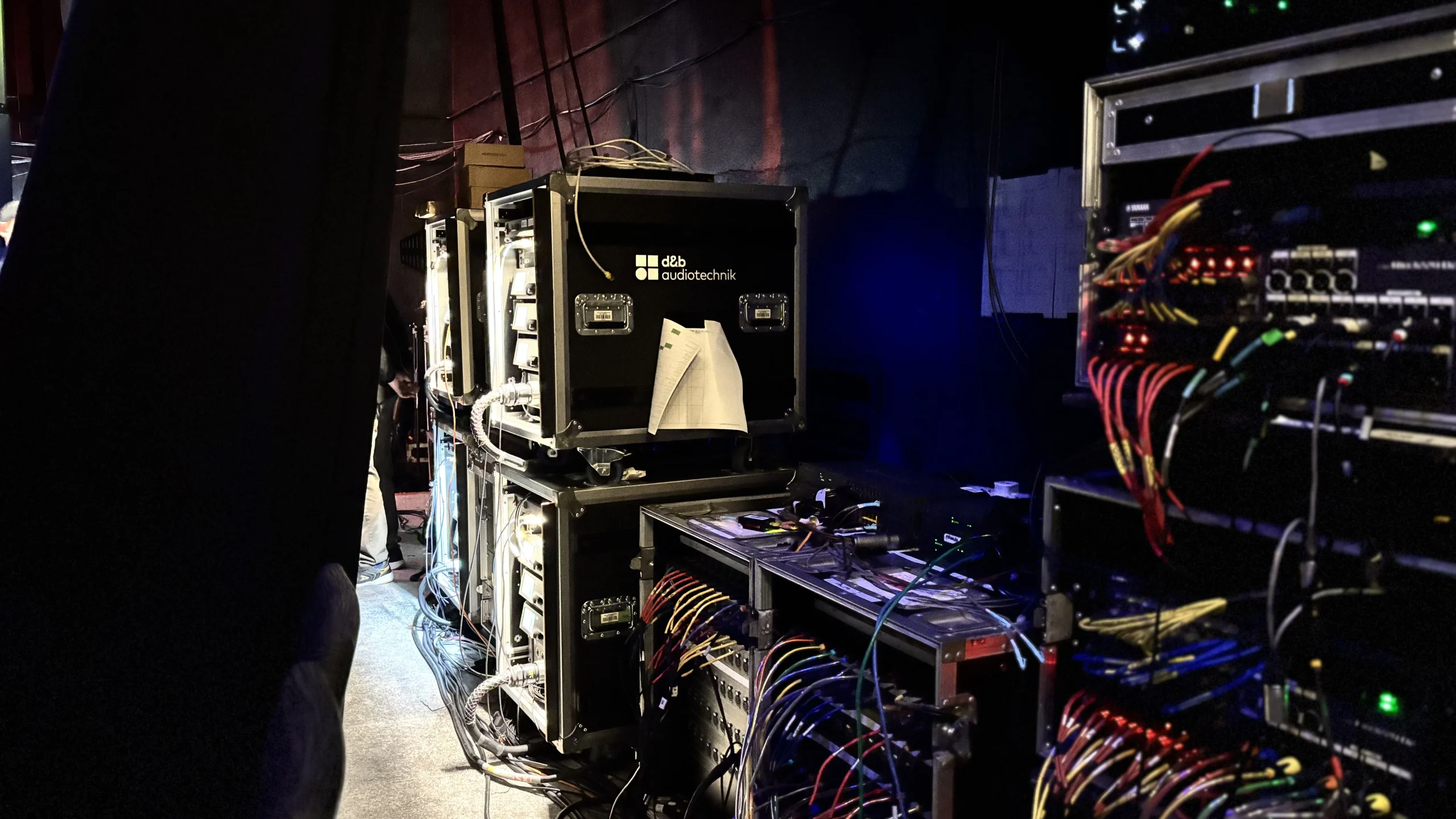
One of the biggest misconceptions we encounter is this: “Just make it louder.”
Volume is not clarity.
True audio clarity involves:
- Proper microphone selection
- Correct speaker placement
- Acoustic assessment of the venue
- Balanced mixing of frequencies
- Real-time monitoring
- Eliminating feedback and echo
In September 2025, many indoor events were hosted in hotel ballrooms — spaces that often have reflective surfaces like marble floors and high ceilings. Without proper equalisation and speaker distribution, these venues can produce unpleasant echoes.
Our approach always begins with a site inspection. Before any equipment is set up, we assess:
- Room size and shape
- Ceiling height
- Stage position
- Seating arrangement
- Audience size
- Potential noise interference
From there, we determine the right configuration of line-array speakers, subwoofers (if needed), stage monitors, and wireless microphone systems.
Conferences & Corporate Seminars: Clarity Builds Authority
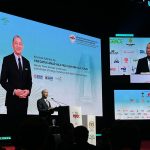
September is traditionally a strong month for corporate events. With Q4 planning around the corner, many organisations hosted leadership meetings, product briefings, and annual strategy conferences.
In these settings, speech intelligibility is everything.
For conferences, we prioritised:
- High-quality wireless handheld microphones for speakers.
- Lapel (lavaliere) microphones for presenters who move across stage.
- Backup microphones to ensure zero disruption.
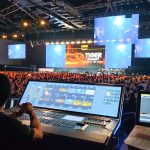
- Digital mixing consoles for precise control over voice frequencies.
Clear audio ensures that:
- Every word from the keynote speaker reaches the back row.
- Panel discussions flow smoothly without overlapping noise.
- Audience Q&A sessions remain controlled and audible.
We also noticed an increase in hybrid-ready setups in September 2025. While not every event was fully hybrid, many organisers wanted the flexibility to record or stream segments. Clear audio capture is critical not just for the live audience, but also for recordings.
A well-mixed sound feed ensures that playback videos remain professional — something many companies now repurpose for internal training or marketing.
Concerts & Live Performances: Sound That Moves the Crowd
While conferences demand clarity, concerts demand both clarity and power.
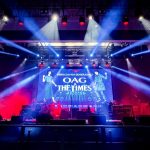
September featured several appreciation nights and entertainment-focused events where live bands and guest performers took centre stage.
Live performance sound design is a completely different discipline. It requires:
- Balanced instrument mixing.
- Stage monitors for performers to hear themselves.
- Controlled bass levels that energise without overpowering vocals.
- Sound checks long before doors open.
One key lesson we reinforce with clients is this: never skip sound check time.
Even experienced performers need proper monitoring to deliver their best performance. Inadequate monitoring leads to off-key singing or inconsistent instrument levels — not because the talent lacks skill, but because they cannot hear properly.
During September’s live setups, we ensured:
- Dedicated monitor mixes for vocalists.
- Proper DI boxes for instruments.
- Clear separation between front-of-house sound and stage monitoring.
- Controlled subwoofer placement to avoid muddy bass in enclosed halls.
The result? Clean vocals, warm instrumentals, and an immersive experience that felt intentional — not overwhelming.
Corporate Dinners & Appreciation Nights: Subtle Sound Matters
Not all events require booming speakers.
September also saw multiple corporate dinners and recognition ceremonies where the objective was elegance, not intensity.
In such events:
- Background music must be warm but not intrusive.
- Award announcements must be crisp and dignified.
- Emcee microphones must sound natural and controlled.
This is where sound restraint becomes an art.
We carefully adjusted sound levels to maintain ambience without forcing guests to shout across tables. For award segments, we increased clarity and presence to highlight key moments without shocking the audience with sudden volume spikes.
Good audio engineering is not just about power — it is about control.
Equipment Matters — But Expertise Matters More
At DOREMi Events, we invest in professional-grade sound systems because reliability is non-negotiable. However, equipment alone does not guarantee success.
Sound engineering is a live discipline. During every event in September, our technicians:
- Continuously monitored sound levels.
- Adjusted EQ settings based on audience absorption.
- Anticipated microphone handovers.
- Managed unexpected variables like late speaker changes.
Even the best microphone can produce feedback if mishandled. Even powerful speakers can distort if improperly calibrated.
Clients often do not notice good sound — and that is the goal. Seamless audio should feel effortless.
Common Audio Mistakes Event Planners Should Avoid
Throughout September, we noticed recurring mistakes from venues or inexperienced providers. Here are a few to avoid:
- Relying on in-house venue sound without testing it: Some hotel systems are suitable for small meetings but struggle with larger audiences.
- Insufficient microphones for panel sessions: Passing a single microphone across five panelists wastes time and disrupts flow.
- Skipping rehearsal: A quick 30-minute sound check can prevent 90% of live-event issues.
- Poor speaker placement: Placing all speakers at the front in a wide hall creates uneven distribution.
- Ignoring backup plans: Always have spare microphones and cables ready.
Planning for sound early — not as an afterthought — is one of the smartest decisions any event organiser can make.
Seasonal Trends in September 2025

As businesses accelerate toward year-end objectives, we observed several trends this month:
- Increased demand for half-day corporate forums.
- Higher expectations for polished production quality.
- More interactive sessions requiring roaming microphones.
- Growing awareness among clients about the importance of professional sound teams.
Event audiences in 2025 are more discerning. They attend multiple events throughout the year and quickly notice production quality differences.
Clear, balanced audio signals professionalism.
Why Audio Clarity Directly Impacts Brand Perception
Every event represents a brand.
If audio is distorted:
- The brand feels unprepared.
- The message loses authority.
- The experience feels amateur.
If audio is clear:
- Speakers sound confident.
- Content feels impactful.
- The event reflects credibility.
Sound influences perception in subtle but powerful ways.
In September, several corporate organisers specifically requested enhanced sound reinforcement because their audience included senior management and external stakeholders. They understood that production quality reflects brand standards.
Practical Recommendations for Your Next Event
If you are planning a conference, seminar, or concert in the coming months, here are practical steps to prioritise audio clarity:
Start discussions about sound during early planning stages — not one week before the event.
Confirm:
- Audience size
- Type of content (speech-heavy or music-heavy)
- Room layout
- Duration of event
- Need for recording or streaming
Schedule a proper sound check. Ensure all speakers test their microphones in advance. Brief your emcee about microphone handling (distance matters).
Work with a production team that understands event flow — not just equipment setup.
Looking Ahead: Finishing 2025 Strong
September 2025 reinforced a simple truth for us at DOREMi Events:
Sound is not a supporting element. It is the backbone of communication.
As we move into the final quarter of the year — with annual dinners, product launches, conferences, and festive events approaching — audio clarity will continue to define event success.
Whether it is a leadership summit requiring precise speech reinforcement, a live band energising a crowd, or a formal awards night demanding elegant ambience, professional sound design transforms the experience.
At DOREMi, we approach every event with the same principle: Deliver sound that is heard, understood, and felt.
Because when your audience hears every word clearly, your message carries weight. When they feel every note precisely, your event becomes memorable. And when your production runs seamlessly, your brand stands taller.
As September closes, we remain committed to raising the standard of event production — one perfectly balanced sound system at a time.
If you are planning your next event, start with clarity. The rest will follow.