Eco-Friendly Production: Reducing Heat & Energy with LED Tech
Let’s be real—events today aren’t just about looking good. They’re about doing good too.
From corporate launches to large-scale festivals, there’s a growing expectation for events to be not only impressive, but also environmentally responsible. Audiences are paying attention. Clients are asking questions. And sustainability is no longer a “nice-to-have”—it’s becoming the standard.
That’s where LED technology steps in.
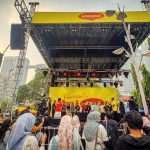
From vibrant stage lighting to massive LED screens, this technology is changing the game in event production. It uses less energy, produces less heat, and gives you incredible flexibility to create stunning visuals—without the heavy environmental cost. In short, it helps you deliver high-impact experiences while keeping your footprint low.
In this article, we’ll explore how LED technology is making events more eco-friendly, why it matters more than ever, and how you can start making smarter, greener choices in your event planning.
Why Sustainability Matters in Event Production
Behind every spectacular event is a huge amount of energy, equipment, and resources.
Traditional lighting systems and older display setups often consume large amounts of power and generate significant heat. This doesn’t just drive up electricity costs—it also means more cooling systems are needed, which adds even more strain on energy use. The result? Higher operational costs and a bigger environmental impact.
But things are changing. Today’s audiences are more environmentally aware, and brands are expected to reflect that. Sustainability is no longer just part of operations—it’s part of your image. It influences how people perceive your brand, your values, and your commitment to the future.
Making the switch to LED technology is one of the simplest yet most effective ways to start. It’s practical, impactful, and a clear step toward creating events that are not just memorable—but responsible too.
The Efficiency of LED Technology
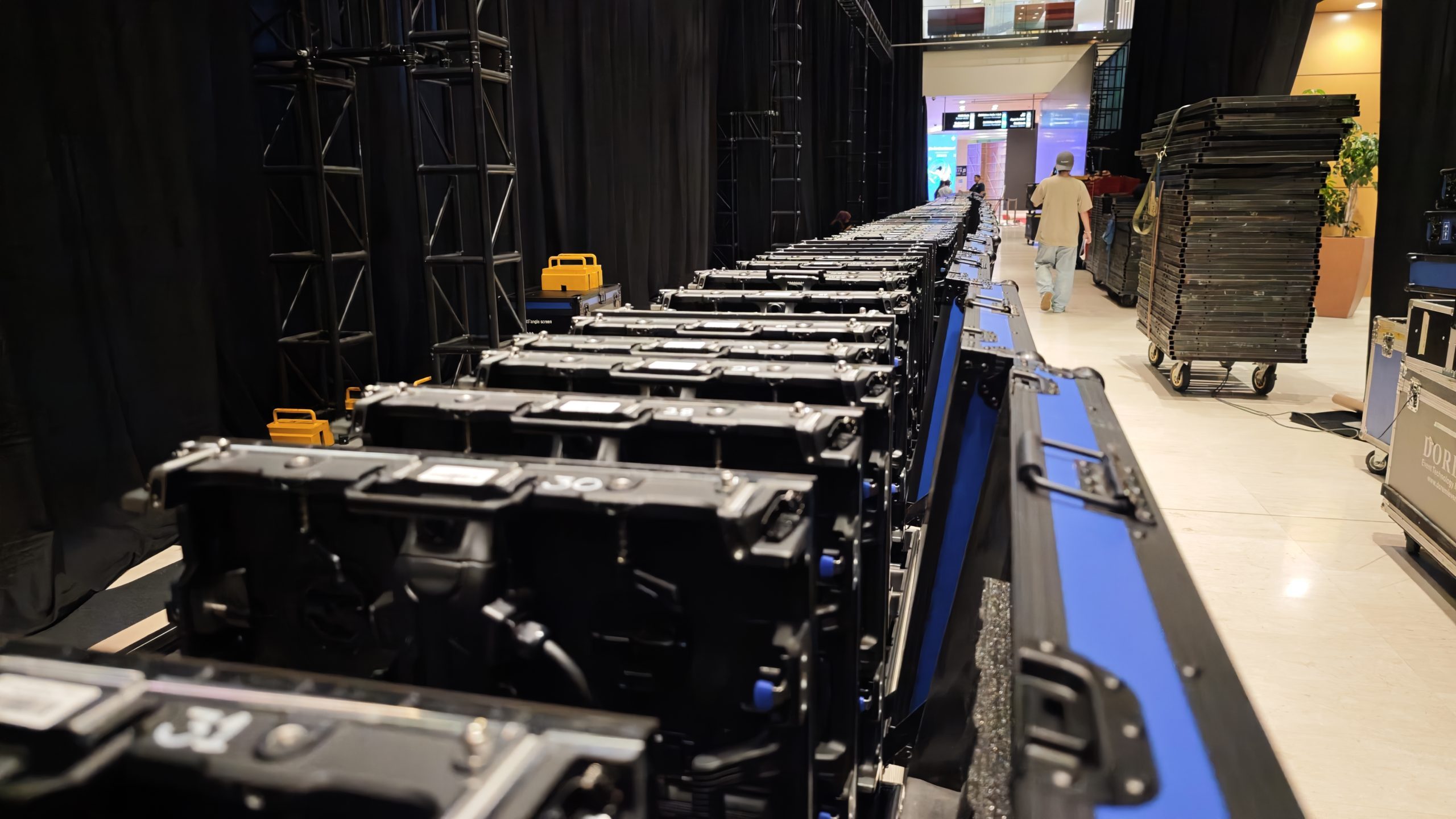
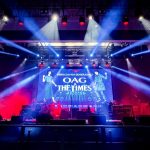
LEDs (Light Emitting Diodes) are designed to convert energy into light with minimal waste. Unlike incandescent or halogen bulbs, which release much of their energy as heat, LEDs produce light efficiently and remain cool to the touch. According to energy efficiency standards, this efficiency translates into several key benefits:
- Lower Energy Consumption: LED fixtures use significantly less electricity compared to traditional lighting. For example, a 100-watt halogen spotlight can often be replaced by a 20-watt LED fixture with similar brightness. Across an entire event, this reduction adds up to substantial energy savings.
- Reduced Heat Output: Traditional stage lights generate intense heat, often requiring additional cooling systems or air conditioning to maintain comfortable environments. LEDs emit minimal heat, reducing strain on HVAC systems and improving audience comfort.
- Longer Lifespan: LED fixtures last much longer than conventional bulbs. This reduces replacement frequency, minimizes waste, and lowers maintenance costs.
- Versatility: LED technology supports dynamic color mixing, programmable effects, and integration with digital control systems. This flexibility allows creative teams to achieve stunning visuals without excessive equipment.
LED Walls: Sustainable Visual Impact
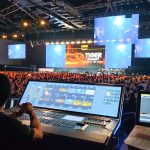
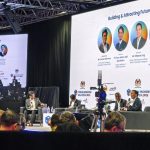
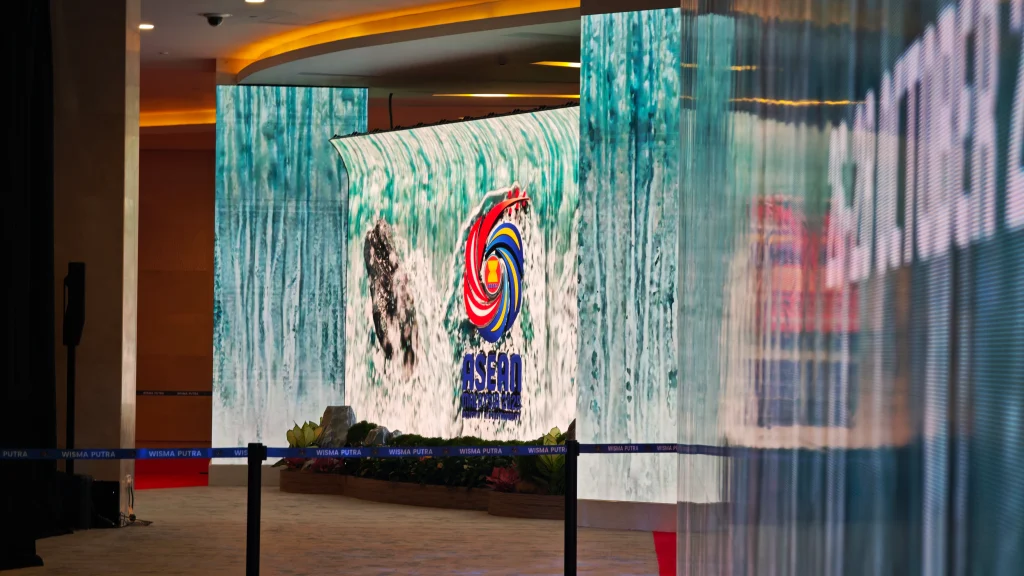
Large-format visuals are a staple of modern events, from corporate conferences to concerts. Traditionally, projection systems were used to display content, but they often required high power loads and generated significant heat. LED walls have become the preferred alternative for several reasons:
- Energy Efficiency: LED panels consume less power than high-output projectors.
- Brightness and Clarity: LEDs deliver vivid visuals even in brightly lit environments, reducing the need for additional lighting.
- Durability: Modular LED panels are built for repeated use, reducing waste over time.
- Reduced Cooling Needs: Unlike projectors, which require strong cooling fans, LED walls operate with lower heat output.
Suggested Production Materials for Eco-Friendly Events
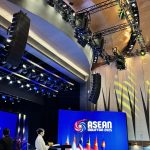
- LED Stage Lighting Fixtures: PAR cans, moving heads, and wash lights designed for energy efficiency.
- LED Video Walls: Modular panels for high-resolution visuals, suitable for indoor and outdoor events.
- LED Spotlights and Floodlights: Ideal for highlighting key areas without excessive power draw.
- Battery-Powered LED Uplights: Portable fixtures that reduce cabling and power requirements.
- LED Strips and Decorative Fixtures: Flexible options for thematic designs and ambient lighting.
Practical Steps for Organizers
Early Technical Planning
Secure LED equipment early, especially during peak seasons like April’s Raya Rush. This ensures access to the most efficient fixtures and avoids reliance on older, less sustainable alternatives.
Energy Audits
Work with technical providers to estimate power requirements. LED-based setups often reduce total load, allowing venues to optimize electrical distribution and minimize generator use for outdoor events.
Integration with Control Systems
Modern LED fixtures can be programmed to operate efficiently, reducing unnecessary usage. Intelligent control systems allow precise dimming, scheduling, and synchronization.
Hybrid Approaches
Combine LED visuals with sustainable staging practices, such as reusable set pieces and modular designs. This reduces material waste while maintaining creative impact.
The Bigger Picture: Sustainability as a Standard
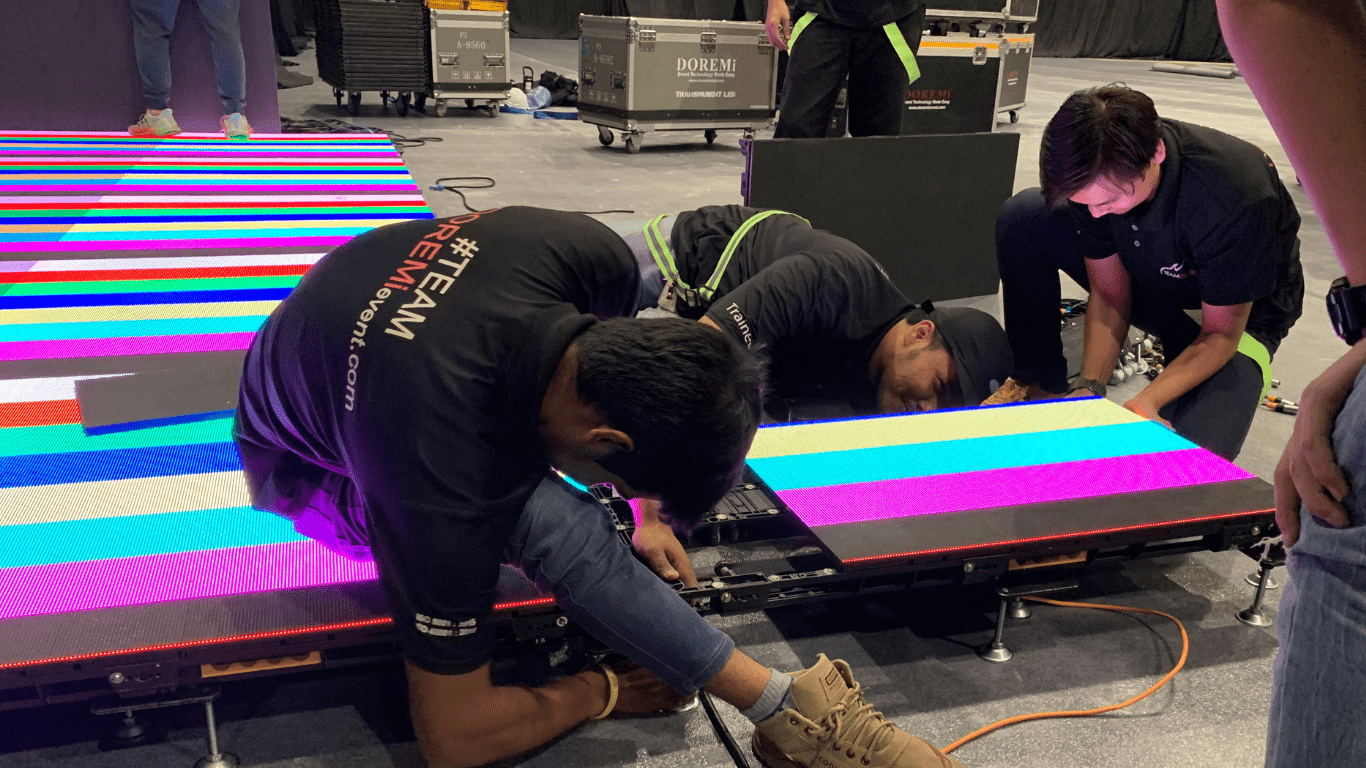
LED technology is not just a trend—it is becoming the industry standard. As venues upgrade infrastructure and suppliers expand rental inventories, LEDs are increasingly accessible for events of all sizes. For organizers, adopting LED solutions demonstrates commitment to sustainability, aligns with global environmental goals, and enhances audience perception.
Moreover, eco-friendly production practices often deliver financial benefits. Lower energy bills, reduced cooling costs, and longer equipment lifespans contribute to overall efficiency. This makes sustainability not only a responsible choice but also a practical one.
To wrap it all up, Eco-friendly production is about making smart choices that balance impact with responsibility. LED technology offers a clear path forward, reducing heat output, lowering energy consumption, and enabling creative flexibility. From stage lighting to video walls, LEDs empower organizers to deliver memorable experiences while minimizing environmental impact.
For event professionals, the key is proactive planning and collaboration with trusted suppliers. By integrating LED solutions into technical setups, organizers can achieve both sustainability and excellence—ensuring that events shine brightly without leaving a heavy footprint.
Sustainable Production Starts Here
Ready to reduce your event’s carbon footprint without compromising on visual impact? Explore DOREMi’s range of eco-friendly LED technology today.