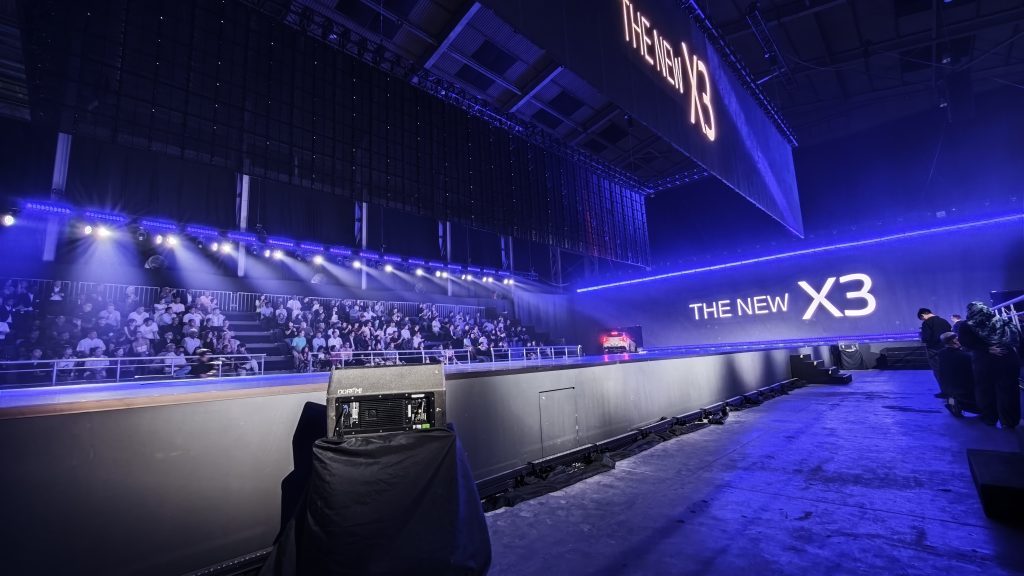
Key Takeaways
- A successful product launch starts with clear objectives and measurable KPIs, such as attendance, social media reach and conversion rates, so the event can be evaluated against real business goals.
- Understanding the target audience helps shape the event format, content and experience, whether the launch is physical, virtual or hybrid.
- Venue selection and a strong creative concept should work together, supported by elements such as LED backdrops, projection mapping and interactive motion graphics.
- Technical production, a detailed run of show, rehearsals, logistics planning and contingency systems are essential for smooth execution and a well-timed product reveal.
- The launch should continue beyond the event itself through live streaming, media engagement, highlight content, audience feedback and KPI analysis to measure impact and guide future improvements
You don’t get a second chance at a product launch. In today’s fast-moving market, where attention spans are shorter and competition is more intense than ever, a launch either creates immediate impact—or gets lost in the noise. In 2026, brands are no longer simply introducing products; they are building full-scale experiences designed to capture attention and drive real results. Whether it is a tech gadget, automotive reveal, or corporate innovation, the difference between a forgettable launch and a high-impact one lies in meticulous preparation.
What Is a Product Launch?
A product launch is the process of introducing a new product to the market in a planned and strategic way. It is not only about announcing that a product is available. A strong product launch helps the audience understand what the product is, why it matters, and how it fits into their needs or lifestyle.
For brands, a product launch is also an opportunity to create attention, build trust, and shape the first impression of the product. When planned well, it can turn curiosity into interest, and interest into action.
Why a Product Launch Matters for Brand Growth
A product launch matters because it helps a brand create visibility around something new. It gives the product a clear introduction and helps the audience understand its value from the beginning.
A successful product launch can help to:
- Introduce the product to the right audience
- Shape how people see and remember the brand
- Create excitement and market interest
- Encourage product trials, enquiries, or purchases
- Build stronger confidence in the brand
For growing brands, the launch moment is important because it sets the tone for how the product will be received.
Product Launch Event vs Product Announcement
A product announcement simply informs people that a new product is available. It may happen through a press release, social media post, email, or website update.
A product launch event goes further. It creates a full experience around the product. Guests can see the product, understand the story, interact with the brand, and feel the value of what is being introduced.
In short, an announcement shares the news. A product launch event brings the news to life.
Product Launch Checklist
A successful product launch needs more than a good product; it needs clear planning, strong coordination, and an experience that keeps the audience engaged. Use this checklist to organise each stage of your launch, from strategy and setup to audience engagement and post-launch follow-up.
1. Define Clear Objectives and KPIs
Before diving into logistics, the first step is to define what success looks like. In 2026, launches are entirely data-driven. Without clear objectives, even the most visually stunning launch may fail to deliver business value.
- Measurable Metrics: Set targets for physical and virtual attendance, social media reach, and conversion rates.
- Core Purposes: Determine if the goal is brand awareness, lead generation, or investor engagement.
2. Audience Identification and Format Selection
Understanding your audience shapes every decision—from venue selection to content delivery. A tech product targeting Gen Z will prioritize interactive elements, while a B2B launch focuses on networking and technical demonstrations.
The format is equally critical. While physical launches offer hands-on demonstrations, Hybrid Launches have become the gold standard in 2026, combining in-person impact with global virtual access. This requires a robust technical infrastructure, including multi-camera setups and real-time interaction tools.
3. Strategic Venue and Creative Concept
The venue plays a crucial role in shaping the audience experience. For high-profile launches, locations like MITEC or sophisticated ballrooms are chosen based on scale and rigging capacity. Events like the Honor Launching at M Resort demonstrate how venue selection complements brand positioning.
Your creative concept ties everything together. In 2026, storytelling is immersive. Brands are increasingly using dynamic LED backdrops, projection mapping, and interactive motion graphics to ensure consistency across all touchpoints.
4. Technical Production: The 2026 Critical Path
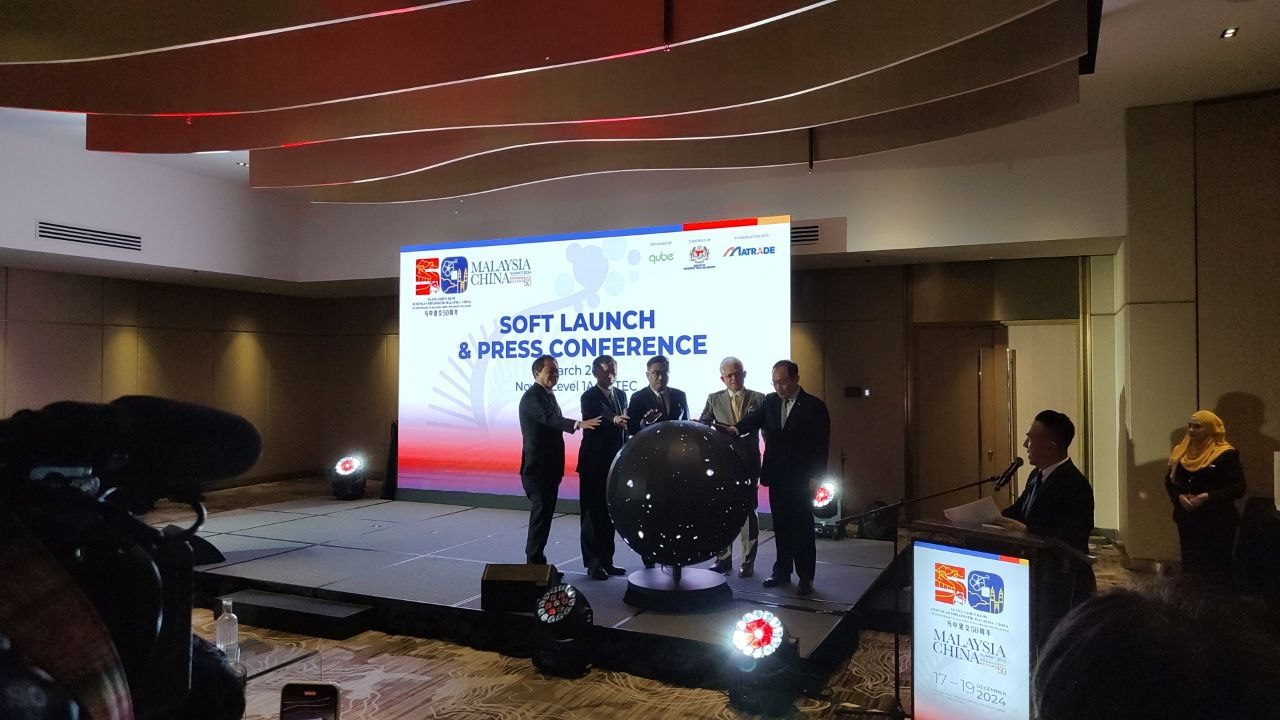
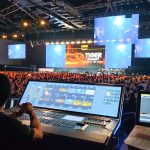
Technical execution can make or break a product launch. Modern audiences expect seamless high-definition visuals and synchronized effects.
- Professional Audio: Clear sound via line array speakers and wireless mics is non-negotiable for speeches and media coverage.
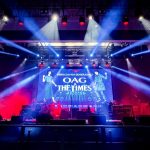
- Lighting Design: Intelligent moving lights and spotlights are used to direct attention during the “big reveal.”
- Visual Impact: Launches like the e.MAS7 Launching highlight how high-resolution LED screens transform a simple reveal into a cinematic experience.
5. The Run of Show and Essential Rehearsals
A Run of Show is the backbone of the event, outlining every speaker cue and lighting trigger. Precision is key; even a few seconds of delay can disrupt the emotional flow. Rehearsals are the hidden key to success—allowing teams to align presenters, test backup systems, and fine-tune transitions. For high-profile brands, multiple rehearsals are standard practice.
6. Logistics, Operations, and Contingency
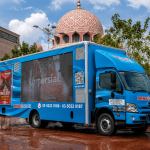
Behind every smooth event is a well-coordinated logistics plan involving equipment transportation, load-in schedules, and crew coordination. Large-scale events such as MATTA Fair and SEMICON at MITEC demonstrate the importance of handling high volumes and complex setups.
Furthermore, no event is immune to challenges. A 2026 checklist must include Redundancy Systems: backup power supplies, alternative audio feeds, and weather plans for outdoor activations. Preparedness maintains professionalism when the unexpected happens.
7. Digital Strategy and Media Engagement
In 2026, a launch extends far beyond the physical room. You must integrate live streaming, hashtag campaigns, and influencer collaborations. Providing media kits and high-quality footage ensures your PR strategy amplifies the launch reach globally. Experience-driven moments, like the Xiaomi Pop Run, show how engagement-driven experiences strengthen brand connection long after the day.
8. Performance Measurement and ROI
The event does not end when the lights go off. Maximize your ROI by distributing highlight videos and collecting audience feedback. Analyze your earlier KPIs to determine the actual impact on sales and brand sentiment. This data provides the blueprint for future improvements and sustained market presence.
Common Product Launch Mistakes to Avoid
Even with a strong product, a launch can fall short if the planning is not clear. A product launch should do more than introduce something new. It should help the audience understand the product, feel interested in it, and know what action to take next.
By avoiding common mistakes, brands can create a smoother launch experience and make a stronger first impression.
Focusing Only on the Reveal
The reveal is an important part of a product launch, but it should not carry the entire event. If all the attention is placed on one big moment, the rest of the experience may feel incomplete.
A good launch should build interest before the reveal, explain the product clearly during the event, and continue the conversation after it ends. The reveal should support the bigger launch journey, not replace it.
Not Planning Enough Audience Engagement
A product launch should not feel like a one-way presentation. If guests only sit, watch, and listen, they may forget the product soon after the event.
Audience engagement helps people connect with the product more actively. This can include live product demos, interactive displays, question-and-answer sessions, sampling, social sharing, or hands-on experiences. When people take part, they are more likely to understand the product and remember the brand.
Weak Follow-Up After the Launch
The product launch does not end when the event ends. Without proper follow-up, the excitement can fade quickly.
Brands should continue the momentum through thank-you messages, event highlights, product information, special offers, media content, or sales follow-up to ensure customer retention. This gives the audience a clear next step and helps turn launch interest into action.
A strong follow-up plan keeps the product visible and helps the launch create longer-term value.
Key Trends Shaping 2026 PRODUCT Launches
Product launches in 2026 are becoming more immersive, data-driven, and audience-focused. Brands are moving beyond a simple stage reveal and creating launch experiences that help people understand, remember, and trust the product. Here’s what’s happening.
- Immersive Technology: AR, VR, projection mapping, and LED environments can make a product launch more visual and interactive. These tools help audiences experience the product story instead of only hearing about it.
- AI-Powered Personalisation: AI can support smarter guest registration, personalised communication, audience segmentation, and real-time event insights. This helps brands understand attendee behaviour and improve follow-up after the launch.
- Sustainable Event Production: Sustainability is becoming more important in event planning. Brands can reduce waste through energy-efficient equipment, reusable structures, digital registration, fewer printed materials, and better resource planning.
- Experience-Led Audience Engagement: Audiences want to participate, not just watch. Product demos, hands-on displays, QR journeys, gamified activities, and social sharing moments can make the launch more memorable.
- Content-First Launch Planning: A product launch should create content beyond the event day. Short videos, livestream highlights, behind-the-scenes clips, and media assets can help extend reach after the launch.
- Stronger Focus on Brand Trust: A successful launch should create excitement and confidence. Clear product information, reliable demonstrations, and professional event execution can help establish brand trust.
FAQ
How long does it take to plan a product launch event?
A product launch event can take a few weeks to several months to plan, depending on the scale, venue, technical setup, guest list, and production needs. Larger launches with media, staging, product demos, and entertainment usually need a longer planning timeline.
What should be prepared before announcing a product launch?
Before announcing a product launch, brands should prepare the product message, target audience, launch date, event format, media plan, guest invitation list, and follow-up strategy. This helps ensure the launch feels organised and consistent from the beginning.
Who should be invited to a product launch event?
The guest list depends on the product and launch objective. Common invitees include customers, media, influencers, business partners, distributors, investors, employees, VIP guests, and potential buyers. The right audience helps create stronger interest and better launch results.
What makes a product launch event memorable?
A memorable product launch event usually has a clear product story, strong visual presentation, interactive experiences, smooth event flow, and moments that help the audience connect emotionally with the brand. Guests should leave knowing what the product is and why it matters.
How can a product launch support sales?
A product launch can support sales by creating awareness, building product confidence, collecting leads, encouraging trials, and giving the sales team a clear follow-up opportunity. The event should make it easy for interested guests to take the next step.
Should a product launch be physical, virtual, or hybrid?
The best format depends on the audience, budget, product type, and campaign goal. A physical launch is useful for hands-on experiences, a virtual launch can reach a wider audience, and a hybrid launch combines in-person engagement with online visibility.
What is the role of an event agency in a product launch?
An event agency helps plan, design, coordinate, and execute the launch experience. This can include concept development, venue setup, technical production, guest flow, staging, entertainment, logistics, and on-ground management so the brand can focus on the product and audience.
How do you keep momentum after a product launch?
Momentum can be continued through post-launch content, media coverage, social media highlights, email follow-ups, product offers, customer enquiries, sales outreach, and future activations. The goal is to keep the product visible after the event ends.
What items should be included in the budget for a product launch?
Common items include venue rental, staging, lighting, sound, LED screens, event design, product displays, manpower, entertainment, photography, videography, catering, permits, logistics, marketing materials, and contingency costs.
When should brands start promoting a product launch?
Promotion should usually begin once the launch details, audience, key message, and event format are confirmed. Teaser content, invitations, media outreach, and social updates can then be planned to build interest before the launch day.
Turning Vision into Flawless Reality
Planning a product launch in 2026 requires precision, strategy, and technical excellence. A well-executed launch creates a lasting impression and drives real business results. For brands looking to deliver impactful reveals with professional sound, lighting, and full technical support, the right production partner makes all the difference.