Capturing the Moment: Lighting Designs that Pop on Social Media
In today’s event landscape, lighting is no longer just about visibility—it is about virality. A well-designed lighting setup can transform a simple stage into a social media moment, turning audiences into content creators and events into shareable experiences. In 2026, where platforms like Instagram, TikTok, and LinkedIn shape brand perception in real time, lighting design has become a strategic tool for digital engagement. It influences not only how an event looks in person, but how it lives online long after the event ends.
Modern audiences do not just attend events—they capture them, record them, and share them instantly. That means lighting must now do two jobs at once: create atmosphere in the room and deliver visual impact through a camera lens. This shift has redefined how events are designed, produced, and experienced across the globe.
Why Lighting Matters More in the Social Media Era
Previously, lighting was used to simply illuminate stages, highlight speakers, and create a basic mood. Now, lighting is effectively a marketing tool. A well-lit moment can significantly increase social media impressions, improve brand recall, and encourage organic user-generated content. By creating “Instagrammable” moments, lighting design extends the event’s reach far beyond the physical capacity of the venue.
The Science Behind “Social Media Ready” Lighting
Not all lighting looks good on camera. What works for the naked eye often fails to translate on digital platforms. Professional lighting designers consider several technical factors to ensure the event is broadcast-ready:
- Camera Compatibility: High-resolution cameras require balanced lighting to avoid overexposure and harsh shadows on faces.
- Color Temperature Control: Adjusting warm and cool tones ensures that skin colors look natural and brand palettes remain accurate on mobile screens.
- Dynamic Range Balancing: Modern events often combine bright LED screens with darker stage areas. Balancing these ensures consistent exposure in recordings.
- Flicker-Free Systems: Social media videos are sensitive to frequency mismatches. Professional-grade fixtures eliminate the distracting “flicker” effect in smartphone videos.
Designing for Shareable Moments
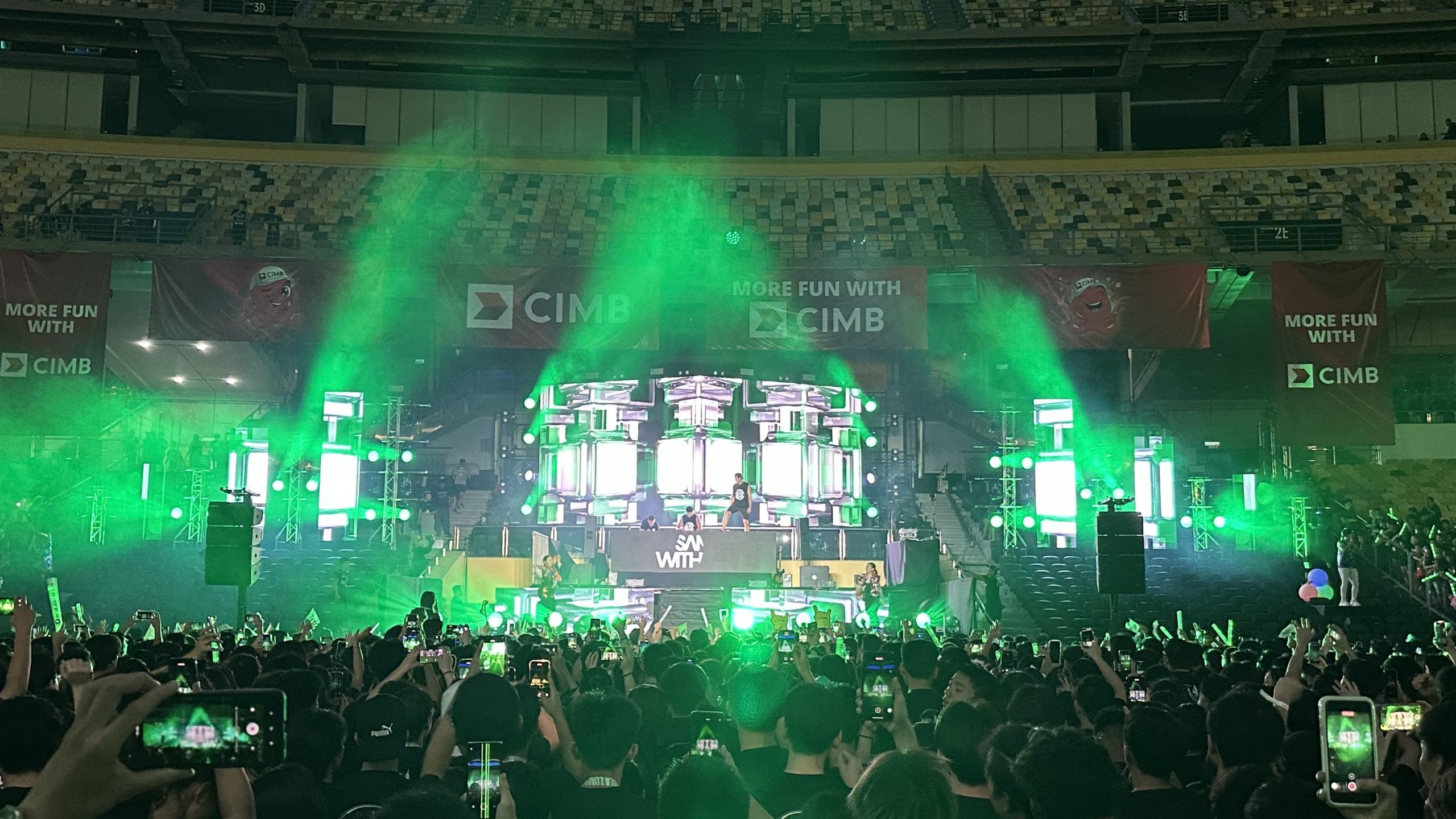
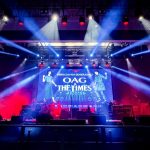
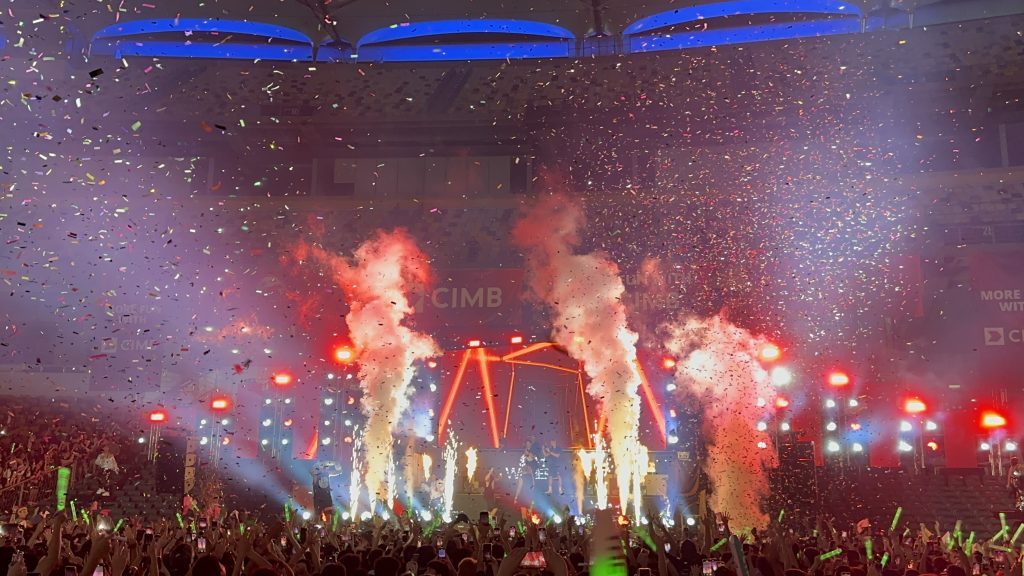
A successful lighting design is never accidental—it is planned with the intention of being captured. This involves the “hero moment” design approach, where lighting is programmed to peak during product reveals, keynote entrances, or performance climaxes for maximum visual impact.
Layered lighting is also essential. By combining ambient, accent, effect, and spotlighting, designers create depth and visual richness. Movement is another critical factor; moving lights add cinematic motion to videos, helping content stand out in crowded social feeds. When integrated with high-resolution LED walls, the entire stage becomes an immersive storytelling environment.
Color Psychology and Event Branding
Color is one of the most powerful tools in a designer’s arsenal. Blue represents trust and professionalism, gold evokes luxury, and purple suggests exclusivity. In 2026, brands are increasingly aligning lighting colors with their identity to strengthen emotional connections and improve brand recognition in social media content. Lighting is no longer just a technical necessity; it is a signature of the brand’s visual identity.
Lighting for Different Event Formats
| Event Type | Lighting Strategy Focus |
|---|---|
| Corporate Events | Clean, professional lighting with subtle transitions. |
| Product Launches | Dramatic reveal lighting and high-contrast effects. |
| Concerts & Festivals | High-energy dynamic effects synchronized with music. |
| Exhibitions | Booth highlighting and brand color consistency. |
Common Mistakes That Kill Engagement
Even high-budget events can fail if they ignore camera-specific needs. Overlighting the stage can flatten visuals and destroy depth. Ignoring camera angles means the lighting may look good for the audience but cast harsh shadows on the live stream. A lack of specific “photo moments” or relying on static-only setups makes an event feel outdated and significantly less engaging on short-form video platforms.
2026 Trends: Smart, Sustainable, and Immersive
The future of lighting is interactive. We are seeing a rise in Smart Lighting Automation, where AI adjusts colors in real-time based on music or audience polling. Sustainable LED systems have also become the standard for massive exhibitions at MITEC and the MATTA Fair. Social-first lighting design, specifically optimized for mobile phone sensors, ensures that every guest can produce high-quality content instantly.
The Human Factor and Precision
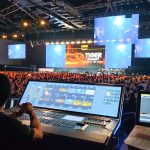
A successful lighting setup requires more than equipment; it involves a team of lighting designers, technical operators, and programmers. Every cue is carefully rehearsed because even a one-second delay can ruin a recorded reveal. At DOREMi Events, we understand that precision is essential for creating moments that live beyond the venue.
Designing Moments That Live Beyond the Event
In 2026, the success of an event is measured by what happens after it is shared online. Lighting design is the heartbeat of this transformation. Ready to transform your next brand activation into a viral sensation? Our experts specialize in creating immersive, social-media-ready environments.