From Red Lanterns to Crescent Moons: Rapid Stage Transitions
Key Takeaways
- Instant Impact: Modern audiences expect seamless thematic shifts without downtime.
- Technical Synergy: Success relies on the integration of lighting, LED visuals, and show control.
- Risk Management: Redundancy and rigorous rehearsals are the only ways to ensure zero-failure execution.
Today’s events don’t wait—and neither do audiences. In a world shaped by instant content, live streaming, and constant digital stimulation, every second on stage matters. Guests are no longer satisfied with simply watching a programme unfold; they expect a seamless journey where each segment flows effortlessly into the next. At the heart of this elevated experience lies a powerful yet often overlooked element: rapid stage transitions.
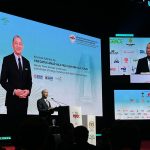
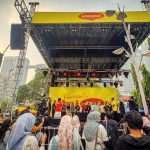
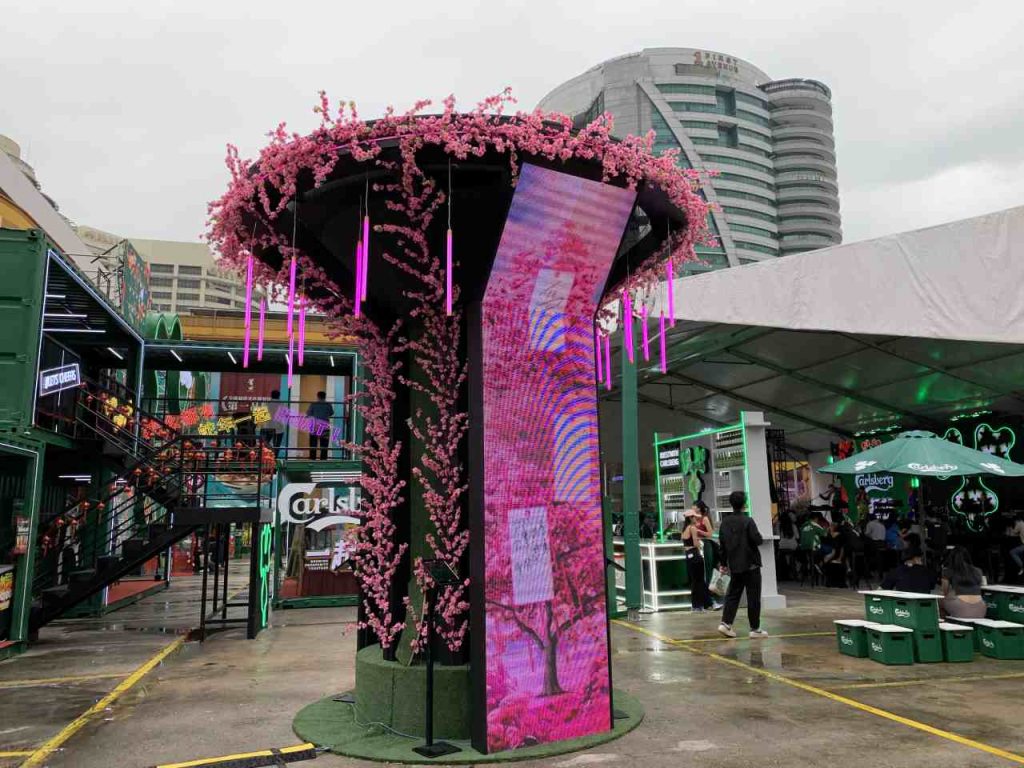
Picture a grand ballroom glowing with red lanterns and festive energy, only to transform moments later into a tranquil Ramadan setting bathed in soft light and crescent moon visuals. Or a corporate stage that shifts instantly from a formal keynote into a high-energy live performance. These transformations aren’t just visually impressive—they are a mark of precision, planning, and production excellence.
Strategic Importance: Why Transitions Matter
| Pillar | Analysis & Benefit |
|---|---|
| Audience Engagement | Maintains momentum and prevents audience drop-off caused by long pauses between segments. |
| Live + Hybrid Demands | Ensures continuous broadcast flow; essential for online retention where “dead air” is unacceptable. |
| Brand Perception | Signals precision and preparedness; awkward delays can damage professional credibility. |
Key Components of Rapid Stage Transitions
| Component | Functional Role |
|---|---|
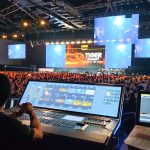
| Show Control Systems | Synchronises lighting, audio, visuals, and effects to execute transitions via single-command cues. |
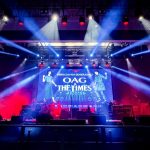
| Intelligent Lighting | Instantly changes colour schemes and creates mood shifts within milliseconds using programmable LEDs. |
| LED Screens & Content | Replaces manual backdrop swaps with dynamic digital content for instant thematic transformations. |
| Modular Stage Design | Uses lightweight panels and wheeled platforms to minimise manual labour and increase swap speed. |
| Audio Transitions | Uses crossfading and sound effects to bridge segments and mask physical stage movements. |
Common Challenges and Technical Solutions
| Challenge | Mitigation Strategy |
|---|---|
| Technical Failures | Redundant systems (backup servers), spare fixtures, and extensive pre-event testing. |
| Timing Mismatches | Centralised control systems, time-coded programming, and detailed rehearsal refinement. |
| Human Error | Clear cue sheets, communication headsets, and rehearsed crew choreography. |
The Critical Role of Rehearsals
No transition should be executed without rehearsal. Professional productions often run full technical rehearsals, cue-to-cue rehearsals, and dress rehearsals with full production elements to identify timing issues, test technical cues, and ensure seamless crew coordination.
Future Trends for 2026
- Automation & AI Cooperation: Systems predicting cue timing and automating transitions based on flow.
- Projection Mapping: Transforming entire stage surfaces visually without physical changes for faster transitions. Find out more about projection mapping technology.
- Transparent LED Technology: Layered visuals allowing multiple themes to coexist and transition smoothly.
- Immersive Experiences: Integration of surround sound, audience lighting, and interactive elements.
From red lanterns to crescent moons, the ability to transform a stage in seconds is essential. Large-scale events at venues like MITEC and MAEPS require high-level coordination and proven execution capabilities. For event organisers looking to deliver high-impact productions, investing in professional staging, advanced technology, and experienced teams is the key to success.
Elevate Your Event Production
Deliver high-impact, seamless productions with our professional staging and technical teams.