AV Integration: Syncing Multiple Screens for a Unified Brand Story
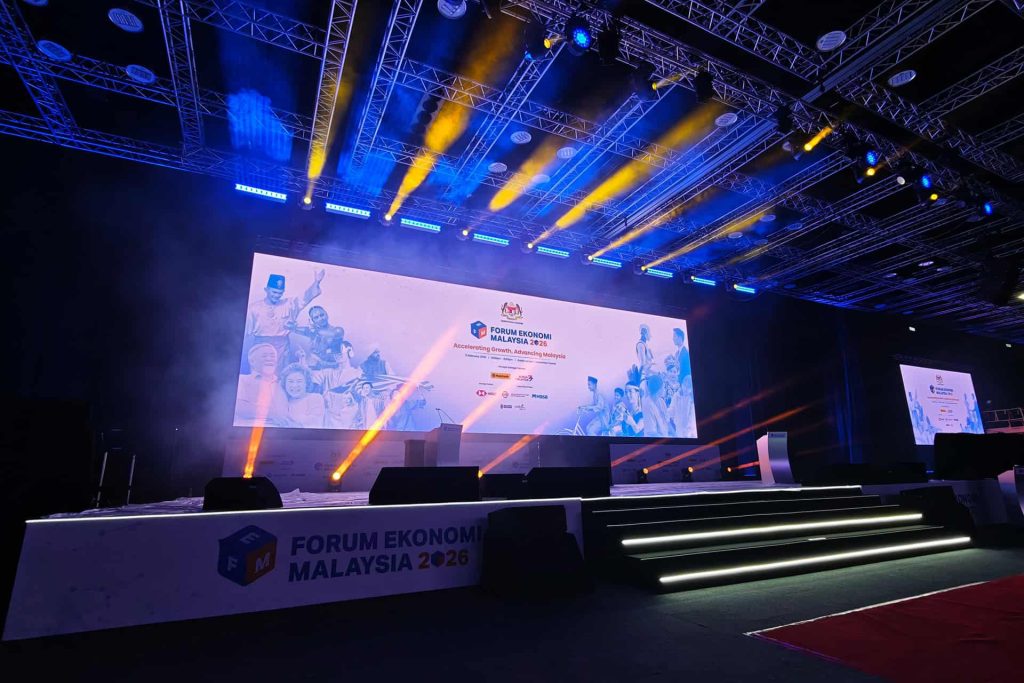
You don’t get a second chance at your first visual impression and in today’s events, that impression is rarely just one screen. Walk into any modern corporate launch, exhibition, or large-scale event, and you’ll notice something immediately: it’s no longer about a single LED wall. It’s about a network of screens main stage displays, side screens, LED pillars, digital totems, projection surfaces, and even mobile devices all working together. When AV integration is done right, every screen becomes part of one cohesive system, telling a single, unified brand story.
For a production leader like DOREMi Events, with over 45 years of heritage in the Malaysian event landscape, this integration is the foundation of high-impact experiences. AV integration refers to the process of connecting, controlling, and synchronizing multiple audio-visual systems into one seamless ecosystem. Instead of treating each device as separate, integrated systems allow for centralized control, real-time content distribution, and perfect synchronization across all displays. This is critical to avoiding visual delays, mismatched content, or confusing messaging that can break an audience’s immersion.
The Strategic Importance of Multi-Screen Sync
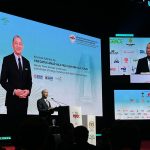
In the context of large-scale event production, audience attention is often fragmented. In expansive venues, guests are not always focused on the primary stage; they may be observing side screens, interacting with digital totems in exhibition areas, or viewing live feeds on mobile devices. If these visual touchpoints are not perfectly synchronized, the brand narrative becomes diluted. Integration ensures that every screen reinforces the same narrative, making the brand identity feel intentional and cohesive.
As events grow in complexity, integrating various hardware formats such as vertical LED pillars and projection-mapped surfaces becomes a logistical necessity. Managing these components individually is not only inefficient but introduces a high degree of risk regarding timing and content alignment. A unified AV ecosystem provides the stability required to deliver high-stakes presentations without the fear of technical disjointedness.
Core Components of High-Performance Integration
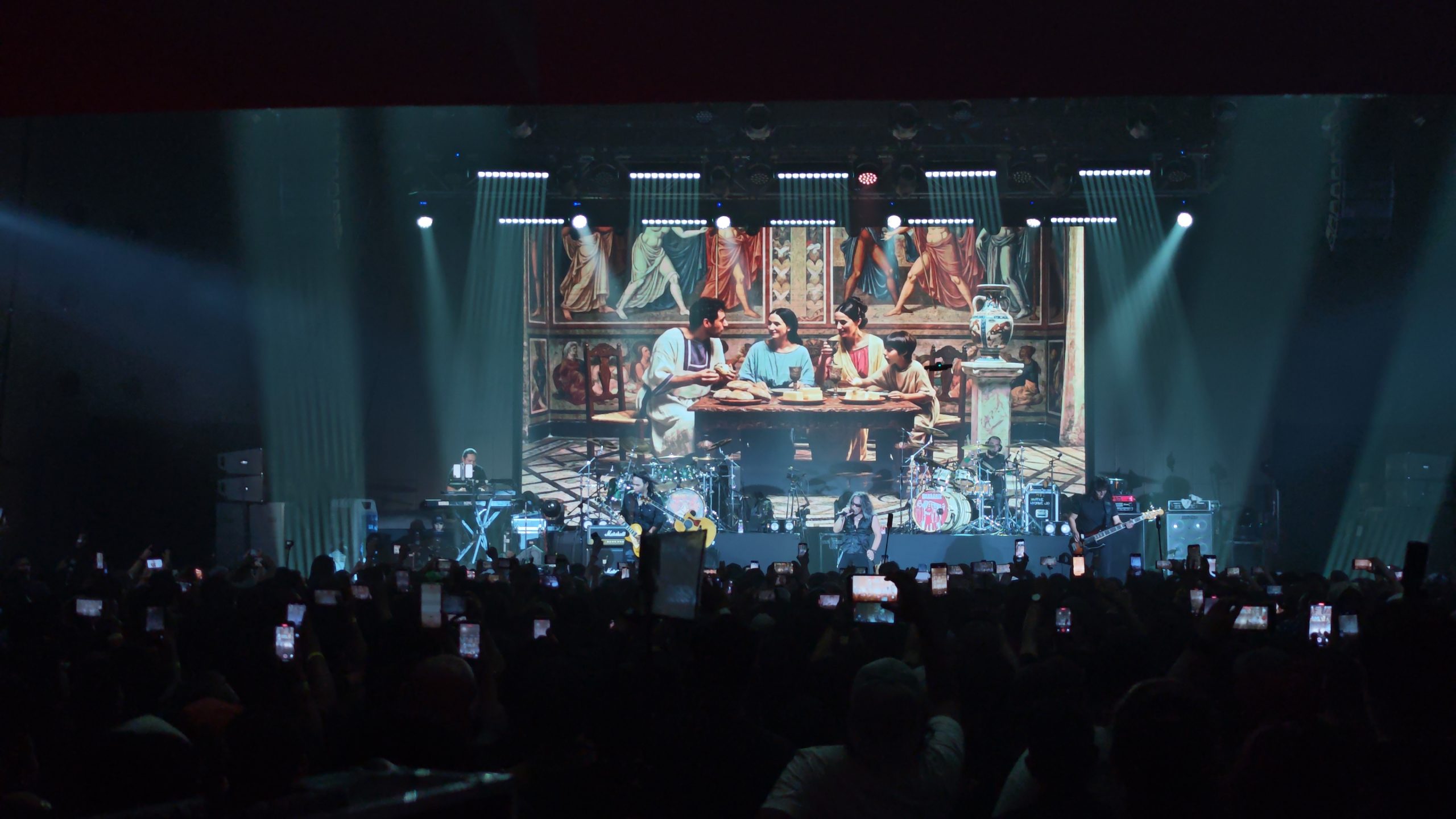
Successful multi-screen synchronization relies on a specialized technical stack that acts as the brain and nervous system of the production.
- Video Processors: These act as the primary distribution hub, taking input signals from various sources and scaling them for multi-screen mapping and real-time switching between live feeds and media.
- Media Servers: Essential for managing complex, high-resolution visual content, media servers allow for 3D mapping and creative visual effects that must be synchronized across an entire stage backdrop.
- Signal Distribution Networks: Utilizing technologies like AV-over-IP and fiber optic transmission, these networks ensure that high-bandwidth signals reach every display with near-zero latency, which is critical for maintaining frame-perfect alignment.
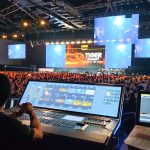
- Centralized Control Systems: These platforms allow a single operator to trigger content changes across all screens simultaneously, ensuring that transitions are seamless and intentional.
Technical Methods for Perfect Synchronization
Achieving “sync” is a multi-layered technical challenge. Even a slight delay imperceptible in isolation becomes glaringly obvious when screens are placed side-by-side.
Genlock is a foundational technique used to synchronize video signals at the frame level, ensuring that every display refreshes at the exact same millisecond. Timecode is further used to provide a universal “clock” for the event, ensuring that video playback, audio cues, and lighting sequences are all locked to a single timeline. Finally, the use of Low-Latency Networks is paramount; standard networking protocols often introduce “jitter,” but professional AV-over-IP solutions prioritize audio-visual packets to ensure consistent delivery speeds across the venue.
Content Strategy for Integrated Displays
Hardware integration is only half the battle; content must be designed with a multi-screen environment in mind. Designers must account for varying aspect ratios and resolutions across the event site. For instance, content on an “Extended Canvas” setup treats multiple LED walls as one giant display, requiring ultra-high-resolution files that span the entire pixel count of the room.
Strategically, each screen should have a defined role. While the main stage focuses on core messaging, side screens may show live camera feeds to ensure guests at the back have a clear view, while peripheral LED pillars maintain consistent brand textures and colors. This zoned approach prevents information overload while keeping the brand story omnipresent.
The Malaysian Event Landscape and Professional Sourcing
Large-scale Malaysian events, from corporate annual dinners to nationwide trade exhibitions like the MATTA Fair and MAHA, have increasingly adopted integrated multi-screen systems. Major venues such as MITEC and the KLCC Convention Centre provide the physical scale that necessitates this level of technical integration.
Executing these complex setups typically requires access to high-end equipment that is often more cost-effective to source through a professional rental ecosystem. Accessing the latest video switchers, broadcast cameras, and fiber optic solutions through rentals allows organizers to scale their technical capabilities according to the specific needs of each event. This ensures that the production utilizes well-maintained, current-generation hardware that complies with international safety and performance standards.
The Future: AI and Immersive Integration
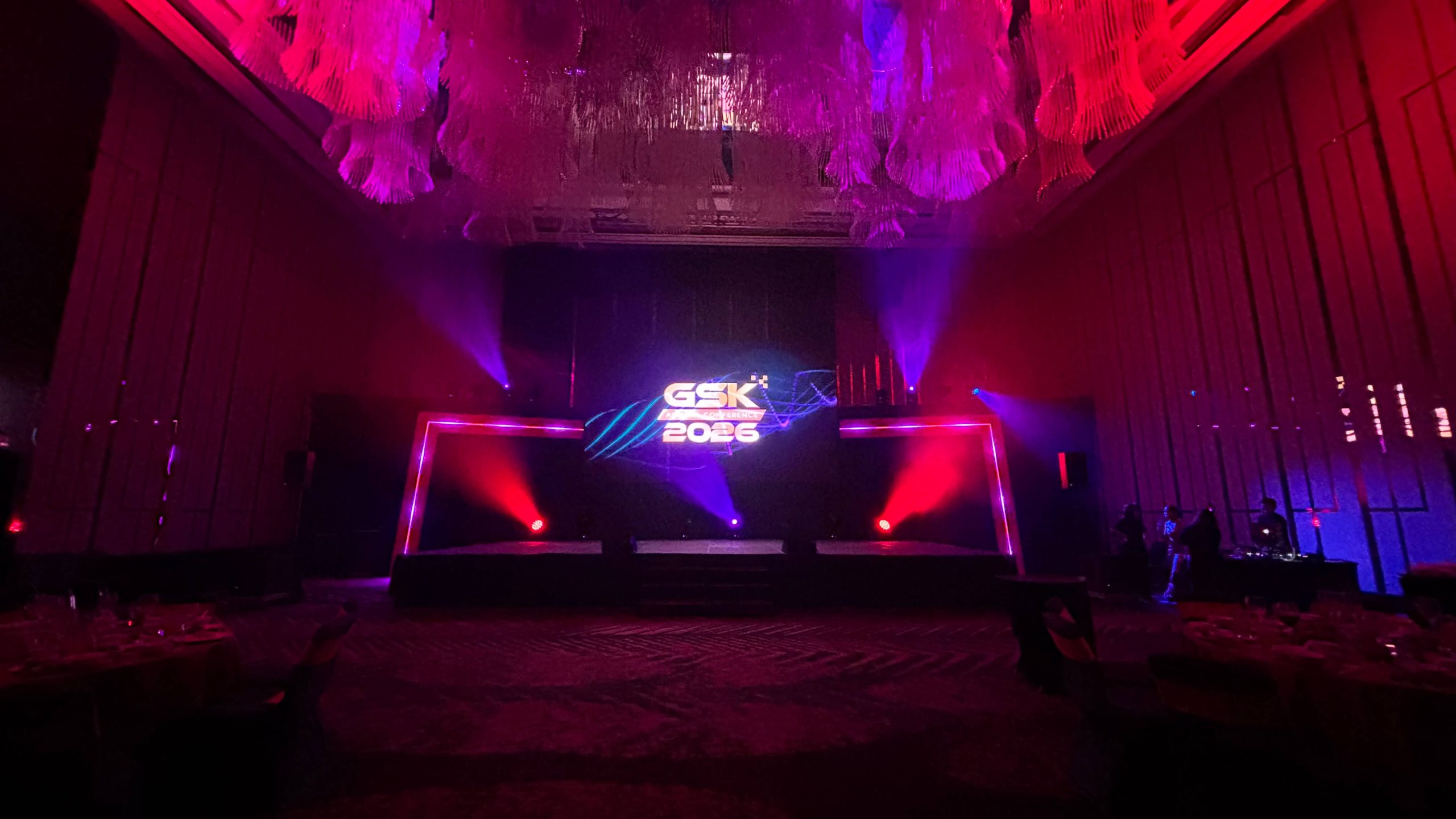
As we look toward the future of event production, AV integration is becoming even more sophisticated. We are seeing the rise of AI-driven content adaptation, where visuals on screen can change based on real-time audience data or environmental triggers. Cloud-based control systems are also enabling remote production workflows, allowing expert technicians to manage complex multi-screen environments from off-site locations. As expectations for immersive brand experiences grow, the demand for frame-perfect, unified visual storytelling will continue to be the standard for success.
In conclusion, in today’s event landscape, screens are ubiquitous, but without professional integration, they are merely disconnected displays. True impact is derived from synchronization. When every visual touchpoint works in harmony, they don’t just show content—they tell a story that audiences can see, feel, and remember. AV integration is the foundation of modern, unforgettable event production, turning technical complexity into a seamless and powerful brand experience.
Tell Your Story on Every Screen
Ready to unify your brand message with a fully integrated multi-screen AV system? Partner with Malaysia’s most experienced technical team to turn complexity into a seamless, unforgettable reality.