Trade shows have evolved far beyond simple booth setups and static exhibition halls. Today’s exhibitions are immersive brand environments where layout, visitor flow, stage placement, lighting, digital interaction, and spatial design all influence how attendees engage with a brand. In this rapidly evolving landscape, modular staging has become one of the most important tools for creating flexible, scalable, and visually impactful trade show experiences.
Whether it is a technology expo, automotive showcase, aviation exhibition, consumer fair, corporate launch, or industry convention, modular staging allows organisers and exhibitors to customise floor plans efficiently without compromising functionality or aesthetics.
Modern event audiences expect more than rows of booths and banners. They expect interaction, movement, presentation zones, social media moments, product demonstrations, and immersive experiences. This is why modular staging systems are now widely used in trade shows across Malaysia and globally. For organisers, exhibitors, and brands planning exhibitions in 2026 and beyond, understanding how modular staging works — and how custom floor planning influences visitor engagement — is becoming increasingly essential.
What Is Modular Staging?
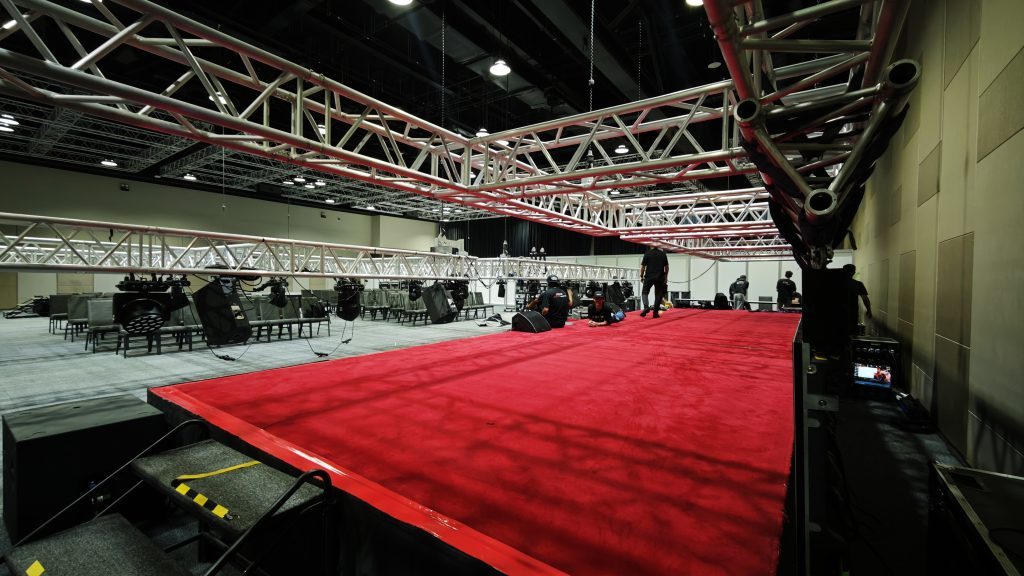
Modular staging refers to staging systems built using interchangeable components that can be configured into various layouts and sizes depending on the event’s requirements. Unlike fixed staging structures, modular systems offer flexible dimensions, reconfigurable layouts, expandable platforms, adjustable heights, faster installation, easier transportation, cost efficiency, and adaptability for different venues.
These systems are commonly used for trade shows, product launches, conferences, exhibitions, fashion shows, automotive showcases, technology expos, hybrid events, and corporate activations. Because modules can be rearranged and customised, event planners gain significantly more creative freedom when designing exhibition spaces.
Why Trade Show Floor Plans Matter More Than Ever
Trade show success is heavily influenced by spatial planning. A poorly designed floor plan can create congested traffic, dead zones, poor visibility, weak exhibitor exposure, difficult navigation, and reduced attendee engagement. A strategically designed modular layout improves visitor circulation, audience interaction, brand visibility, presentation flow, safety compliance, accessibility, and sponsor value.
Today’s exhibition visitors are highly experience-driven. They move quickly, expect efficient navigation, and are naturally drawn toward visually dynamic spaces. This is why modular staging is not only a structural solution but also a strategic audience engagement tool.
The Shift Toward Experience-Centric Trade Shows
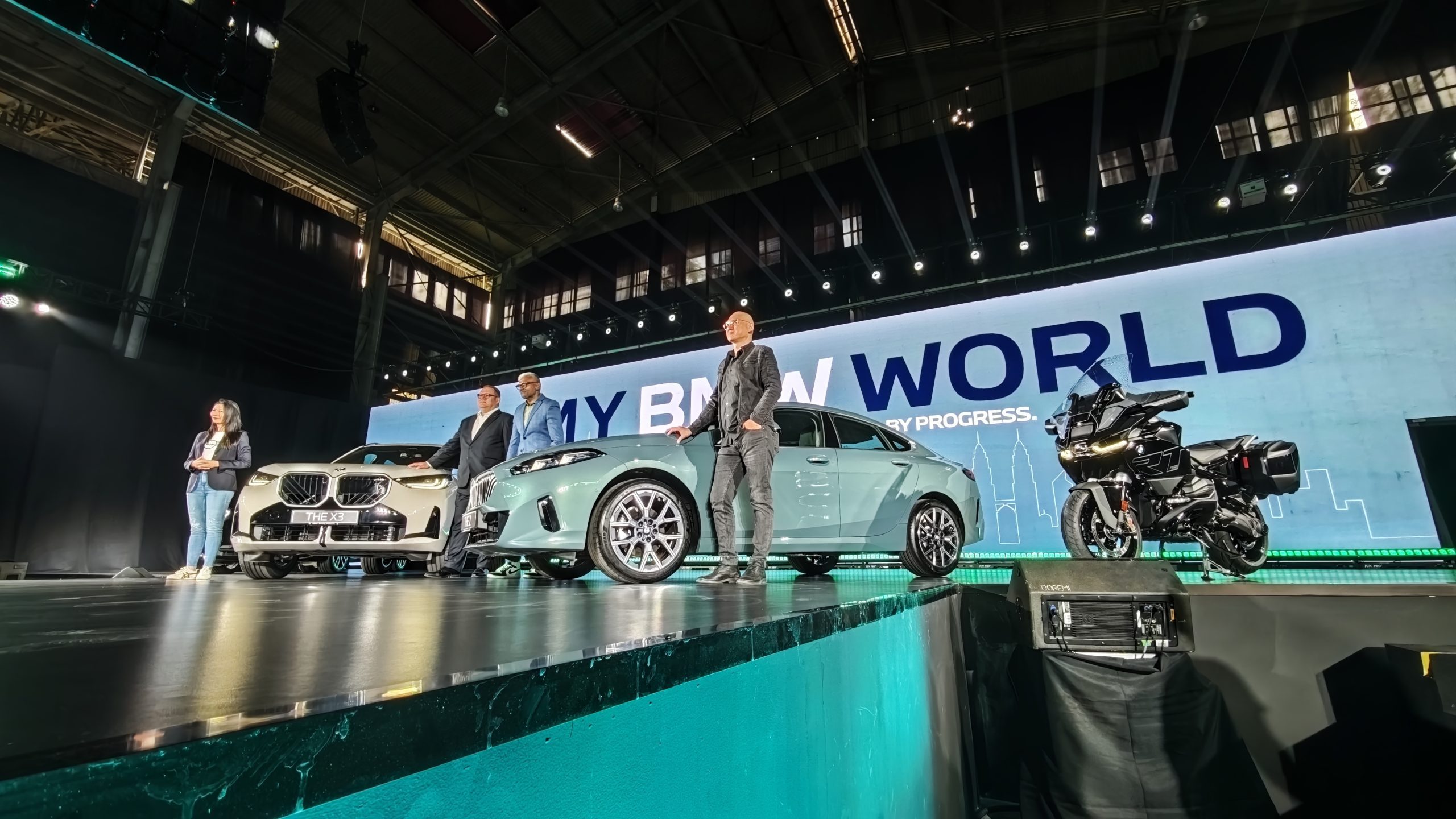
Modern exhibitions are increasingly designed around experiences rather than static displays. Trade shows now include live demonstrations, product testing zones, interactive digital screens, livestreaming areas, networking lounges, presentation stages, influencer corners, social media activation spaces, and workshop zones.
Traditional linear booth arrangements often fail to support these modern engagement formats. Modular staging solves this by allowing event designers to create multi-level platforms, open-concept layouts, curved visitor pathways, zoned engagement areas, and dynamic centrepiece stages. The flexibility of modular systems enables trade shows to evolve according to audience behaviour and event objectives.
Key Advantages of Modular Staging for Trade Shows
1. Flexibility and Scalability
Organisers can expand stages for larger audiences, reduce size for smaller activations, add extensions, create multiple presentation zones, and reconfigure layouts overnight. This is especially valuable for multi-day exhibitions where programming changes daily, and for exhibitors whose booth designs need to adapt across different venues.
2. Faster Installation and Dismantling
Trade shows often operate under tight timelines with limited setup periods. Modular staging systems are designed for quick assembly, efficient transport, simplified logistics, and reduced labour time — minimising operational downtime and venue rental costs, which directly affects project budgeting and coordination at large-scale exhibitions.
3. Cost Efficiency
Custom-built staging structures can become expensive due to material waste, fabrication costs, transport challenges, and storage requirements. Modular staging reduces these costs because components are reusable across multiple events — lowering production expenses, improving sustainability, simplifying maintenance, and increasing scalability for recurring exhibitions and annual expos.
4. Better Audience Flow
A well-designed modular floor plan guides traffic naturally, reduces bottlenecks, increases booth exposure, improves crowd distribution, and encourages longer visitor engagement. Event designers now use behavioural flow strategies similar to retail planning when mapping exhibition layouts.
5. Sustainability Benefits
Traditional exhibition builds often generate large amounts of waste due to one-time-use materials, disposable structures, and non-recyclable fabrication. Modular staging supports greener event practices because systems are reusable, durable, transport-efficient, and adaptable for repeated use — aligning with ESG goals and corporate responsibility initiatives.
Important Elements in Designing Custom Trade Show Floor Plans
Designing an effective modular exhibition layout requires more than simply placing stages and booths. Successful floor plans balance functionality, audience psychology, safety, visual appeal, accessibility, and technical logistics.
1. Visitor Traffic Patterns
One of the first steps in floor planning is understanding how attendees move through a venue. Professional event planners study entry points, exit points, congestion areas, popular attraction zones, rest areas, and emergency access routes. Strategic stage placement significantly influences crowd movement — central stages create focal points, corner activations encourage venue exploration, and elevated modular platforms improve visibility across crowded halls.
2. Stage Visibility and Sightlines
At trade shows, visibility is everything. If visitors cannot clearly see presentations, product demonstrations, performances, LED screens, or speakers, they are less likely to stop and engage. Modular staging allows designers to optimise platform height, audience orientation, viewing angles, and screen positioning. Tiered staging solutions are increasingly popular because they improve visibility without requiring excessively large footprints.
3. Multi-Functional Zones
Modern exhibitions rarely rely on a single activity format. A successful floor plan may include demo areas, networking lounges, workshop sections, media interview zones, livestream corners, and VIP sections. Modular staging systems allow quick transitions between these spaces while maintaining visual consistency — especially valuable during product launches, industry expos, technology conventions, and government exhibitions.
4. Integration with Technology
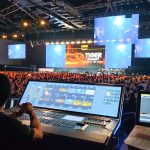
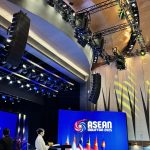
Trade show staging is no longer purely physical. Today’s modular setups often integrate LED video walls, projection mapping, interactive kiosks, touchscreen displays, QR engagement systems, livestream equipment, and augmented reality experiences. Modular designs must account for power distribution, cable management, screen positioning, camera sightlines, and technical operator access — making technology integration a core component of exhibition planning rather than an optional enhancement.
5. Accessibility and Safety Compliance
Trade shows must remain accessible and safe for all attendees. Modular staging systems often include wheelchair ramps, anti-slip surfaces, guardrails, load-certified structures, and fire-compliant materials. Large-scale exhibitions also require emergency evacuation access, clear aisle spacing, and crowd control planning — particularly important for high-capacity venues and government-regulated exhibitions.
Trade Show Trends Shaping Modular Design in 2026
The exhibition industry continues evolving rapidly, driven by technology, audience expectations, and sustainability demands. Several key trends are influencing modern modular staging strategies:
Hybrid Exhibition Integration
Flexible Micro-Stages
Immersive Brand Environments
LED-Centric Designs
Hybrid Exhibition Integration
Trade shows are increasingly incorporating hybrid components such as livestream presentations, virtual exhibitor booths, online networking, and remote audience participation. This requires staging layouts that support broadcast camera positions, streaming control areas, audio mixing stations, and presentation lighting. Trade shows are no longer designed only for physical attendees — they are also built for digital audiences.
Flexible Micro-Stages
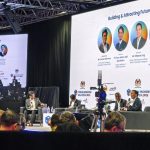
Instead of one massive central stage, many exhibitions now use multiple smaller modular stages throughout the venue. This delivers better crowd distribution, more simultaneous programming, higher audience engagement, and reduced congestion — particularly effective for panel discussions, product demonstrations, industry talks, and educational sessions.
Immersive Brand Environments
Brands increasingly want experiential spaces rather than traditional booths. Modular staging supports curved structures, layered platforms, interactive walkthroughs, branded environments, and social media photo zones — encouraging visitors to spend more time engaging with the brand.
LED-Centric Designs
LED screens are becoming central architectural elements within trade show layouts. Modern modular staging frequently incorporates LED backdrops, digital signage, interactive video walls, and transparent LED displays — allowing exhibitors to update messaging instantly, showcase multimedia content, and enhance branding visibility.
The Role of Event Production Teams
Successful modular staging requires collaboration between event designers, structural specialists, lighting engineers, AV technicians, production managers, and safety coordinators. Professional event production teams ensure structural stability, technical integration, efficient installation, and smooth event operations. Without proper coordination, even visually impressive staging can face logistical and operational issues during live events.
Real-World Applications Across Major Events
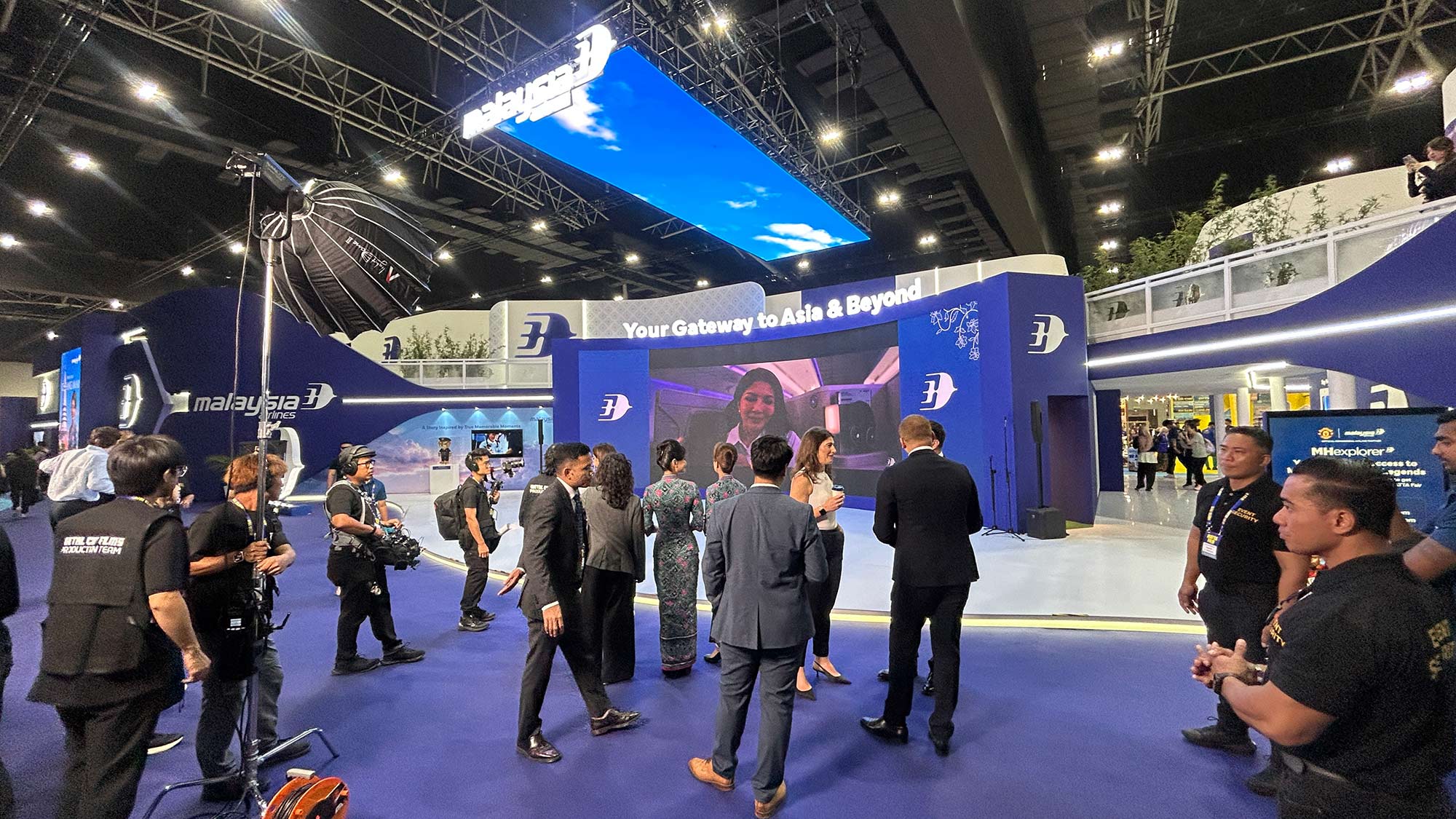
Large exhibitions and expos across Malaysia increasingly rely on modular production systems due to the scale and flexibility required. Major venues such as MITEC, SPICE Penang, MAEPS, Sunway Pyramid Convention Centre, and SkyPark Regional Aviation Centre frequently host events requiring adaptable exhibition infrastructure.
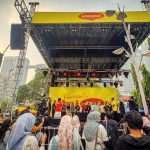
Event environments such as DSA at MITEC, SEMICON at MITEC, MAHA at MAEPS, MATTA Fair, Selangor Aviation Show at SkyPark, technology launches, automotive showcases, and public festivals demonstrate how flexible staging systems support modern event demands across different industries and venue configurations.
Common Mistakes in Trade Show Floor Planning
Even experienced organisers sometimes overlook important staging considerations. Some common mistakes include:
- Overcrowded layouts — Too many elements competing for space reduce impact and create visitor confusion.
- Poor stage placement — Stages positioned without sightline consideration result in blocked views and disengaged audiences.
- Inadequate power planning — Insufficient power distribution points cause technical failures during live activations.
- Weak audience flow — Unplanned traffic patterns lead to congestion, dead zones, and reduced exhibitor exposure.
- Insufficient branding visibility — Brands placed in low-traffic areas miss valuable engagement opportunities.
- Ignoring acoustic considerations — Poor sound management disrupts presentations and reduces audience attention.
- Limited accessibility — Layouts that fail to accommodate all attendees create compliance risks and exclusion.
Modular staging helps reduce these issues because layouts can be adjusted more easily during planning and setup phases.
Why Modular Staging Is the Future of Trade Shows
The future of exhibitions demands flexibility, sustainability, scalability, digital integration, faster execution, and audience engagement. Traditional static builds struggle to meet these evolving requirements. Modular staging provides a smarter long-term solution because it supports rapid adaptation, creative customisation, efficient logistics, and multi-purpose functionality. As trade shows continue becoming more immersive and technology-driven, modular systems will remain central to exhibition design strategies.
Building Better Exhibitions, One Module at a Time
Modular staging has transformed how organisers approach floor planning by offering creative flexibility, faster execution, sustainable production, scalable layouts, and improved visitor engagement. Whether for corporate expos, technology conventions, public exhibitions, or large-scale trade fairs, modular staging allows brands and organisers to create dynamic event environments tailored to evolving audience expectations.
As the events industry continues advancing toward more interactive and hybrid experiences, professionally designed modular floor plans will become even more essential in shaping successful exhibitions. From large exhibition productions and technology showcases to experiential brand activations and public-facing events across major venues in Malaysia, integrated staging and production expertise continue helping organisers create efficient, visually impactful, and audience-focused event experiences.
Planning a Trade Show or Exhibition?
Our team specialises in modular staging, custom floor planning, and full exhibition AV production — designed to maximise audience engagement and brand impact at any scale.