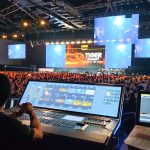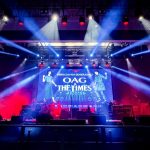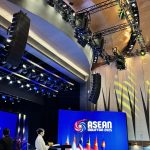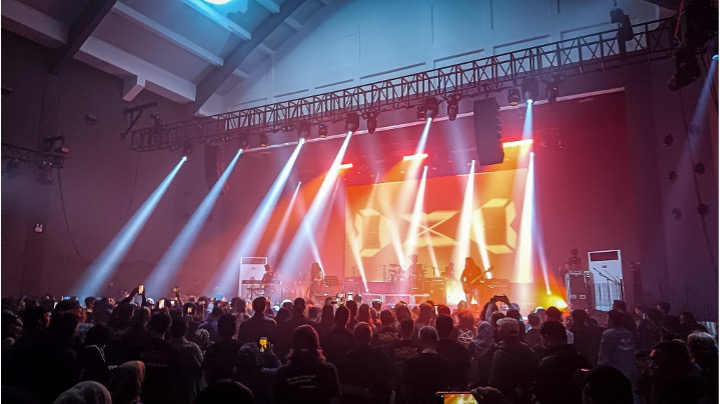
Walk into any memorable event today and chances are, the first thing you notice is not the stage design, not the LED screen, and sometimes not even the performance itself. It is the atmosphere. The colour wash across the ballroom. The dramatic beam effects cutting through the air. The warm amber glow during dinner. The synchronised lighting during a launch countdown. The architectural uplighting transforming a plain venue into something cinematic.
In 2026, lighting is no longer just a technical necessity for visibility. It has become one of the most powerful branding tools in modern event production. From corporate launches and concerts to exhibitions, weddings, mall activations, conferences, and immersive brand experiences, creative lighting now shapes how audiences emotionally connect with a venue and remember an event.
A venue can look luxurious, futuristic, energetic, elegant, premium, or immersive all depending on how lighting is designed and executed. This is why event organisers, brands, and venue owners are investing far more into lighting strategy rather than treating it as a last-minute technical add-on.
Why Lighting Matters More Than Ever in 2026
Modern audiences are highly visual. Social media platforms like TikTok, Instagram, YouTube Shorts, and LinkedIn have completely changed how people consume event experiences. Attendees now notice ambience, colours, mood, visual transitions, lighting movement, photo opportunities, and cinematic effects before they even fully engage with the actual programme.
Lighting directly affects audience emotion, event atmosphere, photography quality, video production, branding perception, audience energy, and social media visibility. A well-lit venue feels intentional and premium. A poorly lit venue immediately feels flat, outdated, or unprofessional. This is why lighting design has evolved into both a creative discipline and a branding strategy.
Beyond Basic Illumination: What Creative Lighting Really Means
Traditional venue lighting focused mainly on functionality — visibility, stage brightness, and audience safety. Creative lighting goes far beyond that. Today’s event lighting is used to tell stories, reinforce brand identity, guide audience attention, create emotional transitions, transform physical spaces, and build immersive environments.
Lighting designers now work similarly to visual storytellers, using colour psychology, beam movement, timing, intensity, layering, shadows, and contrast to shape how audiences feel throughout an event.
How Lighting Builds Brand Identity
One of the most overlooked aspects of event branding is consistency. Many brands focus heavily on logos, LED content, stage visuals, and printed materials — but lighting itself can become part of the brand language. Lighting helps audiences subconsciously associate a mood and experience with a brand, making it an extremely powerful tool in live events.
The Psychology of Colour in Event Lighting
Colour psychology plays a huge role in venue branding. Different colours influence audience perception in distinct ways:
| Colour | Associations | Best Used For |
|---|---|---|
| Blue | Innovation, professionalism, trust, technology, calmness | Corporate launches, tech conferences, financial events |
| Red | Excitement, energy, urgency, passion | Concerts, entertainment launches, sports events |
| Warm Amber & Gold | Elegance, luxury, intimacy, celebration | Gala dinners, weddings, award ceremonies |
| Purple | Creativity, premium experiences, artistic environments | Fashion events, lifestyle launches, immersive activations |
| Green | Sustainability, wellness, environmental branding | Eco-conscious campaigns, health events, ESG-focused conferences |
Architectural Lighting: Transforming Ordinary Venues
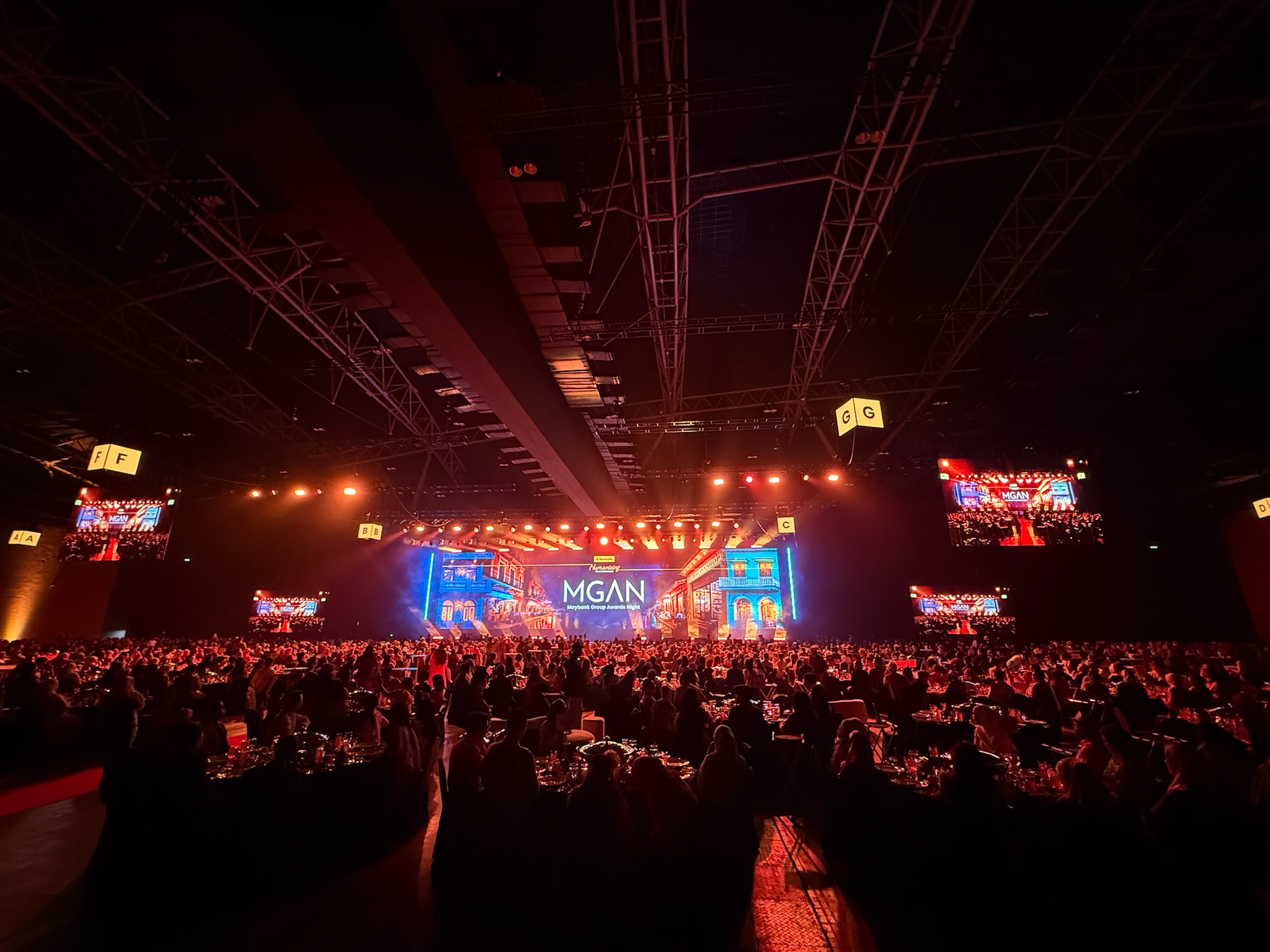
One of the most impactful lighting techniques in modern event production is architectural lighting. Instead of lighting only the stage, designers illuminate walls, ceilings, pillars, facades, walkways, and entrances completely changing how audiences perceive a venue. A standard ballroom can suddenly feel luxurious, futuristic, immersive, high-end, or cinematic through strategic uplighting and colour mapping.
Architectural lighting is especially important because many venues physically remain the same but lighting allows them to feel entirely different for each event.
Why LED Screens Alone Are Not Enough
Many organisers assume LED screens automatically create visual impact. While LED content is important, relying only on screens often creates an unbalanced environment. Without proper lighting, stages feel flat, audiences disappear visually, photos lose depth, and spaces lack atmosphere. Creative lighting complements screens by adding dimension, enhancing depth, balancing brightness, improving visual layering, and increasing immersion.
Popular Creative Lighting Techniques in 2026
Lighting technology continues evolving rapidly. Several techniques are now shaping modern event branding:
1. Pixel Mapping
Pixel mapping allows lighting fixtures to behave like animated visual elements, creating synchronised colour movement, dynamic visual patterns, and immersive environments. Popular in concerts, brand launches, festival stages, and experiential activations.
2. Intelligent Moving Lights
Modern moving heads now support precise beam shaping, animation effects, dynamic movement, colour transitions, and logo projection. These fixtures are central to modern live event production.
3. Projection Mapping
Projection mapping transforms surfaces into dynamic visual canvases — projecting onto buildings, stage structures, products, and exhibition walls. Increasingly used for immersive storytelling, product reveals, launch countdowns, and branded experiences.
4. Wireless Lighting Systems
Wireless lighting has become more common due to faster installation, cleaner setups, and flexible placement — especially useful for outdoor activations, roadshows, exhibitions, and temporary event spaces.
5. Interactive Lighting
Interactive systems respond to movement, sound, and audience interaction — increasingly popular in public activations, experiential marketing, family events, and immersive exhibitions. Interactive lighting helps audiences become part of the experience itself.
Lighting and Social Media Impact
In 2026, every attendee is effectively a content creator. Lighting directly affects smartphone photography, video quality, livestream visuals, influencer content, and audience sharing behaviour. Events with visually striking lighting setups naturally gain higher social media visibility, more audience-generated content, and stronger online reach. This is why lighting is increasingly treated as part of a marketing strategy rather than purely technical production.
Lighting for Different Event Types
| Event Type | Lighting Approach |
|---|---|
| Corporate Conferences | Clean stage lighting, professional ambience, speaker visibility, balanced camera lighting for improved livestream quality and presentation clarity |
| Product Launches | Dramatic reveals, synchronised countdown lighting, branded colour palettes, and immersive transitions to build anticipation and emotional impact |
| Concerts & Festivals | Kinetic movement, beam effects, synchronisation with music, audience immersion — lighting often becomes part of the performance itself |
| Exhibitions & Trade Shows | Dynamic lighting to attract visitors, improve booth visibility, create focal points, and strengthen brand presence in crowded halls |
| Weddings & Gala Dinners | Warm ambience, romantic atmospheres, elegant architectural lighting with transitions separating dinner, speeches, performances, and dance segments |
The Technical Side of Lighting Design
Creative lighting may look artistic, but it requires strong technical planning. Professional lighting production involves power distribution, rigging calculations, programming systems, DMX control, fixture positioning, and safety compliance. Lighting designers must coordinate closely with stage teams, AV crews, LED technicians, venue management, and production directors to ensure the visual concept works smoothly during live execution.
Why Pre-Programming and Visualisation Matter
Modern event lighting often uses pre-visualisation software before installation begins. This allows teams to simulate lighting looks, test colour combinations, plan movement sequences, and coordinate timing — reducing onsite errors while improving production efficiency. For large-scale events, this level of planning is critical.
Outdoor Lighting Challenges
Outdoor events require even more specialised lighting considerations. Challenges include weather conditions, ambient light interference, power distribution, structural rigging, and visibility across large spaces. Outdoor productions often rely on high-output fixtures, waterproof equipment, and generator backup systems to maintain consistent visual quality.
Sustainability in Event Lighting
Sustainability is becoming increasingly important within event production. Modern lighting systems now focus heavily on LED efficiency, lower power consumption, reusable equipment, and intelligent energy management. LED technology has significantly reduced heat generation, electricity usage, and maintenance needs — supporting both environmental goals and operational efficiency.
Why Professional Lighting Design Matters
One common misconception is that expensive lighting equipment automatically creates a good event experience. In reality, design matters more than fixture quantity. Professional lighting teams understand timing, atmosphere, audience psychology, colour balance, visual layering, and camera compatibility. Poorly designed lighting can make even expensive venues feel underwhelming. Meanwhile, strategic lighting can elevate relatively simple spaces into visually impressive environments.
Large-Scale Event Production and Creative Lighting in Malaysia
Across Malaysia, large-scale public events increasingly rely on advanced lighting systems to create immersive audience experiences. Major productions involving exhibitions, concerts, public festivals, product launches, experiential activations, and corporate events often integrate large-scale lighting design as part of the overall production strategy.
Events held at venues such as MITEC, MAEPS, SPICE Penang, Sunway Resort, and SkyPark Regional Aviation Centre frequently involve sophisticated lighting setups that support branding, audience engagement, and large-scale visual production. Large productions including concerts, launch events, exhibitions, roadshows, technology showcases, and public festivals demonstrate how lighting has become central to modern event storytelling and venue transformation.
Common Lighting Mistakes Event Organisers Make
- Over-lighting the venue — Too many fixtures without purpose create visual clutter and reduce impact.
- Inconsistent colour temperatures — Mismatched warm and cool tones create an unprofessional, disjointed look on camera.
- Poor audience lighting — Ignoring the audience area makes crowd shots look dark and unengaging during broadcasts.
- Ignoring camera compatibility — Lighting designed only for the naked eye can create flicker, blown highlights, or poor contrast on video.
- Excessive beam clutter — Too many competing beam effects reduce the visual impact of each individual element.
- Insufficient architectural lighting — Focusing only on the stage leaves the rest of the venue looking flat and unbranded.
The Future of Creative Event Lighting
Lighting technology continues advancing rapidly. Future trends likely include:
AI-Assisted Lighting Programming
Drone-Integrated Light Shows
Adaptive Audience-Responsive Lighting
Immersive 360-Degree Environments
Holographic Lighting Integration
Sustainable Low-Energy Systems
As audiences become increasingly experience-driven, lighting will continue playing a major role in shaping event perception.
Light Is the Brand
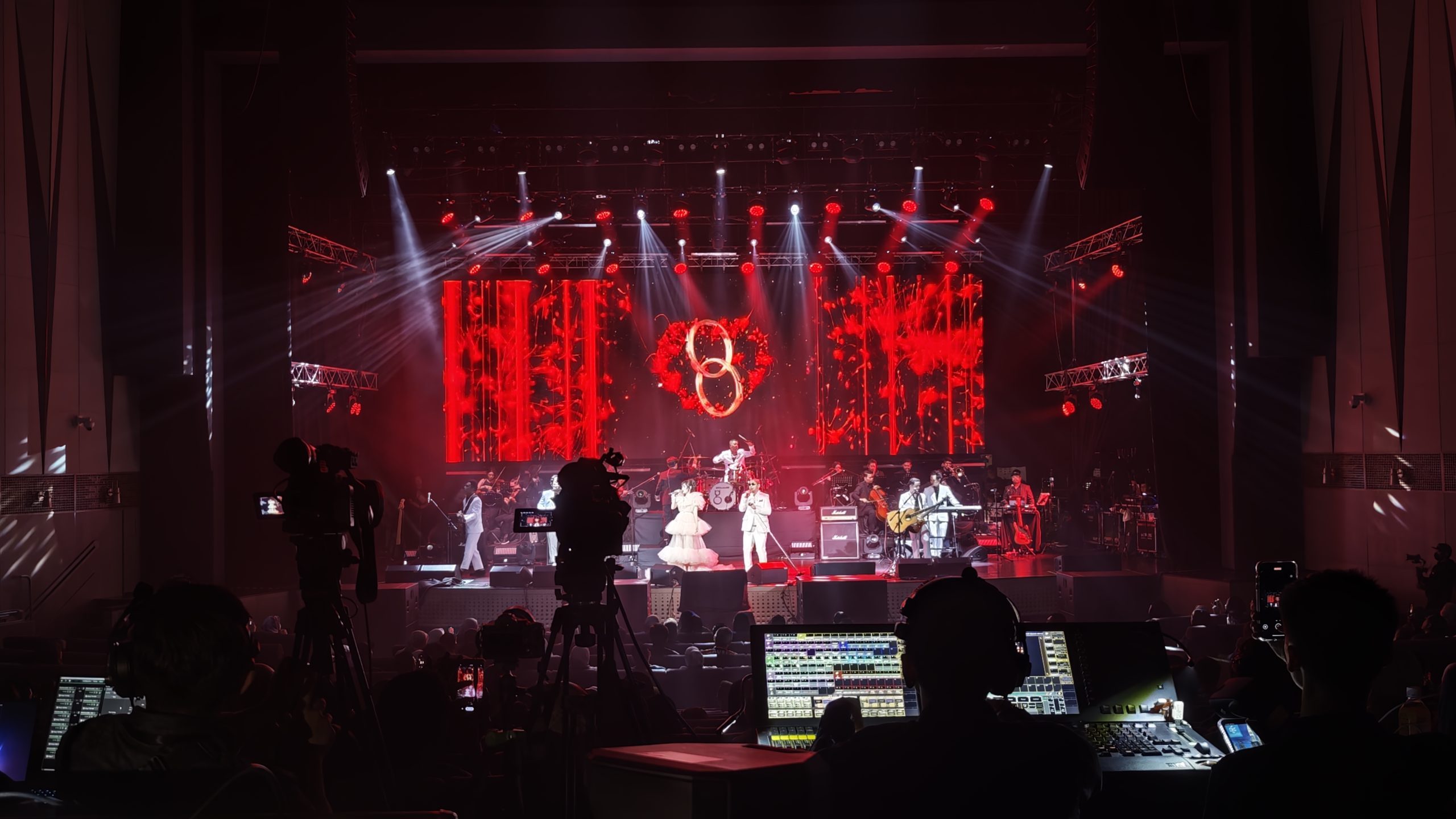
Creative lighting is no longer just about visibility. It is about storytelling, branding, atmosphere, emotion, and audience connection. In today’s event landscape, lighting helps transform ordinary venues into immersive branded environments that audiences remember long after the event ends.
Whether for corporate launches, trade shows, concerts, exhibitions, gala dinners, or public activations, strategic lighting design enhances visual impact, audience engagement, brand perception, social media presence, and the overall event experience. As events continue becoming more visually competitive in 2026, organisers who invest in creative lighting strategies will stand out far more effectively in increasingly crowded event spaces.
Ready to Transform Your Venue With Creative Lighting?
Our lighting design team specialises in architectural uplighting, intelligent moving heads, projection mapping, and full creative lighting production — built to elevate your brand and immerse your audience.