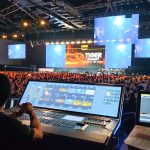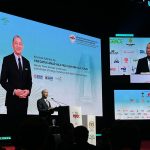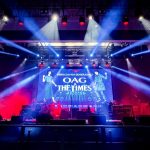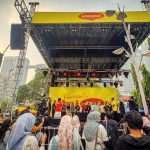
In the fast-moving world of live events, exhibitions, conferences, and hybrid productions, technical reliability is not just a “nice to have” it is the backbone of every successful delivery. Whether it’s a corporate annual dinner, a large-scale concert, a trade exhibition, or a hybrid virtual conference streamed across continents, one thing remains constant: equipment failure is not an option when the show is live.
This is exactly why May technical audit and mid-year gear maintenance have become a critical operational strategy in the events and AV production industry. Positioned strategically between the high-demand Q1–Q2 season and the upcoming Q3 peak cycle, this maintenance window is more than routine servicing it is preventive risk management for performance continuity.
What a Technical Audit Really Means in Event Production
A technical audit in the context of event production refers to a structured inspection and evaluation of all technical systems used in live events. This includes:
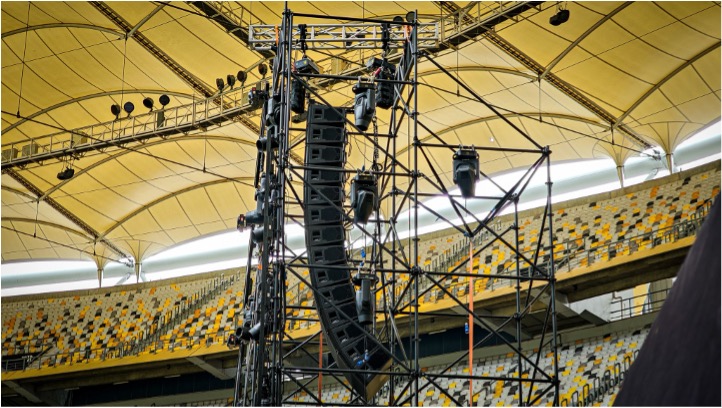
- Audio systems (line arrays, mixers, microphones, amplifiers)
- Visual systems (LED walls, projectors, LED processors)
- Lighting systems (moving heads, DMX controllers, consoles)
- Control systems (media servers, switching systems, control racks)
- Networking infrastructure (routers, signal distribution, Dante networks)
- Power systems (distribution boards, UPS, cabling integrity)
- Hybrid event systems (cameras, encoders, streaming platforms)
Unlike basic troubleshooting, a technical audit is proactive, diagnostic, and performance-focused. It aims to identify early signs of wear and tear, calibration drift, overheating risks, firmware mismatches, and compatibility issues before they become live-event failures.
Why May Is the Strategic Timing for Maintenance
The timing of maintenance is just as important as the maintenance itself.
1. Post-Q1 and Q2 Stress Testing Phase
By May, most AV systems have already been heavily used for corporate dinners, trade fairs, product launches, school events and graduations, and festivals. This means equipment has undergone intense operational cycles — making it the ideal moment to assess performance degradation before the next wave begins.
2. Preparation Window for Q3 Peak Season
Q3 typically includes large corporate conferences, national exhibitions, music festivals, government and institutional events, and hybrid summits. Any downtime during this period can be costly. May maintenance ensures systems are fully optimised before demand spikes.
3. Ideal Climate for Controlled Workshop Testing
In Malaysia’s climate, humidity and heat can affect sensitive electronics. May often provides a relatively stable operational window to run full diagnostics, perform calibration, replace worn components, and conduct stress testing without the pressure of an active production schedule.
The Hidden Risks of Skipping Mid-Year Technical Audits
Many event teams delay maintenance due to tight schedules or cost concerns. However, skipping mid-year audits often leads to significantly higher risks later.
| Risk | What It Looks Like | Consequence |
|---|---|---|
| Equipment Failure During Live Shows | LED blackout, mic dropouts, DMX failure, signal loss in hybrid streams | Immediate disruption to the live event and audience experience |
| Cost Escalation in Emergency Repairs | Rush part shipments, external callouts, last-minute rental replacements | Operational costs increase by 2–5x compared to scheduled maintenance |
| Reputation and Client Trust Damage | Client confidence drops after a visible technical failure | Loss of repeat business, reduced brand credibility, affected long-term partnerships |
A Proper Mid-Year AV Gear Maintenance Checklist
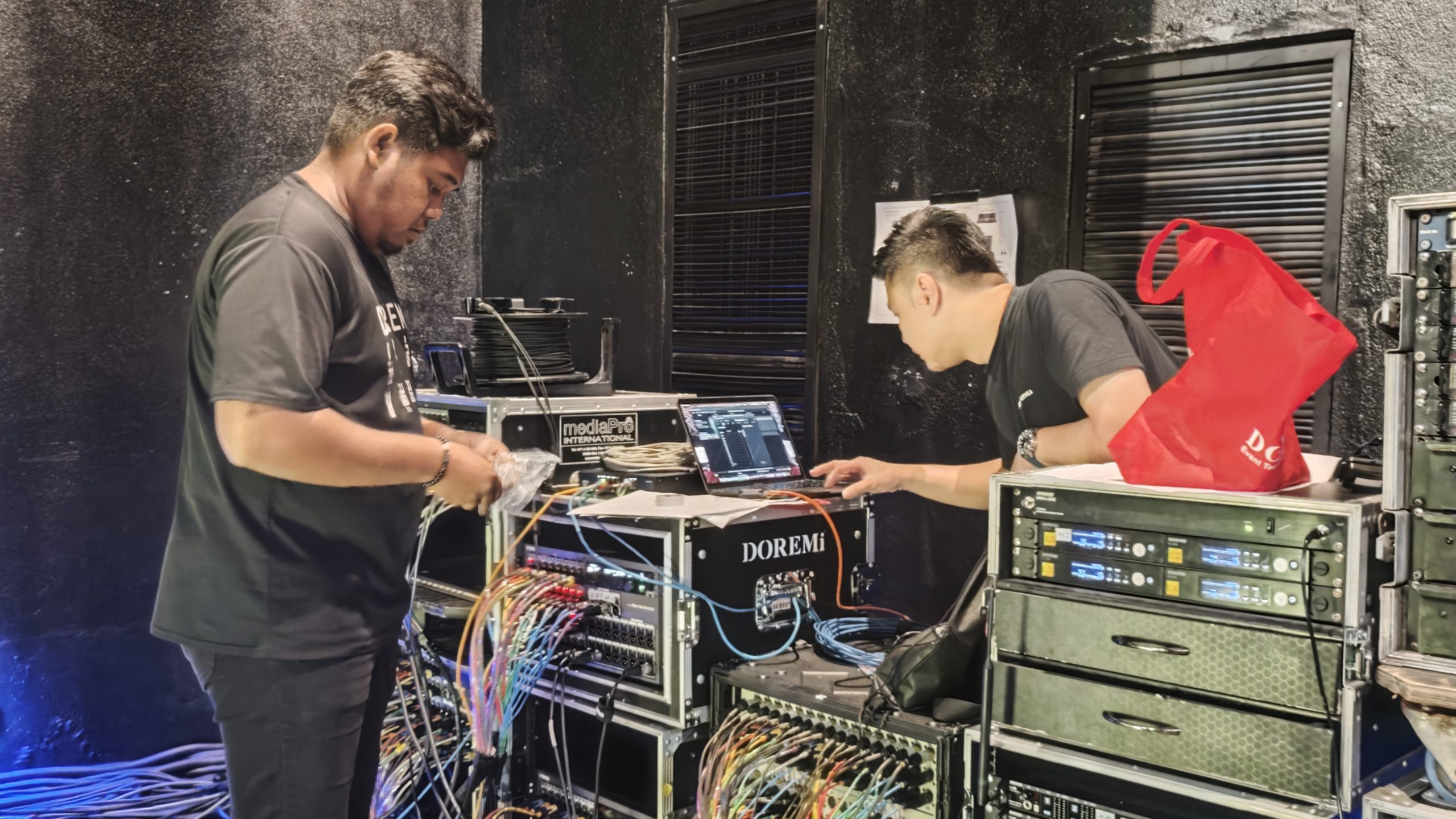
A professional-grade technical audit goes beyond surface-level inspection. It involves a systematic breakdown of all operational layers:
1. Audio System Calibration
- Checking signal-to-noise ratio
- Testing microphones (wired and wireless)
- Inspecting mixers and equalisers
- Re-aligning speaker delay towers
- Verifying digital audio routing systems (Dante/AES)
2. Visual System Integrity Checks
- LED panel pixel testing
- Colour calibration across modules
- Brightness uniformity checks
- Projector lens cleaning and focus testing
- Signal processor firmware updates
3. Lighting System Diagnostics
- DMX address verification
- Fixture movement testing
- Heat dissipation inspection
- Gobos and colour wheel checks
- Console software updates
4. Hybrid Event System Testing
- Video encoding stability
- Streaming latency
- Multi-camera synchronisation
- Backup recording systems
- Platform compatibility (Zoom, Teams, custom RTMP)
5. Cable and Power Infrastructure Review
- Replacing worn-out XLR, HDMI, and SDI cables
- Testing power distribution units
- Load balancing verification
- Checking grounding and safety compliance
The Link Between Preventive Maintenance and Event Innovation
One of the most overlooked benefits of regular technical audits is how they enable innovation in event design. When systems are fully optimised, production teams can confidently deploy more complex stage designs, integrate interactive LED and motion systems, run multi-layered hybrid broadcasts, and experiment with immersive audio-visual experiences.
In contrast, unstable systems force teams into “safe mode” — limiting creativity and reducing production value.
How Mid-Year Maintenance Supports Q3 Event Success
Q3 is often where the most demanding events take place — large-scale corporate summits, regional exhibitions, and high-profile entertainment productions. Here’s how mid-year maintenance directly impacts performance:
| Benefit | Impact on Q3 Execution |
|---|---|
| Increased System Reliability | Significantly reduces probability of failure during live execution |
| Faster Setup and Strike Times | Calibrated systems require fewer on-site adjustments, improving load-in and rehearsal efficiency |
| Better Signal Stability for Hybrid Platforms | Stable streaming infrastructure ensures seamless experiences for both onsite and online audiences |
| Improved Audio-Visual Quality | Fine-tuned systems deliver clearer sound, sharper visuals, and more immersive audience engagement |
High-Demand Event Environments
Event production companies managing large portfolios understand the importance of scheduled maintenance cycles. Large-scale production environments handling corporate dinners at major hotels, international expos at convention centres, music festivals with multi-stage setups, and brand activation events in malls and public spaces push AV systems to their limits. Without structured maintenance, performance degradation becomes inevitable.
Past large-scale projects in the regional events landscape — such as corporate dinners, exhibitions, and festival activations across major venues like convention centres and resorts — demonstrate a consistent pattern: the most successful productions are supported by rigorous pre-event technical preparation and mid-cycle audits.
The Role of Technical Teams in Preventive Maintenance Culture
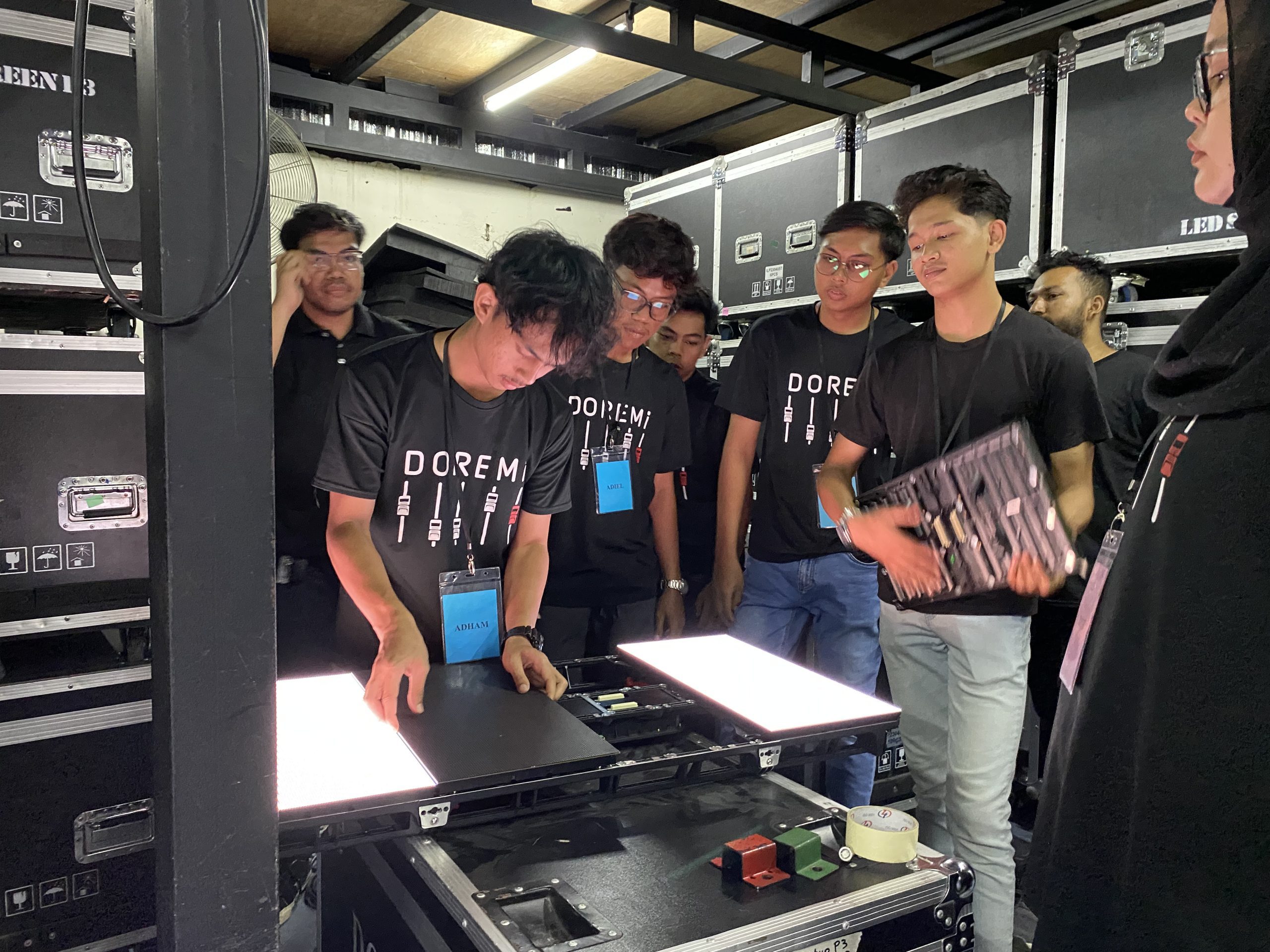
A strong maintenance culture depends on more than just equipment — it depends on people. Key roles include:
- AV engineers ensuring system calibration and signal integrity across all outputs
- Stage technicians conducting physical inspections of fixtures, rigging, and structural components
- Network specialists managing signal routing, Dante networks, and streaming infrastructure
- Project managers scheduling maintenance windows without disrupting active production commitments
When these teams work in sync, maintenance becomes a continuous lifecycle process — not a reactive task.
What Happens When Maintenance Becomes Culture
Organisations that treat maintenance as a continuous priority — rather than a reactive response to failure — consistently outperform those that don’t. The results are visible in:
Fewer Live Failures
Lower Emergency Costs
Faster On-Site Setup
Higher Client Confidence
Better Production Quality
Greater Creative Freedom
Maintenance Is Not Cost — It Is Protection
In the events industry, success is measured in seconds. A flawless cue, a perfectly timed visual transition, a clean audio drop — all of these depend on systems that perform without hesitation. Mid-year technical audits are not just operational procedures. They are risk prevention strategies, performance enhancers, and innovation enablers.
By investing in May maintenance, event teams ensure that Q3 is not a period of uncertainty — but a season of confident execution, creative expansion, and technical excellence. For event production companies operating in high-demand environments, including large-scale corporate functions, exhibitions, and hybrid activations, integrating structured technical audits into the annual workflow is no longer optional — it is essential.
Is Your AV Gear Ready for Q3?
Our technical team provides full mid-year AV audits — covering audio, LED, lighting, hybrid systems, and power infrastructure — so your equipment is production-ready when it matters most.