Key Takeaways
- Customer retention is the real measure of a successful event because it shows whether attendees continue to remember, trust, and engage with the brand after the experience ends.
- A strong customer retention strategy should begin before the event, with clear goals and a connected attendee journey.
- During the event, brands can build retention by creating emotional moments, keeping attendees engaged, and rewarding attendees in a meaningful way.
- After the event, brands should leverage post-event momentum through timely follow-ups, relevant offers, feedback, and clear next steps.
- When planned well, an event does more than attract attention for one day. It becomes a long-term brand experience that encourages future action, loyalty, and stronger customer relationships.
Events are often judged by what happens on the day itself, such as the crowd size, the energy, the photos, the giveaways, and the number of people who stopped by. While these moments are important, they only show part of the picture. A truly successful event does more than attract attention for a few hours. It creates a lasting impression that encourages people to remember, trust, and continue engaging with the brand.
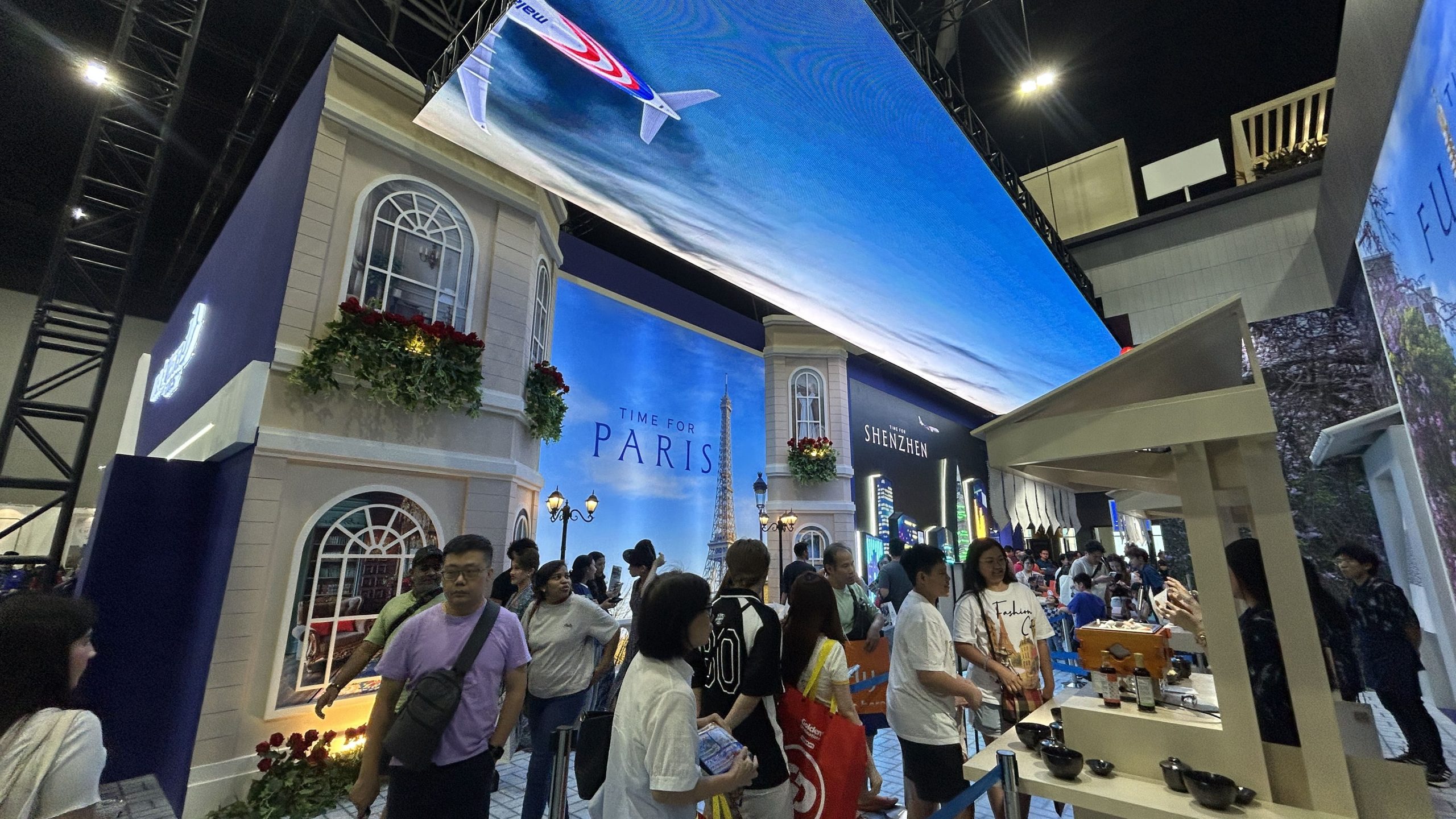 This is where customer retention becomes important. In brand activation and event experience design, customer retention is the real sign that an experience has worked. It shows that the event did not just entertain attendees for a day, but helped shape their long-term behaviour and relationship with the brand.
When an event is planned with retention in mind, every interaction has a purpose. From the first invitation to the final follow-up, the goal is to turn attendees into loyal customers, repeat participants, and long-term brand advocates.
What Is Customer Retention in Events?
Customer retention in events refers to the ability to turn attendees into people who continue to engage with your brand after the event is over. It is not just about getting people to show up. It is about creating an experience that encourages them to remember your brand, take the next step, and build a longer-term connection.
In an event setting, customer retention can happen in many ways. An attendee may make a repeat purchase, sign up for a loyalty programme, follow the brand online, join a community, submit an enquiry, redeem a post-event offer, or attend the next activation. These actions show that the event has moved beyond one-time engagement and created ongoing interest.
For brand activations and event experience design, customer retention is especially important because it connects creativity with business results. A beautiful booth, exciting game, or memorable performance can attract attention, but retention shows whether the experience created real impact.
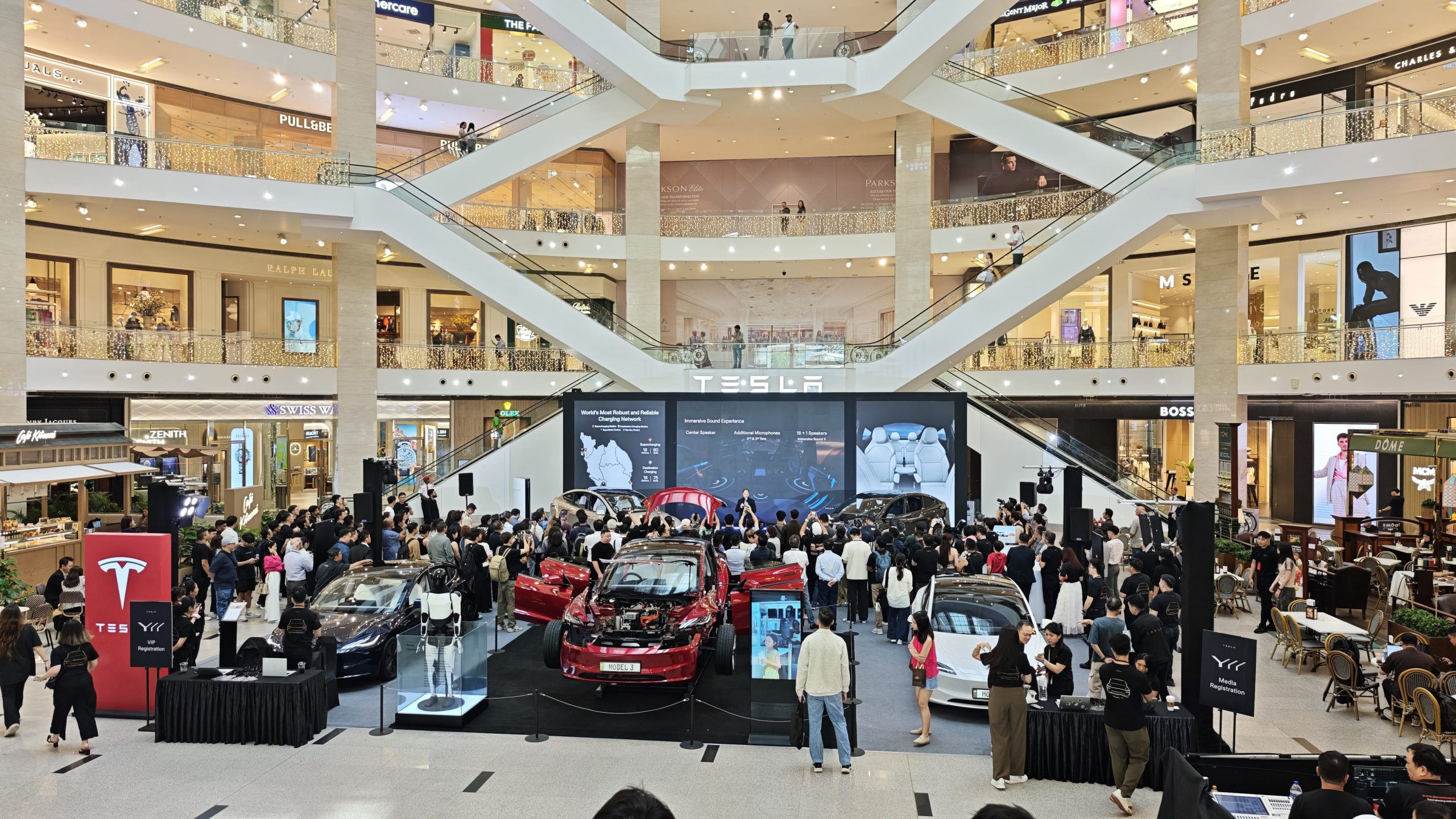 In simple terms, customer retention means the event gives attendees a reason to stay connected. When people continue the relationship after the event, the experience has successfully turned attention into trust, and trust into future action.
Why Customer Retention Matters More Than One-Day Engagement
A busy event can look successful from the outside. There may be a long queue, many photos being taken, and strong activity around the booth or activation space. These are all positive signs, but they do not always tell the full story.
One-day engagement shows that people were interested in the moment. Customer retention shows that the experience continued to matter after the event ended.
This is why customer retention matters in brand activation. An event should not only create excitement for a few hours. It should help people:
- Understand the brand better.
- Feel more connected to the brand.
- Remember the experience after the event.
- Take action after the event.
- Return, purchase, enquire, share, or stay connected.
For marketers, customer retention also gives a clearer picture of event return on investment. Attendance numbers, social media reach, and giveaway redemptions are useful, but they are only starting points.
The bigger question is: Did the event encourage people to come back?
In event experience design, the goal is to create moments that lead to future behaviour. A memorable activation can introduce the brand, but retention helps build the relationship.
When people continue engaging after the event, it shows that the experience has successfully moved them from awareness to trust.
Attention may start the conversation, but retention proves the connection.
Building a Customer Retention Strategy Before the Event Starts
Customer retention does not begin after the event. It starts during the planning stage. If the event is only designed to attract visitors on the day, the brand may get attention, but the connection can quickly fade. A strong customer retention strategy makes sure every part of the event leads attendees toward a meaningful next step.
Before planning the booth, activity, giveaway, or content, marketers should ask one important question: What should attendees do, feel, or remember after the event?
When this question is clear, the event can be designed with purpose.
 Define the Retention Goal
Image: Defining customer retention goals.
Every event should have a retention goal beyond attendance. For example, the goal may be to encourage attendees to:
- Join a loyalty programme.
- Try the product again.
- Book a consultation.
- Follow the brand online.
- Visit a store or website.
- Attend the next event.
- Share their experience with others.
The clearer the goal, the easier it is to design an experience that supports it.
Design the Attendee Journey
Once the goal is defined, the next step is to design the attendee journey. This means thinking through what happens before, during, and after the event.
A good attendee journey should feel smooth and connected. The invitation should create interest. The event experience should build trust. The follow-up should remind attendees why the brand matters.
When every touchpoint works together, the event becomes more than a one-day activity. It becomes the beginning of a longer relationship between the attendee and the brand.
Customer Retention Strategies During the Event
Once the event begins, every interaction becomes a chance to build a stronger relationship with attendees. This is where the brand experience must do more than attract attention. It should encourage people to participate, feel connected, and remember the brand after they leave.
Customer retention during the event is created through meaningful engagement. When attendees are actively involved, emotionally connected, and rewarded in a thoughtful way, they are more likely to continue the relationship after the event.
Create Emotional Moments That Build Memory
People may forget the exact details of an event, but they often remember how the experience made them feel. This is why emotional connection plays an important role in customer retention. When attendees feel excited, valued, inspired, surprised, or understood, they are more likely to remember the brand after the event.
In brand activation and event experience design, emotional moments should not happen by chance. They should be planned into the experience. This can be done through:
- Personalised product trials.
- Friendly and helpful brand ambassadors.
- Interactive storytelling.
- Immersive brand zones.
- Live demonstrations.
- Sensory experiences such as sound, scent, taste, or touch.
- Photo moments that connect clearly to the brand message.
The goal is not only to impress attendees. The goal is to create a memory that stays with them.
Keep Attendees Engaged During the Event
Keeping attendees engaged during the event means giving them reasons to participate, interact, share, and take the next step with the brand. It is not enough for people to simply walk past, watch, or collect a free item. The more involved they are, the more likely they are to remember the experience.
Good engagement should feel simple, natural, and enjoyable. Attendees should understand what to do, why it matters, and what they get from taking part.
Brands can increase engagement through:
- Games and challenges.
- Live polls or voting activities.
- QR code journeys.
- Product sampling or trials.
- Interactive displays.
- Hands-on demonstrations.
- Social media sharing moments.
- Friendly conversations with brand ambassadors.
The key is to avoid passive experiences. When attendees only observe, the connection may be weak. When they participate, the brand becomes part of their personal experience.
 Rewarding Attendees Can Strengthen Brand Loyalty
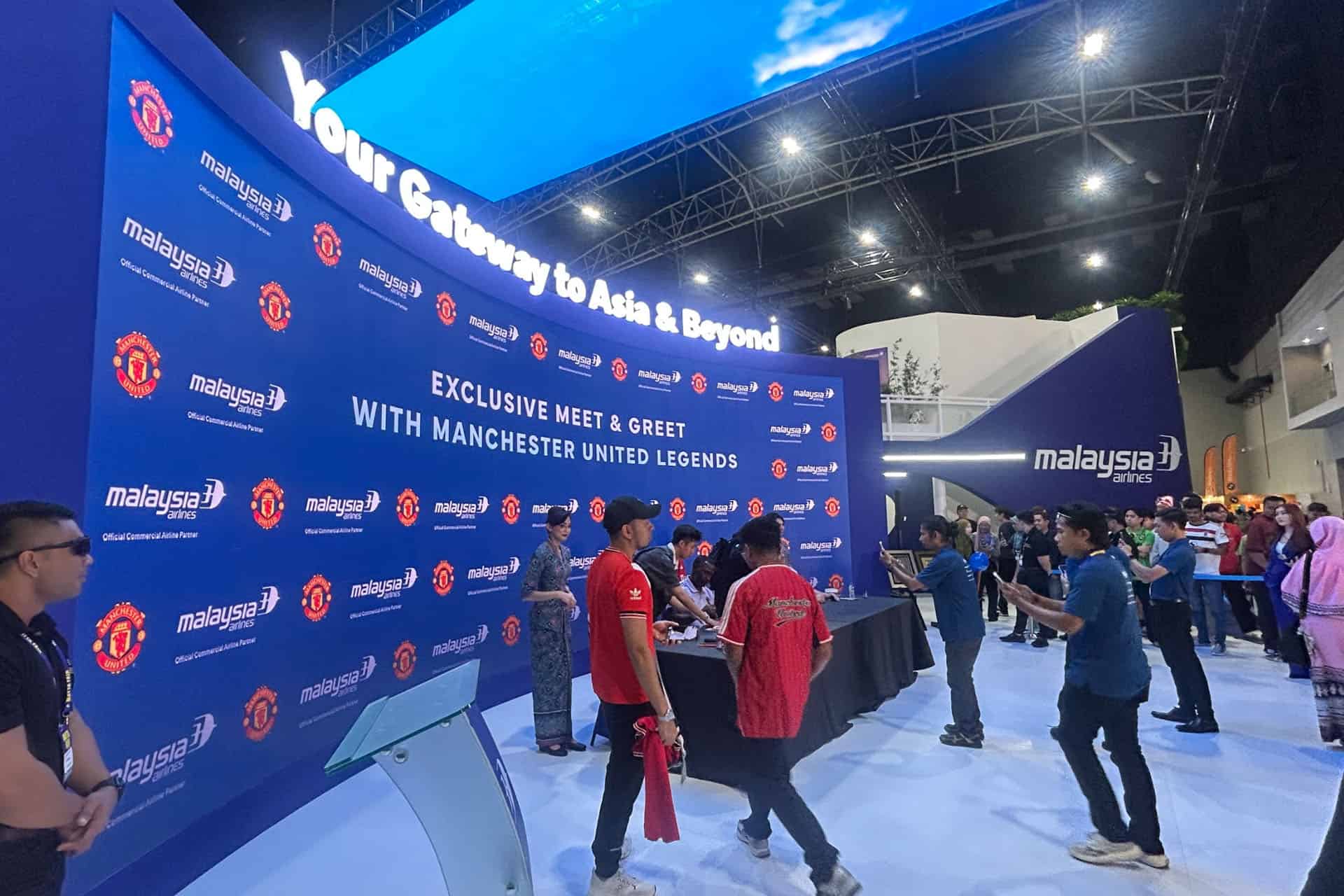
Rewarding attendees is a powerful way to encourage customer retention, but the reward must have a clear purpose. It should not feel like a random free gift with no connection to the brand. A good reward gives attendees a reason to continue the relationship after the event.
The best rewards are relevant, useful, and aligned with the brand experience. They can make attendees feel appreciated while also guiding them toward the next step.
Examples of effective attendee rewards include:
- Exclusive post-event discounts.
- Loyalty points.
- VIP access.
- Early access to a new product.
- Limited-edition merchandise.
- Referral rewards.
- Free trials or samples.
- Invitations to future events.
- Access to a private community.
When rewards are planned well, they do more than attract attention. They help build loyalty, encourage action, and keep the brand relationship alive after the event.
Leverage Post-Event Momentum Before It Fades
The event may be over, but the attendee journey should not end there. In fact, the days after the event are one of the most important moments for customer retention. Attendees may still remember the experience, the people they met, the product they tried, or the activity they enjoyed. This is the best time for the brand to continue the conversation.
To leverage post-event momentum, brands need to follow up while the experience is still fresh. If the follow-up comes too late, attendees may forget the details or lose interest. A simple thank-you message, event highlight, personalised offer, or useful piece of content can help bring the experience back to mind.
Good post-event follow-up can include:
- Sending a thank-you message within 24 to 48 hours.
- Sharing event photos, videos, or highlights.
- Offering a special post-event promotion.
- Inviting attendees to redeem a reward.
- Asking for feedback through a short survey.
- Sharing user-generated content.
- Sending product information based on what they experienced.
- Inviting them to join a loyalty programme, community, or future event.
The key is to give attendees a clear next step. Do not let the relationship stop at “thank you for coming.” Guide them towards another action, whether it is visiting a store, making an enquiry, following the brand online, or attending the next activation.
When brands continue the conversation after the event, they turn a one-day experience into a longer journey. This is where post-event momentum becomes powerful. It keeps the brand present in the attendee’s mind and helps move them from interest to trust, and from trust to long-term engagement.
Measuring Customer Retention After the Event
To understand whether an event truly worked, brands need to measure what happens after attendees leave. A full event space, high social media activity, and strong participation are all good signs, but they do not always show long-term impact. Customer retention is measured by whether people continue to engage with the brand after the event.
This means looking beyond basic event numbers and focusing on future behaviour. Did attendees return? Did they make a purchase? Did they submit an enquiry? Did they redeem an offer? Did they sign up for future updates?
Useful customer retention metrics include:
- Repeat purchase rate
- Returning attendee rate
- Post-event offer redemption
- Loyalty programme sign-ups
- Email, WhatsApp, or CRM engagement
- Website visits after the event
- Product enquiries or consultation bookings
- Social media re-engagement
- Referral activity
- Post-event survey feedback
- Attendance at future events
These metrics help marketers understand whether the event created real business value. They also show which parts of the experience worked best. For example, if many attendees redeemed a post-event offer, the reward was likely effective. If many people joined a loyalty programme, the event successfully encouraged a longer-term connection.
Measuring customer retention also helps improve future event planning. The data can show what attendees enjoyed, what encouraged action, and where the journey needs to be stronger.
If the event changed what people did after the experience, it created retention. If it only created excitement for one day, there is an opportunity to design the next event with a stronger retention strategy.
Common Mistakes That Reduce Event Retention
Even a well-attended event can lose its impact if there is no plan to keep attendees connected afterwards. Customer retention depends on what happens before, during, and after the event. When these parts are not linked, the experience may feel exciting for a short time but fail to create long-term value.
Some common mistakes include:
- Designing the event only for photos, not follow-up.
- Giving away free items that have no connection to the brand.
- Collecting attendee details without a clear nurture plan.
- Waiting too long to send post-event communication.
- Treating every attendee the same instead of personalising the follow-up.
- Measuring only attendance, reach, or social media engagement.
- Forgetting to train brand ambassadors on the retention goal.
- Ending the experience without giving attendees a clear next step.
These mistakes can make the event feel disconnected from the larger brand strategy. For example, if attendees enjoy an activity but do not know what to do next, the brand may lose a valuable opportunity to continue the relationship.
To improve retention, every event should be designed with the next step in mind. The experience should attract attention, create connection, and guide attendees towards future action. This is how an event becomes more than a one-day campaign.
FAQ
How early should brands plan for customer retention in an event?
Brands should plan for customer retention from the beginning of the event strategy. This includes setting the right goals, identifying the audience journey, preparing the follow-up flow, and making sure the event activity connects to a longer-term brand objective.
What is the difference between event engagement and customer retention?
Event engagement happens when attendees interact with the brand during the event. Customer retention happens when that interaction continues after the event. Engagement creates the opportunity, while retention shows that the opportunity has turned into an ongoing relationship.
Can small events also create customer retention?
Yes. Customer retention is not only for large-scale events. Smaller events can be very effective because they often allow for more personal conversations, stronger audience connection, and better follow-up. What matters most is whether the experience feels relevant and memorable to the attendees.
What role does event staff play in customer retention?
Event staff play an important role because they are often the human face of the brand. Friendly, well-trained staff can create trust, explain the brand clearly, guide attendees through the experience, and encourage them to take the next step after the event.
How can brands make post-event follow-up feel less sales-driven?
Post-event follow-up should feel helpful, not pushy. Brands can do this by sharing useful content, thanking attendees sincerely, offering something relevant to their experience, or inviting them to continue the journey in a natural way. The goal is to build the relationship, not pressure the attendee.
Conclusion: Customer Retention Is the Real Proof of Event Success
Customer retention is what turns a one-day event into a long-term brand opportunity. With the right strategy, meaningful engagement, thoughtful rewards, and strong follow-up, an event can do more than attract attention. It can build trust and encourage attendees to stay connected with the brand.
For brands planning an activation, launch, roadshow, or experiential campaign, Doremi Event can help create experiences that support long-term customer retention.
For more on Brand Activation and Event Experience Design, read