Key Takeaways
- Event planning focuses on the logistics that make an event run smoothly, such as venue, vendors, timeline, manpower, registration, AV setup, safety, and backup plans.
- Event experience design focuses on how attendees feel, interact, move through, and remember the event.
- The main difference between event planning and event experience design is purpose: planning makes the event happen, while experience design makes the event meaningful.
- Brands need both because strong planning without experience can feel forgettable, while creative experience without planning can fail in execution.
- Event planning is especially important for complex events with many moving parts, while event experience design is important for brand activations, product launches, and events that need emotional connection.
- The best events are both well-organised and thoughtfully designed.
Event planning and event experience design are often used together, but they are not the same. Both are important in creating a successful event, yet they focus on different parts of the process.
Event planning is about making sure everything runs smoothly. It covers the logistics, vendors, timeline, technical setup, manpower, and coordination needed to bring the event to life. Event experience design goes deeper into how attendees feel, interact, and remember the event.
For brands, this difference matters. A well-planned event may run without problems, but a well-designed experience can create stronger audience engagement, emotional connection, and lasting brand impact.
In simple terms, event planning makes the event happen. Event experience design makes the event matter.
What Is Event Planning?
Event planning is the process of organising the practical details that make an event possible. It focuses on structure, coordination, and smooth delivery from the early planning stage to the final event day.
This includes managing important elements such as:
- Venue booking.
- Budget planning.
- Vendor coordination.
- Event timeline.
- Registration flow.
- Manpower arrangement.
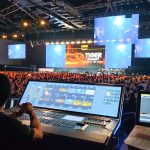
- Audio, lighting, and technical setup.
- Permits, safety, and contingency plans.
The goal of event planning is to make sure everything works as it should. Guests should know where to go, vendors should know what to do, and the event team should understand the full schedule.
Without proper event planning, even a creative event idea can face delays, confusion, or technical issues. Strong planning creates the foundation for a professional and well-managed event. It gives the experience structure, so the event can run smoothly and confidently.
Events calendar reminder
What Is Event Experience Design?
Event experience design is the process of shaping how attendees feel, move, interact, and remember an event. It goes beyond event decoration or visual styling. It looks at the full audience experience and how each touchpoint supports the brand message.
This can include the attendee journey, event theme, sensory elements, audience engagement, storytelling, product interaction, and post-event follow-up. Every detail is planned with one question in mind: What should attendees feel, remember, or do after the event?
For example, lighting can create mood, sound can build energy, activities can encourage participation, and staff interactions can make guests feel welcomed. These elements work together to create a stronger brand experience.
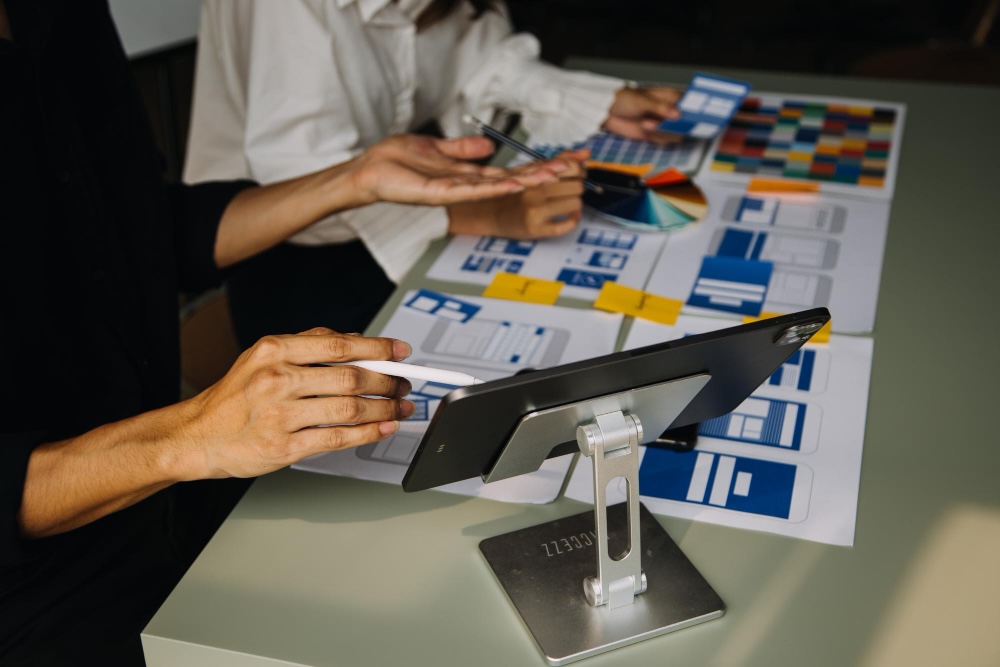 Event experience design helps transform an event from a simple gathering into something meaningful. When done well, it can foster emotional connections, establish brand trust, and give attendees a clear reason to stay connected with the brand.
Event Planning vs. Event Experience Design: The Key Differences
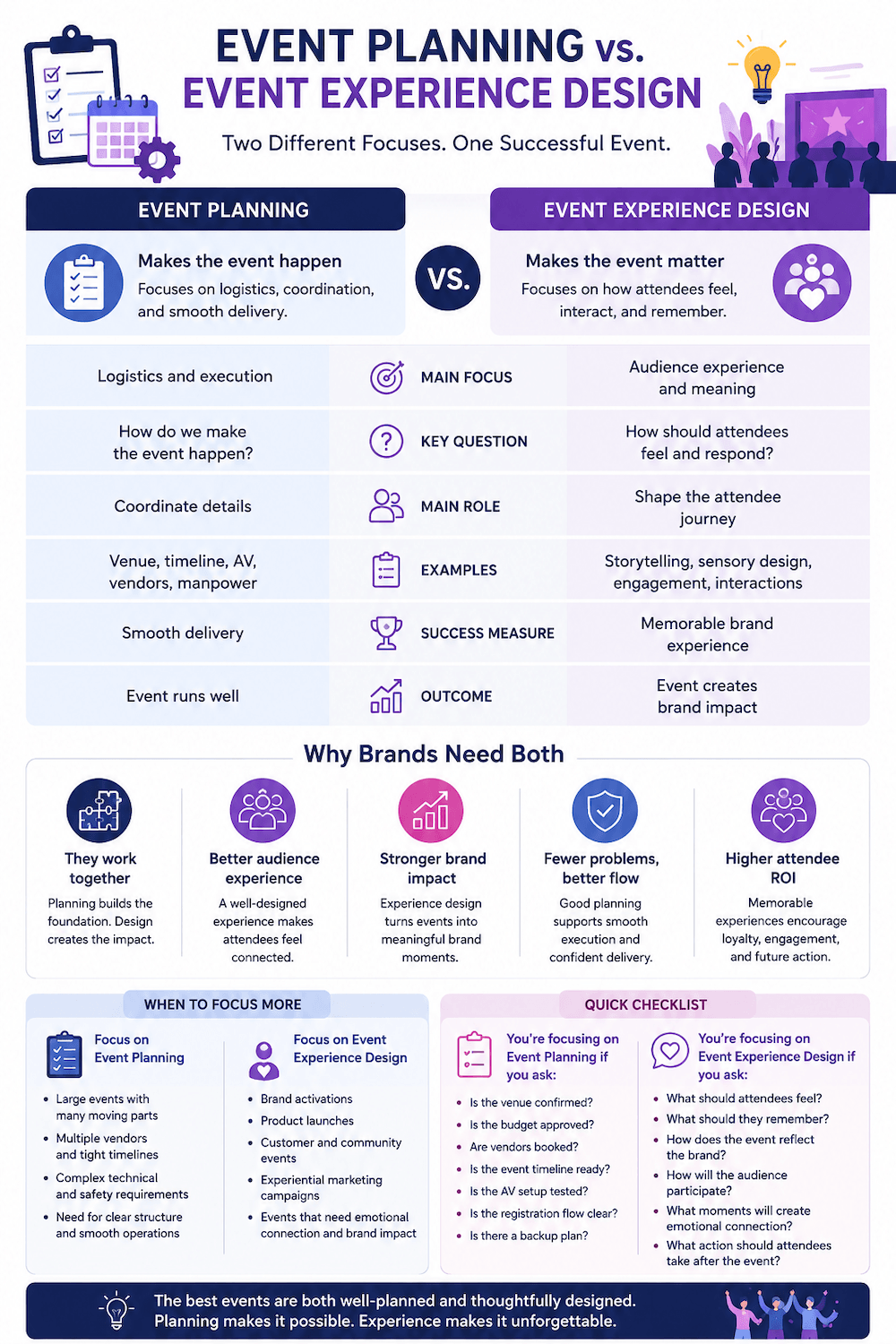
The easiest way to understand Event Planning vs. Event Experience Design is to look at what each one is trying to achieve. Event planning focuses on making sure the event runs well. Event experience design focuses on making sure the event feels meaningful to the audience.
Both are important, but they serve different purposes.
| Area | Event Planning | Event Experience Design |
|---|---|---|
| Main focus | Logistics and execution | Audience experience and meaning |
| Key question | How do we make the event happen? | How should attendees feel and respond? |
| Main role | Coordinate details | Shape the attendee journey |
| Examples | Venue, timeline, AV, vendors | Storytelling, sensory design, engagement |
| Success measure | Smooth delivery | Memorable brand experience |
| Outcome | Event runs well | Event creates brand impact |
Difference between event planning and event experience design
1. Event Planning Manages the Logistics
Event planning focuses on the practical details that make the event possible. This includes venue booking, vendor coordination, timelines, permits, registration, manpower, audio setup, lighting, safety, and backup plans. It is the foundation that keeps the event organised and on track.
2. Event Experience Design Shapes the Attendee Journey
Event experience design looks at how attendees move through the event from start to finish. It considers their first impression, arrival flow, key moments, interactions, emotions, and final takeaway. The goal is to create an attendee journey that feels smooth, intentional, and memorable.
3. Event Planning Solves Operational Problems
A strong event plan helps prevent confusion and delays. It answers practical questions such as: Where should guests go? Who is managing each area? What time does each activity happen? What happens if there is a technical issue or last-minute change?
4. Event Experience Design Creates Emotional Connection
Experience design focuses on how the event makes people feel. It uses storytelling, sound, lighting, visuals, activities, and human interaction to foster emotional connections between the audience and the brand. This helps the event feel more personal and memorable.
5. Event Planning Supports Smooth Delivery
Good planning helps the event run on time, within budget, and with clear coordination between teams. When the event is well-managed, guests feel comfortable, vendors work better, and the brand appears more professional and reliable.
6. Event Experience Design Builds Brand Impact
Experience design turns the event into a stronger brand experience. It helps improve audience experience, establish brand trust, encourage brand and product loyalty, and create higher attendee ROI. Instead of only attending an event, guests leave with a stronger reason to remember and connect with the brand.
Event Planning vs Event Experience Design
Why Brands Need Both Event Planning and Event Experience Design
Brands should not treat event planning and event experience design as separate choices. A successful event needs both. Event planning makes sure everything is organised, while event experience design makes sure the event creates meaning for the audience.
If an event has strong planning but weak experience design, it may run smoothly but feel forgettable. Guests may arrive on time, move through the space easily, and experience no major issues, but they may not feel connected to the brand.
On the other hand, if an event has a creative experience but poor planning, the idea may not be delivered properly. Long queues, unclear directions, weak technical setup, or delayed programmes can reduce the impact of the experience.
The best events combine both sides:
- Event planning protects the event from operational problems.
- Event experience design helps the event create emotional and brand impact.
- Planning makes the event functional.
- Experience design makes the event memorable.
- Together, they support higher attendee ROI.
In simple terms, event planning makes sure the event works. Event experience design makes sure the event matters. When both are aligned, brands can create events that are smooth, meaningful, and worth remembering.
When Should You Focus More on Event Planning?
You should focus more on event planning when the event has many moving parts and needs strong coordination to run smoothly. This is especially important for events with large guest numbers, multiple vendors, tight timelines, complex technical setup, or strict safety requirements.
Event planning should be the priority when you need to manage:
- Venue access and setup timing.
- Vendor schedules.
- Registration and guest flow.
- Audio, lighting, and AV requirements.
- Permits and safety checks.
- VIP, media, or speaker arrangements.
- Backup plans for delays or technical issues.
In these situations, even the best creative idea can fail if the logistics are weak. Strong event planning gives the event a clear structure and helps every team understand their role.
Before designing the experience, the event must first be organised well enough to support it.
When Should You Focus More on Event Experience Design?
You should focus more on event experience design when the goal is to influence how people feel, remember, or respond to the brand. This is especially important for events that need to create strong audience experience, emotional connection, and long-term brand impact.
Event experience design should be a priority for:
- Brand activations.
- Product launches.
- Customer appreciation events.
- Retail activations.
- Lifestyle campaigns.
- Experiential marketing campaigns.
- Community engagement events.
In these events, the audience should not only attend. They should interact, explore, participate, and leave with a clear impression of the brand.
Experience design helps shape the full attendee journey, from the first welcome moment to the final takeaway. It makes the event more memorable by connecting the message, environment, activities, and emotions into one meaningful brand experience.
For more, read ‘How to craft a perfect event with event experience design?’
Quick Checklist: Are You Planning an Event or Designing an Experience?
A simple way to understand the difference between event planning and event experience design is to look at the questions you are asking. If your questions are mainly about logistics, you are focusing on event planning. If your questions are about feelings, interaction, and memory, you are focusing on experience design.
You are focusing on event planning if you are asking:
- Is the venue confirmed?
- Is the budget approved?
- Are vendors booked?
- Is the event timeline ready?
- Is the AV setup tested?
- Is the registration flow clear?
- Is there a backup plan?
You are focusing on event experience design if you are asking:
- What should attendees feel?
- What should they remember?
- How does the event reflect the brand?
- How will the audience participate?
- What moments will create emotional connection?
- What action should attendees take after the event?
Both sets of questions are important. The best events are not only well-organised. They are also designed to create a meaningful audience experience.
FAQ
Is event experience design only for large events?
No. Event experience design can be useful for events of any size. Even a small brand activation, private launch, or customer event can benefit from a clear attendee journey, meaningful touchpoints, and stronger audience engagement.
Does event experience design increase event cost?
Not always. Experience design is not only about expensive technology or large installations. It is about making smarter decisions around flow, messaging, interaction, lighting, sound, and audience participation. Sometimes, small changes can make the event feel more memorable.
Who is responsible for event experience design?
Event experience design can involve the event agency, brand team, creative team, production team, and client stakeholders. The best results happen when everyone understands the event objective, brand message, and desired audience experience from the beginning.
How early should experience design be included in event planning?
Experience design should be considered from the start. If it is added too late, the event may already be locked into a venue, layout, timeline, or format that limits the audience experience. Early planning makes the experience more intentional.
Can event experience design improve post-event results?
Yes. A well-designed experience can make attendees more likely to remember the brand, share the event, respond to follow-up, attend future events, or take the next step. This helps extend the value of the event beyond the event day.
Conclusion: The Best Events Are Both Planned and Designed
Event planning and event experience design play different roles, but they work best together. Planning makes sure the event is organised, smooth, and professionally delivered. Experience design makes sure the event feels meaningful, memorable, and connected to the brand.
For brands, the goal should not only be to run an event without problems. The goal should be to create an audience experience that builds trust, encourages engagement, and leaves a lasting impression.
At DOREMI, we believe the best events are both well-planned and thoughtfully designed. Whether it is a product launch, brand activation, corporate event, or experiential campaign, every detail should support a stronger brand experience.