Key Takeaways
- Brand activation events help audiences experience a brand directly instead of only seeing or hearing its message.
- A strong activation uses audience participation, real-time experiences, sensory details, and hands-on engagement to make the brand more memorable.
- Multi-sensory environments can strengthen brand recall by using sound, lighting, scent, texture, taste, space, and movement with purpose.
- Interactive zones, product trials, games, and customisation stations help audiences explore the brand in a more active and meaningful way.
- Event experience design connects the brand message, layout, activities, and attendee journey into one clear experience.
- With the right planning and production support, brand activation events can turn attention into emotional connection and lasting brand impact.
Traditional ads can create awareness, but they do not always create a lasting connection. Audiences today are exposed to many brand messages every day, which makes it harder for brands to stand out through visuals, slogans, or one-way communication alone.
This is where brand activation events become powerful. Instead of only telling people what the brand stands for, these events allow audiences to experience the brand in real life. Through audience participation, real-time experiences, sensory details, and hands-on engagement, a brand becomes something people can feel, explore, and remember.
For businesses, brand activation events are not just about creating excitement on the day. They are about building emotional connection, strengthening brand recall, and turning attention into meaningful engagement.
When done well, a brand activation event can turn a simple interaction into a stronger brand experience.
What Are Brand Activation Events?
Brand activation events are live or experiential events designed to bring a brand to life through direct audience interaction. Instead of asking people to only see or hear a brand message, these events invite them to experience it.
A brand activation event can take many forms, such as:
- Product sampling.
- Launch activations.
- Pop-up experiences.
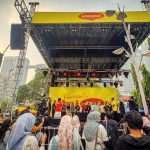
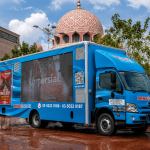
- Roadshows.
- Retail activations.
- Interactive booths.
- Lifestyle campaigns.
- Community events.
The goal is to create a moment where the audience can connect with the brand in a more personal and memorable way. This may happen through hands-on engagement, real-time experiences, product trials, games, storytelling, or sensory touchpoints.
Unlike a standard advertisement, a brand activation event gives people a role in the experience. They can participate, explore, ask questions, share content, or try something for themselves.
When designed well, brand activation events help turn brand awareness into brand connection.
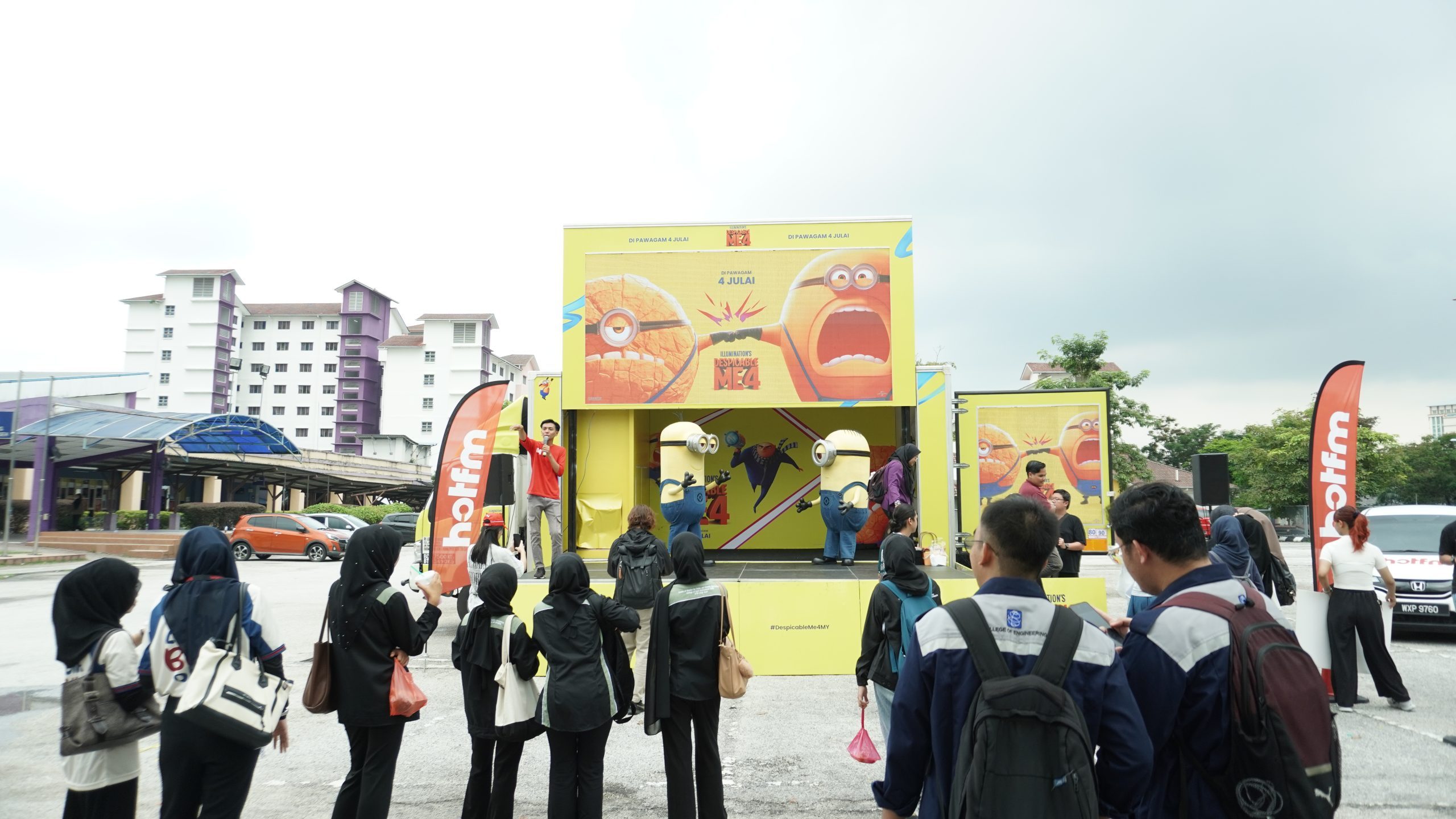 They allow audiences to understand the brand not just through words, but through action, emotion, and experience.
Why Traditional Ads and Events Are Not Enough
Traditional advertising still has value, but it is often passive. People may see an ad, scroll past a post, or hear a message, but they may not feel involved with the brand. In a crowded market, visibility alone is not always enough to create a strong impression.
The same can happen with traditional events. A booth, display, or presentation may look professional, but if the audience only watches from a distance, the experience can feel forgettable. People are more likely to remember a brand when they can interact with it, try something, or take part in the moment.
This is why brand activation events are becoming more important. They move the audience from passive attention to active participation. Instead of simply receiving a message, people become part of the experience.
A stronger brand experience should help audiences:
- Feel curious.
- Stay engaged.
- Understand the brand better.
- Remember the interaction.
- Take the next step after the event.
In simple terms, people remember a brand better when they experience it, not just see it.
How Brand Activation Events Amplify Brand Experience
Brand experience is shaped by how people feel, interact, and remember a brand. While ads can communicate a message, brand activation events allow people to experience that message in a real and memorable way.
A well-designed brand activation can amplify brand experience by creating moments that are active, emotional, and easy to remember. This happens when the audience is invited to participate instead of only observing.
Brand activation events can strengthen brand experience in several ways:
- They turn brand messages into real-time experiences: Instead of only telling people what the brand stands for, the event allows them to see, touch, try, and feel it for themselves. This makes the brand message more practical and easier to understand.
- They encourage active audience participation: Audience participation helps people feel involved in the brand experience. When attendees can choose, vote, create, play, test, or share, they become part of the activation instead of passive viewers.
- They create a multi-sensory environment: A strong activation uses more than visuals. Sound, lighting, scent, texture, taste, space, and movement can all support the brand message. These sensory elements help the experience feel richer and more memorable.
- They build emotional connection: People are more likely to remember a brand when the experience makes them feel excited, valued, surprised, inspired, or understood. This emotional layer helps the brand stay in the audience’s mind after the event.
- They support hands-on engagement: Product trials, demos, customisation stations, and interactive displays allow people to experience the value of the brand directly. This can be especially useful when the brand wants the audience to understand a product, service, or lifestyle promise.
- They create shareable brand moments: Photo zones, social prompts, interactive displays, and memorable activities can encourage people to share the experience online. This helps extend the activation beyond the event space and increases brand visibility.
When these elements work together, a brand activation event becomes more than a promotional activity. It becomes a meaningful brand experience that audiences can remember, talk about, and act on.
Brand Activation Event Strategies That Amplify Brand Experience
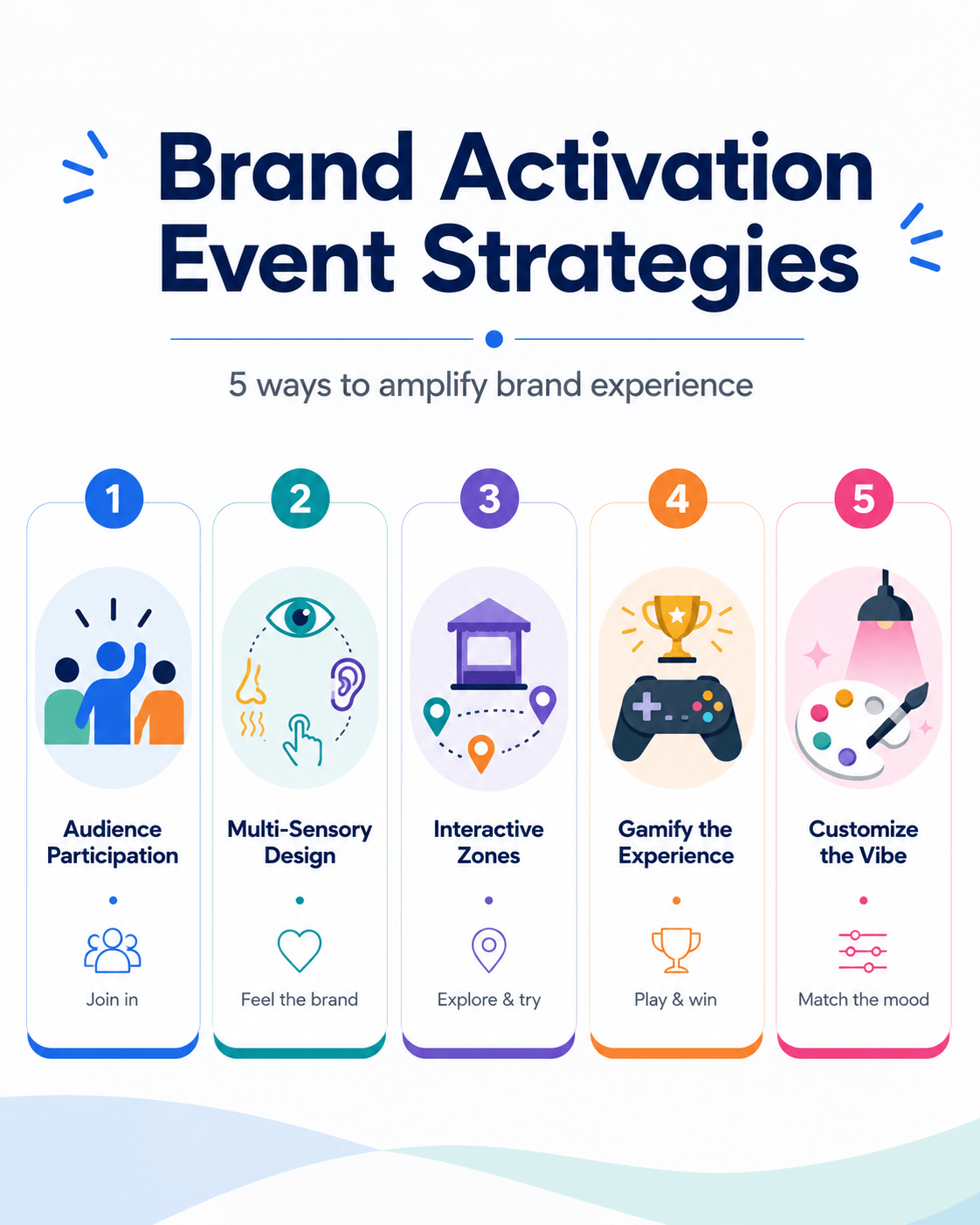 Brand Activation Event Strategies
A strong brand activation event does not happen by chance. It needs a clear strategy that connects the brand message, audience behaviour, event environment, and engagement flow. The goal is to create an experience that feels natural, memorable, and meaningful to the people attending.
Here are key strategies that can help amplify brand experience through brand activation events.
1. Design for Audience Participation
Audience participation is one of the most important parts of a successful activation. Instead of asking people to only watch, invite them to take part.
This can include simple actions such as:
- Trying a product.
- Voting in a live poll.
- Joining a challenge.
- Creating personalised content.
- Sharing a moment online.
- Answering a quiz.
- Redeeming a reward.
The easier it is to participate, the stronger the engagement. Activities should feel clear, fun, and connected to the brand message. When attendees are actively involved, they are more likely to remember the experience.
2. Build a Multi-Sensory Environment
A brand activation becomes more powerful when it uses more than visuals. A multi-sensory environment can include sound, lighting, scent, texture, taste, movement, and spatial design.
The key is to use these elements with purpose. Every sensory detail should support the brand identity and message. For example, a wellness brand may use calming lighting, soft textures, and gentle sound. A youth lifestyle brand may use bold colours, upbeat music, and energetic movement.
This helps the activation reflect sensory core values in a way the audience can feel and remember.
3. Create Interactive Zones and Hands-On Engagement
Interactive zones help guide attendees through the brand experience. Each zone should have a clear purpose and should encourage people to explore the brand in a different way.
Examples of interactive zones include:
- Product trial zones.
- Demonstration areas.
- Customisation stations.
- Photo or content zones.
- Game corners.
- Consultation areas.
- Reward redemption points.
Hands-on engagement is especially useful because it allows attendees to experience the brand value directly. When people can test, touch, explore, or personalise something, the brand becomes easier to understand.
4. Gamify the Experience
Gamification can make a brand activation more exciting and memorable. It adds a sense of fun, challenge, and reward to the experience.
Brands can gamify the experience through QR code missions, stamp card journeys, spin-and-win activities, product quizzes, team challenges, leaderboards, or reward-based tasks.
However, the game should not feel random. It should help attendees learn about the brand, try the product, visit different zones, or take a meaningful next step. Good gamification keeps the audience engaged while still supporting the activation goal.
5. Customize the Vibe for the Brand and Audience
Every activation should feel like it belongs to the brand. The music, colours, lighting, staff energy, activity pacing, layout, and communication style should match the brand personality and audience expectation.
A luxury brand may need a calm and refined atmosphere. A family brand may need a warm and friendly setup. A tech brand may need a sleek and innovative feel. A youth brand may need energy, movement, and shareable moments.
When the vibe is customised well, the activation feels more authentic. It helps the audience understand the brand without needing everything to be explained.
Why Event Experience Design Matters in Brand Activation Events
Event experience design is what turns a brand activation from a simple setup into a complete audience journey. It connects the brand message, event layout, activities, sensory details, and attendee flow into one clear experience.
Without proper event experience design, an activation may feel like a collection of separate activities. There may be a photo zone, product demo, game area, or giveaway counter, but the audience may not understand how everything connects back to the brand.
Good event experience design helps every touchpoint work with purpose. It considers questions such as:
- How should attendees enter the space?
- What should they notice first?
- How will they interact with the brand?
- What should they feel during the experience?
- What should they remember after they leave?
When the journey is planned well, the activation feels smoother, more engaging, and more meaningful. It also helps the brand communicate its values in a way people can experience directly.
In brand activation events, event experience design matters because it makes the experience feel intentional. It helps audiences move from attention to participation, and from participation to stronger brand connection.
How DOREMi Helps Bring Brand Activation Events to Life
A strong brand activation idea needs the right execution to become a real experience. From concept planning to technical production, every detail should work together to support the brand message and audience journey.
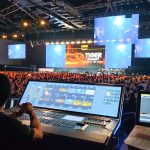
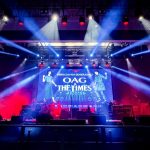
DOREMi helps brands bring activation ideas to life through event experience design, production planning, and on-ground coordination. This can include stage setup, lighting, sound, AV support, interactive zones, brand activation displays, audience flow, and technical execution.
The goal is not only to create an event that looks good. It is to create an experience that feels smooth, engaging, and aligned with the brand. With the right planning and production team, brand activation events can become more than a promotional setup. They can become meaningful real-time experiences that connect with audiences and leave a lasting impression.
Conclusion: Turn Brand Attention Into Brand Experience
Brand activation events help brands move beyond visibility and create real audience connection. Through audience participation, multi-sensory environments, interactive zones, hands-on engagement, and thoughtful event experience design, a brand can become something people feel, remember, and talk about.
For businesses, the goal is not only to attract attention on the event day. The goal is to create a meaningful experience that builds emotional connection and keeps the brand present in the audience’s mind.
At DOREMI, we help brands bring activation ideas to life through creative planning, event production, and on-ground execution. With the right experience design and technical support, your brand activation event can become a powerful moment that connects with audiences and leaves a lasting impression.