 Why Great Events Are Felt Before They Are Even Fully Seen
The moment guests walk into an event, they start reading the room long before the programme begins. They notice the brightness, the colour tone, the shadows, the way the stage is framed, and whether the space feels exciting, elegant, dramatic, or flat. That first impression is often shaped less by what is being said on stage and more by how the space is lit. Modern event lighting is no longer just about visibility; it is a powerful tool for shaping mood, reinforcing branding, and guiding how audiences feel and respond throughout the entire experience.
For corporate events, conferences, gala dinners, exhibitions, product launches, concerts, and hybrid productions, lighting design has become one of the most important parts of event planning. The right lighting can make a keynote feel more authoritative, a product reveal feel more premium, a celebration feel more energetic, and a networking session feel more welcoming. The wrong lighting can do the opposite, making even a well-produced event feel dull, disconnected, or forgettable. Industry sources on modern event lighting consistently emphasise that lighting does more than illuminate a room; it creates atmosphere, supports comfort, and helps audiences connect with the moment.
In this article, we break down how event lighting shapes mood, how it strengthens branding, and why it plays such a major role in audience engagement. We will also look at practical lighting choices that matter in real event environments, from colour temperature and fixture placement to audience lighting and smart control. The goal is simple: help you understand why lighting is one of the most strategic investments in modern event production.
Event Lighting Sets the Emotional Tone
Lighting affects how people interpret a space. Research in lighting science has shown that warm and cool white lighting can influence visual perception and mood, and that different coloured lights can significantly affect emotional responses. Some studies report that higher colour temperatures and shorter wavelengths can increase alertness, while warmer lighting can feel more calming or comfortable depending on the setting and task.
That is exactly why lighting design matters so much in events. A conference opening may benefit from crisp, brighter light that feels focused and professional. A dinner reception may need a warmer, softer look that helps guests relax and socialise. A launch event might use bold colour changes, contrast, and movement to create anticipation and excitement. Lighting helps guide that emotional journey from one moment to the next.
In practical terms, mood is shaped by a few core lighting decisions. Brightness controls how open or intimate a space feels. Colour temperature influences whether the environment feels cool and energising or warm and inviting. Direction and angle control what the audience notices first. Contrast adds drama, while even coverage creates calm and clarity. Professional lighting designers use these tools intentionally so the event feels cohesive, not random.
That is also why lighting is so important for attention. Event lighting experts note that contrast is a major part of how the eye perceives stage impact, and that well-designed audience lighting can help keep people engaged and emotionally connected to what is happening. In other words, lighting does not just decorate the event; it directs attention.
Why Branding Needs More Than a Logo
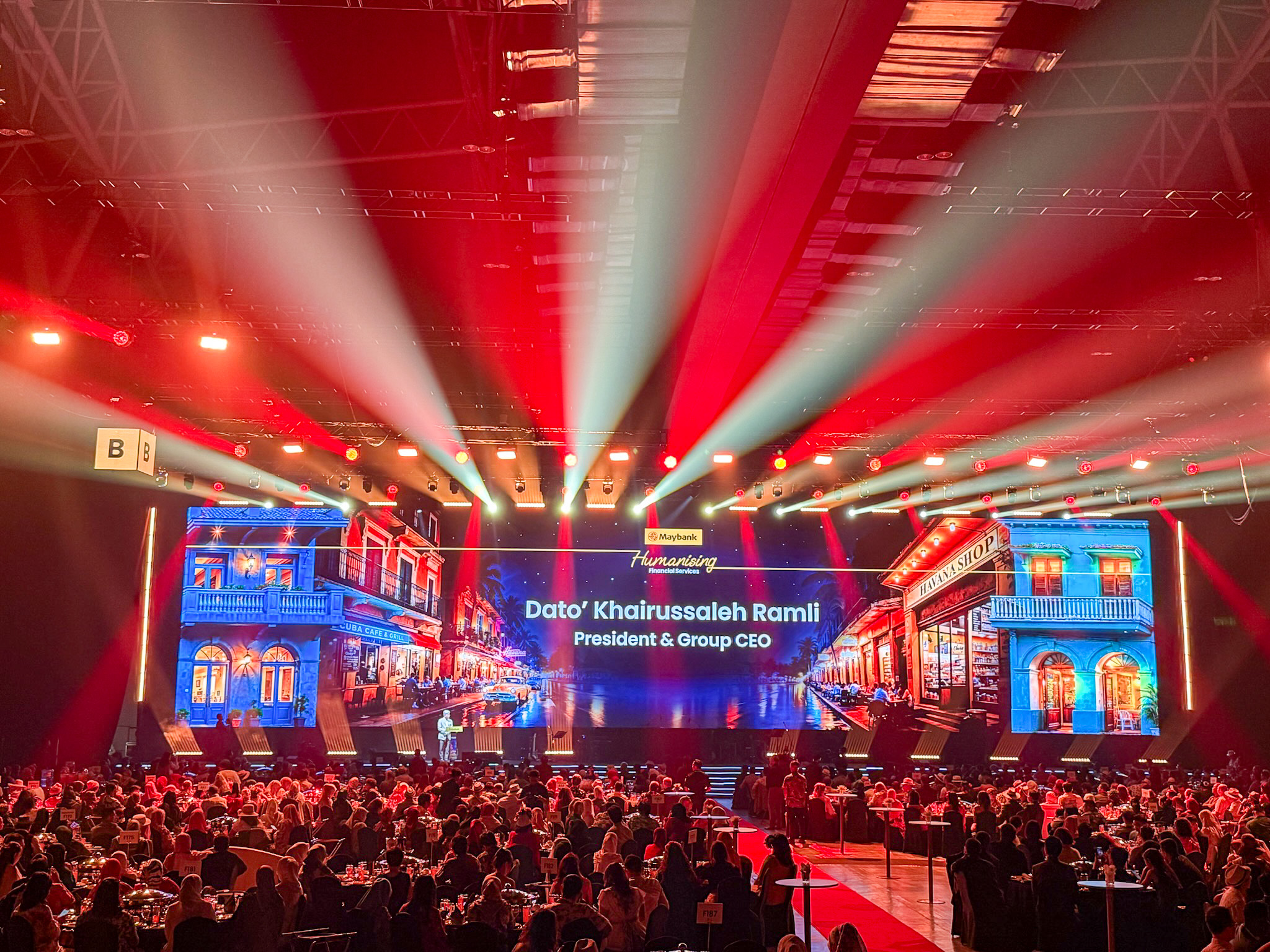
Strong event branding is not just about putting a logo on a screen or printing the company colours on a backdrop. It is about creating a complete visual language that feels consistent across the venue. Lighting is one of the fastest ways to communicate brand personality because it can instantly make a space feel polished, playful, premium, high-tech, formal, or bold.
This is especially important in corporate events, where the audience is not just attending for entertainment. They are also receiving a message about the company’s identity, values, and professionalism. Lighting can support that message by reinforcing brand colours, matching the energy of the campaign, and creating a visually coherent environment that feels aligned with the event purpose. Signify’s events lighting guidance describes modern event lighting as a way to match a venue’s style and aesthetics, set the mood, and customise scenes in real time.
Brand consistency also matters because people remember experiences more easily when the visual identity is strong and repeated across touchpoints. Adobe describes colour palettes as a curated set of colours used to create cohesive branding and visual consistency across design projects. That same principle applies to event lighting: when the lighting, stage visuals, screens, and venue decor all work together, the event feels intentional and memorable.
For example, a luxury brand launch may use deep, elegant washes and subtle highlights to create exclusivity. A tech company may prefer sharp whites, cool tones, and sleek accent colours to suggest precision and innovation. A lifestyle or fashion event may go for highly stylised lighting scenes that feel aspirational and camera-friendly. The lighting becomes part of the brand story, not just the background.
Audience Engagement Starts With What People See Around Them
A lot of people think audience engagement only comes from speakers, performers, or the content on screen. In reality, the physical environment plays a huge role in how attentive and involved people feel. Event lighting can draw people into the experience, keep them looking toward the stage, and make them feel like they are part of the event rather than simply watching it from a distance.
This is why many modern productions light not only the stage, but also the audience. Industry coverage has shown that lighting the room and the audience area can extend the atmosphere beyond the stage and make the whole space feel immersive. Designers often use subtle crowd lighting, room washes, and controlled effects to maintain energy without overpowering the presentation.
Audience lighting can also improve the emotional rhythm of an event. A dimmed room builds anticipation before a reveal. A slow transition into warm light softens a dinner atmosphere. A sudden burst of colour can energise a crowd after a speech or create a dramatic transition into the next segment. These changes help control how the audience experiences time, pacing, and emotion during the programme.
There is also a practical engagement benefit. Better lighting can improve visibility for walking, networking, photo moments, branding walls, and sponsor areas, which means guests are more likely to move around, interact, and spend longer in the venue. Signify’s venue guidance notes that thoughtful lighting supports wayfinding, comfort, and brand identity, all of which contribute to a better visitor experience.
The Role of Colour Temperature in Event Mood
Colour temperature is one of the most useful tools in event lighting design. Measured in Kelvin, it describes whether light feels warmer, neutral, or cooler. Warm light typically feels softer and more relaxed, while cooler light can feel cleaner, brighter, and more alert. Human-centric lighting guidance from Signify explains that adjusting brightness and colour temperature helps optimise comfort and support different activities and times of day.
In event settings, that means different lighting scenes can support different purposes. Morning conferences may use cooler, clearer light to support focus. Afternoon sessions may mix neutral tones with stage highlights to reduce fatigue. Evening receptions often shift to warmer tones that feel welcoming and elegant. Some research also suggests that light intensity and colour temperature can influence mood, alertness, and cognitive performance, which is one reason professional planners treat lighting as part of the event strategy rather than an afterthought.
Colour itself matters too. Studies on coloured light have found that different hues can have measurable effects on mood and emotional impressions. In event production, that does not mean every colour has one fixed meaning for every audience, but it does mean colour choices should be deliberate. Red can feel energetic or intense, blue can feel calm or cool, green can feel balanced or fresh, and amber can feel warm or premium depending on how it is used.
That is why experienced lighting designers do not choose colours randomly. They use colour as part of storytelling.
Lighting Fixtures Work Best When They Work Together
Great event lighting is usually built from several layers, not one type of fixture. Each lighting element has a different job.
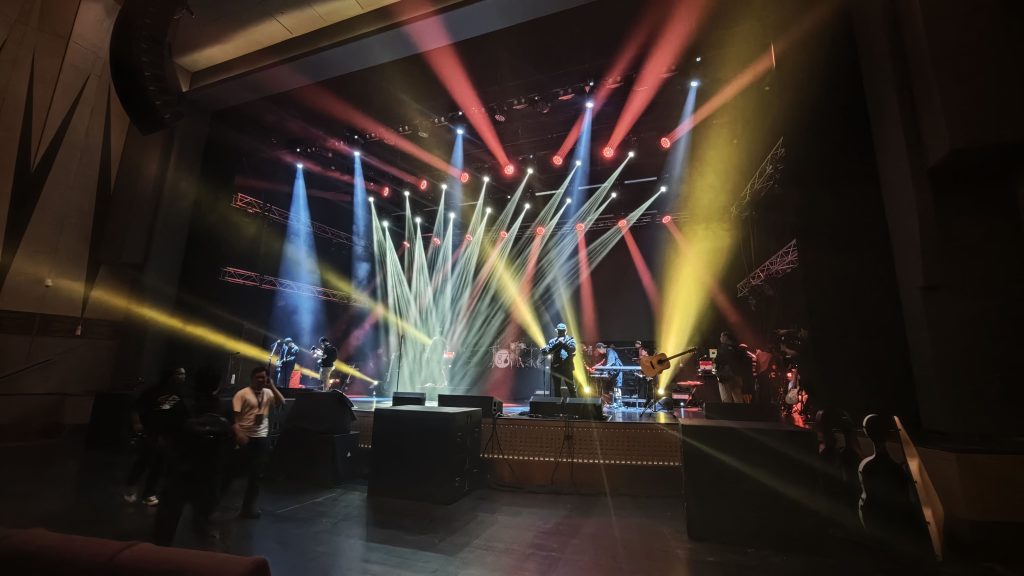
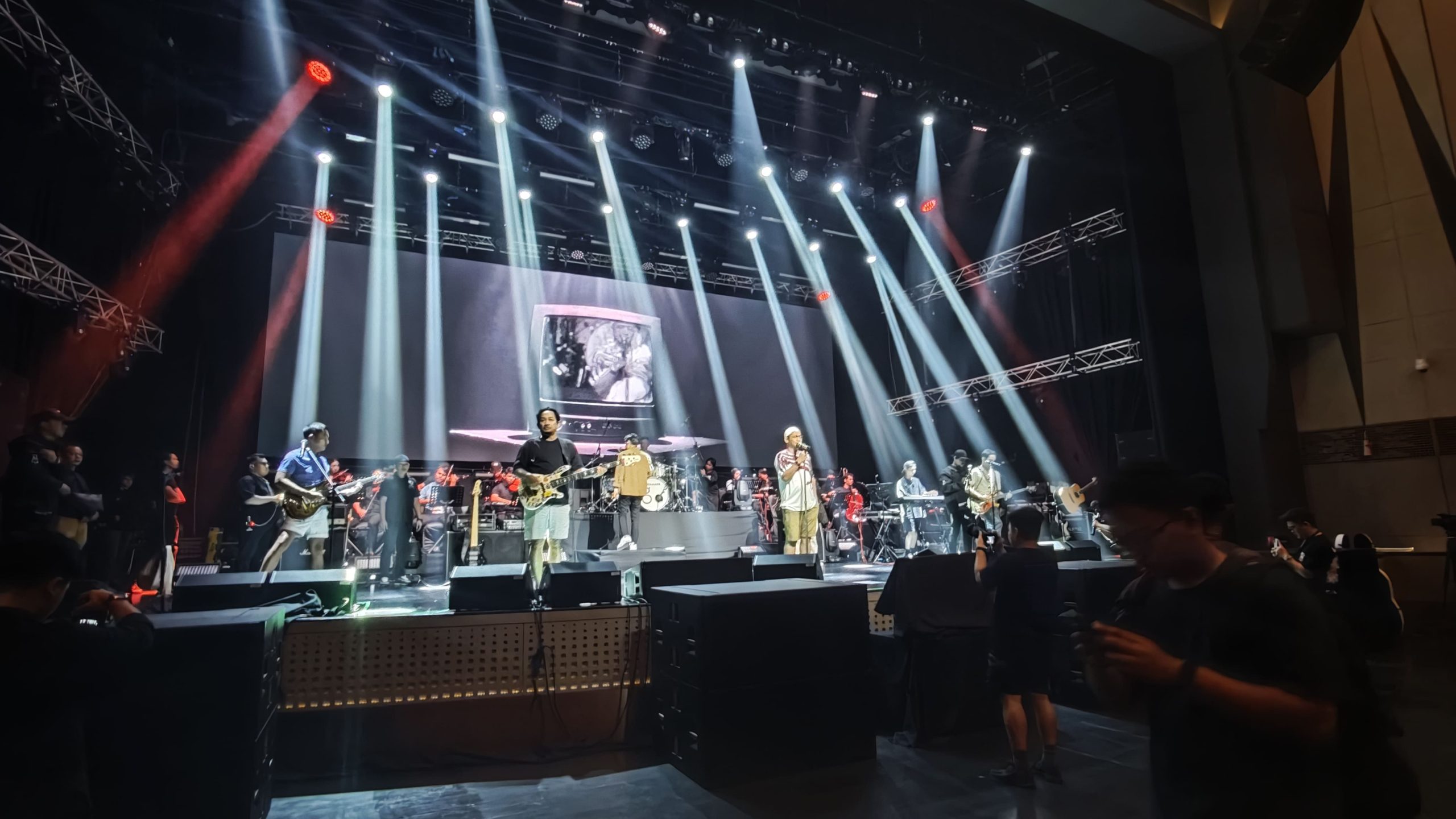
Wash lights create broad, even colour across the stage or room. Spotlights isolate speakers, performers, or products. Moving heads add motion and dynamic energy. Uplighting enhances architecture and décor. Audience lighting helps extend the atmosphere into the room. Accent lighting draws attention to important areas such as entrances, brand walls, registration counters, and sponsor activations.
This layered approach is what makes an event look rich instead of flat. A stage with only front light may be visible, but it will not necessarily feel exciting. Add backlight, side light, accent colour, and controlled contrast, and the same space suddenly feels more immersive and professionally designed. Lighting designers often say that impact comes not only from what is lit, but also from what is left in shadow, because contrast gives the design depth and focus.
The same applies to photographs and video. Events today are expected to be camera-ready, especially for social media, livestreaming, and post-event marketing. Poor lighting can make even a beautifully staged event look dull on camera, while well-designed lighting helps people and products stand out clearly. That is one reason modern event lighting needs to work for both the live audience and the digital audience.
Smart Lighting Is Changing Event Production
The latest event lighting systems are far more flexible than older fixed setups. Connected lighting, tunable scenes, and digital control make it possible to adjust the mood of an event in real time. Signify’s meetings-and-events guidance highlights smart, adaptive lighting that can shift from focused sessions to after-hours networking, with instant customisation and seamless integration of style and function.
This matters because events rarely stay in one mode for long. A conference may move from registration to plenary session to lunch to awards night. A product launch may shift from mystery to reveal to celebration. A hybrid event may need lighting changes that support both the live room and the camera feed. Smart lighting lets production teams adapt quickly without losing visual consistency.
Technology is also helping with efficiency and energy use. Modern connected systems are designed to streamline operations, improve control, and support more efficient energy management. For event organisers, that can translate into smoother cueing, fewer manual adjustments, and a more polished final result.
What Event Lighting Should Support in Real-World Events
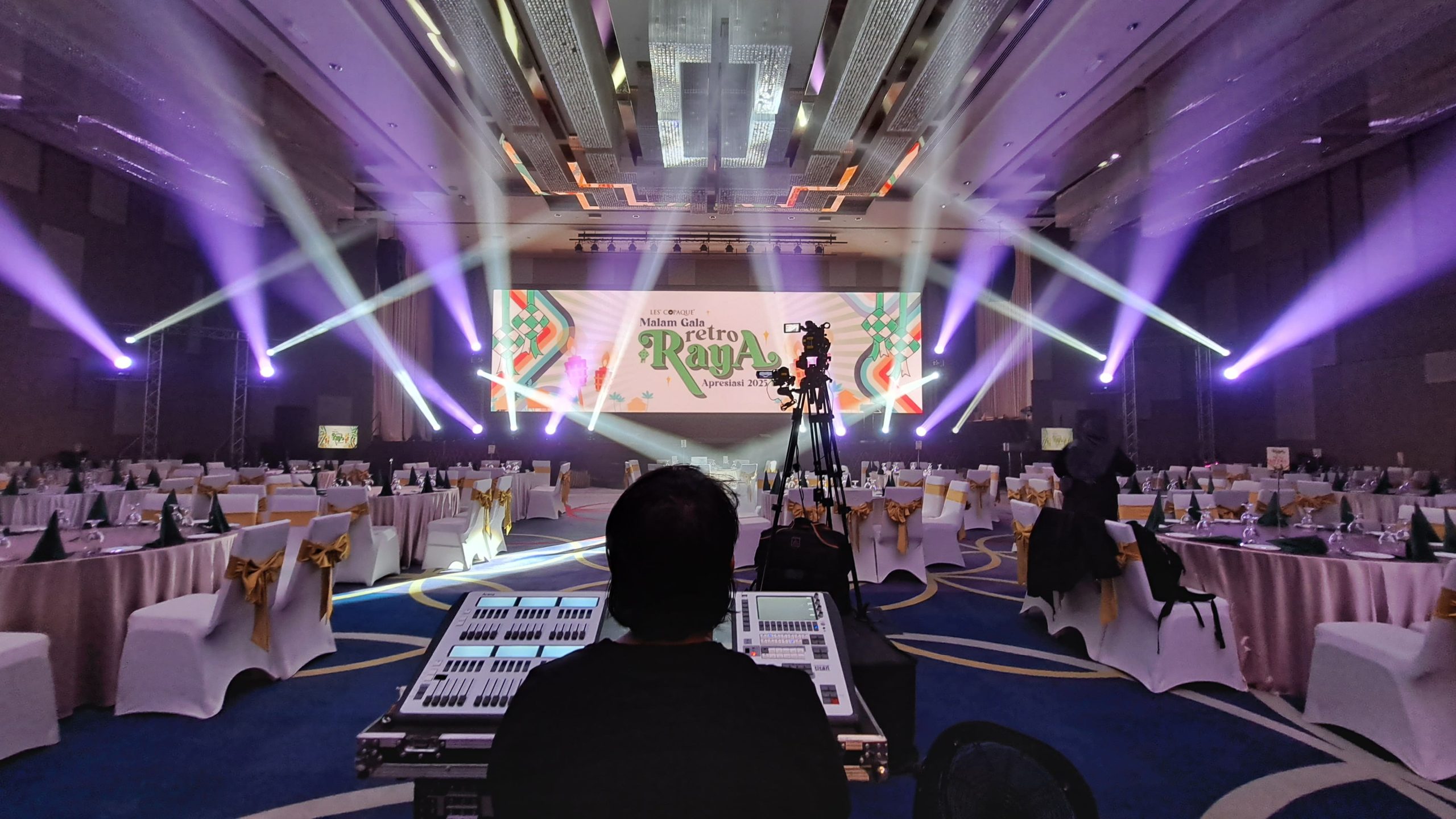
Different event formats need different lighting priorities. For conferences and seminars, the focus is usually clarity, speaker visibility, and audience comfort. The lighting should keep people attentive without distracting from the message. For gala dinners and networking events, the goal is elegance, warmth, and social energy. For concerts and entertainment events, lighting often becomes part of the performance itself, shaping tension, release, and spectacle. For product launches and brand activations, lighting should highlight the product, support the brand message, and create a strong visual identity that photographs well.
That is why there is no one-size-fits-all lighting design. A successful setup is built around the audience, the message, the venue, and the goal of the event. The best lighting is not the brightest lighting or the most colourful lighting. It is the lighting that fits the purpose.
A Simple Event Lighting Checklist
Before finalising any lighting design, production teams should ask a few important questions:
- Is the lighting supporting the mood of the event?
- Does it reinforce the brand identity?
- Can guests clearly see the speaker, stage, and important branding elements?
- Does the room feel comfortable on camera and in person?
- Are there enough transitions between different segments of the programme?
- Does the design help the audience feel engaged from entry to exit?
If the answer to any of these is no, the lighting plan likely needs adjustment.
To wrap it up,
Event lighting is one of the most powerful tools in live production because it works on multiple levels at once.
It shapes emotion, strengthens branding, and influences how audiences pay attention, move, and remember the experience. When lighting is designed well, it does not just make a venue look good. It helps the event communicate better.
From warm networking atmospheres to dramatic stage reveals, from subtle audience washes to smart scene changes, lighting is now a core part of event storytelling. The most effective event producers understand that visual atmosphere is not an extra detail; it is part of the message itself.
For organisers who want events that look polished, feel memorable, and keep audiences engaged from beginning to end, professional lighting design is one of the smartest investments available. At DOREMi Events, lighting can be positioned not just as a technical setup, but as a strategic part of the full event experience—working alongside audio, staging, LED screens, and production planning to create moments people actually remember.
Looking For Professional Event Lighting Solutions for Your Next Event
Whether you’re organising a corporate event, product launch, exhibition, concert, or brand activation, the right lighting design plays a crucial role in creating atmosphere, highlighting key moments, and strengthening audience connection.
Consult DOREMi’s lighting specialists to develop a customised event lighting solution that enhances your venue, reflects your brand identity, and transforms every moment into a memorable experience through creative lighting design and professional execution.