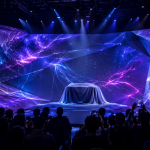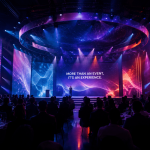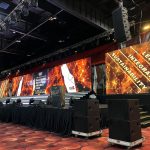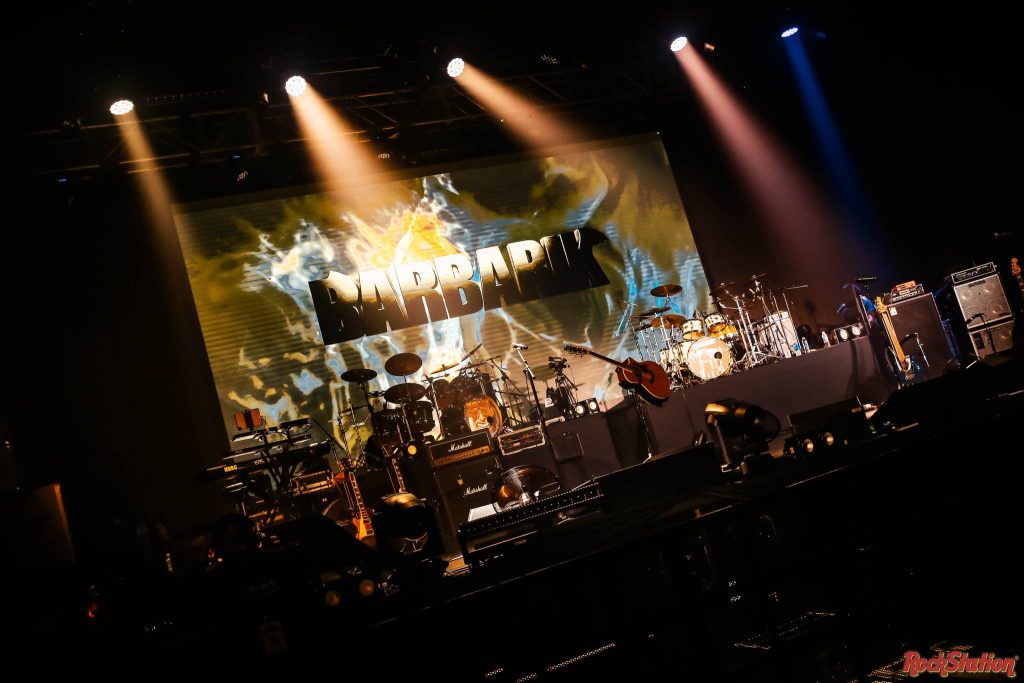
When audiences walk into a concert and see dynamic LED visuals, dramatic lighting and a stage ready for the performers, they experience the finished result. What they may not see is the technical planning, equipment coordination and preparation that make every element work together.
At ODEON KL, a distinctive live event venue in the heart of Kuala Lumpur, the combination of a characterful heritage setting and modern event technology creates opportunities for memorable live experiences. Behind these experiences is the relationship between the venue and the technical production team, working together to turn creative ideas into practical event setups.
Through DOREMi Services & Rental Sdn Bhd’s event production expertise and ODEON KL’s purpose-built live event environment, organisers can bring together sound, lighting, LED screens, staging and technical operations to support different types of events.
But what actually happens behind the scenes? How do the venue, equipment and production team work together to create an engaging experience for the audience?
ODEON KL: Where Heritage Meets Modern Event Technology
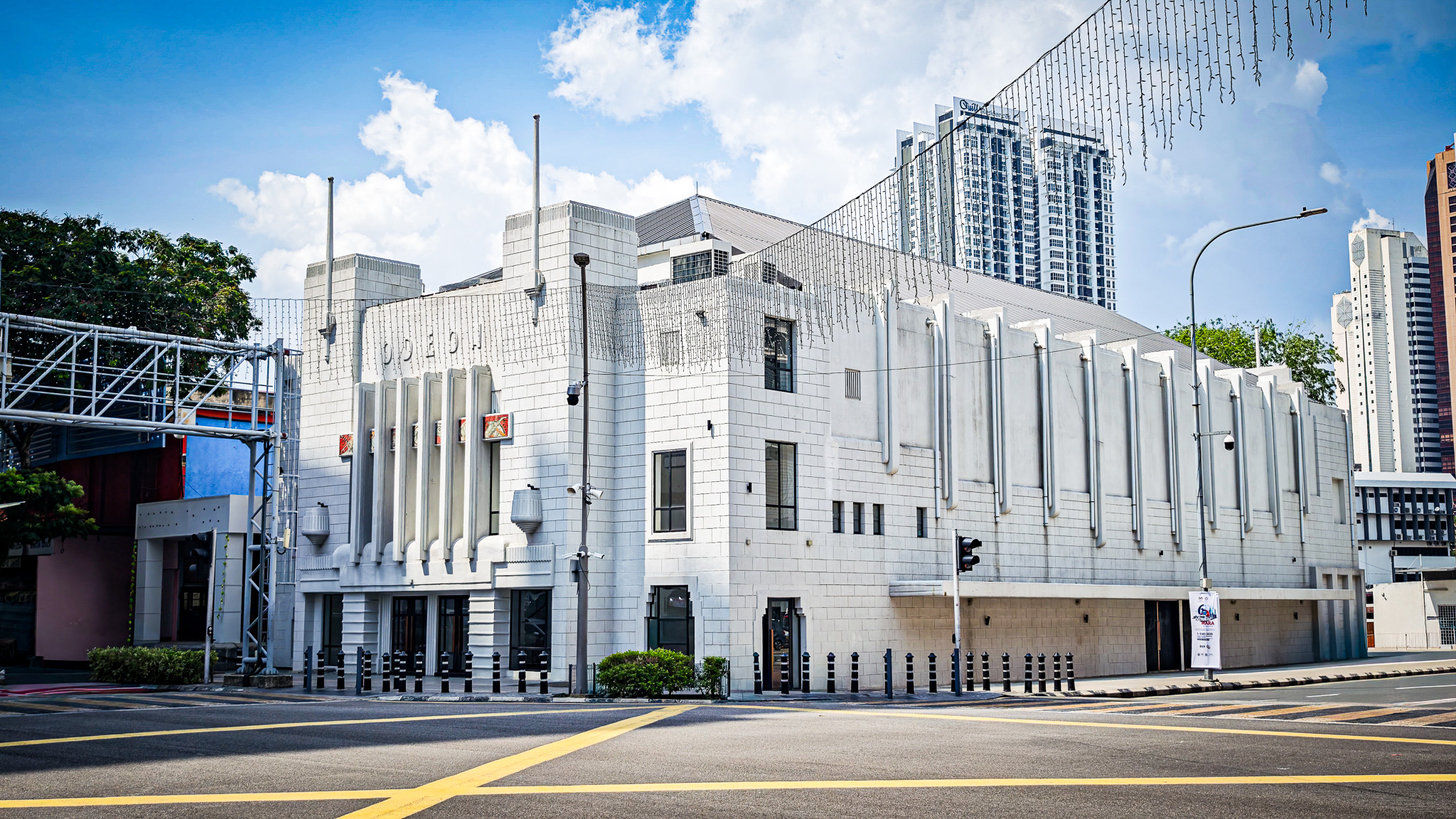 Located along Jalan Tuanku Abdul Rahman in Kuala Lumpur, ODEON KL brings together the character of a historic building and the requirements of contemporary live events.
The building originally opened as the Odeon Cinema in 1936. Following the end of its cinema operations in 2015, the venue entered a new chapter, with its heritage identity retained while its interior was adapted for modern events and performances.
Today, ODEON KL supports a range of event formats, including concerts, DJ performances, exhibitions, forums, corporate training, product launches and brand activations. Its flexible event layouts allow organisers to consider different ways of using the space, depending on the programme and audience.
However, a distinctive venue is only one part of the experience. The technical setup must complement the space, support the programme and help the audience connect with what is happening.
This is where event production becomes essential. A venue provides the environment, while carefully planned sound, lighting, LED displays and staging help shape how the event is experienced.
At ODEON KL, the opportunity lies in bringing these elements together without losing the character of the venue. The objective is not simply to install equipment, but to create a setup that supports the event’s creative direction and practical requirements.
The Role of DOREMi in Bringing Events to Life
DOREMi specialises in event production and event technology solutions, including LED screens, sound systems, lighting, staging, truss and audiovisual equipment.
For events at ODEON KL, the technical requirements depend on the event format, programme, creative concept and venue layout. A live rock performance, for example, has different production priorities from a corporate presentation or a product launch.
A concert may require carefully coordinated sound reinforcement, lighting effects, stage equipment and visual content. A corporate event may place greater emphasis on speech clarity, presentation visibility, branding and smooth transitions between speakers.
The production process starts by understanding these requirements and identifying how the technical elements can support them.
This involves considering the equipment needed, where it should be positioned, how the systems connect and how they will be operated during the event. The team must also consider installation time, technical checks, rehearsal requirements and the sequence of the programme.
When these decisions are made early, the production team can prepare a more coordinated setup instead of addressing technical requirements individually at the last minute.
The result is a production plan designed around the event rather than a generic equipment arrangement.
Behind the Scenes: How Visual Experiences Are Created
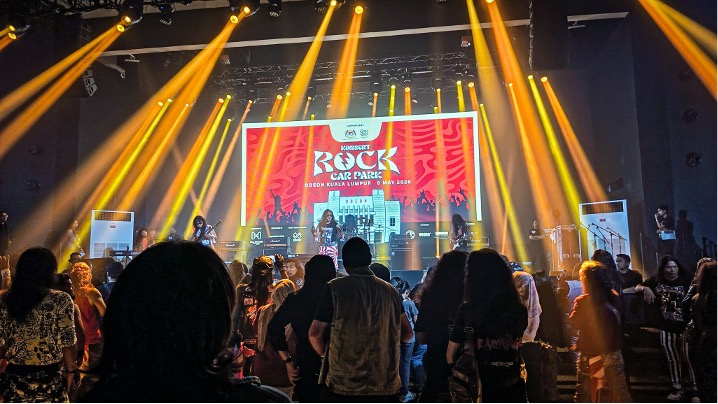
A memorable live event rarely depends on a single screen, light or sound system. The experience comes from the way these elements work together.
1. Understanding the Creative Vision
Before equipment is installed, the production team needs to understand what the organiser wants the audience to experience.
Is the event intended to feel energetic and immersive? Should it create a sophisticated atmosphere for a corporate audience? Does the programme require a strong visual identity, live performance elements or branded content?
These questions influence the technical approach.
For a concert, the creative direction may involve energetic lighting changes, live camera feeds, animated LED content and carefully timed transitions between songs. For a product launch, the focus may be on presenting the product clearly, building anticipation and coordinating the reveal with music, lighting and visuals.
The production team translates these ideas into practical requirements. This includes considering the stage arrangement, screen content, lighting positions, sound coverage and the technical cues needed to support the programme.
Not every creative idea requires a complicated setup. Sometimes, a well-positioned screen, clear audio and carefully planned lighting can achieve the desired result more effectively than adding unnecessary equipment.
The aim is to understand the vision first, then develop a technical solution that supports it.
2. Using LED Screens to Create Visual Impact
LED screens have become an important part of modern event production because they can display branding, motion graphics, videos, live camera feeds and other visual content.
At a live venue such as ODEON KL, LED displays can help establish the visual identity of an event and provide an additional point of focus for the audience.
For concerts, screens may display artist visuals, animated backgrounds or live footage. At a corporate event, they can present company branding, presentation slides, campaign videos and product information.
However, effective LED screen integration requires more than choosing a display with a suitable size.
The production team must consider the viewing distance, screen placement, audience sightlines and the relationship between the display and the stage. Content also needs to be prepared in an appropriate format and resolution so it appears correctly on the screen.
The visual content should complement the live experience rather than compete with the performers or speakers. For example, an animated background may add energy during a musical performance, while simpler visuals may be more suitable when the audience needs to concentrate on a speaker.
Timing matters too. A screen displaying the wrong visual at the wrong moment can interrupt the intended flow of the programme. Coordinating content playback with the event schedule helps ensure that visuals appear when they are needed.
When these details are considered together, LED screens become more than display equipment. They become part of the storytelling and communication of the event.
3. Designing Lighting That Shapes the Atmosphere
Lighting influences what the audience notices, how the stage appears and the atmosphere of a live event.
At a concert, dynamic lighting can build anticipation, emphasise musical changes and create a sense of movement. At a corporate event, lighting may be used to keep speakers visible, highlight branded areas and create a professional environment.
The design begins with the programme and creative direction. The team considers the areas that need to be illuminated, the mood required for different segments and how lighting will interact with the stage, performers and LED screens.
Different lighting effects serve different purposes. Wash lighting provides broader illumination, while spotlights can draw attention to a particular person or area. Moving lights and other programmed effects can create more dynamic sequences for performances.
The key is coordination. Lighting that works well during a concert may not be suitable for a presentation where guests need to read slides or clearly see the speaker.
Lighting must also work with the venue itself. Its positioning and intensity need to suit the stage arrangement, audience sightlines and other production elements.
At ODEON KL, the combination of architectural character and contemporary event technology offers creative possibilities, but those possibilities must be balanced with the practical needs of each production.
Good lighting design helps the event feel intentional, with each lighting choice supporting the moment rather than simply adding brightness or colour.
4. Delivering Sound That Connects With the Audience
Visuals may attract attention, but sound plays an equally important role in how audiences experience a live event.
For a concert, the sound system needs to reproduce vocals and instruments clearly while delivering the energy expected from the performance. For a corporate presentation, speech intelligibility is essential so the audience can follow the speaker without struggling to hear.
The production team considers the venue layout, audience configuration, programme requirements and type of performance when planning the audio setup.
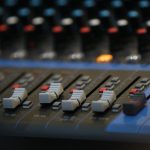
Equipment selection is only part of the process. Speaker positioning, system tuning, microphone selection and sound checks all contribute to the final result.
During preparation, microphones and playback sources are tested, audio levels are checked, and the team makes adjustments to suit the space. Performers may also need monitoring systems so they can hear themselves and other musicians clearly.
Sound must also be coordinated with lighting and visual cues. Music may accompany a lighting transition, a video may require specific audio playback, or a presenter may need a microphone ready immediately after a performance ends.
These transitions need to be considered before the event begins.
The goal is not simply to make the sound loud. It is to deliver audio that suits the programme, supports the performers or speakers and reaches the audience as intended.
5. Bringing Staging and Technical Infrastructure Together
Staging provides the physical platform for performers, speakers and other event activities. Truss and related infrastructure can support lighting, equipment and other production elements when designed and installed appropriately.
The layout needs to accommodate both the creative vision and the practical requirements of the venue.
For example, a concert setup may require space for musicians, instruments, microphones and backline equipment. A product launch may need a clear area for a product reveal, while a forum may require seating arrangements for several speakers.
The production team considers how people will move on and off the stage, where equipment will be positioned and how technical systems can be installed without obstructing essential access routes.
Any staging, rigging and suspended equipment must be planned according to the relevant load requirements, venue conditions and safety procedures, with installation carried out by appropriately qualified personnel.
This work may be less visible to the audience than LED screens or lighting effects, but it forms an important foundation for the production.
A well-planned stage and technical layout helps the event operate more smoothly and allows the visual and audio elements to perform their intended roles.
Why Coordination Matters More Than Individual Equipment
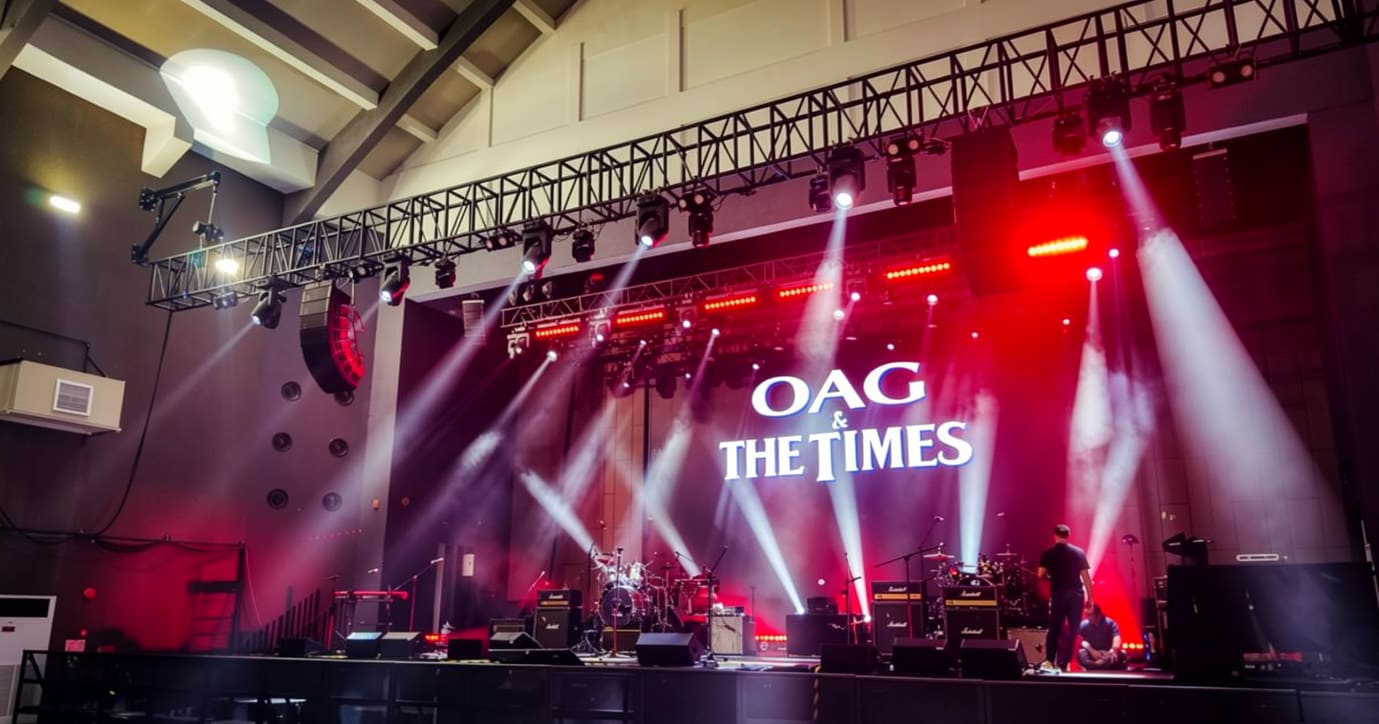 An event can have excellent screens, professional sound equipment and impressive lighting, yet still feel disjointed if the different systems are not coordinated.
Imagine a concert where the LED visuals change too early, the lighting cue misses the music and a microphone is not ready when the presenter comes on stage. Each issue may appear small on its own, but together they can interrupt the audience experience.
This is why integrated event production is important.
The production team needs to understand how the different technical elements depend on one another. Screen content must be prepared for the display system. Lighting cues must suit the programme. Audio playback must be coordinated with performances and transitions. Equipment and crew must be ready at the right time.
Clear communication between the organiser, venue management and technical team helps establish who is responsible for each part of the production.
A shared schedule or run sheet can outline the programme, technical cues and important transitions. Rehearsals provide an opportunity to test those cues and identify adjustments before the audience arrives.
For the organiser, this approach also makes the technical requirements easier to manage. Rather than treating every element as a separate decision, the team can work towards a common production plan.
The best results often come from getting the fundamentals right: understanding the brief, planning the setup, testing the systems and ensuring everyone knows what needs to happen next.
From Setup to Showtime: What Happens Behind the Scenes?
The audience usually sees the final event, but the production team works through several stages before the first guest arrives.
Pre-production and planning: The team reviews the event brief, technical requirements, venue layout, equipment list and schedule. Any access restrictions, installation needs or special production requirements are identified early.
Equipment preparation and installation: Equipment is prepared, transported and installed according to the production plan. This may include staging, LED displays, sound systems, lighting and related technical infrastructure.
Testing and technical checks: Systems are checked individually and together. The team verifies screen content, microphone operation, audio playback, lighting control and other essential functions.
Rehearsals and cue coordination: Important programme moments are reviewed, including presentations, performance transitions, video playback and lighting changes. The team confirms how the technical elements should respond to the event schedule.
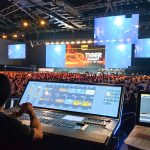
Live operation: During the event, technicians operate and monitor the systems, follow the programme and respond to changes or technical issues as needed.
Breakdown and equipment removal: After the event, equipment is dismantled, packed and removed according to the agreed schedule and venue requirements.
Each stage contributes to the final experience. Careful preparation does not guarantee that nothing unexpected will happen, but it gives the team a stronger foundation for responding effectively.
ODEON KL and DOREMi: Supporting Different Event Experiences
One of the advantages of a flexible live event venue is its ability to support different programmes without every event needing the same configuration.
At ODEON KL, the venue’s heritage setting and adaptable event environment provide a distinctive backdrop for live performances, corporate functions and creative events. DOREMi’s event production capabilities help organisers consider how sound, lighting, LED displays and staging can be configured around their objectives.
For a live music performance, the priorities may include sound quality, stage lighting, performance visibility and visual content. For a corporate product launch, the emphasis may shift towards branded displays, clear speech, presentation playback and a coordinated reveal.
An exhibition or brand activation may require a different layout again, with greater attention to display positioning, visitor movement and how the audience interacts with the content.
The production approach should respond to these differences. Equipment, staffing and technical planning need to be matched to the event rather than applied as a fixed package.
This flexibility allows organisers to explore different ways of using the venue while maintaining attention to technical execution.
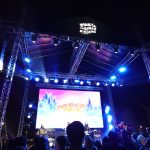
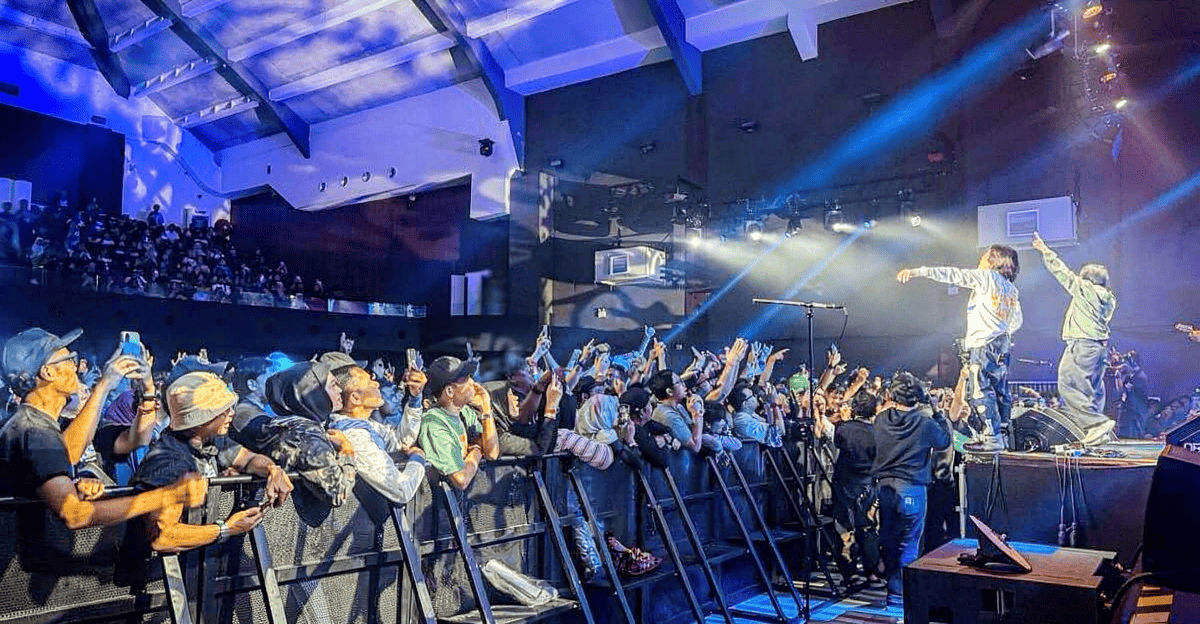
A relevant example is Rock Car Park 2026 at ODEON KL, where DOREMi supported the concert production with audio systems, lighting, LED visuals and backline equipment. The event demonstrates how different technical elements can be brought together to support a live music experience.
Read more about the production in Rock Car Park 2026 Ignites ODEON KL With Explosive Sound, Lighting & Visual Production.
Planning Your Next Event at ODEON KL?
 If you are considering ODEON KL for a concert, corporate event, product launch, exhibition or brand activation, it helps to involve the production team early.
You do not need to have every technical detail finalised before the first discussion. A clear outline of your event objectives, preferred date, expected audience size and programme is a useful starting point.
From there, the team can discuss the requirements, consider the venue layout and identify the technical elements that may be needed.
Before confirming your event production arrangements, consider the following:
- Define your objectives: Decide what the event should communicate or achieve and what you want the audience to experience.
- Prepare your programme: Identify presentations, performances, videos, speeches and other key moments that may require technical cues.
- Discuss your visual direction: Consider branding, LED screen content, stage appearance and the atmosphere you want to create.
- Confirm your technical requirements: Discuss sound, lighting, staging, displays, equipment and technical crew.
- Review the schedule and logistics: Confirm venue access, installation time, testing, rehearsals and breakdown arrangements.
- Clarify the production scope: Understand what is included in the quotation, which services are provided and who is responsible for each task.
These discussions help align the creative idea with the practical requirements of the event.
DOREMi supports event organisers with event production and audiovisual solutions, while ODEON KL offers a distinctive venue for live experiences in central Kuala Lumpur. Together, the venue and technical production capabilities provide organisers with a starting point for developing events tailored to their objectives.
To explore the venue and its facilities, visit the ODEON KL page on DOREMi’s website. For your next event, contact DOREMi to discuss your production requirements and the technical setup that may suit your programme.
Frequently Asked Questions
What does DOREMi provide for events at ODEON KL?
DOREMi provides event production and technical solutions that can include sound systems, lighting, LED screens, staging, truss and audiovisual equipment. The specific requirements depend on the event format and agreed production scope.
What types of events can be held at ODEON KL?
ODEON KL supports a variety of event formats, including concerts, DJ performances, exhibitions, forums, corporate training, product launches and brand activations. The suitable configuration depends on the programme, audience and event requirements.
How do LED screens improve a live event?
LED screens can display branding, motion graphics, videos, presentations and live camera feeds. When integrated appropriately with the stage, lighting and programme, they help communicate information and strengthen the visual identity of an event.
Why is technical rehearsal important?
Technical rehearsals allow the production team to test equipment, confirm audio and visual content, practise important cues and identify issues before the audience arrives. This preparation helps the team coordinate transitions and respond more confidently during the live programme.
When should I plan event production for ODEON KL?
It is best to discuss production requirements during the early planning stage. Early coordination gives the organiser and production team more time to assess the venue, plan equipment, arrange installation and schedule technical checks and rehearsals.
Further Reading
- ODEON KL – DOREMi: Explore the venue’s heritage, event formats and integrated production capabilities.
- Rock Car Park 2026 Ignites ODEON KL With Explosive Sound, Lighting & Visual Production: Discover how audio, lighting, LED visuals and backline equipment supported a live rock concert at ODEON KL.
- Event Production Services – DOREMi: Learn more about DOREMi’s event production capabilities and technical solutions for different event formats.
Behind every engaging live experience is a combination of creative direction, technical planning and teamwork. At ODEON KL, the venue provides a distinctive setting, while DOREMi’s event production expertise helps bring the technical elements together.
Because creating a memorable event is not simply about what the audience sees on stage. It is about everything working together behind the scenes.
Planning Your Next Event at ODEON KL?
If you are planning a concert, corporate event, product launch, exhibition or brand activation at ODEON KL, involving your event production team early can help ensure the technical requirements are properly planned and coordinated.
At DOREMi Services & Rental Sdn Bhd, we provide event production services and event technology solutions across Malaysia. Our services include LED screens, sound systems, lighting, staging, truss and audiovisual equipment, with technical requirements tailored to each event’s objectives and venue setup.
Speak with DOREMi’s event technology specialists to explore how we can support your production requirements at ODEON KL, or contact our team to discuss your upcoming event.
DOREMi – Event Technology Made Easy.