Key Takeaways
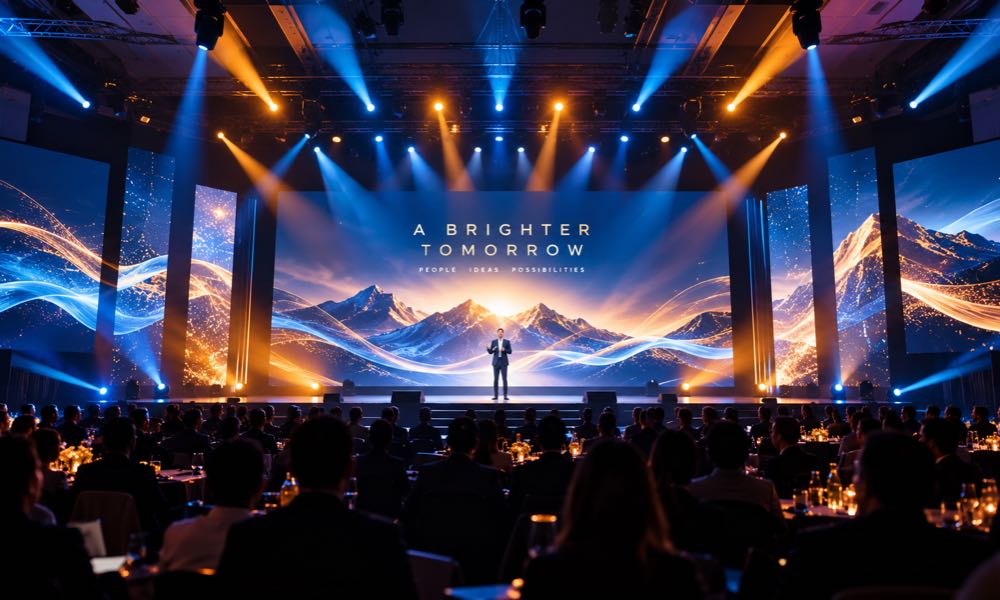
- Multi-sensory event design brings lighting, sound and visuals together around the same brand message and audience journey.
- Lighting can guide attention and set the mood, while sound supports clarity, energy and pacing throughout the programme.
- Visual content helps communicate brand messages, but every screen, animation or projection should have a clear purpose.
- The strongest moments come from coordination: music, lighting changes, visuals and stage actions should be timed to support one another.
- Planning these elements together and rehearsing key cues can make transitions smoother and reduce the risk of disconnected production.
- Audience engagement should be judged against the event objective, using indicators such as participation, feedback, message recall and social sharing.
An event is more than what guests see on stage. The lighting, sound, music and visuals all shape how people feel, respond and remember the experience.
That is where multi-sensory event design comes in. Instead of planning each element separately, it brings them together around the same brand message and audience journey.
For marketers, this means thinking beyond how the event looks. The real question is how every sensory element can work together to create a clear, engaging and memorable brand experience from start to finish.
What Is Multi-Sensory Event Design and Why Does It Matter?
Multi-sensory event design is the planned use of different sensory elements to shape how people experience an event. In a corporate setting, this often means combining lighting, sound and visual content so they support the same message and mood.
This is closely related to event sensory marketing, where sensory cues are used to influence how people notice, interpret and respond to a brand experience.
For example, a product launch may use:
- Lighting to draw attention to the stage or product.
- Music and sound effects to build anticipation.
- Screen visuals to introduce the product and reinforce key messages.
The aim is not to make the event busier. More lighting, louder sound or constant animation does not automatically make an experience more memorable.
What matters is how well the elements work together. When the lighting, sound and visuals support the same theme, they can help to guide attention, strengthen important moments and create a more consistent brand experience for the audience.
How Do Lighting, Sound, and Visuals Shape the Brand Experience?
Each production element plays a different role in shaping how guests experience a brand. When they follow the same theme and creative direction, they can guide attention, build atmosphere and help the programme flow naturally from one moment to the next.
Lighting Sets the Mood and Directs Attention
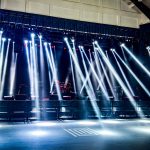
Lighting can influence how a space feels and where guests naturally look. A well-lit stage keeps speakers visible, while a spotlight or shift in colour can draw attention to a product, performer or important programme moment.
It can also help distinguish different parts of the experience. For example, a corporate function might use softer tones during guest arrival, brighter stage lighting for presentations and a more dramatic setup for an awards segment or product reveal.
Brand colours can also be reflected in the setup where appropriate, helping the physical environment feel connected to the overall visual identity.
When planning an event lighting system, consider what guests should focus on at each stage of the programme. The setup should support what is happening rather than compete with it.
Sound Shapes the Energy and Pace of the Event
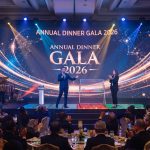
Audio affects both what guests hear and how the programme feels. Clear speech is especially important at conferences, annual dinners and corporate presentations, where audiences need to follow speakers and announcements comfortably.
Beyond spoken content, audio can help control the pace and energy of different moments. This may include:
- Background music as guests arrive.
- Short cues between programme segments.
- Voiceovers for introductions or videos.
- Music that builds towards an award, entrance or product reveal.
- Sound effects that support key stage moments.
When arranging an event lighting and sound system in Malaysia, these components should be planned around the same programme rather than treated as separate equipment requirements.
For example, music may gradually build towards a reveal while the room changes around the audience. If the audio finishes too early or another cue arrives too late, the moment can lose some of its impact.
A suitable sound system should therefore support both clear communication and the intended rhythm of the programme.
Visuals Bring the Brand Story to Life
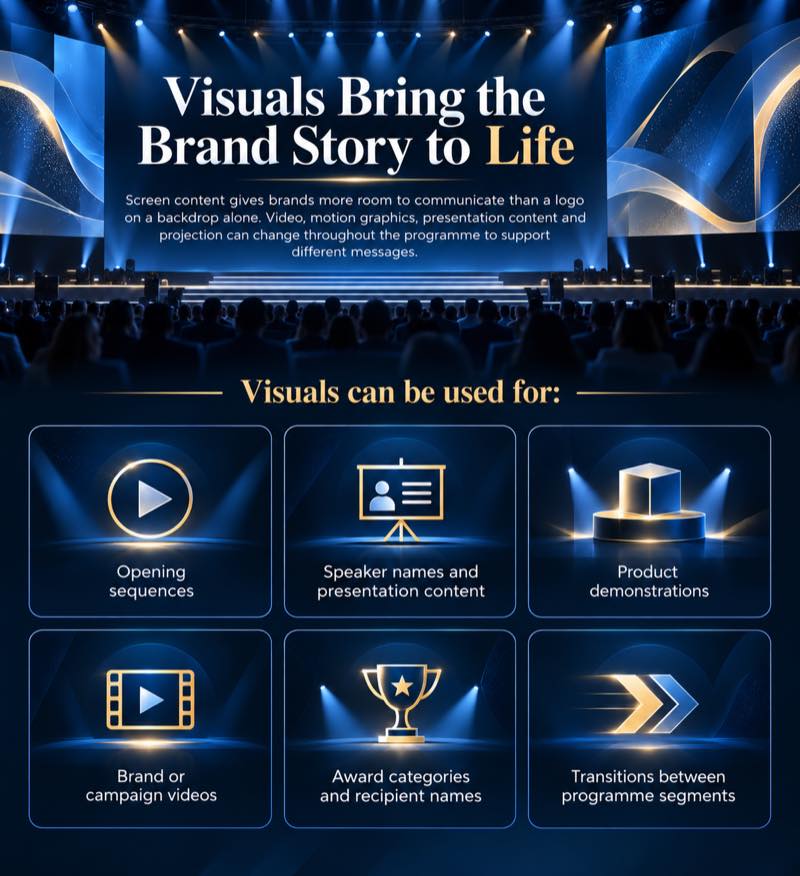
Screen content gives brands more room to communicate than a logo on a backdrop alone. Video, motion graphics, presentation content and projection can change throughout the programme to support different messages.
They may be used for:
- Opening sequences.
- Speaker names and presentation content.
- Product demonstrations.
- Brand or campaign videos.
- Award categories and recipient names.
- Transitions between programme segments.
For larger creative concepts, projection mapping can also transform suitable surfaces or structures into part of the experience.
The key is to give every visual a purpose. Constant animation can distract from a speaker or make important information harder to follow. A simple background may work better during a presentation, while more dynamic content can be reserved for entrances, reveals and other key moments.
Bringing the Three Elements Together
The strongest moments often happen when the different sensory cues respond to one another.
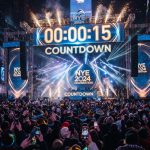
Imagine a new product launch. The final seconds of a video begin counting down. Music builds as the room darkens. At zero, the screen changes, the stage brightens and the product is revealed.
No single component creates that moment by itself. The impact comes from timing and shared creative direction.
That is the principle behind an immersive brand experience event: every production choice supports the same story rather than trying to create its own effect. Planning them as part of the wider event experience design and production helps keep the brand message, mood and audience journey connected from start to finish.
Why Should Lighting, Sound, and Visuals Be Planned Together?
When different parts of a production depend on one another, planning them separately can create unnecessary gaps. A shared plan helps make sure the creative idea, technical setup and programme timing all support the same experience.
One Plan Keeps Everything Working Together
For a simple event, booking individual equipment may be enough. But once the programme includes videos, lighting cues, music, presentations and stage moments that need to happen in sequence, coordination becomes more important.
With integrated AV production for corporate events, the team can plan around the full programme instead of treating each requirement as a separate task.
That may include:
- When a video should begin and end.
- Which lighting change supports a speaker or reveal.
- When music should build, fade or stop.
- What appears on screen during each segment.
- Which technical team member is responsible for each cue.
A single production plan also helps everyone work from the same creative direction. This reduces the risk of one element feeling disconnected from the rest of the programme.
Rehearsals Help Everything Happen at the Right Time
Even when every piece of equipment works correctly, the experience can still feel awkward if the timing is off.
A rehearsal allows the team to test how different cues connect. For example, does the music finish before the presenter begins speaking? Does the screen change at the same moment as the stage lighting? Is the product revealed only after the supporting video has ended?
These small timing details can make the difference between a smooth sequence and one that feels unplanned.
Rehearsing the full programme also gives the team time to identify technical issues, adjust transitions and confirm responsibilities before guests arrive.
Working with a professional event production team can make this coordination easier because the technical and stage requirements can be reviewed together rather than checked in isolation.
How Can You Tell If Your Audience Was Engaged?
A well-designed experience should support a clear audience response. Before the event, decide what you want guests to understand, remember or do. This makes it easier to judge whether the production supported the objective.
Depending on the event, you might look at:
- Participation in live polls, Q&A sessions or activities.
- Interactions with product displays or brand activations.
- Feedback collected through post-event surveys.
- How well guests remember key messages afterwards.
- Social posts, photos or videos shared around important moments.
- Audience response during presentations, reveals or performances.
The right measure depends on the goal. For example, a product launch may focus on message recall and interaction with the product, while a conference may place more value on participation and session feedback.
These indicators can show how audiences responded to the overall experience, but they do not prove that one lighting cue, soundtrack or visual caused the result on its own.
The more useful approach is to connect the production back to the objective. If the goal is to make a product message memorable, the visuals, audio and stage moments should all help reinforce that message rather than simply add spectacle.
This is why event experience design and production should begin with the audience journey, not just the equipment list.
FAQ
Does multi-sensory event design mean using all five senses?
No. The sensory elements should suit the event, audience and brand objective. For many corporate events, lighting, sound and visuals are the main tools used to shape the experience.
Can multi-sensory design work for conferences?
Yes. It does not need to involve dramatic effects. Clear audio, well-planned screen content and purposeful lighting changes can support speakers, highlight key messages and make transitions between sessions feel smoother.
What is the difference between AV rental and full event production?
AV rental mainly focuses on providing equipment such as screens, speakers or lighting. Full event production may also include planning, setup, technical operation, stage coordination, content playback and cue management throughout the programme.
Is more lighting, sound, and visual content always better?
No. Too many competing effects can distract guests from the speaker, message or activity. Each element should have a clear role and support the same creative direction.
Bring Your Brand Experience Together With DOREMi
A strong multi-sensory event is not about using more screens, louder sound or more dramatic lighting. It is about making each element support the same brand message, mood and audience journey.
When the creative direction, technical setup and programme timing are planned together, the experience can feel more consistent from the moment guests arrive to the final stage cue.
DOREMi brings these elements together through event experience design and production, combining visual content, lighting, sound and technical execution around the needs of the event.
If you are planning a conference, product launch or corporate function, start with the experience you want your audience to have. From there, the production can be built around the moments that matter most.