A memorable concert is about more than the artist performing on stage. It is about how the music, visuals, lighting and atmosphere come together to make the audience feel connected to the performance. From the moment the lights dim to the final song, every technical element contributes to the overall experience.
At ODEON KL, this experience begins with a venue that brings together heritage architecture and modern event facilities. Located along Jalan Tuanku Abdul Rahman in Kuala Lumpur, the former ODEON Cinema building has been revitalised as a contemporary event space for concerts, showcases and cultural performances. Its distinctive character provides an interesting setting for live entertainment, while its flexible event space supports different concert formats.
To create an immersive concert experience, event organisers need to consider how LED screens, professional lighting and sound systems work together. These technologies do more than support the artist. They help establish the concert atmosphere, enhance the audience’s connection to the performance and turn the venue into a complete visual and audio environment.
Here are several ways these event production elements can elevate a concert at ODEON KL.
Use LED Screens to Create a Strong Visual Experience
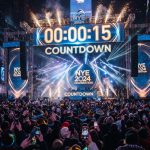
LED screens play an important role in modern concert production. They provide a visual platform that complements the artist’s performance, reinforces the concert’s identity and gives audiences additional ways to engage with what is happening on stage.
At ODEON KL, LED screen placement and configuration should be planned according to the stage design, audience layout and creative direction of the concert. A main LED display behind the performers can serve as the central visual backdrop, while additional screens may be considered where the production layout and venue conditions allow.
Rather than displaying the same static image throughout the show, organisers can prepare visual content that changes according to the performance. This may include artist visuals, album artwork, concert branding, animated backgrounds, song titles and creative motion graphics.
For example, a band performing a high-energy rock set may use bold graphics and fast-moving visual sequences to complement the music. An acoustic performance, on the other hand, may benefit from softer imagery, subtle animations and visuals that create a more intimate atmosphere.
The key is to make the LED screen content part of the creative direction. When visuals are planned around the music, they can strengthen the overall concert experience instead of distracting from the performers.
Design Dynamic Stage Lighting to Set the Mood
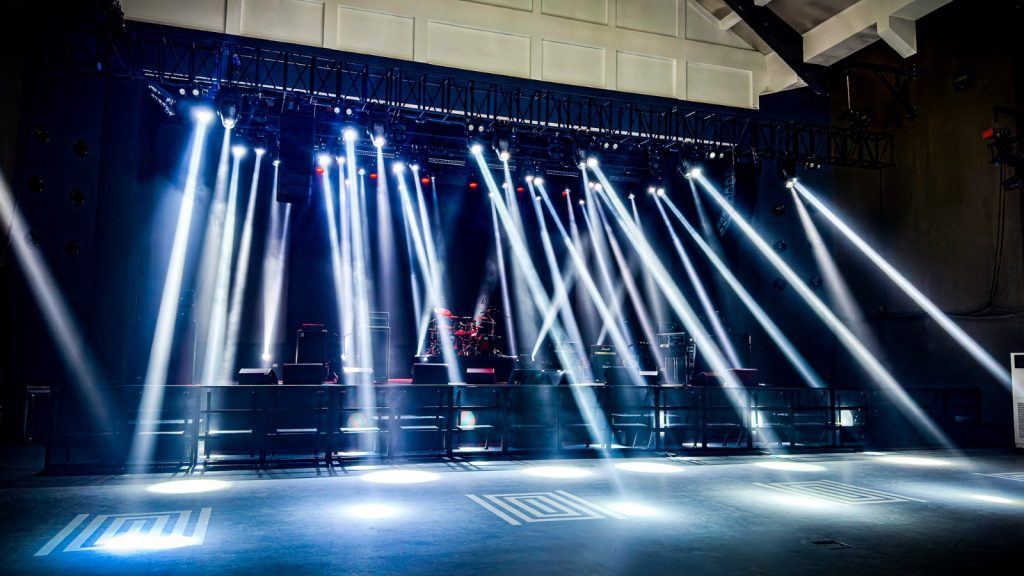
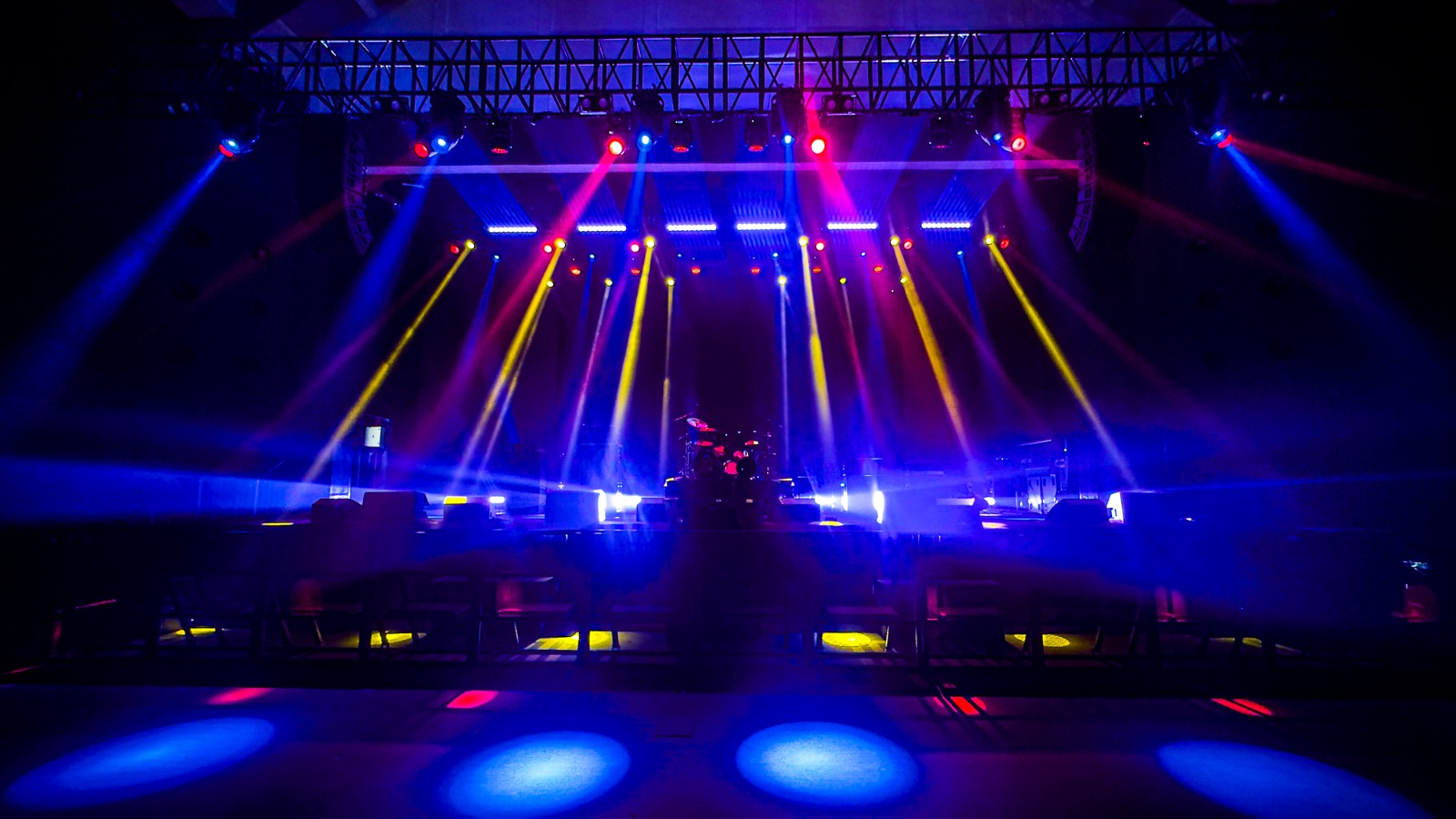 Lighting is one of the most powerful tools for shaping the atmosphere of a live concert. It influences how the audience perceives the stage, highlights important moments and creates visual transitions between different parts of a performance.
A well-planned lighting setup can transform the same stage into different environments throughout a concert. For example, warm lighting can create a more intimate atmosphere during slower songs, while moving lights and stronger colour combinations can bring energy to upbeat performances.
Different lighting effects can also be used to emphasise specific moments, such as:
- Artist entrances: Lighting can build anticipation before the performer appears on stage.
- Musical transitions: Changes in colour and movement can help distinguish different sections of a show.
- Solo performances: Spotlights can draw attention to individual musicians.
- High-energy segments: Dynamic lighting movements can complement faster musical arrangements.
- Finale moments: Coordinated lighting effects can create a strong visual finish.
At ODEON KL, lighting design should take the venue’s architecture, stage dimensions and audience sightlines into account. The objective is to create a balanced visual environment that enhances the performance while keeping the artists visible.
Lighting cues should also be coordinated with the music and show sequence. This requires proper programming, technical preparation and communication between the lighting operator, stage crew and production team.
Deliver Clear and Consistent Audio with Professional Sound Systems
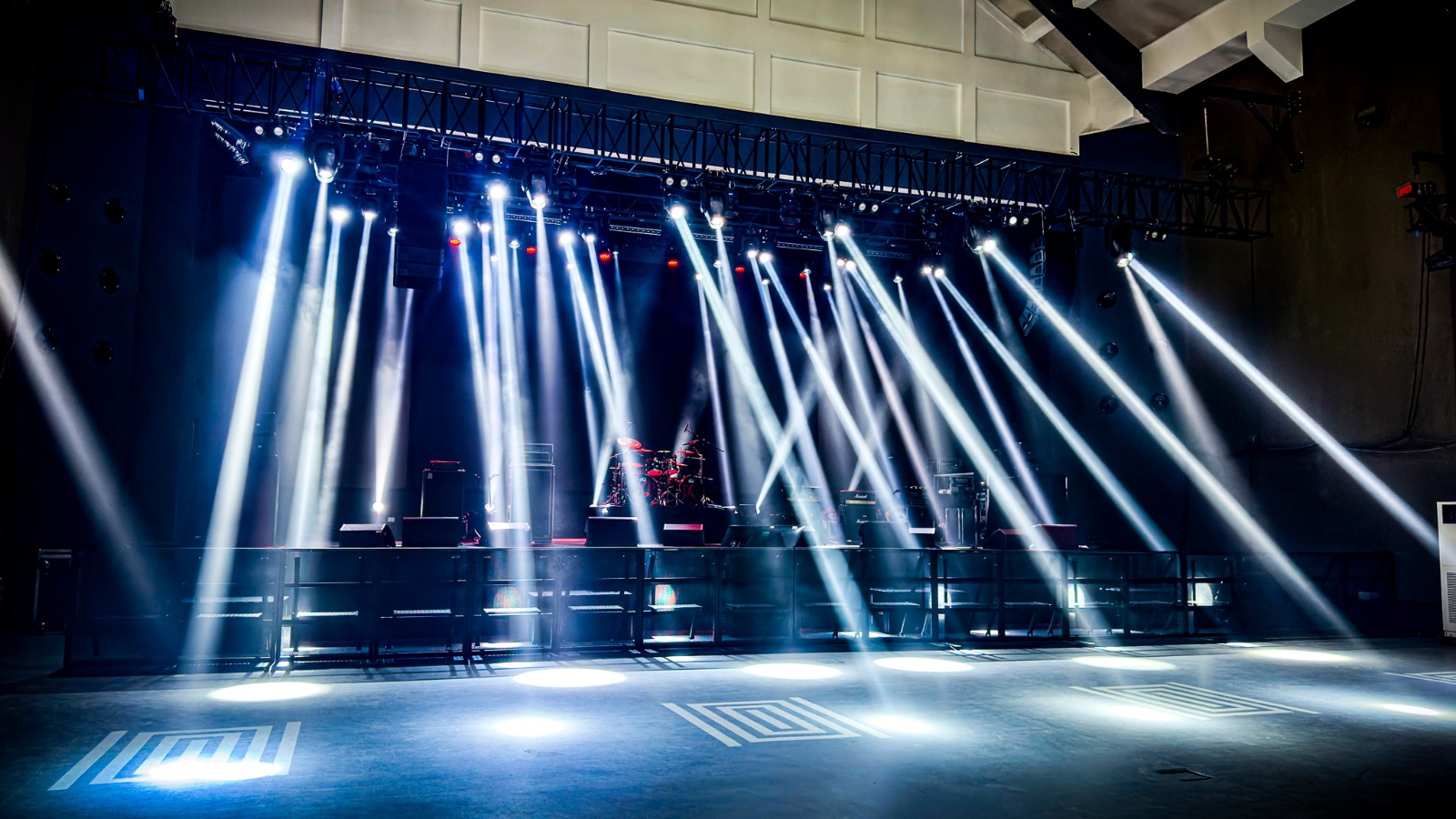 Even the most impressive visual production cannot compensate for poor audio quality. Sound is at the centre of every concert, and audiences need to hear the vocals, instruments and musical details clearly throughout the venue.
A professional sound system helps deliver a more consistent listening experience by distributing audio appropriately across the audience area. However, selecting equipment is only one part of the process. System configuration, speaker positioning, room acoustics and sound checks are equally important.
For a concert at ODEON KL, the sound system should be planned according to the music genre, expected audience capacity, stage arrangement and overall production requirements.
A live band performance, for example, may require careful balancing between vocals, guitars, drums, keyboards and other instruments. An electronic music performance may place greater emphasis on low-frequency energy and consistent bass response.
The production team should also consider:
- Speaker coverage: Ensure the sound reaches the intended audience areas as evenly as practical.
- Vocal clarity: Maintain clear vocals without allowing instruments or background sound to overpower them.
- Subwoofer placement: Plan low-frequency coverage according to the room and system design.
- Stage monitoring: Provide performers with the monitoring they need to hear themselves and other musicians.
- Sound checks: Test the complete system and make adjustments before the audience enters.
Good audio production is not simply about making a concert louder. It is about delivering the right balance, clarity and impact for the performance and venue.
Synchronise LED Screens, Lighting and Sound for a Cohesive Show
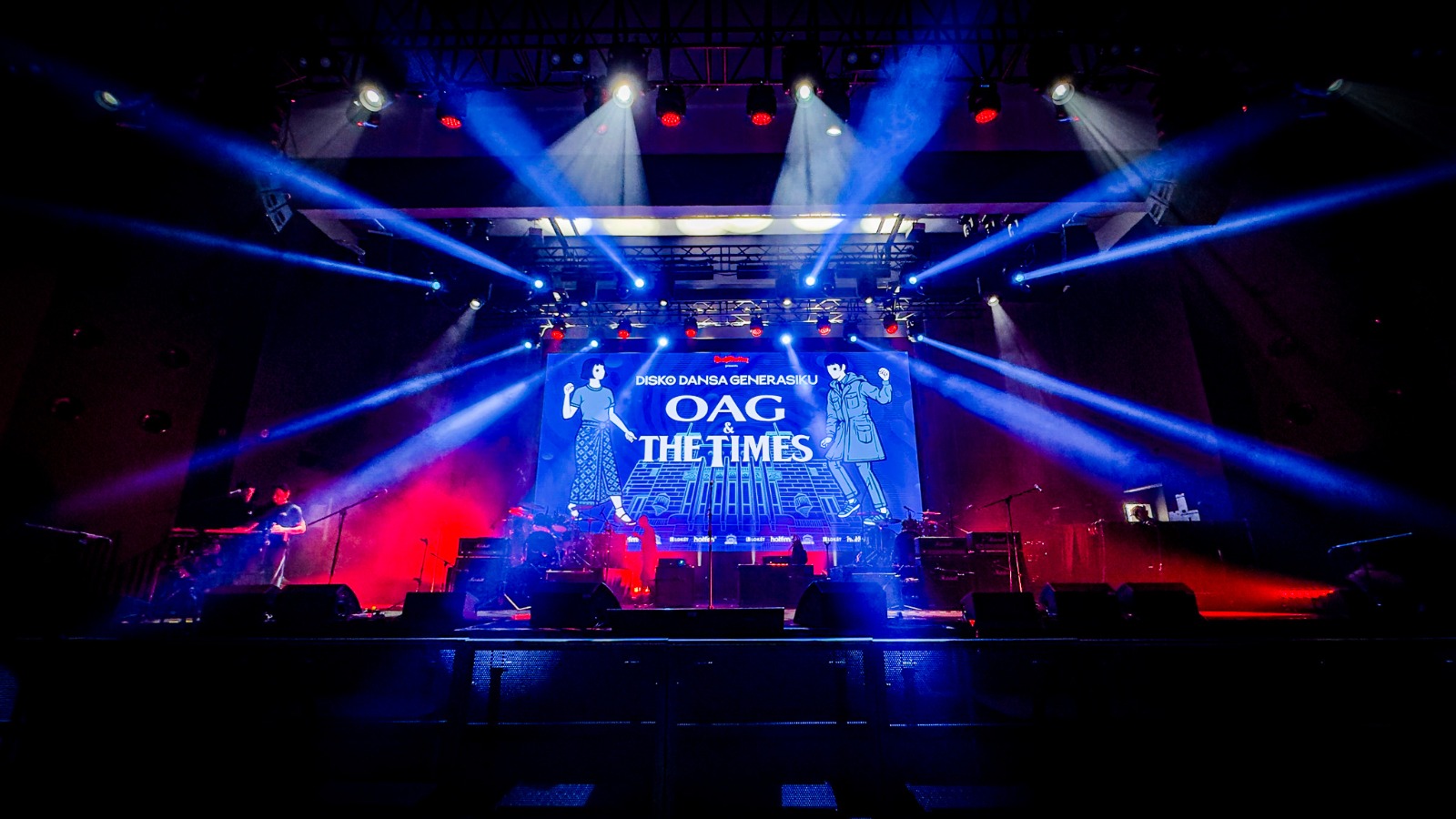 The real impact of an immersive concert experience comes when the visual and audio elements work together.
LED screens, lighting and sound systems should not be treated as three separate technical requirements. They are connected parts of the same production design. When properly coordinated, they help create a more cohesive performance from beginning to end.
Consider a concert opening. The venue may begin with a darkened stage, accompanied by an introductory audio sequence. Visual content gradually appears on the LED screen while lighting effects build anticipation. As the music reaches its opening moment, the stage lighting and screen visuals transition together as the artist enters.
The same approach can be applied throughout the show. During a musical highlight, the lighting can respond to the rhythm while LED content reinforces the mood. For a slower segment, the production can shift to more restrained visuals and lighting, allowing the audience to focus on the music.
This coordination requires a clear show sequence and communication between the production team. Content playback, lighting cues and audio transitions should be planned and tested before the concert.
The result is a production where each technical element supports the others, rather than competing for the audience’s attention.
Plan the Stage Layout Around Audience Engagement
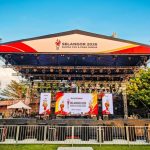
Stage design has a direct influence on how audiences experience a concert. The placement of LED screens, lighting fixtures, speakers and performance areas must be considered together to create a functional and visually engaging environment.
ODEON KL’s main hall offers flexible configurations for different event formats, including standing concerts and seated arrangements. This flexibility allows organisers to consider how the stage and audience areas should be arranged according to the type of performance.
For a standing concert, the stage may be designed to create a strong focal point while allowing the audience to engage with the performers. For a seated showcase, sightlines become especially important because every attendee should have a reasonable view of the stage and visual displays.
Several factors should be considered during planning:
Stage dimensions and performer movement: The stage should provide sufficient working space for musicians, instruments, equipment and stage crew.
LED screen visibility: Screen size and placement should be considered in relation to viewing distances and audience positions.
Lighting positions: Fixtures need suitable positions and angles to achieve the intended effects without creating unnecessary glare or obstructing views.
Speaker locations: The audio system should be configured to suit the venue layout and provide appropriate coverage.
Technical access: Crew members need practical access to equipment, cables and control positions for setup, operation and troubleshooting.
A coordinated layout helps prevent technical elements from interfering with one another and supports smoother event execution.
Use Visual Content to Strengthen the Concert’s Identity
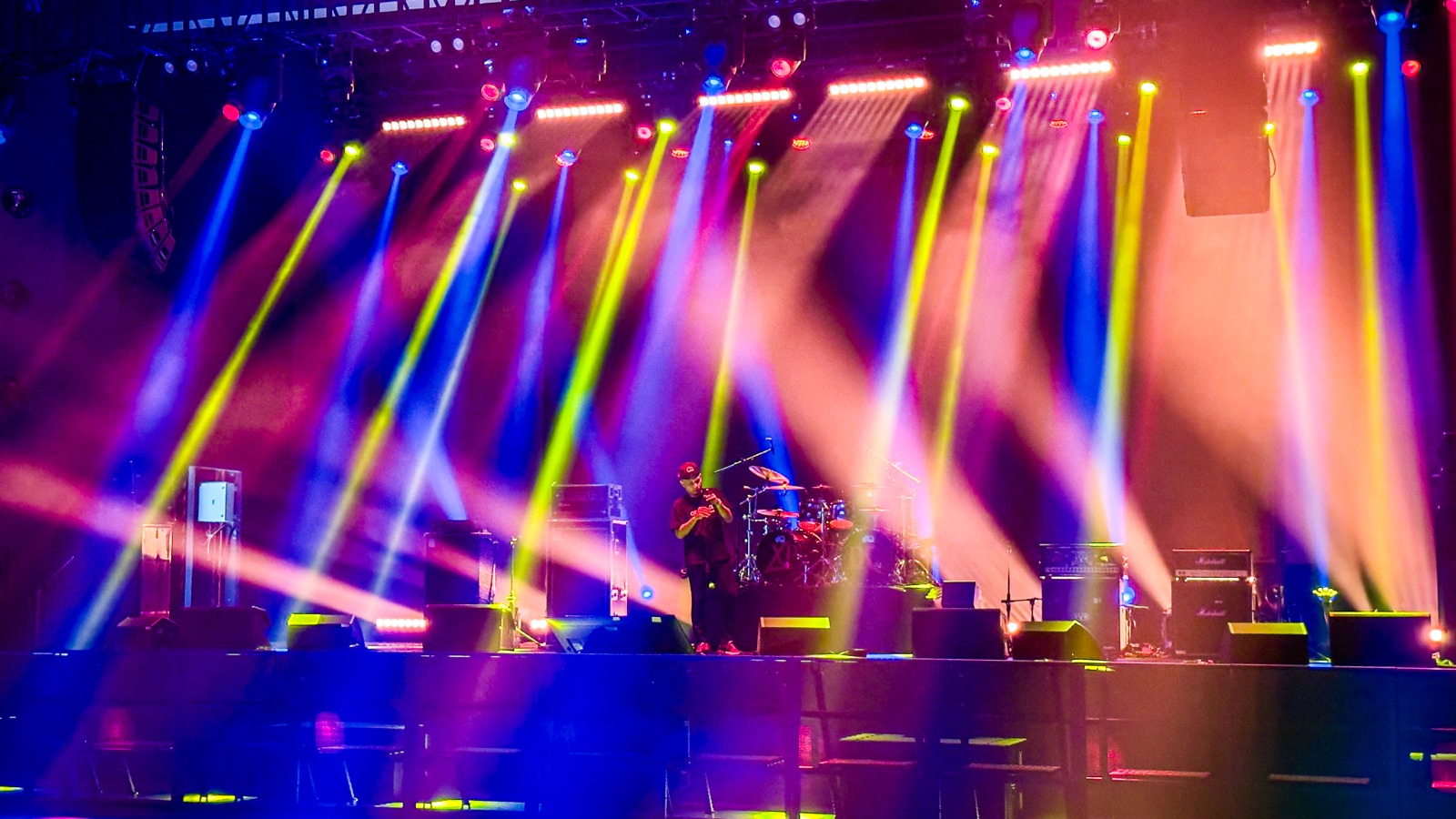 A concert’s visual identity can extend beyond its promotional posters and event branding. Through LED displays, organisers can develop a consistent visual language that reflects the artist, music genre and creative concept.
For an album launch, LED screens can display album artwork, animated graphics and selected visual sequences that introduce the themes behind the music. For an anniversary concert, organisers may use archival photographs, milestone highlights and specially produced content to connect the audience with the artist’s journey.
Other possibilities include:
- Animated artist logos and concert branding.
- Background visuals designed around individual songs.
- Short video introductions before selected performances.
- Visual storytelling for tribute or anniversary segments.
- Coordinated graphics for guest appearances and special announcements.
The content should be prepared in the correct format and resolution for the LED screen configuration. Organisers should also establish a playback sequence and check every visual before the event.
Good visual content supports the artist’s identity and gives the concert a more distinctive character. It should enhance the music, not overwhelm it.
Conduct Technical Rehearsals Before Showtime
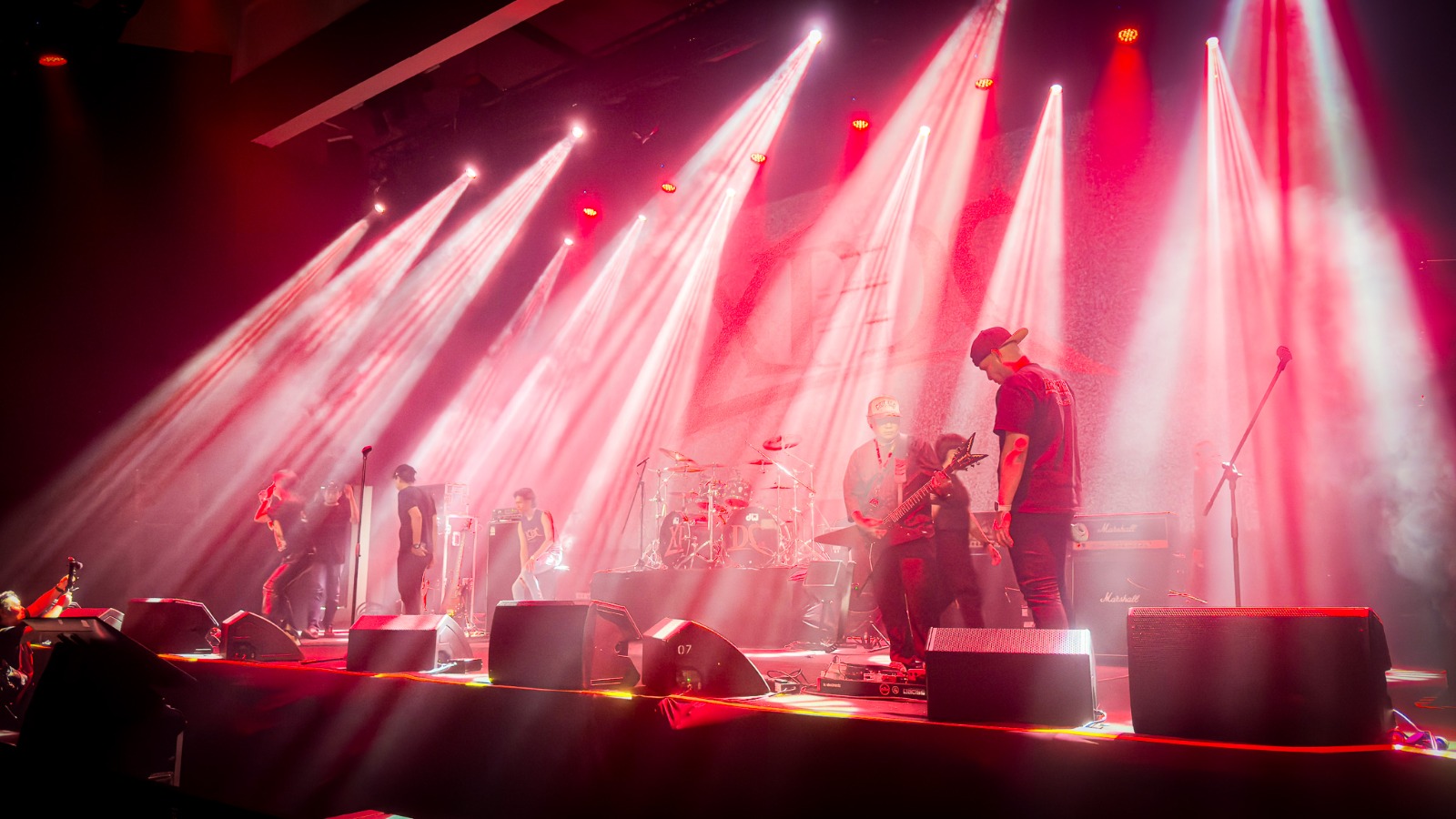 A successful concert depends on preparation long before the audience arrives. Even when the venue has professional facilities, the complete production still needs to be checked against the specific requirements of the show.
Technical rehearsals allow the production team to test equipment, confirm signal connections and coordinate show cues. This is particularly important when LED content, lighting sequences and live audio need to operate together.
A practical pre-show checklist should include:
- Testing LED screen displays, playback equipment and content transitions.
- Checking lighting fixtures, programming and cue sequences.
- Conducting audio checks for microphones, instruments, monitors and the main sound system.
- Confirming communication between the technical crew and show callers.
- Reviewing artist entrances, transitions and special performance segments.
- Preparing backup arrangements for essential playback and signal equipment.
Artists and performers should also have sufficient time for sound checks and stage familiarisation. Any technical adjustments should be completed before the audience enters whenever possible.
Rehearsals help identify issues early, reduce last-minute pressure and give the crew a clearer understanding of how the show should run.
Work with an Experienced Event Production Team
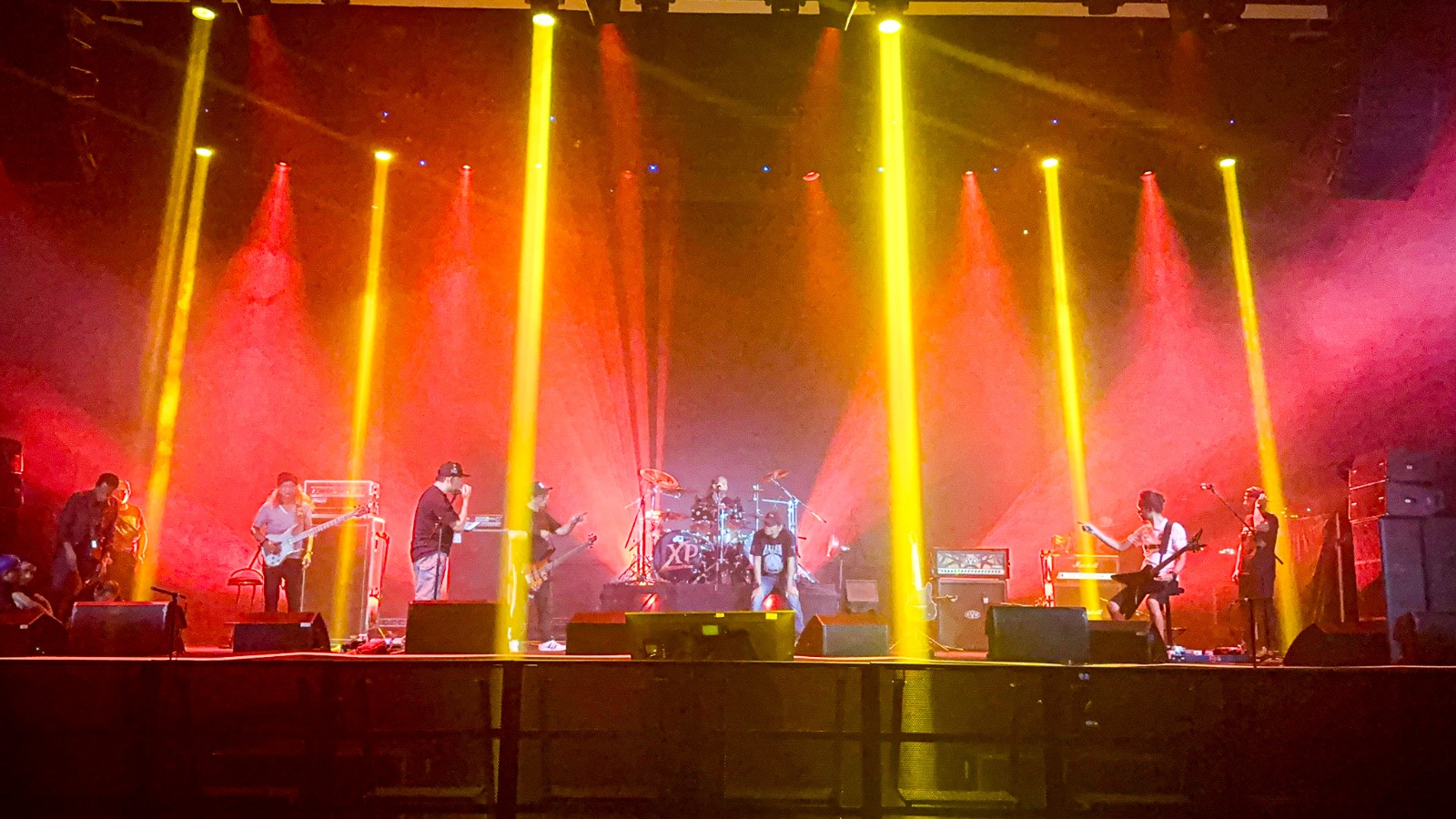 Bringing together LED screens, lighting and sound systems requires more than supplying equipment. Each system needs to be selected, configured and operated according to the venue, performance and production requirements.
An experienced event production team can help coordinate these technical elements from the planning stage through to showtime. This includes understanding the event brief, assessing the venue layout, planning equipment positions, preparing technical requirements and coordinating the crew.
At ODEON KL, the combination of a distinctive heritage setting and modern event facilities creates opportunities for different concert concepts. However, the final production design should always be based on the actual event requirements, including the artist’s technical rider, stage configuration, audience arrangement and creative direction.
Working with a coordinated production team helps ensure that the LED displays, lighting effects and sound systems contribute to one consistent concert experience.
Bringing the Concert Experience Together
An immersive concert experience is created when every part of the production works towards the same goal: connecting the audience with the performance.
LED screens provide visual storytelling and strengthen the concert’s identity. Lighting establishes the atmosphere and highlights important moments. Professional sound systems deliver the music with clarity and impact. When these elements are planned together, they can transform a live performance into a more engaging and memorable experience.
At ODEON KL, the venue’s heritage character and flexible event environment provide an interesting setting for concerts, showcases and live entertainment. With careful planning and coordinated technical production, organisers can make full use of the space while creating a show that reflects the artist’s creative vision.
Website: https://www.doremievent.com/
Planning Your Next Concert Production at ODEON KL?
Creating an immersive concert experience requires the right combination of LED screens, professional lighting and sound systems. Whether you are organising a live band performance, album launch, artist showcase or large-scale concert, every technical element should work together to support the music and engage the audience.
At DOREMi, we provide integrated event production solutions for concerts and live performances at ODEON KL. From LED screen displays and stage lighting to professional sound systems, staging and technical coordination, our team helps bring your concert production requirements together.
Contact DOREMi to discuss your next concert production and create a more engaging live experience at ODEON KL.