The Power of Immersive Sound in Performing Arts: How Audio Technology Shapes Audience Experience
Performing arts have always relied on sound to stir emotions, guide narratives, and connect audiences with performers. A single note of music, the subtle echo of footsteps on stage, or the swell of an orchestra can instantly transport audiences into another world.
But in 2025, sound is no longer just an accompaniment—it has become the immersive core of the experience. With rapid advances in audio technology, audiences are no longer passive listeners sitting quietly in their seats. Instead, they are surrounded by sound that moves, breathes, and interacts with the performance itself.
From immersive theater productions in London and New York to experimental sound installations in Asia and technology-driven concerts around the world, immersive sound is reshaping the performing arts landscape. Productions are now designed not only to be seen, but to be heard in three dimensions.
For event specialists like DOREMi Events, this evolution signals a powerful shift in how performances are designed and delivered. Audio technology is no longer simply about amplification—it has become a storytelling tool that enhances emotion, deepens engagement, and transforms how audiences experience live performances.
Key Takeaways
- Beyond Stereo: Immersive sound uses spatial audio, AI acoustics, and binaural recording to surround audiences in 3D audio environments.
- Transforming Theater & Concerts: Sound is now a dynamic storytelling tool that breaks the barrier between the stage and the audience, enhancing realism and emotional impact.
- Malaysia’s Audio Evolution: Local festivals and large-scale productions are rapidly adopting immersive tech for hybrid and outdoor events.
- The Future is Adaptive: AI-powered sound design and wearable tech will soon create personalized, real-time responsive audio experiences.
What Is Immersive Sound?
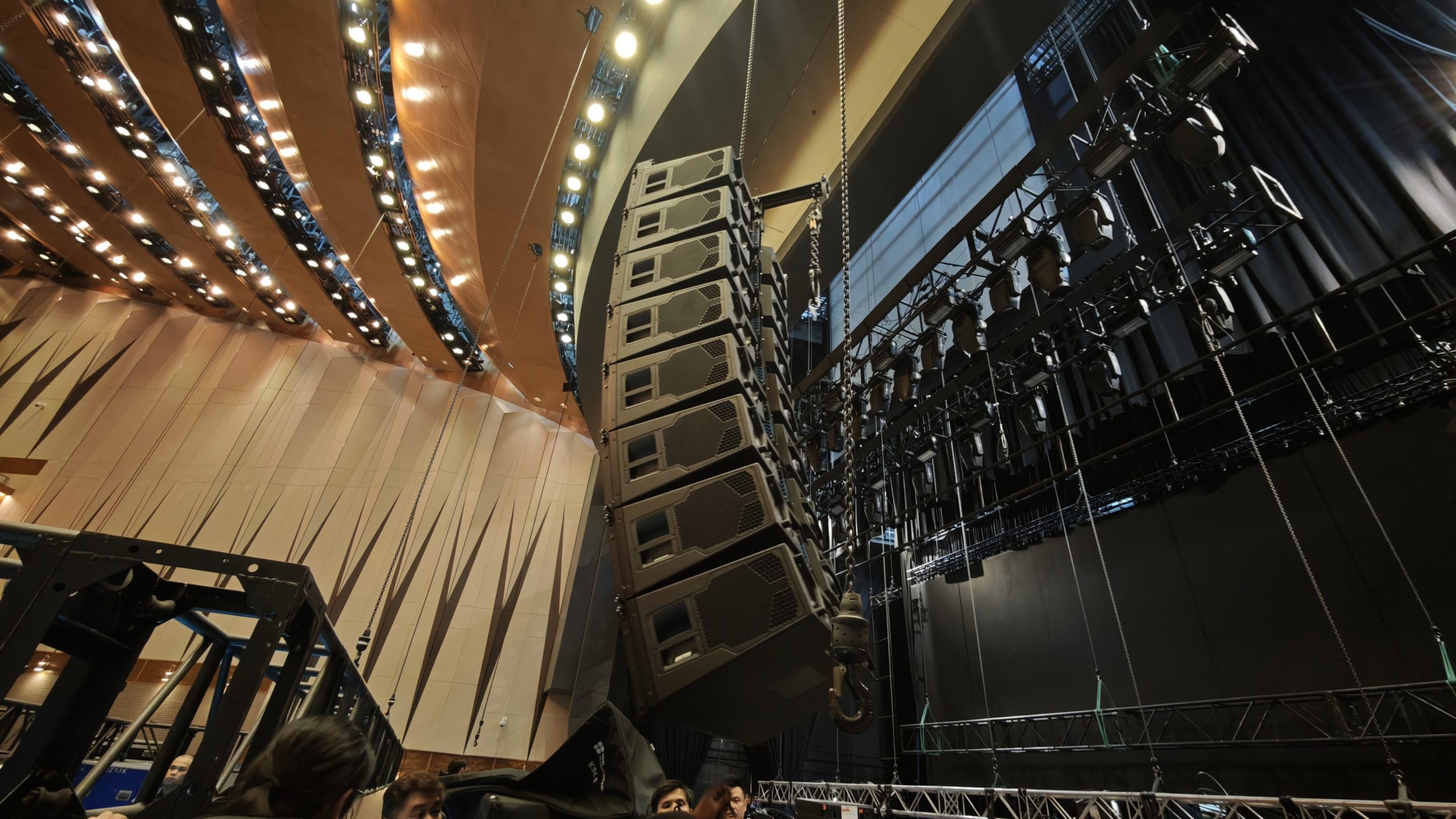
Immersive sound refers to audio technologies that create a three-dimensional listening environment, surrounding audiences with sound from multiple directions rather than projecting it from a single stage.
Traditional stereo audio typically delivers sound from left and right channels. Immersive audio, however, expands this concept by placing sound sources throughout the entire performance space. This creates the sensation that sound is moving around the listener, similar to how people naturally perceive sound in the real world.
Key technologies driving immersive sound include:
- Spatial audio systems: These systems position sound objects throughout a venue, allowing sound designers to place audio above, behind, or beside the audience. This creates an enveloping sonic environment.
- Binaural recording: Using specially designed microphones that mimic human ears, binaural recording replicates the way people hear sound in real life. When played back through headphones, it produces an incredibly realistic 3D effect.
- AI-driven acoustics: Artificial intelligence can now analyze venue acoustics and adjust sound distribution in real time. This ensures that audiences hear balanced audio regardless of where they are seated.
- Wearable technology: Devices such as AR and VR headsets introduce personalized audio experiences, allowing individual audience members to hear specific sound layers depending on their viewpoint.
Together, these technologies allow sound designers to treat audio as a dynamic, spatial element rather than a static background feature.
Immersive Sound in Theater
In 2025, immersive sound has become one of the defining features of modern theater productions. Directors and sound designers increasingly use audio to shape how audiences perceive the story and environment.
One of the biggest transformations is the ability to break down the invisible barrier between stage and audience. With surround-sound technology, whispers can travel across a theater, footsteps can circle the audience, and environmental sounds can make the entire venue feel like part of the story.
This approach enables several creative possibilities:
- Placing audiences inside the narrative: Instead of watching events unfold from a distance, audiences feel as though they are physically present within the scene.
- Enhancing dramatic effects: Thunder can rumble from behind the audience while wind howls above them. These spatial cues heighten tension and realism.
- Strengthening emotional moments: Soft musical cues or directional sound effects can subtly guide audience emotions during key scenes.
- Encouraging interaction: Some immersive productions now incorporate responsive soundscapes that react to audience movement or participation.
Around the world, theater companies are experimenting with performances in unconventional spaces—abandoned warehouses, historic buildings, parks, and galleries. In these environments, immersive sound plays a crucial role in transforming the venue itself into part of the storytelling. Instead of constructing elaborate physical sets, productions can create entire worlds using carefully designed sound environments.
Immersive Sound in Concerts
Live music events have also embraced immersive audio technology, pushing the boundaries of how concerts are experienced.
Concertgoers in 2025 increasingly expect performances that combine sound, visuals, and spatial effects into a unified experience. Artists are now designing shows where sound travels dynamically through the venue, creating the sensation that music is moving through the crowd.
This evolution has been driven by several major innovations:
- Object-based audio mixing: Rather than assigning sounds to fixed channels, engineers can move individual instruments or effects across the venue in real time.
- Venue-wide speaker arrays: Advanced speaker systems positioned around stadiums or arenas allow sound to envelop audiences rather than blasting from a single direction.
- Augmented and virtual reality integration: Some performances now incorporate AR or VR headsets that provide personalized visual and audio layers, allowing each audience member to experience the show in a unique way.
The result is a concert environment where music feels more immersive and emotionally engaging. Instead of simply listening to a performance, audiences feel surrounded by it.
This shift has also expanded artistic creativity. Musicians and producers can now design songs and performances that rely on spatial movement, allowing sound to travel across the venue like a living element of the show.
Audience Experience: Emotional and Psychological Impact
The growing popularity of immersive sound is not just about technology—it is about how people experience performances on a deeper level.
Research into sensory perception suggests that multi-directional audio can significantly influence how audiences interpret and remember events. When sound surrounds listeners, it creates a stronger sense of presence and realism.
This leads to several key benefits:
- Heightened realism: Environmental sounds become more believable, helping audiences suspend disbelief during performances.
- Stronger emotional responses: Surrounding audio intensifies emotional cues, whether it is excitement during a concert or tension during a dramatic scene.
- Improved memory retention: Immersive experiences engage more sensory pathways, making them more memorable.
- Greater inclusivity: Customizable audio systems can improve accessibility by adjusting sound clarity for audiences with hearing challenges.
For performers and event producers, this means immersive sound is not merely a technical upgrade—it is a tool for building stronger emotional connections between audiences and performances.
Immersive Sound in Malaysia’s Performing Arts Scene
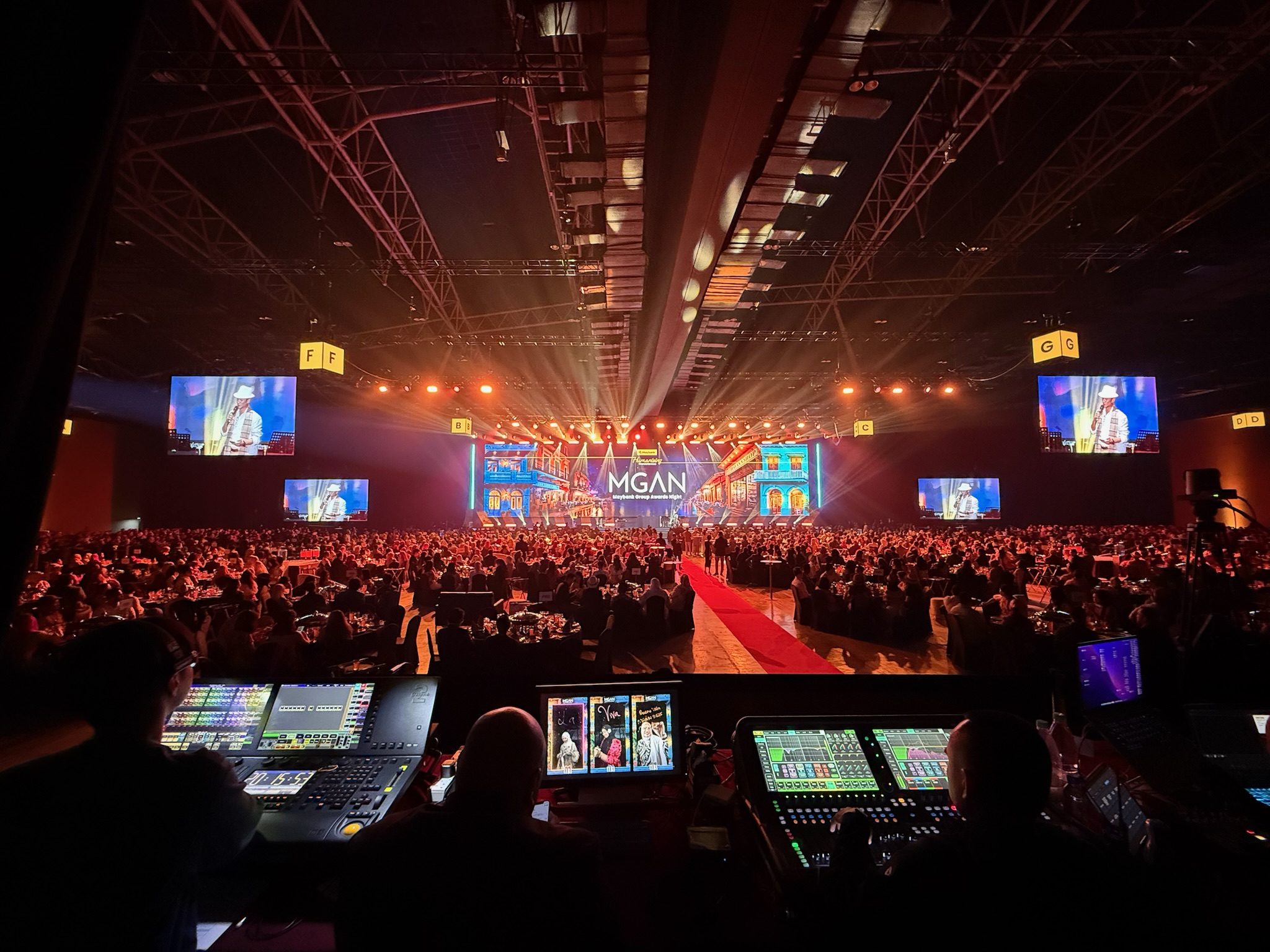
The adoption of immersive sound is also growing steadily within Malaysia’s performing arts and events industry.
Large-scale productions, cultural festivals, and theater performances increasingly rely on advanced sound systems to enhance audience engagement. Event companies are investing in sophisticated audio technology that allows them to deliver clearer, more dynamic sound experiences across diverse venues.
In Malaysia’s vibrant performing arts community, immersive audio opens exciting possibilities:
- Cultural performances can incorporate environmental soundscapes that reflect local heritage.
- Outdoor events can use spatial audio to create atmosphere without overwhelming nearby communities.
- Hybrid events combining live audiences and digital streaming can deliver richer experiences to remote viewers.
For event companies like DOREMi, immersive sound technology plays a vital role in creating productions that feel modern, impactful, and globally competitive. By integrating advanced audio systems with lighting, stage design, and visual effects, productions can deliver truly multi-sensory experiences that resonate with diverse audiences.
Challenges and Considerations
While immersive sound offers transformative possibilities, implementing it successfully requires careful planning and expertise.
- Cost and equipment investment: High-end speaker systems, software, and acoustic design tools can be expensive, especially for smaller productions.
- Technical expertise: Designing immersive audio environments requires skilled sound engineers who understand spatial acoustics and digital mixing technologies.
- Venue constraints: Older theaters or smaller venues may not be designed to accommodate complex speaker configurations.
- Audience comfort: Some immersive technologies, particularly wearable devices like VR headsets, may not appeal to all audience members.
These challenges mean that immersive sound must be carefully integrated into performances in ways that enhance the experience without overwhelming the audience.
The Future of Immersive Sound in Performing Arts
Looking ahead, immersive sound will likely become an essential component of performing arts productions worldwide. Several emerging technologies are expected to shape the next phase of innovation:
- AI-powered sound design: Artificial intelligence could generate adaptive soundscapes that respond to audience reactions in real time.
- Cross-disciplinary performances: Future productions may blend theater, dance, music, digital art, and interactive media into unified immersive experiences.
- Portable immersive systems: Compact audio setups could make immersive sound accessible to smaller venues and touring productions.
- Sustainable sound technology: Energy-efficient speaker systems and digital solutions will help reduce the environmental impact of large-scale events.
By 2030, immersive audio may become as fundamental to performing arts as lighting design or stage sets.
All In All…
In August 2025, immersive sound stands at the forefront of a creative revolution in the performing arts. It transforms sound from a supporting element into a powerful storytelling medium that surrounds, engages, and moves audiences.
From experimental theater productions to cutting-edge concerts, immersive audio technologies are redefining what it means to experience live performance.
For event specialists like DOREMi, embracing immersive sound represents an opportunity to push creative boundaries and deliver unforgettable audience experiences. By combining technical expertise with artistic vision, immersive audio can turn performances into truly multi-sensory journeys.
As technology continues to evolve, one thing is certain: the future of performing arts will not only be seen on stage—it will be heard all around us.