From Runway to Reception: How AV & Lighting Enhance Fashion Shows
The music hits before the first model steps out.
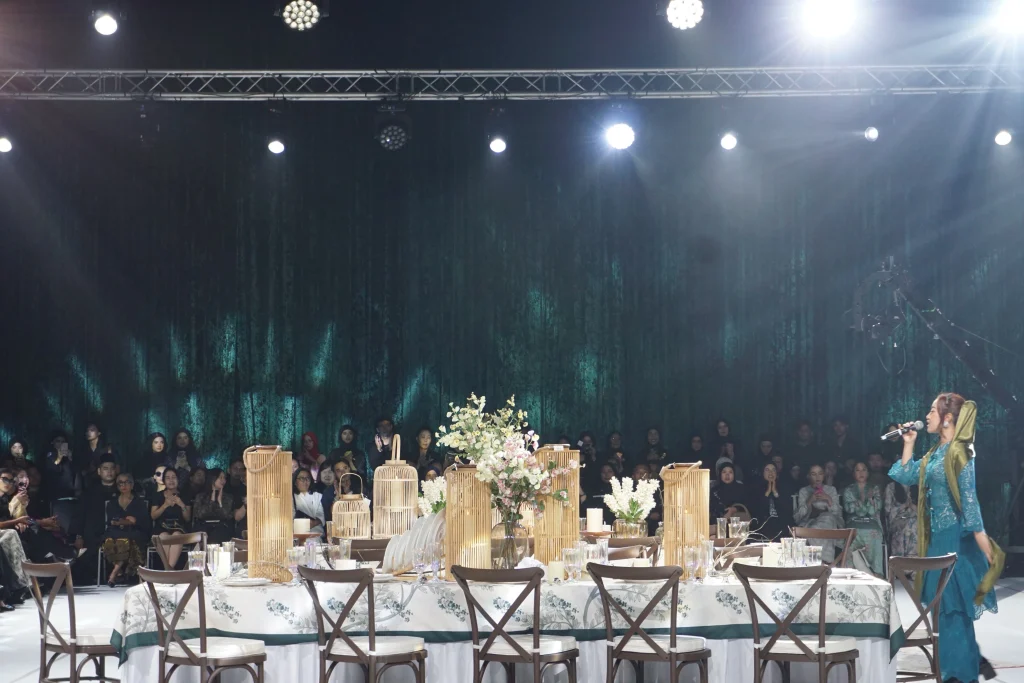
A low bassline rolls through the room. The audience quiets instinctively. The runway glows—not too bright, not too dim. The backdrop comes alive with subtle motion graphics. Then, perfectly timed with the beat, the first spotlight sharpens, and the show begins.
Fashion may be about fabric, silhouette, and movement—but without professional audio-visual production and lighting, even the most stunning collection can fall flat.
As November 2025 unfolds, fashion showcases, brand previews, mall activations, and year-end style presentations are filling event calendars. Designers and brands are preparing to close the year with statement pieces, holiday collections, and high-visibility showcases. And behind every polished runway moment is a carefully engineered technical setup.
This guide breaks down how AV and lighting shape fashion shows—from runway build to reception flow—and what planners need to know to deliver a flawless production.
Key Takeaways
- Lighting is Fabric’s Best Friend: Avoid harsh colors that distort garments. Use a mix of front wash for facial clarity, side lighting for texture definition, and backlighting for silhouette separation.
- Audio Drives the Pace: A fashion show relies on momentum. Seamless transitions, crisp high frequencies, and controlled bass are required to keep the models walking on beat.
- The Invisible Framework: Pre-programmed lighting consoles and perfectly timed audio cues are what separate a chaotic amateur show from a flawless, high-end production.
- Transition to Reception: Don’t let the energy drop after the final walk. Shift the lighting to warm ambient washes and transition the music to lounge-style playlists to keep guests engaged.
Fashion Shows Are Live Productions—Not Just Walks Down a Runway
At first glance, a fashion show might seem simple: a runway, music, models, applause.
In reality, as noted by event experts at Vogue Business, it’s a tightly synchronized live production involving:
- Audio design
- Lighting choreography
- Stage management
- Video content integration
- Timing precision
- Guest flow coordination
Unlike conferences, where focus remains on a speaker, fashion shows rely on movement. Lighting must follow it. Sound must amplify it. Visuals must support it without distraction.
One missed cue—music starting late, lights not adjusting, visuals lagging—can disrupt the rhythm entirely. Fashion shows operate on momentum. AV and lighting maintain that momentum.
The Runway: More Than a Platform
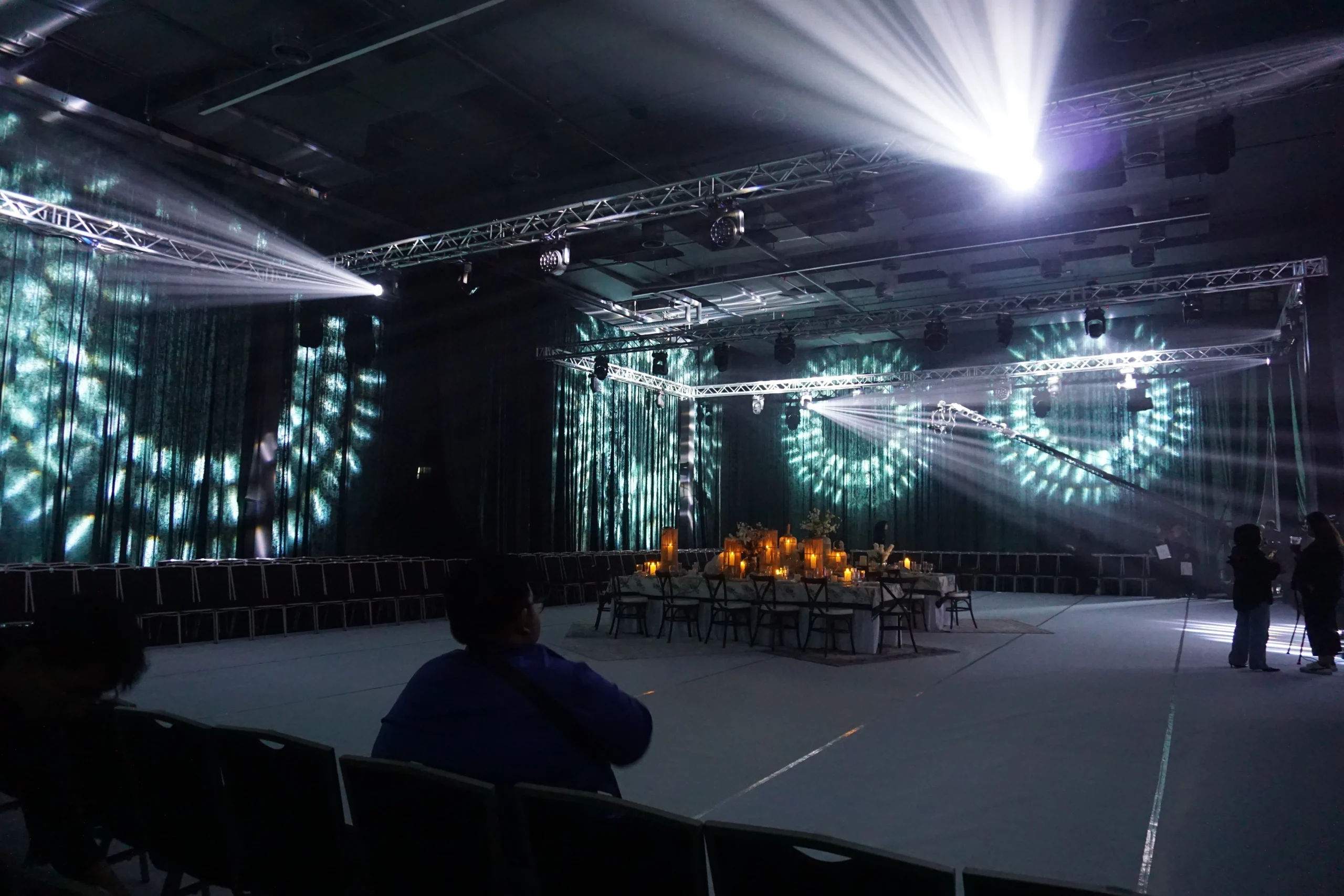
The runway is both stage and storytelling device. Whether it’s a straight catwalk, U-shaped design, or immersive circular stage, its layout determines technical positioning.
Key considerations include:
- Height and structural stability
- Surface finish (matte vs reflective)
- Cable management underneath
- Sightlines from all audience angles
- Placement of lighting trusses
Lighting angles must be carefully calculated. If positioned too low, shadows distort garments. If too high, facial features lose dimension. Side lighting is often incorporated to define fabric texture and movement.
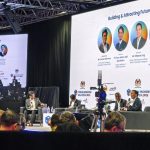
In larger venues—such as convention halls similar to those used for exhibitions at MITEC—truss systems may be suspended to support intelligent fixtures and evenly distribute lighting across extended runway lengths.
The runway doesn’t just hold models. It holds the visual focus of the entire event.
Lighting Design: Sculpting Fabric, Color, and Motion
Lighting in fashion shows serves a different purpose than in corporate events.
It must:
- Accurately represent garment colors
- Highlight fabric texture
- Avoid harsh shadows
- Complement skin tones
- Create atmosphere without overpowering
White balance is critical. A dress designed in soft ivory can appear yellow under incorrect lighting temperatures. Metallic fabrics require controlled brightness to prevent glare. Sequined pieces need balanced front and side lighting to shimmer without blinding the audience.
Professional fashion lighting typically includes:
- Front wash lighting for facial clarity
- Side lighting for texture definition
- Backlighting for silhouette separation
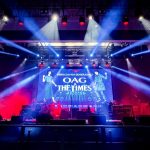
- Intelligent fixtures for transitions
- Spotlight cues for featured looks
Dynamic transitions between collections—shifting color tones subtly between segments—help differentiate themes without distracting from garments.
In evening shows, particularly those aligned with festive November collections, warm tones often dominate entry segments before transitioning into cooler, dramatic hues for statement pieces.
Lighting must enhance—not compete with—the clothing.
Audio: Setting the Pace and Energy
Music defines the rhythm of a fashion show.
The wrong sound system can flatten impact, distort tracks, or overwhelm conversations during reception segments. Professional audio setup ensures clarity, balance, and immersive sound.
A typical fashion show audio system includes:
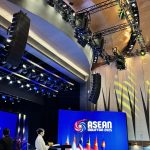
- High-quality line array speakers for even coverage
- Subwoofers to deliver controlled bass
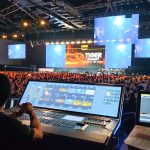
- Digital mixing consoles for precision adjustments
- Wireless microphones for emcees or designers
- Redundant playback systems as backup
Bass must feel present but not overpowering. High frequencies must remain crisp. Transitions between tracks must be seamless—no abrupt stops or volume inconsistencies.
For larger venues or mall-based showcases similar to major festival setups, speaker positioning becomes critical to avoid echo caused by reflective surfaces.
Pre-programmed playlists and timed cues ensure each model’s walk aligns with the musical beat. When lighting and music sync perfectly, the runway feels alive.
LED Screens and Visual Backdrops
Modern fashion shows frequently incorporate LED video walls as dynamic backdrops.
These screens allow:
- Animated brand visuals
- Collection names
- Motion graphics
- Abstract mood visuals
- Live camera feed magnification
However, brightness balance is key. An overly bright LED screen can wash out runway lighting. Proper calibration ensures models remain the focal point.
For product-focused shows—such as tech-fashion collaborations or brand launches—LED visuals often complement the theme with subtle animation rather than static logos.
Integrated video production also enhances social media coverage. Clear visuals improve livestream quality and post-event marketing content.
The goal is cohesion. Video, lighting, and runway must feel like parts of one design.
Timing and Cue Programming: The Invisible Framework
Fashion shows operate on tight schedules.
Each segment requires coordinated cues for:
- Music playback
- Lighting changes
- Visual transitions
- Model lineup movement
- Emcee announcements
Programming lighting consoles and audio systems in advance allows precise timing. For instance, a dramatic lighting shift can signal the final walk or highlight a signature piece.
Rehearsals are not optional. Even a short technical run-through ensures transitions are smooth and pacing feels natural. Without cue programming, transitions rely on manual adjustments—risking delays and inconsistencies.
Backstage Logistics and Technical Planning
The audience sees glamour. Backstage sees coordination.
Technical teams must account for:
- Cable safety
- Quick-change lighting adjustments
- Microphone access for designers
- Communication headsets for crew
- Emergency backup systems
Clear communication between stage managers, lighting operators, and audio technicians ensures that cues are executed precisely.
Backstage lighting is also important. Models need sufficient illumination to prepare without affecting stage aesthetics. Every detail, visible or not, contributes to the final presentation.
From Runway to Reception: Extending the Experience
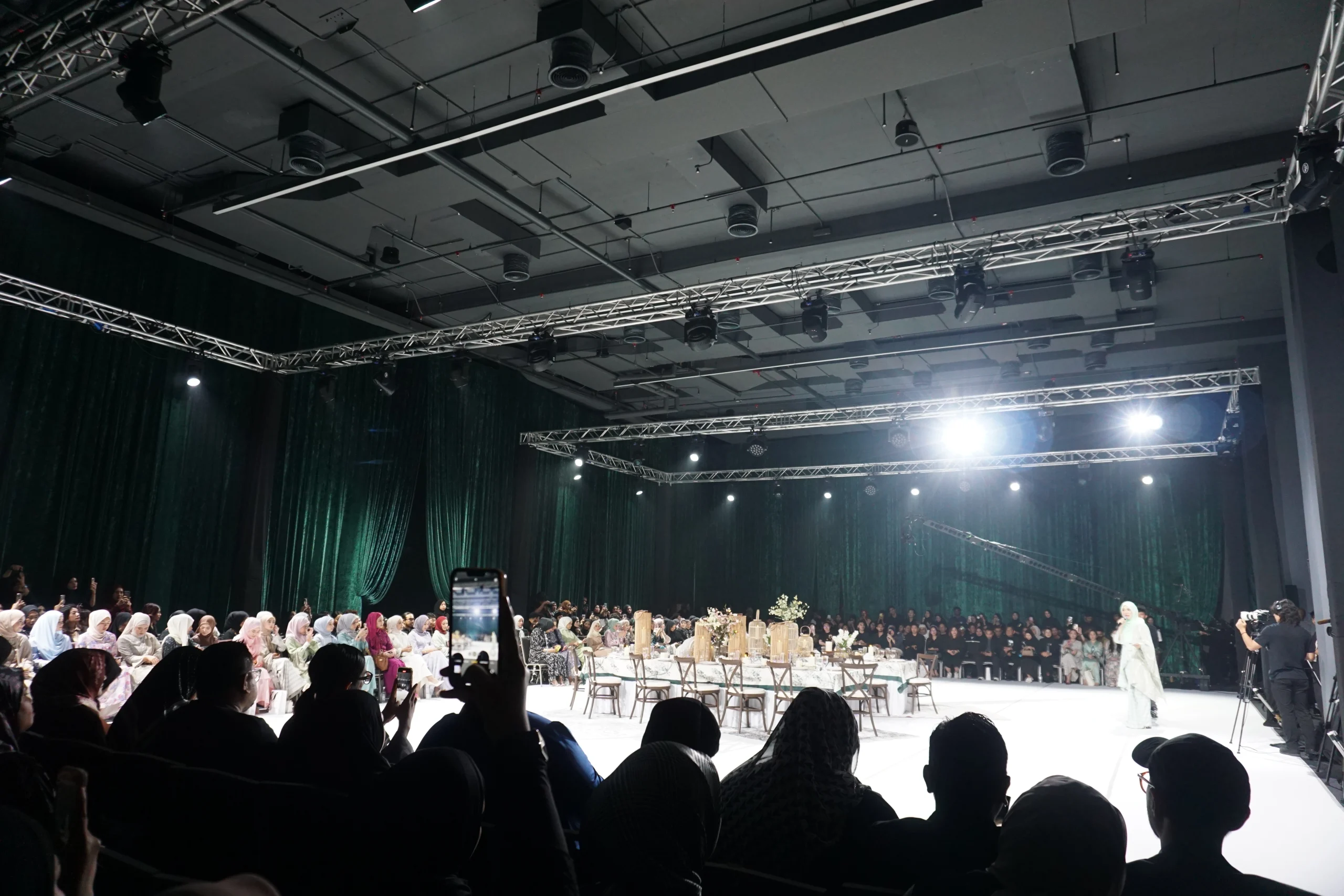
Many fashion shows transition into cocktail receptions or networking sessions.
Lighting should evolve accordingly. After the final walk:
- Stage lights soften
- Ambient uplighting warms the room
- Music transitions from high-energy tracks to lounge-style playlists
- Spotlights shift away from the runway
This shift transforms the space from performance venue to social environment without requiring a complete technical reset.
Audio levels are adjusted to support conversation. Lighting intensity lowers slightly to create a relaxed mood. Planning for this transition ensures the event flows naturally rather than ending abruptly.
Outdoor and Hybrid Fashion Events
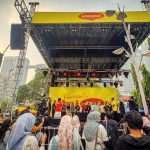
In November, outdoor showcases and mall-based fashion events remain popular due to milder weather and festive shopping seasons.
Outdoor productions require additional considerations:
- Weatherproof lighting fixtures
- Backup power generators
- Controlled truss structures
- Wind-resistant staging
- Sunlight positioning for daytime shows
Sound systems must project clearly in open spaces without overwhelming surrounding areas.
Hybrid events—where fashion shows are livestreamed—also require camera-friendly lighting. Balanced brightness prevents overexposure while maintaining runway drama. Technical planning becomes even more critical when environmental variables are involved.
Common Mistakes to Avoid
Even well-designed fashion shows can face challenges if certain areas are overlooked.
Avoid:
- Using overly colorful lighting that distorts garment tones
- Skipping full technical rehearsals
- Ignoring venue ceiling limitations
- Underestimating power requirements
- Relying on basic in-house sound systems
- Placing speakers directly facing reflective surfaces
Professional planning minimizes these risks.
Budget Prioritization for Fashion Shows
When allocating budget, prioritize:
- Quality runway lighting
- Balanced sound systems
- LED backdrop integration
- Experienced technical operators
- Rehearsal time
Optional enhancements may include:
- Additional moving lights for finale moments
- Advanced motion graphics
- Live camera magnification
Flawless execution of core elements delivers stronger impact than scattered enhancements.
Why Technical Integration Matters
Fashion is visual—but the experience is multi-sensory.
Lighting shapes perception. Sound shapes emotion. Visuals shape narrative.
When these elements integrate seamlessly, the show feels effortless. Guests remain focused on the collection rather than distracted by technical inconsistencies.
Professional production ensures:
- Smooth transitions
- Balanced lighting tones
- Crisp audio playback
- Cohesive visual branding
- Safe, structured staging
These technical layers operate quietly in the background, supporting every step down the runway.
Our Closing Thoughts: Designing the Experience Beyond the Clothes
A fashion show isn’t just a showcase of garments—it’s a curated moment. It tells a story through movement, sound, and light.
In November 2025, as brands prepare for year-end showcases and festive collections, expectations are higher than ever. Audiences seek immersive experiences, not simple presentations.
From the first spotlight to the final reception toast, AV and lighting define how the collection is seen, heard, and remembered.
At DOREMi Events, fashion productions are approached as full-scale live experiences—integrating sound engineering, lighting design, staging, and visual programming into a cohesive blueprint. Whether hosted in a ballroom, convention hall, outdoor plaza, or retail space, the focus remains consistent: precision, atmosphere, and seamless flow.
Because when the runway glows, the music aligns, and the lighting sculpts each silhouette perfectly, the result isn’t just a show.
It’s a moment that feels designed—down to the last detail.