When planning an event, audiovisual equipment is sometimes treated as something to arrange after the venue, catering, programme and guest list are confirmed.
That can be a problem.
Your event may require microphones, speakers, LED screens, projectors, stage lighting, presentation systems, cameras, livestreaming equipment or a combination of several technical systems. Each requirement can affect the others, as well as the venue layout, power, rigging, staging and event schedule.
So, how early should you book audio visual equipment rental?
There is no single booking deadline that works for every event. A small meeting with one presentation screen and a few microphones may be manageable with a shorter lead time, while a large conference, gala dinner, product launch, exhibition or live production may require several months of preparation.
As a general planning principle, it is better to involve your AV provider as soon as the event date, venue and basic format are reasonably clear.
The earlier the conversation starts, the more time there is to design the system, check availability, coordinate with the venue and resolve technical requirements before event day.
Why Should You Book AV Equipment Early?
Booking early is not simply about reserving equipment.
Professional audio visual equipment rental involves more than delivering speakers, screens and microphones to a venue. The equipment needs to be selected according to the audience, room, programme, stage layout and technical requirements.
An AV team may need to review the venue, determine equipment quantities, plan signal flow, coordinate power and rigging, arrange technicians and schedule testing or rehearsal.
Early planning creates room for these steps.
It can also provide more flexibility when your event requirements change. If the programme later adds a second presentation area, additional microphones, livestreaming or larger visual displays, there is more opportunity to adjust the technical plan.
Published AV planning guidance similarly recommends early consultation because site visits, specialised configurations, rehearsals and contingency planning take time.
A Practical AV Booking Timeline
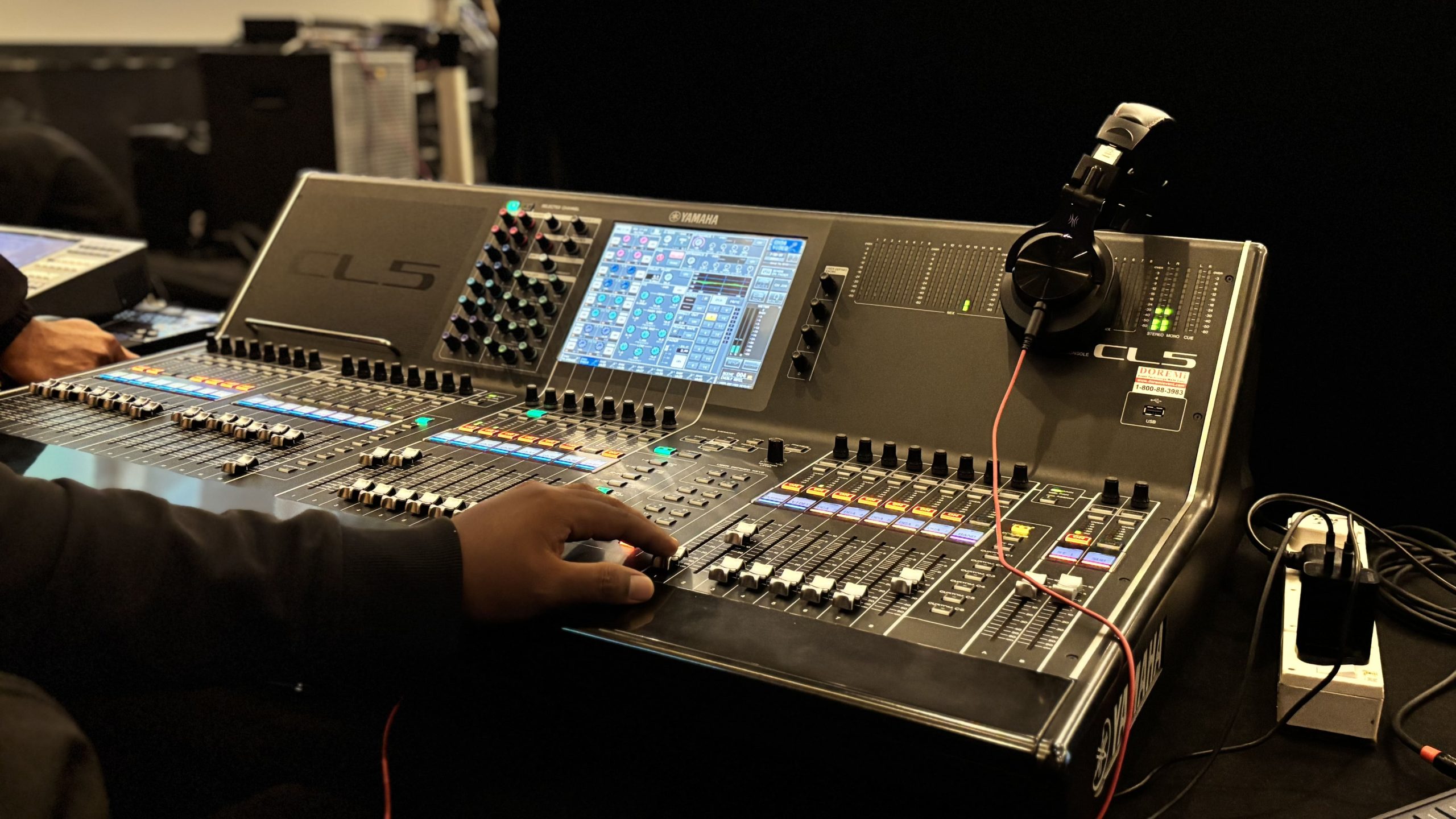
The following timeline is a useful starting point for event organisers.
| Time before event | Recommended AV planning |
| 6–12 months | Start planning for large or complex events and discuss AV requirements |
| 4–6 months | Confirm AV provider, venue information and preliminary equipment requirements |
| 2–4 months | Finalise equipment, technical design, layouts and production requirements |
| 4–8 weeks | Confirm programme, content, logistics, technical crew and equipment list |
| 1–2 weeks | Final technical checks, content testing and production walkthrough |
| Event day | Setup, testing, rehearsal and show operation |
This is not a rigid deadline. A small event may require much less time, while a large production may need significantly more.
One published AV booking guide, for example, suggests around 12–16 weeks for gala dinners and exhibitions and 10–12 weeks for conferences and corporate events, while another recommends beginning larger or more complex productions several months ahead.
The key is to match the planning period to the complexity of the event.
6–12 Months Before: Start the Conversation
For a large conference, exhibition, product launch, gala dinner, concert or major corporate event, AV planning can begin soon after the event concept and venue options are established.
At this stage, you do not necessarily need a final equipment list.
Instead, discuss the overall event.
Consider:
- Event date and duration
- Venue and possible venue options
- Estimated audience size
- Stage concept
- Event format
- Number of programme areas
- Presentation requirements
- LED screen or projection requirements
- Sound requirements
- Lighting concept
- Live entertainment
- Photography and video
- Livestreaming or hybrid participation
- Rigging requirements
- Expected budget
This early discussion allows the AV provider to understand what the event is trying to achieve.
For large productions, it may also be useful to involve the AV team during venue selection. A venue may look suitable from an event-planning perspective but have technical limitations involving ceiling height, rigging, power, loading access or room dimensions.
The Catalyst Companies recommends beginning AV consultation 6–12 months before major events and using this period to establish goals, format, budget and potential providers.
4–6 Months Before: Confirm the AV Partner
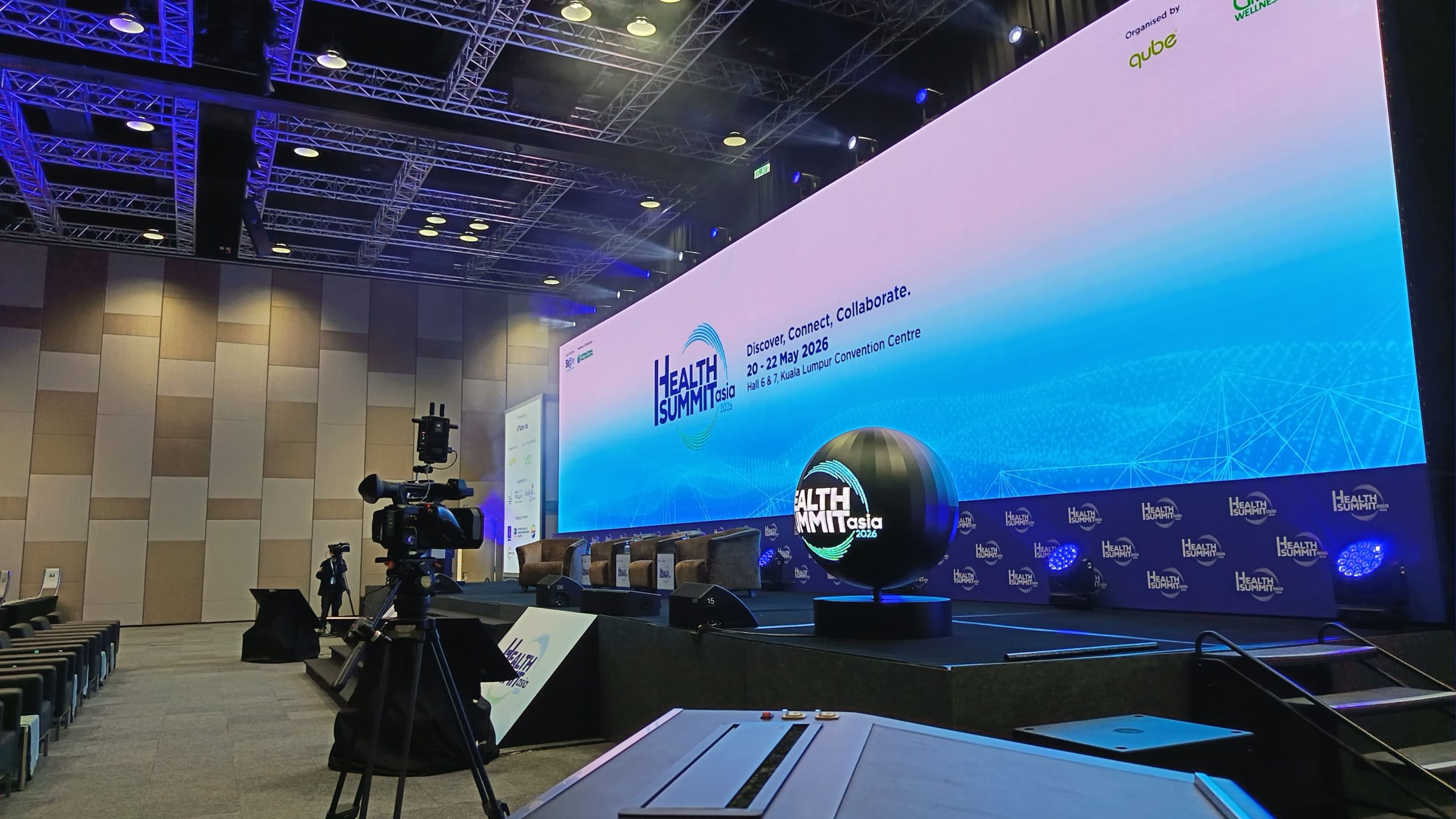 Once the venue and general event concept are more established, the technical planning can become more detailed.
This is a suitable stage to confirm your audio visual equipment rental provider for larger events.
The AV team can begin reviewing:
Venue floor plans
These help determine screen positions, speaker locations, stage dimensions, audience sightlines and technical control areas.
Power availability
LED screens, sound systems, lighting and other equipment can create significant electrical requirements. Power planning should happen before the equipment arrives.
Rigging
If lighting, speakers, LED displays or other equipment will be suspended, the venue’s rigging requirements need to be understood early.
Load-in and load-out
Large equipment requires time, access and appropriate routes into the venue. Delivery schedules may also need to be coordinated with the venue and other suppliers.
Stage layout
The stage affects microphones, speakers, screens, lighting, cameras and presenter movement.
At this stage, an experienced AV provider can also identify potential technical problems before they become event-day problems.
DOREMi’s AV services, for example, are planned according to venue size and event requirements, with consideration given to audience size, screen, audio and lighting requirements, indoor or outdoor conditions and technical coordination.
2–4 Months Before: Finalise the Technical Plan
By this point, the event should have a clearer structure.
The AV provider can begin converting the event requirements into a detailed technical plan.
This may include:
- Final equipment quantities
- LED screen dimensions
- Projector specifications
- Speaker configuration
- Microphone requirements
- Stage monitor requirements
- Lighting fixtures
- Camera positions
- Video switchers
- Presentation systems
- Playback systems
- Confidence monitors
- Signal distribution
- Control positions
- Technical crew
- Backup equipment
- Cable requirements
This is also the stage to consider the programme itself.
A conference with five speakers requires a different microphone strategy from a panel discussion. A product launch with a major reveal may require more complex video and lighting cues than a straightforward corporate presentation.
Similarly, an exhibition may need multiple independent AV zones rather than one central system.
The earlier these details are discussed, the easier it becomes to build an integrated audio visual equipment rental solution.
4–8 Weeks Before: Confirm the Details
Around one to two months before the event, attention should shift towards operational details.
The equipment list may already be largely confirmed, but there are still important questions to resolve.
Has the programme changed?
Are there new speakers?
Has the stage become larger?
Are additional microphones required?
Has the client added another LED screen?
Will there be a livestream?
Are presentations being delivered from different computers?
Will the event include videos, animations or live camera feeds?
Has the venue changed its loading schedule?
These changes may appear small individually, but several changes together can affect the technical setup.
This is also a good period to provide the AV team with presentation content and media requirements where possible.
File formats, video resolutions, aspect ratios and playback requirements can be checked before event day instead of being discovered during the final setup.
1–2 Weeks Before: Test and Rehearse
The final weeks should be about verification rather than major design changes.
The AV team can review:
- Final equipment list
- Event run sheet
- Speaker requirements
- Presentation files
- Video content
- Lighting cues
- Camera requirements
- Livestream requirements
- Delivery schedule
- Venue access
- Technical crew
- Backup equipment
- Emergency contacts
A technical walkthrough or rehearsal can identify problems that may not be obvious on paper.
For example, a presentation may appear correctly formatted on a laptop but display incorrectly on the event screen. A presenter may require a confidence monitor that was not included in the original plan. A camera may have an obstructed view because of a newly adjusted stage layout.
The Catalyst Companies recommends a final technical walkthrough and rehearsal close to the event, after earlier planning, site visits and equipment confirmation have been completed.
Does Every Event Need Months of AV Planning?
No.
The booking timeline should reflect the scale and complexity of the event.
Small Meetings
A small internal meeting may only require a display, presentation system and a few microphones.
If the venue and event format are straightforward, a few weeks may be sufficient.
Workshops and Seminars
A workshop may require microphones, speakers, displays, presentation systems and possibly recording.
Around one to two months can provide a comfortable planning window, particularly if multiple rooms are involved.
Corporate Conferences
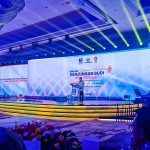
Conferences often involve multiple speakers, presentation content, stage lighting, LED screens, microphones, video playback and technical operators.
A longer planning period is useful because the systems need to work together.
Product Launches
Product launches may include dramatic lighting, LED screens, video content, music, stage effects, product reveals and multiple presentation cues.
The AV system therefore needs to be considered as part of the event design rather than as simple equipment hire.
Exhibitions
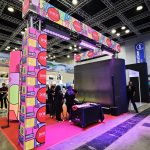
Exhibitions can involve multiple booths, distributed screens, presentation areas, sound systems and long operating periods.
Equipment quantities and logistics can become more complicated when several areas need to operate simultaneously.
Gala Dinners and Award Nights
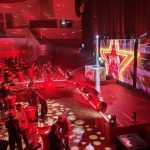
Award nights typically combine dinner service, speeches, presentations, entertainment, stage lighting, sound, screens and award presentation cues.
Because the event moves through several different programme segments, the technical team needs time to prepare and rehearse those transitions.
Concerts and Large Productions
Large-scale productions should be discussed as early as possible.
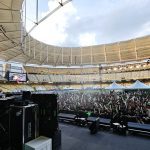
They can involve extensive staging, sound systems, lighting, LED screens, video production, rigging, power distribution, technical operators and multiple rehearsal periods.
What Happens If You Book Too Late?
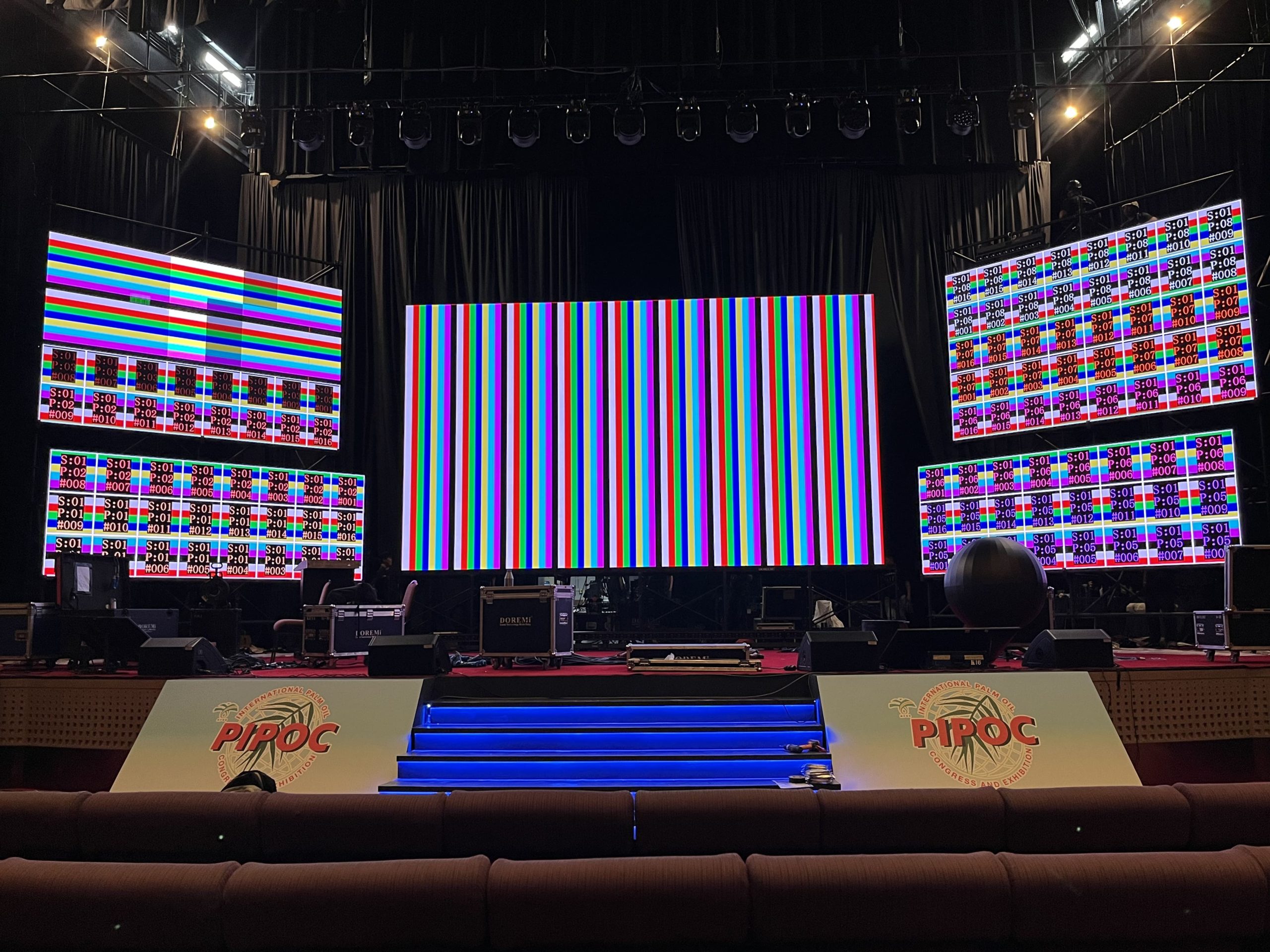 Late audio visual equipment rental does not automatically mean that your event cannot happen.
However, your available options may become narrower.
The first issue is equipment availability.
Popular equipment such as LED screens, wireless microphones, professional sound systems, lighting fixtures and specialised video equipment may already be allocated to other events.
The second issue is technical design time.
If the AV provider receives the requirements only a few days before the event, there may be limited time to conduct a proper site assessment, prepare drawings or resolve venue restrictions.
The third issue is crew availability.
A large event may require technicians with specific experience in audio, lighting, video, livestreaming or show operation.
The fourth issue is rehearsal time.
A rushed setup leaves less opportunity to identify problems before guests enter the venue.
AV Productions similarly notes that late booking can affect equipment availability, customisation, rehearsal time, venue coordination and technical staffing.
Which AV Equipment Should Be Booked First?
Not every piece of equipment needs to be locked in at exactly the same time.
Priority should generally be given to equipment that is:
High demand:
LED screens, professional sound systems, wireless microphones and specialised lighting may be heavily requested during busy periods.
Large scale:
Large LED walls, complex speaker systems or extensive lighting rigs require more planning and logistics.
Specialised:
Livestreaming systems, video switching, interpretation systems and unusual technical equipment may require specialist crew or preparation.
Venue dependent:
Equipment involving rigging, large displays or specific power requirements should be discussed early because venue restrictions can affect the solution.
The objective is not simply to reserve equipment.
It is to make sure the equipment, crew and venue can work together.
Peak Seasons Can Change the Timeline
Event demand is not always evenly distributed throughout the year.
If your event falls during a particularly busy period, it may be sensible to start the AV conversation earlier.
This is especially relevant for:
- Major corporate events
- Annual dinners
- Award ceremonies
- Exhibitions
- Conferences
- Product launches
- Concerts
- Government events
- Large public events
An AV provider may have sufficient equipment inventory but limited technicians or transport capacity on a particular date.
That means audio visual equipment rental availability is not only about whether a piece of equipment exists in the warehouse.
It is also about whether the complete technical team and logistics operation can support the event at the required time.
What Information Should You Give Your AV Provider?
You do not need to have every technical answer before contacting an AV company.
A good starting enquiry should include:
Event date:
Give the exact date and, if known, setup and dismantling dates.
Venue:
Provide the venue name and location.
Event type:
Conference, exhibition, product launch, gala dinner, concert, meeting or another format.
Audience size:
Estimated attendance helps determine sound coverage and visual requirements.
Programme:
Share a draft run sheet if available.
Stage:
Include the approximate stage size or concept.
Visual requirements:
Mention LED screens, projection, presentations, videos or live camera feeds.
Audio requirements:
Mention microphones, speeches, performances, panel discussions or music.
Lighting:
Explain whether you require basic stage lighting, corporate lighting, decorative lighting or a more programmed production.
Technical support:
Mention whether you need technicians for setup, operation and event-day support.
Venue restrictions:
Share any information you already have about rigging, power, loading access or house AV.
The more context the AV provider has, the easier it becomes to recommend the appropriate solution.
Don’t Wait Until You Know Everything
One common misconception is that you should only contact an AV provider after the event programme and every equipment requirement have been finalised.
In reality, early consultation can help shape those decisions.
If you know that your event will involve a large LED screen, for example, the AV team can help you think about viewing distance, stage dimensions, content format, power and installation requirements.
If you know that the event will be hybrid, the AV team can consider cameras, microphones, audio return, streaming and internet requirements early.
If you know the event is outdoors, the technical plan can account for sunlight, weather, power, audience distribution and environmental conditions.
Early audio visual equipment rental planning therefore does not mean knowing every detail immediately.
It means giving the technical team enough time to help develop the details.
How DOREMi Approaches AV Planning
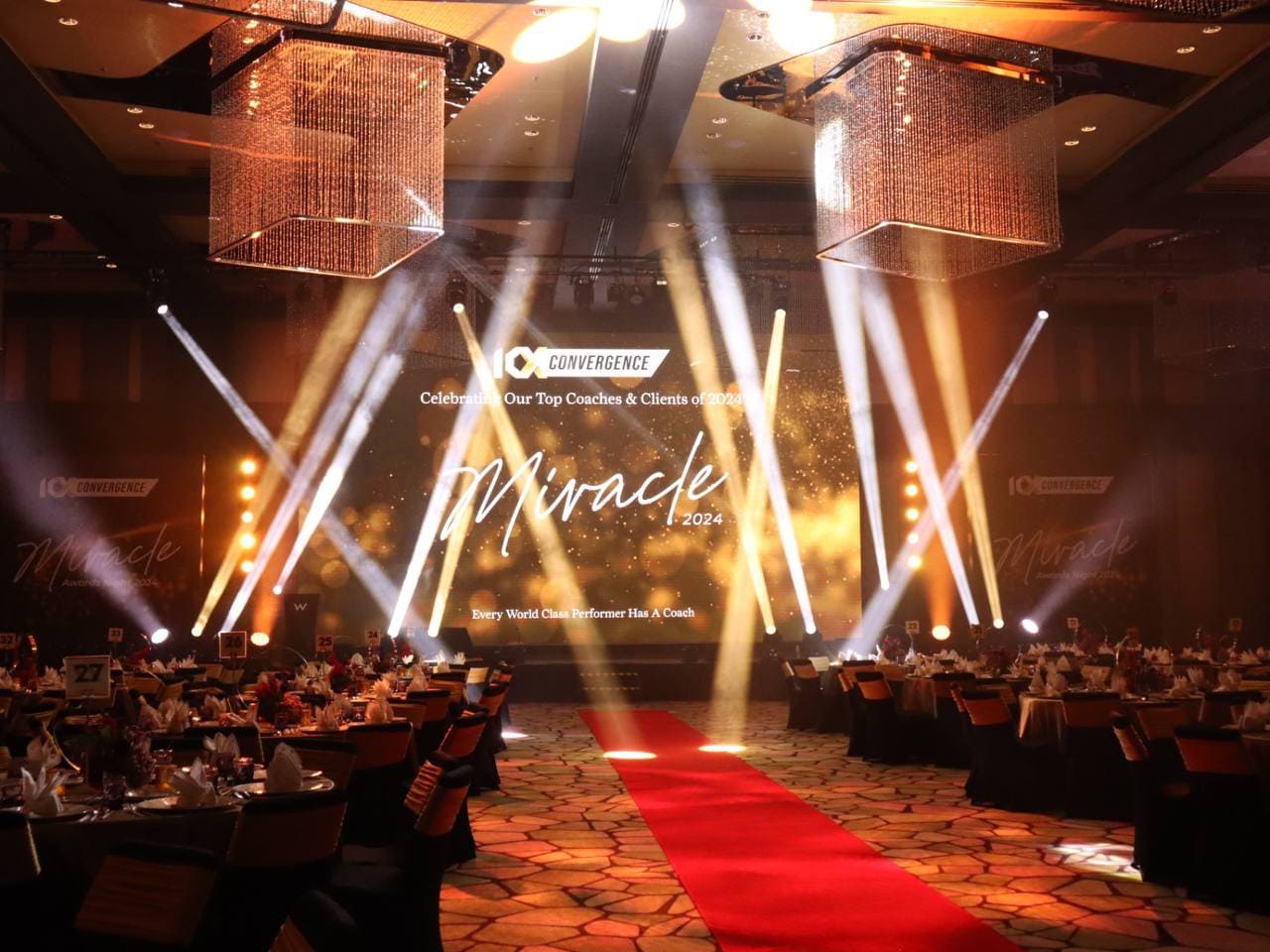 DOREMi provides audio visual equipment rental solutions for corporate events, conferences, exhibitions, product launches, concerts and other live events across Malaysia. Its AV solutions can include LED screens, projectors, sound systems, lighting, video systems and technical coordination depending on the event requirements.
The company also provides wider event production support covering areas such as audiovisual production, lighting, projection, staging, rigging, backups and technical aspects of event execution.
This type of integrated planning is particularly useful when an event involves several technical systems that need to work together.
Rather than asking only, “What equipment do we need?”, the planning process can consider:
What does the audience need to see?
What does the audience need to hear?
How does the programme move from one segment to another?
What does the venue allow?
How will the system be operated?
What happens if something fails?
Those questions help turn equipment rental into a complete technical solution.
A Simple Rule for Event Organisers
If you want one simple principle to remember, use this:
The more complex the event, the earlier you should involve your AV provider.
For a simple meeting, several weeks may be enough.
For a corporate conference, begin planning several months ahead.
For a large exhibition, gala dinner, product launch or complex production, consider involving your AV partner as soon as the venue and event concept are taking shape.
And if your event is already approaching, do not assume it is too late.
Contact an AV provider with the information you have. They can assess the date, requirements, equipment availability and technical scope and advise what can realistically be arranged.
Frequently Asked Questions
How early should I book audio visual equipment rental?
There is no universal deadline. Simple events may be arranged within several weeks, while conferences, exhibitions, gala dinners and larger productions can benefit from several months of planning. The earlier you involve the AV provider, the more time there is for equipment selection, venue coordination, testing and rehearsal.
Can I still book AV equipment if my event is only a few weeks away?
Yes, depending on equipment, crew and date availability. A short lead time may reduce the range of available options, so it is worth contacting an AV provider as soon as possible.
Should I book AV before finalising my event programme?
For larger events, early AV consultation can be useful even when the programme is still developing. The AV team can identify technical requirements and help plan around the expected event format.
What equipment should I reserve early?
High-demand or specialised equipment such as LED screens, professional sound systems, wireless microphones, lighting systems and livestreaming equipment can be worth discussing early, particularly for large or peak-season events.
Does AV rental include technical support?
This depends on the provider and service package. Professional AV services may include delivery, setup, testing, technical operation and onsite support. Confirm the exact scope when requesting a quotation.
Why is an AV site visit important?
A site visit allows the technical team to assess the venue layout, audience area, stage, power, rigging, loading access and other practical conditions before designing the system.
Further Reading
Timeline for Booking AV Equipment: When to Start Planning — AV Productions
This guide provides a practical booking timeline ranging from smaller meetings to conferences, product launches, gala dinners and exhibitions. It also discusses site checks, specialised equipment, rehearsals and the risks of leaving AV planning too late.
Event Planning Timeline: When to Book Your AV Team — The Catalyst Companies
This article breaks AV planning into stages from initial consultation and provider selection through technical planning, rehearsals and final checks. It is particularly useful for understanding why AV planning needs to happen alongside other event logistics.
Read the Catalyst Companies guide
Planning Audio Visual Equipment Rental for Your Event?
AV should not be treated as the final item on an event checklist.
Sound, visuals, lighting, staging and technical support all influence how the audience experiences the event. Giving your AV partner enough time allows the technical requirements to be considered alongside the venue, programme, content and event logistics.
DOREMi provides professional audio visual equipment rental solutions for events across Malaysia, with AV systems planned around venue requirements, audience size, event format and technical objectives.
Whether you are planning a corporate conference, exhibition, product launch, gala dinner, concert or outdoor event, early technical planning can give your team more time to coordinate the equipment, crew and venue requirements.
Speak with DOREMi’s event technology specialists to discuss your event requirements and plan an AV solution that is ready for show day.