When you look at a professional event stage, you may notice a metal framework surrounding the LED screen, lighting fixtures or other technical equipment.
That framework is usually a truss system.
Although it may look like a simple collection of metal beams, truss plays an important role in event production. It can provide a structure for mounting lighting, LED screens, speakers, banners and other equipment while also contributing to the overall appearance of a stage.
For event organisers considering stage rental, understanding what truss does can make it easier to discuss stage design, equipment requirements and venue limitations with an event production company.
So, what exactly is a truss, and why is it used so often at events?
What Is a Truss?
A truss is a structural framework made from interconnected sections designed to distribute loads efficiently.
Event trusses are commonly manufactured from aluminium because it provides a useful combination of strength and relatively low weight. Truss sections are connected using specialised connectors and can be assembled into different configurations depending on the application.
The framework typically uses a triangular or lattice-like arrangement. This geometry helps distribute forces through the structure rather than concentrating the load in a single straight beam.
At events, trusses can be used to create structures above, beside or around a stage. They may support lighting fixtures, LED screens, speakers, banners, scenic elements and other technical equipment.
Professional truss systems are available in different shapes, sizes and load capacities, so the appropriate system depends on what the structure needs to support and how it will be configured.
For an event organiser, the important point is simple:
Truss is not just decoration. It is part of the temporary structure that allows technical equipment and event elements to be positioned safely and effectively.
Why Is Truss Used at Events?
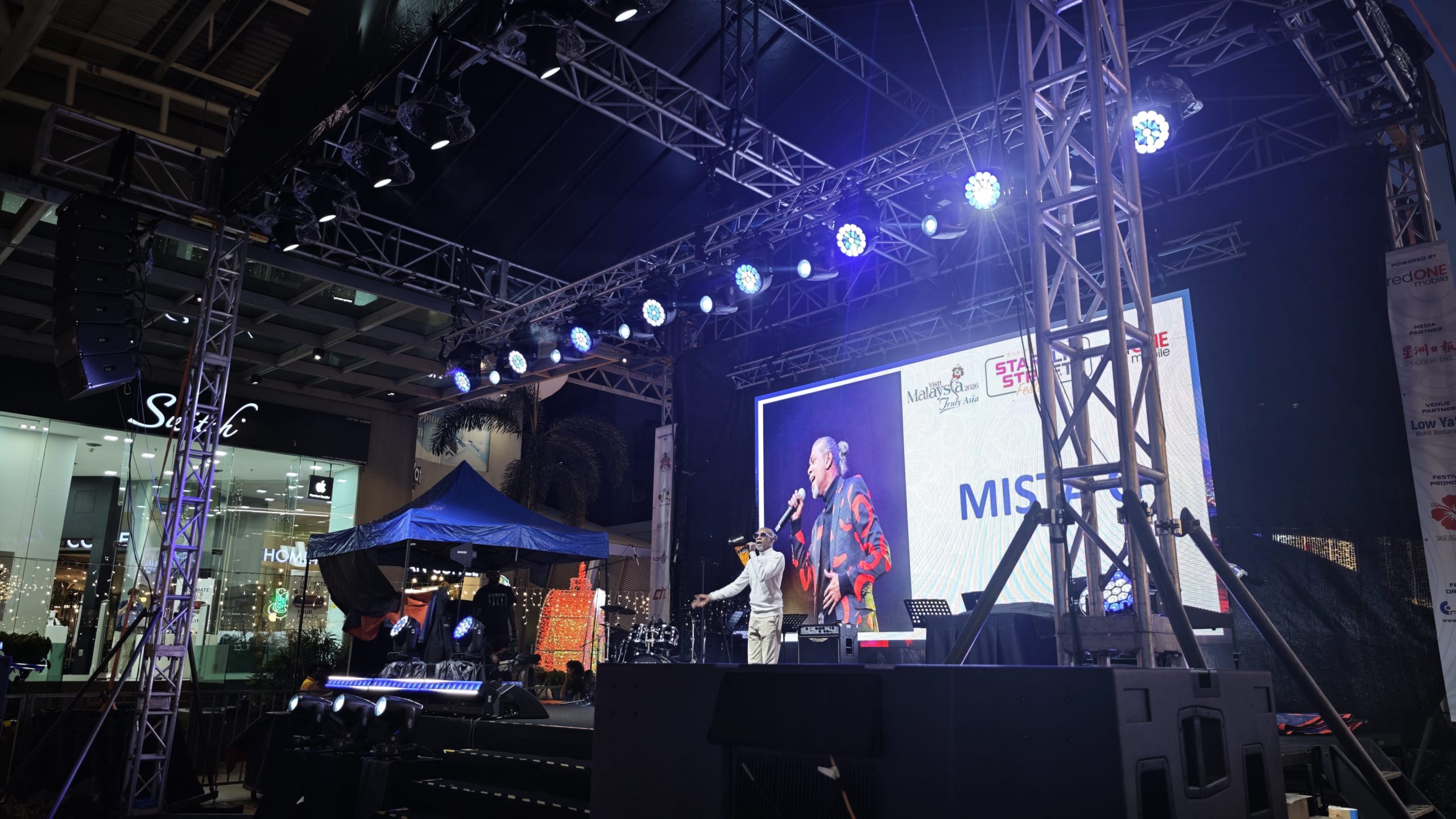 The main reason truss is used is to create a practical framework for event equipment.
Without a suitable structure, lighting fixtures, LED displays, speakers and decorative elements would have fewer options for positioning.
A truss system can help create:
- Lighting structures
- LED screen support
- Speaker support
- Stage roofs
- Exhibition structures
- Branding frames
- Decorative structures
- Technical portals
- Ground-support systems
It also provides flexibility because individual truss sections can be combined into different configurations.
This modular nature is one reason truss is widely used across concerts, exhibitions, corporate events, conferences, product launches and other productions.
Truss and Stage Rental: How Are They Connected?
When an organiser requests stage rental, the stage itself is only one part of the overall setup.
A stage provides the platform where speakers, performers or presenters appear. The truss structure can provide the framework around or above that stage for technical equipment.
For example, a corporate conference might require:
- A raised stage
- LED screen
- Stage lighting
- Speakers
- Microphones
- Presentation equipment
- Branding
- Truss structure
The stage supports the people and equipment at floor level, while the truss can support or position some of the technical elements above and around the stage.
This is why staging and truss are often planned together.
DOREMi’s current stage rental service, for example, offers customised indoor and outdoor staging and identifies truss systems as one of its capabilities, including truss for ground support and canopy applications.
What Can Be Attached to a Truss?
One of the major advantages of a truss system is its ability to support different event technologies.
Lighting
Lighting fixtures are among the most common pieces of equipment attached to event truss.
Moving heads, profile lights, wash lights and other fixtures can be positioned at different heights and angles to illuminate the stage and audience area.
This gives the lighting designer greater control over the visual environment.
LED Screens
Truss can also form part of an LED screen support structure.
Depending on the screen size and design, the structure may support or integrate with the display while maintaining the required position and viewing angle.
Large LED screens require careful structural planning because their size and weight can significantly affect the supporting structure.
Audio Equipment
Speakers and other audio equipment can sometimes be incorporated into truss structures or associated support systems.
However, the specific method depends on the equipment, structural configuration and manufacturer’s requirements.
Audio placement also needs to consider audience coverage and sightlines rather than simply finding somewhere to attach the speaker.
Branding and Decorative Elements
Truss is not limited to technical equipment.
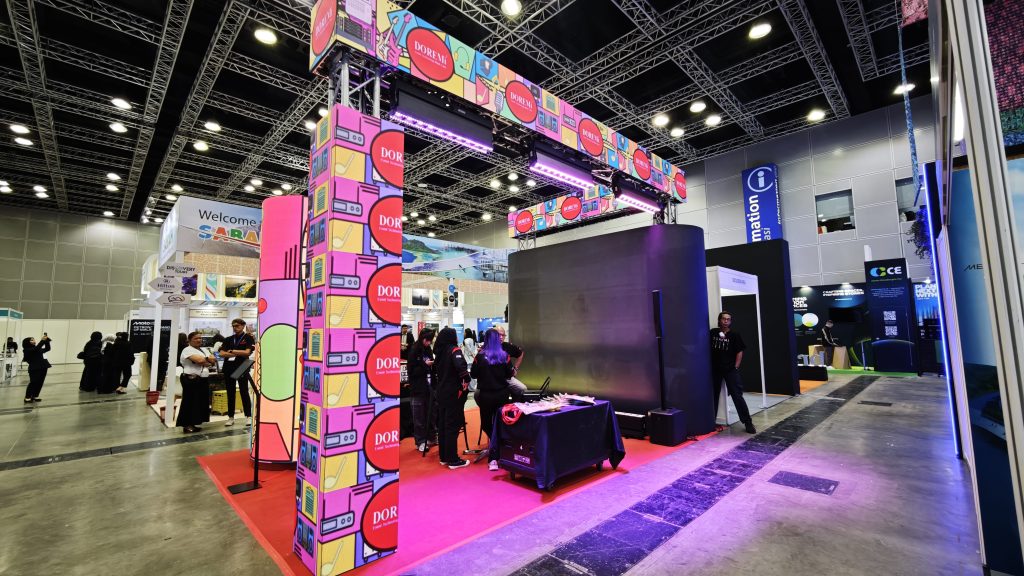
It can also be used to create frames for banners, fabric, signage and other decorative elements.
This is particularly common at exhibitions and corporate events where the structure itself can become part of the visual design. DOREMi’s exhibition truss guidance describes truss as a framework for lighting, audio equipment and branding displays.
Different Types of Truss
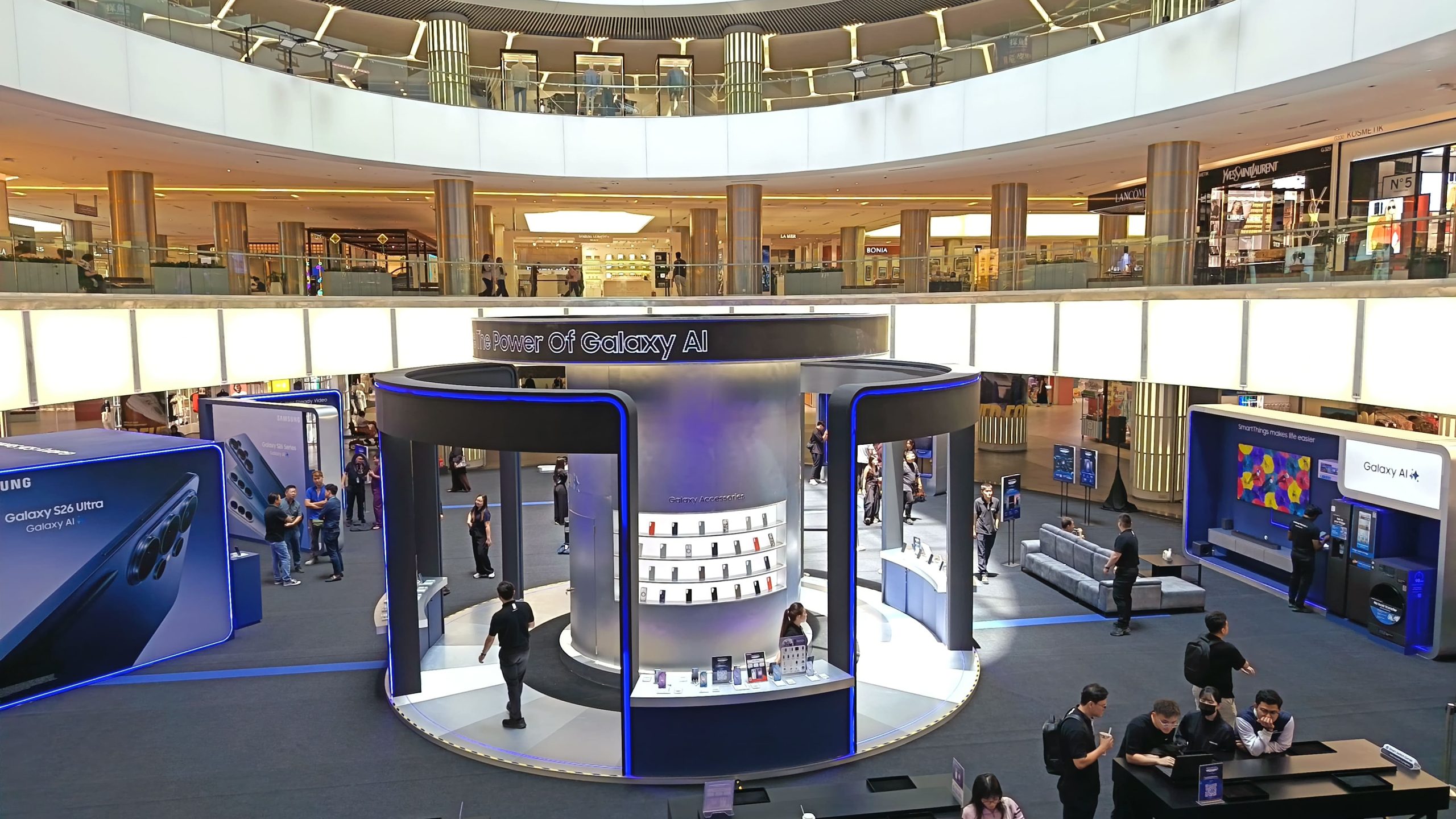 Not every truss looks the same.
The appropriate configuration depends on the application, required load and structure.
Triangular Truss
Triangular truss uses a three-sided profile and can be suitable for certain lighting, display and decorative applications.
Square Truss
Square or box truss provides a four-sided structural profile and is commonly used in stage and event applications.
It can be used to create overhead structures, portals and other larger configurations.
Flat Truss
Flat truss has a lower-profile design and can be useful where the structural requirements do not require a larger three- or four-sided section.
Circular or Curved Truss
Curved truss can be used when the event design requires circular or non-linear structures.
This can be useful for creative stage designs, exhibition features and decorative installations.
Audio Effetti’s truss guide identifies flat, triangular, square and rectangular configurations, with different sizes and load capacities for different applications.
The important thing is not to choose a truss simply because it looks suitable.
The configuration needs to be appropriate for the intended load and installation.
How Truss Supports Stage Design
One of the reasons truss is valuable in modern event production is that it combines function and design.
A basic stage can provide a platform for a speaker, but a truss structure can help transform the area into a complete visual environment.
For example, a product launch might use an overhead truss structure containing lighting fixtures, with an LED screen positioned behind the presenter.
An award night might use a larger truss arrangement around the stage to create a defined presentation area.
An exhibition could use smaller truss structures to create branded spaces and display areas.
This flexibility allows event designers to create structures that are practical without making the technical equipment look disconnected from the overall event design.
DOREMi describes truss structures as a combination of structural functionality, safety and visual design, with applications ranging from concerts and festivals to corporate productions.
Ground Support vs Suspended Truss
Truss does not always need to be suspended from a venue ceiling.
There are two broad approaches that event organisers may encounter.
Suspended Truss
Suspended truss is supported from an approved overhead structure or venue rigging points.
It can be useful when lighting or other equipment needs to be positioned above the audience or stage without using floor-supported towers.
However, suspended structures require careful coordination with the venue because the available rigging points, allowable loads and installation requirements vary between venues.
Ground-Supported Truss
Ground-supported truss uses towers, bases or other structural components to support the overhead framework from the floor.
This can be useful in venues where overhead rigging is unavailable or where the event design requires an independent structure.
Ground support is also common in outdoor event applications.
The appropriate approach depends on the venue, structure, equipment loads and event requirements.
Why Load Capacity Matters
This is one of the most important points when discussing truss.
A truss is not automatically capable of supporting any equipment simply because it looks strong.
Every structural configuration has limitations.
The load capacity can depend on factors such as:
- Truss type
- Truss dimensions
- Span length
- Equipment weight
- Load distribution
- Support positions
- Connection method
- Installation configuration
- Environmental conditions
For example, two lighting fixtures positioned close together may create a different loading situation from several fixtures distributed across a long span.
Professional truss systems therefore come with technical information specifying their characteristics and allowable applications. Audio Effetti notes that manufacturer documentation should identify load capacity and physical characteristics, while also emphasising that correct assembly and inspection are critical to structural safety.
This is why event organisers should leave structural calculations and configuration decisions to qualified technical professionals rather than selecting truss based only on appearance.
Truss Safety Is More Than the Metal Structure
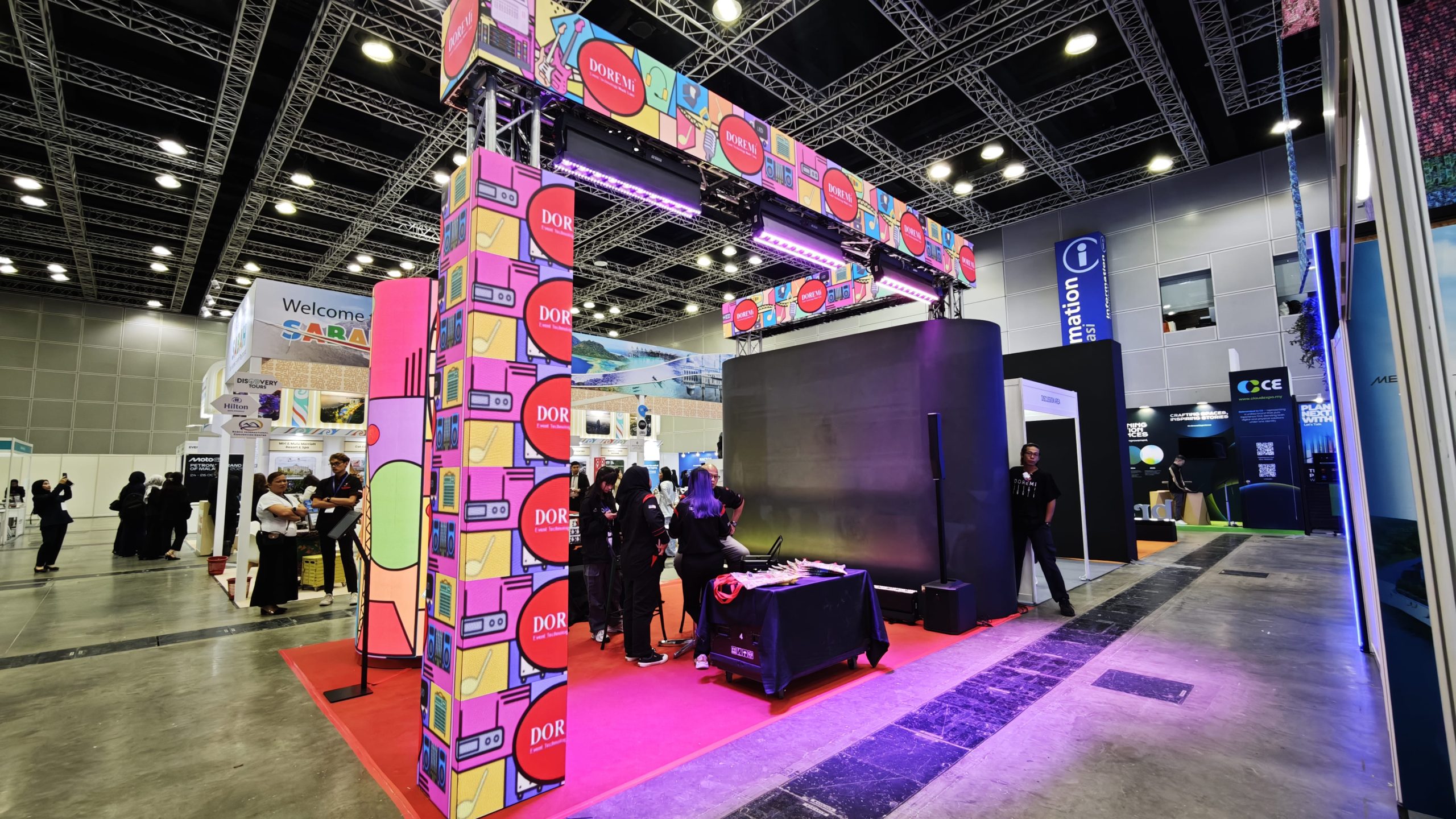 A professional truss setup involves more than assembling aluminium sections.
The entire structure needs to be considered as a system.
That includes:
- Correct truss components
- Appropriate connectors
- Base plates or support structures
- Clamps and couplers
- Equipment attachment points
- Safety cables
- Hoists or lifting equipment where applicable
- Load calculations
- Structural inspection
- Venue requirements
- Environmental conditions
Every piece of equipment attached to the structure also contributes to the overall load.
This becomes especially important for outdoor events.
Wind can introduce additional forces, while large LED screens can present significant surface area to the wind. DOREMi’s guidance on outdoor trussing highlights the need to consider equipment weight, span and wind loads when determining structural stability.
For this reason, outdoor truss structures require additional planning rather than simply using the same setup as an indoor event.
Does Every Stage Need Truss?
No.
Not every event requires a large truss structure.
A small meeting or simple presentation may only need a stage, screen and basic lighting.
However, truss becomes more useful when an event requires multiple lighting fixtures, larger LED displays, overhead structures, branding elements or a more elaborate stage design.
The decision should therefore be based on the event’s technical and visual requirements.
For example:
| Event | Possible truss application |
| Corporate conference | Stage lighting and screen support |
| Product launch | Lighting, LED screen and branding |
| Award night | Stage lighting and decorative structure |
| Concert | Lighting, speakers, LED screens and stage roof |
| Exhibition | Branding frames and display structures |
| Outdoor event | Ground support, lighting and screen structures |
| Festival | Stage roof, lighting, audio and visual equipment |
The goal is not to use as much truss as possible.
The goal is to use the right structure for the event.
When Should Truss Be Considered During Stage Rental Planning?
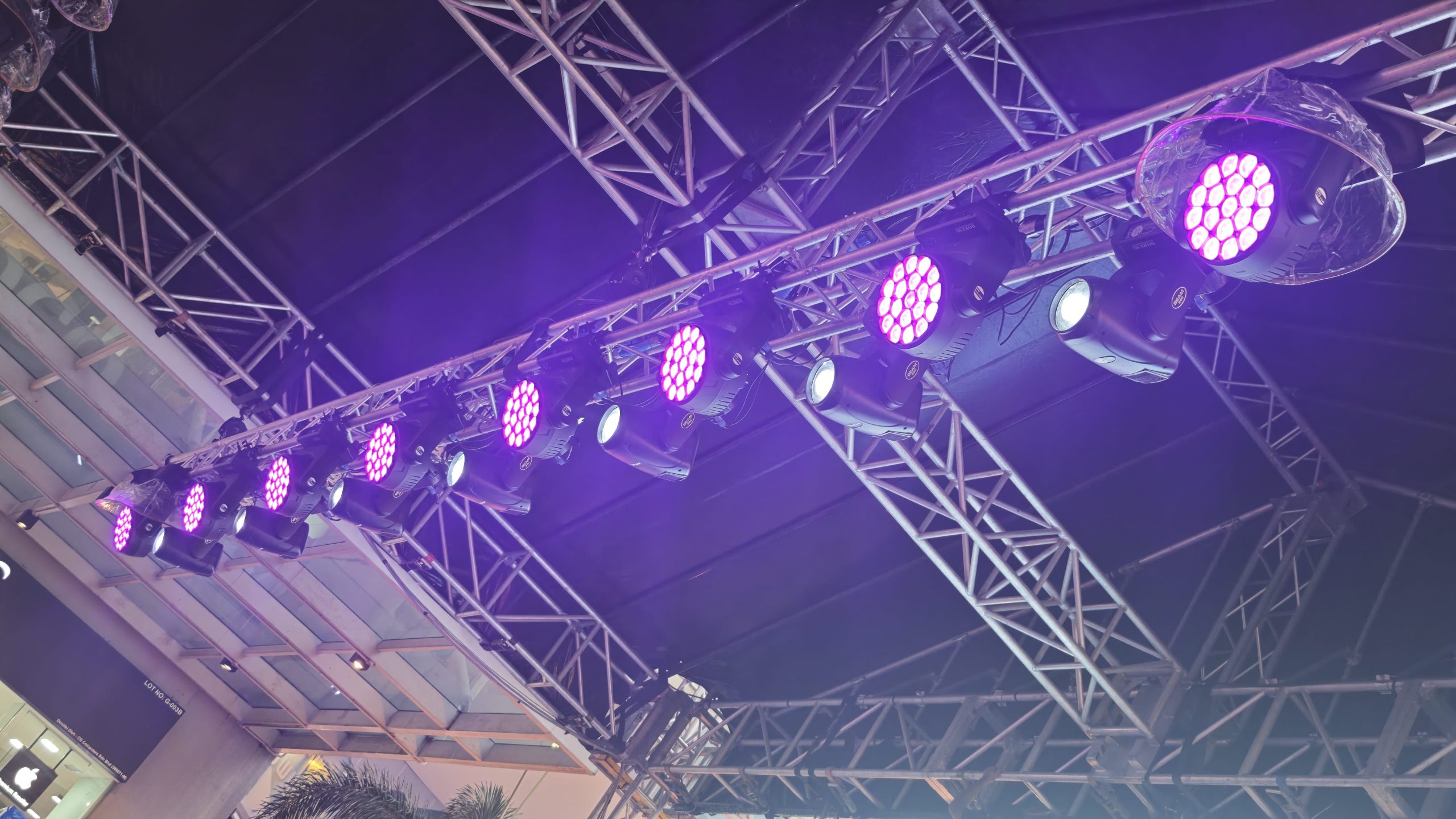 Truss should be discussed early when requesting stage rental, particularly if the event involves significant technical equipment.
Instead of asking only for a stage size, provide the event company with information about:
Stage dimensions
How wide, deep and high should the stage be?
LED screen
What screen size is required, and where should it be positioned?
Lighting
How many fixtures or what type of lighting design is expected?
Audio
Will speakers need to be positioned on or around the structure?
Venue
Is the event indoors or outdoors? What are the ceiling height and available rigging options?
Programme
Will there be speeches, performances, award presentations or other activities?
Branding
Will banners, signs or decorative elements be incorporated?
Event duration
How much time is available for installation, testing and dismantling?
These details help the technical team determine whether truss is required and what type of structure may be appropriate.
Common Mistakes When Planning Event Truss
Treating Truss as Decoration
Truss can look visually impressive, but its primary purpose is structural and technical.
It should be selected based on its intended application rather than appearance alone.
Choosing Equipment Before Considering the Structure
A large LED screen or extensive lighting rig can significantly change the structural requirements.
The structure should be planned together with the equipment.
Ignoring Venue Restrictions
A venue may have specific rules regarding suspended equipment, rigging points, floor loading or approved contractors.
These requirements should be confirmed before finalising the design.
Underestimating Installation Time
Large truss structures require transportation, assembly, lifting, securing and inspection.
The setup schedule should allow enough time for the work to be completed properly.
Forgetting Outdoor Conditions
Wind and weather can change the structural requirements of an outdoor setup.
An outdoor truss system should never simply be treated as an indoor structure moved outside.
Truss and the Overall Event Production
A well-planned truss system should work together with the rest of the production.
The stage, LED screen, lighting, sound system, rigging, branding and audience sightlines should be considered as one environment.
For example, positioning a large LED screen without considering the truss structure could create problems with support, viewing angles or available space.
Similarly, adding more lighting fixtures after the structure has already been designed could change the loading requirements.
Integrated planning helps prevent these issues.
This is especially relevant when stage rental is part of a larger event production package.
Instead of treating the stage, truss, lighting and LED screen as completely separate requirements, the technical team can plan how they interact.
Frequently Asked Questions
What is a truss at an event?
A truss is a structural framework used to support or position equipment and event elements such as lighting, LED screens, speakers, banners and decorative features.
Why is aluminium commonly used for event truss?
Aluminium offers a useful combination of relatively low weight and structural strength, making it practical for modular event structures.
Does every stage require a truss?
No. Small or simple events may not require truss. It becomes more useful when an event requires overhead lighting, larger screens, technical equipment, branding structures or more elaborate stage designs.
Can truss support an LED screen?
Truss can form part of an LED screen support structure, but the exact configuration depends on the screen’s size, weight, structural design and installation method.
Can truss be used outdoors?
Yes, but outdoor structures require additional consideration for wind, weather, ballast, structural stability and other environmental conditions.
Is truss part of stage rental?
It can be. Stage rental packages vary, so organisers should discuss whether truss, lighting, LED screens and other technical structures are included or quoted separately.
Further Reading
Guide to Truss System and Its Application for Your Events — DOREMi
A practical introduction to event truss systems covering their structural, functional and visual applications, including why truss is useful for supporting equipment and creating professional event setups.
All About Trusses: The Complete Guide to Truss Structures for Events, Shows and Professional Installations — Audio Effetti
A more detailed technical guide covering truss shapes, materials, connectors, accessories, load capacity and structural safety for professional event applications.
Read the Audio Effetti truss guide
Planning Stage Rental With the Right Truss Structure
Truss may not be the first thing an event organiser thinks about when planning a stage.
But it can have a major influence on what the stage can support, how equipment is positioned and how the overall production looks.
The right truss system should be selected according to the event’s equipment, venue, structural requirements and design — not simply based on size or appearance.
DOREMi provides stage rental solutions for corporate events, concerts, exhibitions, product launches, performances and other live events in Malaysia. Its staging solutions can be customised according to venue and structural requirements, with truss systems available for applications including ground support and canopy structures.
Whether you are planning a conference with a simple stage or a large production involving LED screens, lighting and technical equipment, discussing the truss requirements early can help create a safer and more practical setup.
Speak with DOREMi’s event technology specialists to discuss your stage, truss and technical requirements and plan a setup around your venue and event.