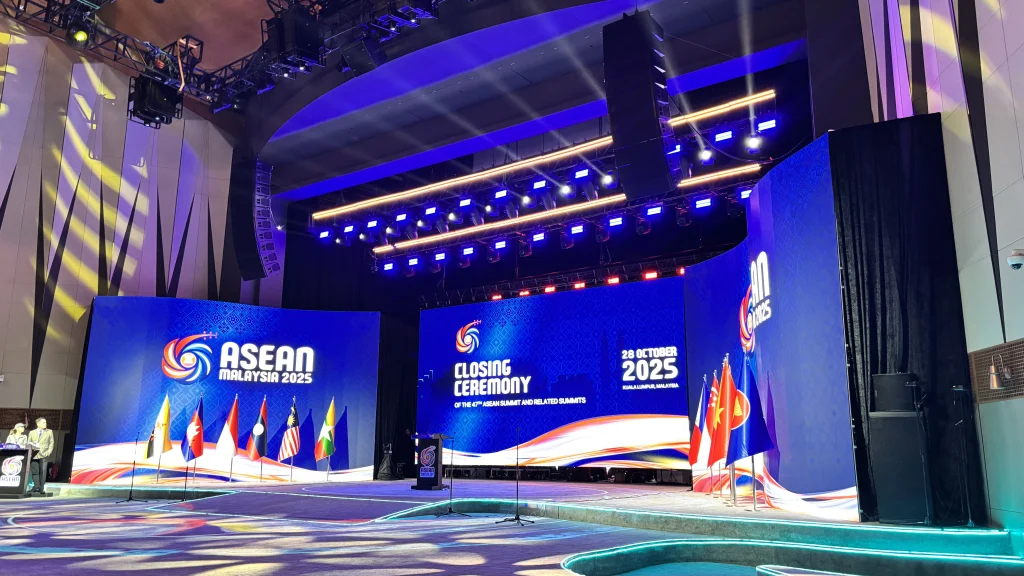
A keynote speech may look simple from the audience’s perspective. A speaker walks on stage, the slides appear perfectly on the LED screen, the microphone sounds clear, lighting changes at the right moment, videos play smoothly, livestream audiences hear every word, and confidence flows naturally throughout the presentation.
But behind every successful keynote lies one of the most technically demanding aspects of live event production: AV integration and multi-device synchronisation.
In 2026, keynote speeches are no longer powered by a single laptop connected to a projector. Modern conferences, summits, product launches, corporate town halls, government forums, and international conventions now depend on complex ecosystems of interconnected devices working together in real time. A single keynote session may involve presentation laptops, confidence monitors, LED walls, livestream systems, wireless microphones, teleprompters, presentation clickers, lighting consoles, video switchers, simultaneous translation systems, remote presenters, recording systems, and audience interaction tools — all of which must remain synchronised without delay, interruption, or signal conflict.
Why AV Integration Matters More Than Ever
Modern audiences expect seamless presentations. Whether attending corporate conferences, trade exhibitions, investor briefings, leadership summits, educational forums, product launches, or hybrid events, audiences now expect professional-grade production standards similar to televised broadcasts.
Even minor AV problems can affect audience confidence, speaker credibility, brand perception, engagement levels, livestream quality, and overall event professionalism. A few seconds of microphone feedback, frozen slides, delayed audio, black screens, or mismatched video feeds can immediately disrupt audience focus. This is why proper AV integration is not simply technical support anymore — it is a strategic part of event experience design.
What Is AV Integration?
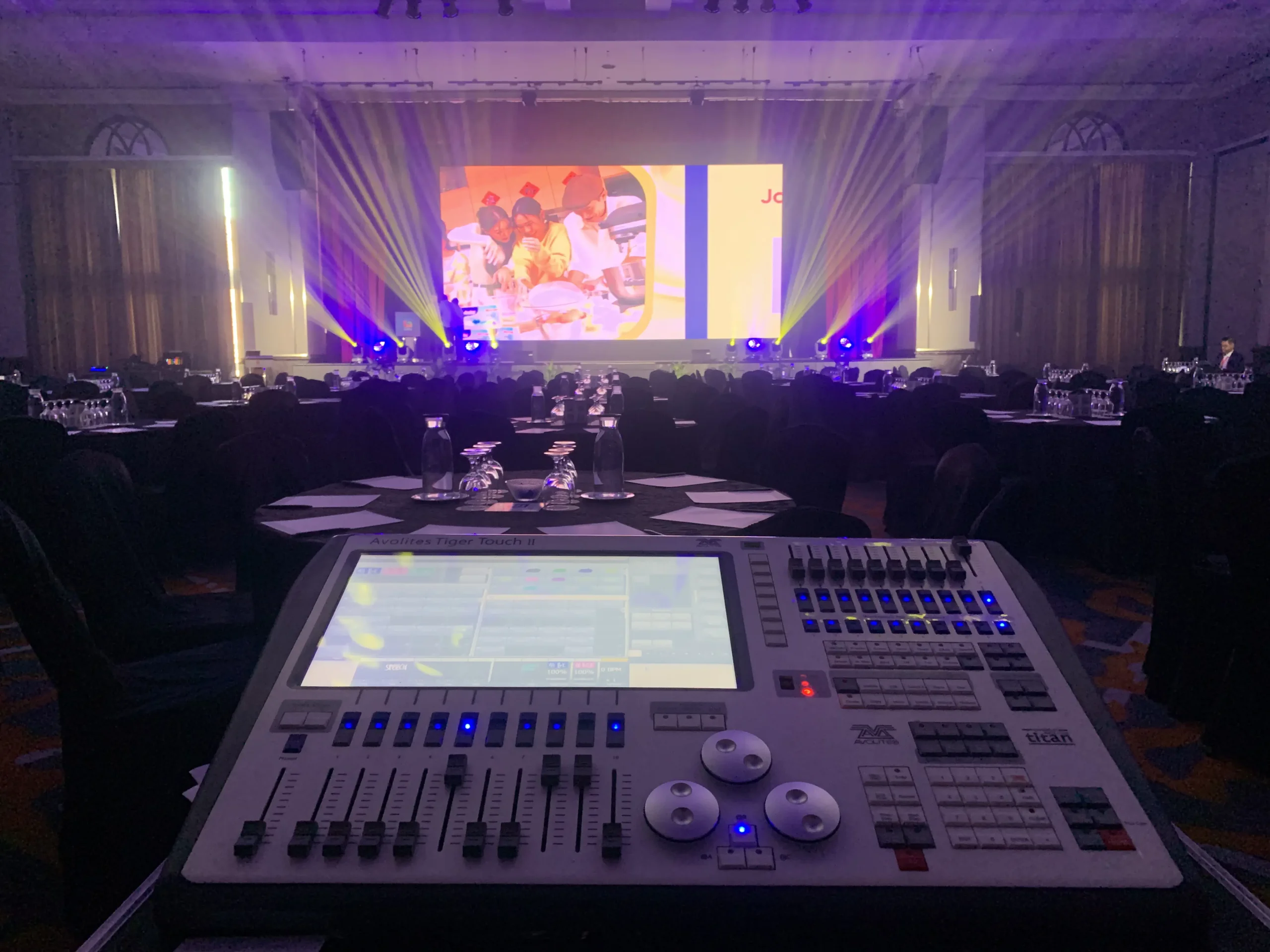
AV integration refers to the process of connecting and managing multiple audio, video, lighting, and communication systems so they operate together smoothly during an event. For keynote speeches, this typically includes audio systems, video playback systems, display technology, streaming systems, switching hardware, presentation software, networking infrastructure, and control systems. The goal is to create one unified production workflow where all devices communicate efficiently and remain synchronised throughout the presentation.
Why Keynote Speeches Are Technically Challenging
Keynotes often appear straightforward, but they are highly sensitive to timing and coordination. Unlike concerts or entertainment performances, keynote sessions rely heavily on precise communication, presentation clarity, flawless transitions, speaker comfort, and audience focus. A keynote speaker may simultaneously rely on presentation slides, confidence monitors, teleprompter feeds, live demonstrations, embedded videos, hybrid audience interaction, and remote guest participation — all of which must work together perfectly in real time.
The Core Components of Modern Keynote AV Systems
1. Presentation Systems
The presentation system is often the centre of keynote AV integration, including primary and backup presentation laptops, presentation switchers, and slide control systems. Professional setups include redundant playback systems to avoid disruptions. In major conferences, presentation managers preload all files in advance to ensure format compatibility, proper aspect ratios, font consistency, and video playback reliability.
2. LED Walls and Display Systems
Modern keynote speeches increasingly use large LED walls, projection mapping, side screens, and confidence monitors. Synchronising content across multiple displays requires careful signal management — ensuring correct resolution scaling, synchronised playback, low-latency transmission, and colour consistency. Large-scale LED systems are especially demanding because even slight delays become highly visible to audiences.
3. Audio Integration
Audio remains the most important part of keynote production — a visually stunning keynote can survive minor graphic issues, but poor audio quality immediately damages the audience experience. Professional systems may include wireless handheld, lapel, and headset microphones, audience Q&A microphones, simultaneous translation feeds, and livestream audio outputs. In hybrid events, audio routing becomes especially complex as onsite and online audiences require separate balancing.
4. Video Switching Systems
Modern keynote productions often involve multiple video sources — presentation slides, live cameras, pre-recorded videos, remote speakers, sponsor visuals, and livestream graphics. Video switchers allow technical directors to transition smoothly between sources during live sessions, often within split seconds.
5. Livestream and Hybrid Integration
Hybrid events have permanently changed keynote production. Many speeches are simultaneously live in the venue, livestreamed globally, recorded for future use, and clipped for social media. This requires additional AV coordination including streaming encoders, internet redundancy, broadcast audio mixing, remote speaker management, and live captioning — significantly increasing overall production complexity.
Why Multi-Device Sync Is So Important
Multi-device sync ensures all systems remain aligned in real time. Without proper synchronisation, issues may include delayed slides, mismatched audio and video, unsynchronised lighting cues, lagging livestreams, and broken confidence monitor feeds. Audiences may not understand the technical reason, but they immediately notice when something feels “off.” Good AV integration creates invisible coordination — everything feels natural and effortless.
Common AV Sync Challenges During Keynotes
| Challenge | What It Causes | How Professionals Handle It |
|---|---|---|
| Signal Delay & Latency | Video lags behind audio, LED walls display delayed content, livestream sync problems | Specialised processors and timing adjustments to minimise delays |
| Device Compatibility Issues | Incompatible file formats, unsupported codecs, last-minute presentation failures | Pre-event testing, technical rehearsals, file conversions, backup preparation |
| Wireless Interference | Microphone dropouts, signal interruptions from audience devices or nearby events | Careful wireless frequency coordination across all systems |
| Internet Reliability | Failed livestreams, dropped remote speakers, lost hybrid audience connection | Dedicated bandwidth, backup internet lines, secondary streaming systems, local recording backups |
The Importance of Technical Rehearsals
One of the most critical aspects of keynote AV integration is rehearsal. Technical rehearsals help teams test device compatibility, identify sync issues, adjust audio levels, program lighting cues, and verify livestream systems. Professional keynote rehearsals often involve speaker walkthroughs, full presentation playback, cue timing tests, and emergency backup simulations — preparation that significantly reduces technical risks during the live session.
Speaker Confidence and AV Reliability
A smooth AV setup directly affects speaker confidence. When presenters trust the technical environment, delivery becomes more natural, pacing improves, and audience engagement increases. Technical uncertainty creates stress for speakers — simple issues like delayed slide changes, unclear confidence monitors, or audio inconsistency can disrupt even experienced presenters. This is why keynote AV integration is as much about supporting speakers as it is about impressing audiences.
The Role of Show Calling and Cue Management
Large keynote productions often involve show callers or technical directors who coordinate lighting cues, video playback, stage transitions, speaker entrances, and livestream switching. A well-managed cueing system ensures every technical department works in sync. Modern keynote productions increasingly resemble live television broadcasts in terms of coordination complexity.
AI and Automation in AV Integration
AV technology in 2026 is becoming increasingly intelligent. Modern systems now support AI-powered camera tracking, automated audio mixing, real-time transcription, intelligent lighting adjustment, and automated stream management. These technologies improve efficiency while reducing human error during live productions. However, experienced technicians remain essential because live events still require real-time decision-making and troubleshooting.
Why Redundancy Is Essential
Professional AV production always includes backup planning. Keynote speeches often involve backup laptops, duplicate microphones, secondary switchers, backup internet, and emergency recording systems — ensuring the event continues smoothly even if one system fails. For high-profile corporate events, redundancy is considered mandatory rather than optional.
AV Integration for Different Event Types
| Event Type | AV Priorities |
|---|---|
| Corporate Conferences | Clean audio, presentation clarity, stable livestreaming, professional branding |
| Product Launches | Dramatic transitions, synchronised lighting, video reveals, interactive demonstrations |
| Government & International Forums | Translation systems, diplomatic protocols, high-security streaming, multi-language displays |
| Educational Conferences | Hybrid participation, interactive polling, digital whiteboards, recorded learning systems |
Why Event Production Expertise Matters
Successful keynote AV integration requires coordination between audio engineers, video operators, livestream technicians, lighting programmers, stage managers, and network specialists. Without proper coordination, even advanced technology can become unreliable. Professional event production teams understand signal flow, backup planning, live troubleshooting, and audience experience design — expertise that becomes especially valuable during high-pressure live events where there is little room for technical error.
Large-Scale AV Coordination Across Malaysia
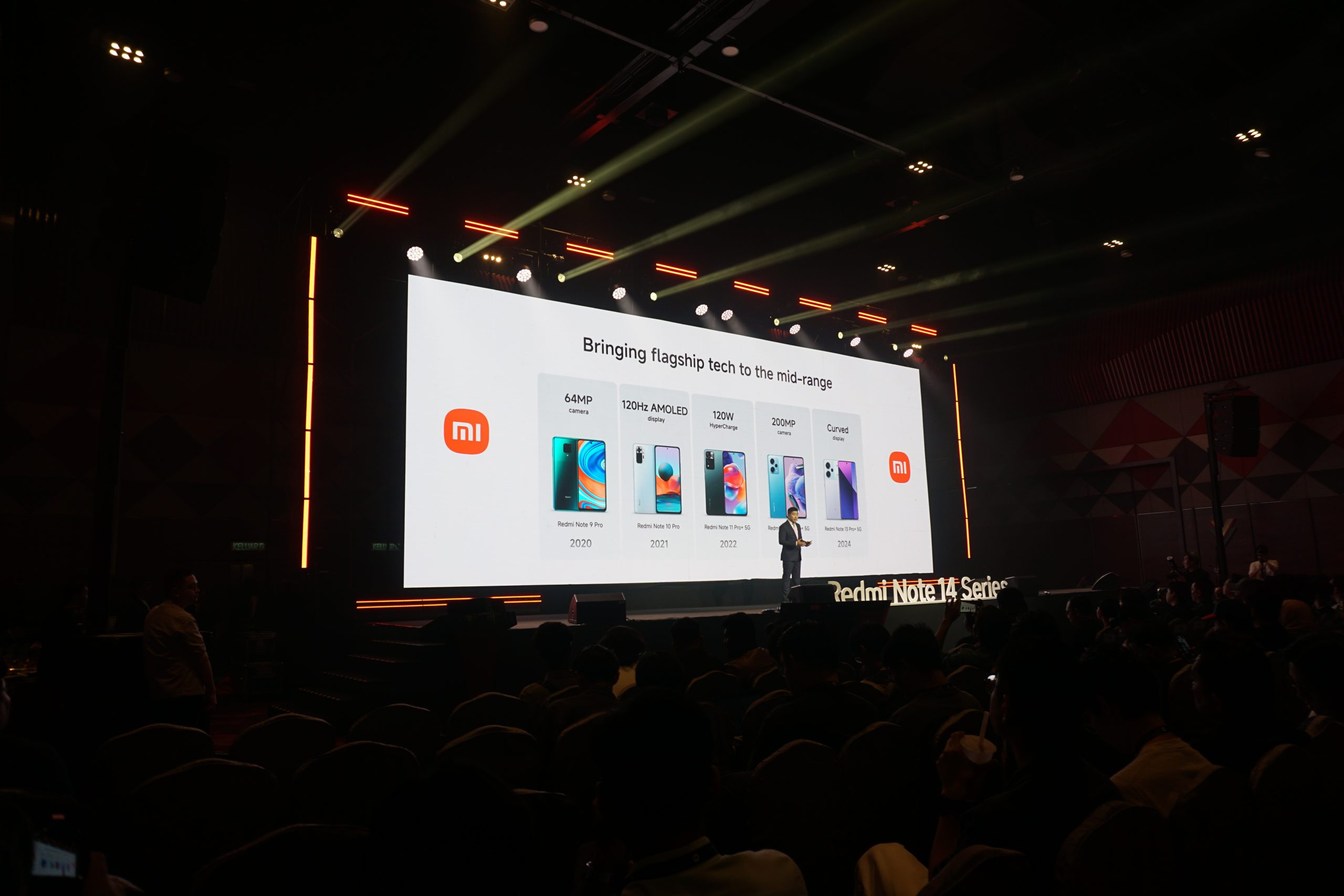
Across Malaysia, major conferences, exhibitions, product launches, and public events increasingly rely on advanced AV integration systems. Large-scale productions at venues such as MITEC, MAEPS, SPICE Penang, Sunway Resort, and SkyPark Regional Aviation Centre often involve highly coordinated AV workflows supporting LED systems, keynote stages, hybrid broadcasting, multi-camera production, and livestream integration.
Events involving exhibitions, launches, technology showcases, public festivals, and corporate conferences demonstrate how integrated AV systems have become central to modern audience engagement and communication.
Common AV Mistakes During Keynote Events
- Inadequate rehearsals — Skipping technical run-throughs leaves compatibility issues and sync problems undiscovered until it’s too late.
- Poor cable management — Unorganised cabling creates tripping hazards and makes live troubleshooting significantly harder.
- Weak backup planning — A single point of failure with no redundancy can bring an entire keynote to a halt.
- Incompatible presentation formats — Receiving slides minutes before going live with unknown fonts, video codecs, or aspect ratios is a preventable risk.
- Insufficient internet bandwidth — Shared venue Wi-Fi is rarely sufficient for professional hybrid streaming.
- Poor audio balancing — Failing to separately mix onsite and broadcast audio creates an uneven experience for both audiences.
- Unsynchronised video playback — Mismatched display timing between LED walls, confidence monitors, and livestream feeds breaks the audience’s experience.
The Future of Keynote AV Integration
As event technology evolves, keynote production will continue becoming more immersive and connected. Future trends may include:
AI-Generated Live Graphics
Holographic Presentations
Immersive 3D Environments
Audience-Responsive Lighting
Real-Time Multilingual Translation
Cloud-Based Production Systems
At the same time, audience expectations for seamless technical execution will continue increasing.
The Technology Behind Every Great Keynote
Modern keynote speeches depend heavily on AV integration and multi-device synchronisation to deliver seamless audience experiences. Behind every successful presentation lies careful coordination between audio systems, display technology, livestream infrastructure, switching systems, presentation management, and technical production teams.
When all systems work together properly, audiences remain focused on the message rather than the technology itself. As conferences, corporate events, exhibitions, and hybrid productions continue evolving in 2026, professional AV integration has become essential for delivering high-quality, reliable, and engaging keynote experiences.
Planning a Keynote or Major Conference?
Our AV integration specialists manage every technical layer — from multi-device synchronisation and hybrid livestreaming to confidence monitors, video switching, and full keynote production support.