Why Every Event Needs the Right Background Music: A Guide to Soundscaping
Background music is one of the most overlooked aspects of event production, yet it has the power to transform an ordinary gathering into a memorable experience. In Malaysia’s thriving event industry—spanning venues like KLCC, MITEC, Zepp KL, and Sunway—the demand for professional soundscaping has grown rapidly. Industry reports estimate the commercial background music market in Malaysia to be worth over USD 150 million, with steady growth driven by hospitality, retail, and live events.
This guide explains why background music matters, how soundscaping works, and what practical steps organizers can take to integrate music seamlessly with AV equipment, LED screens, staging, and lighting.
Key Takeaways
- Psychological Impact: Tempo and volume directly influence guest behavior, from managing crowd flow to boosting energy during product launches.
- Legal Compliance: Playing personal playlists at commercial events can result in fines. Always secure licenses via organizations like Music Rights Malaysia (MRM).
- Immersive Integration: True soundscaping involves syncing background tracks with LED visuals and intelligent lighting to create a multisensory environment.
- Audio Zoning: Large venues like MITEC require professional line arrays and mixing consoles to tailor distinct playlists for different event areas (e.g., networking vs. dining).
The Role of Background Music in Event Production
- Atmosphere creation: Music sets the tone instantly. Upbeat tracks energize product launches, while soft instrumentals create elegance at gala dinners.
- Audience flow management: Strategic playlists guide guest movement. Energetic tracks during registration reduce perceived waiting time, while calm tracks during networking encourage conversation.
- Brand alignment: Corporate events often use curated soundscapes that reflect brand identity, reinforcing messaging beyond visuals.
- Emotional engagement: Research shows music influences mood and memory retention, making it a subtle but powerful tool for event storytelling.
Global and Malaysian Trends in Soundscaping
- Personalized playlists: Organizers increasingly tailor playlists to audience demographics. Tech conferences lean on electronic ambient tracks, while cultural festivals highlight traditional instruments.
- Integration with AV systems: Background music is synchronized with LED screen visuals and lighting cues, creating immersive environments.
- Growth in commercial music services: Malaysia’s background music market is forecasted to double by 2033, reflecting rising demand in hotels, retail, and events.
- Venue-specific soundscaping:
- KLCC and MITEC require distributed sound systems with zoning to avoid echo in large halls.
- Zepp KL, known for live concerts, balances background music with stage lighting during pre-show and intermissions.
- Sunway Convention Centre often integrates subtle background tracks with LED wall visuals for corporate branding consistency.
Practical Checklist for Event Soundscaping
Pre-Event Planning
- Define event objectives (networking, celebration, product launch).
- Identify audience profile (age, cultural background, expectations).
- Select music genres aligned with the event theme.
- Coordinate with AV teams on sound system rental and LED screen integration.
Technical Setup
- Use professional-grade speakers with proper coverage. Line-array systems are ideal for large venues like MITEC.
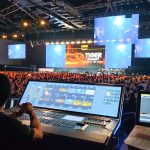
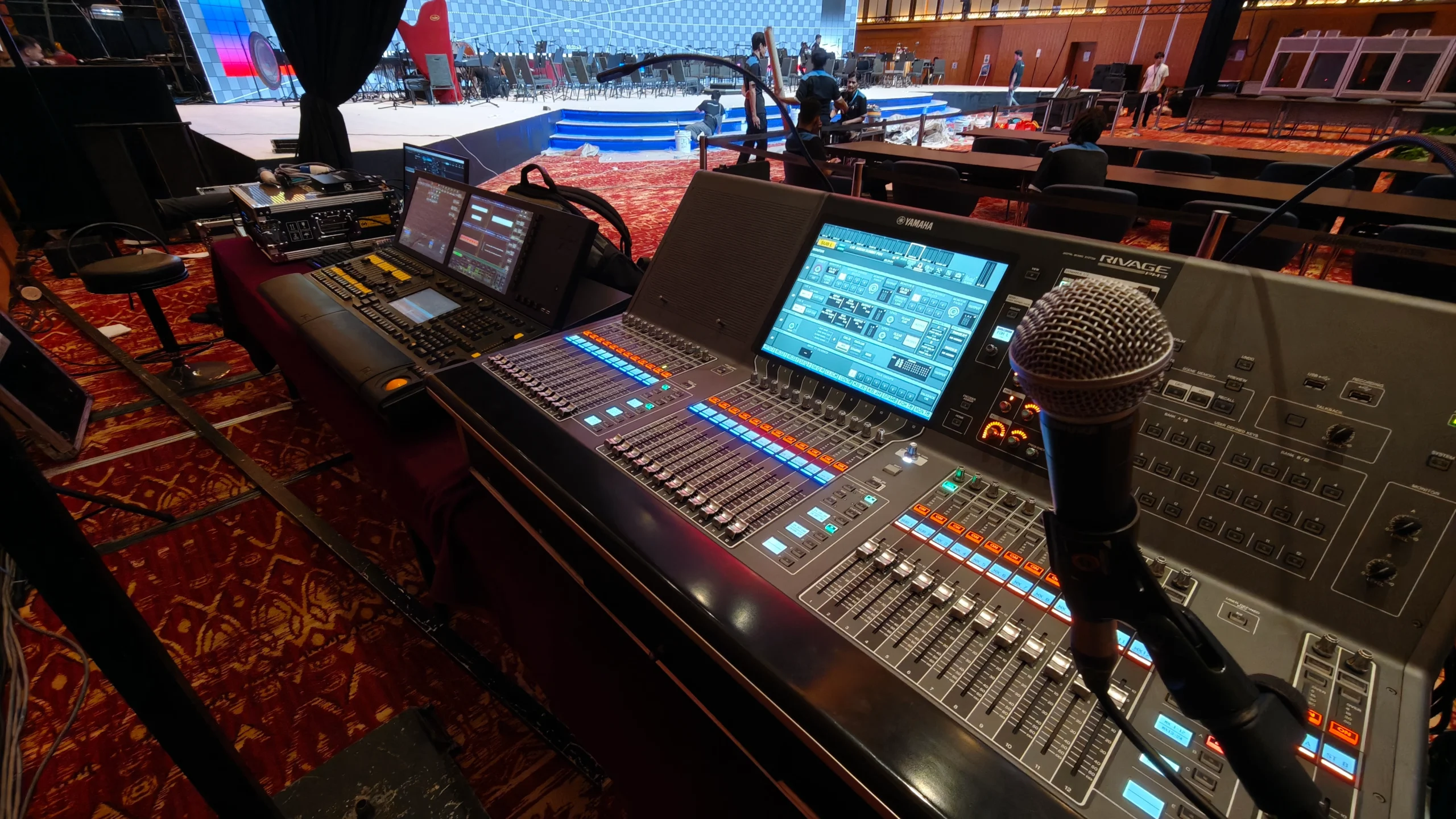
- Employ a mixing console to balance background tracks with live microphones.
- Sync LED screen visuals with music tempo for immersive branding.
- Match lighting design with music mood—warm tones for soft tracks, dynamic lighting for energetic ones.
On-Site Execution
- Test playlists during rehearsals.
- Assign a dedicated sound engineer to adjust volume levels dynamically.
- Ensure smooth transitions between segments such as speeches, performances, and networking.
Do’s and Don’ts of Background Music
Do’s
- Match tempo with event flow (slow during dinner, upbeat during networking).
- Use licensed tracks to avoid copyright issues.
- Keep volume at conversational levels during networking sessions.
- Align music cues with stage lighting and LED visuals.
Don’ts
- Avoid overly loud tracks that compete with speeches.
- Don’t use generic playlists without considering audience demographics.
- Avoid abrupt transitions—fade-outs and crossfades maintain professionalism.
- Don’t neglect rehearsal; untested playlists often clash with event pacing.
Equipment Essentials for Soundscaping
- Speakers (line array systems): Distribute sound evenly across large halls, crucial for exhibitions at MITEC.
- Mixing consoles: Balance background music with live audio, ensuring clarity during conferences at KLCC.
- LED screens: Synchronize visuals with music, enhancing product launches at Sunway.
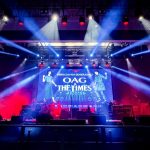
- Stage lighting: Reinforce mood aligned with music tempo, especially in concert venues like Zepp KL.
- Wireless microphones: Guarantee clear speech over background tracks during gala dinners or award ceremonies.
Past Events in Malaysia and Global Trends
- Corporate gala at KLCC: Background jazz during dinner transitioned to upbeat tracks during award segments, synchronized with LED visuals.
- Retail launch in Sunway: Pop tracks accompanied product unveiling, paired with dynamic LED animations and spotlighting.
- Global trend – CES Las Vegas: Tech events used ambient electronic music to complement futuristic LED displays and AV setups.
Steps to Implement Effective Soundscaping
- Consult AV specialists and sound system rental providers with large-scale event experience.
- Curate playlists professionally, working with DJs or music consultants for tailored soundscapes.
- Test acoustics on-site, as KLCC’s high ceilings differ significantly from Zepp KL’s concert hall setup.
- Integrate playlists with event flow, mapping tracks to agenda segments such as registration, keynote, networking, and closing.
- Monitor audience response and adjust tempo and volume based on real-time engagement.
The Science Behind Soundscaping
Background music isn’t just aesthetic; it’s backed by research in psychoacoustics. Studies from the Journal of Consumer Research show that tempo and volume directly influence guest behavior. For example, slower tempos encourage longer dwell times at exhibitions, while faster tempos increase energy levels at product launches. In Malaysia’s retail sector, malls like Pavilion KL and Sunway Pyramid use curated background tracks to influence shopper flow and brand perception—principles that translate directly into event production.
Licensing and Legal Considerations

Event organizers often overlook music licensing. Using unlicensed tracks can lead to fines or reputational damage. In Malaysia, the Music Rights Malaysia (MRM) collective manages licensing for public performance.
- Do: Secure proper licenses for background playlists, especially in corporate or public events.
- Don’t: Assume “personal playlists” are legally safe for commercial use. Working with professional AV providers ensures compliance, as many offer licensed background music packages bundled with sound system rental.
Cultural Sensitivity in Music Selection
Malaysia’s diverse audience requires careful curation. Background music must respect cultural contexts:
- Avoid tracks with controversial lyrics during formal government or corporate events.
- Incorporate traditional instruments (gamelan, kompang) for cultural festivals to enhance authenticity.
- Balance global trends with local preferences—international pop may suit product launches, while Malay ballads or Mandarin classics resonate at weddings and community events.
Advanced Soundscaping Techniques
- Zoning: Large venues like MITEC benefit from audio zoning, where different areas have tailored playlists (e.g., upbeat tracks in networking zones, ambient music in dining areas).
- Dynamic Mixing: Sound engineers adjust EQ and compression so background tracks never overpower speeches.
- Immersive Integration: Pairing LED visuals with synchronized audio cues creates multisensory experiences. For instance, a product reveal at Sunway Convention Centre might use rising music crescendos timed with LED animations and spotlighting.
Common Mistakes in Event Soundscaping
- Over-reliance on generic playlists: Using Spotify’s “Top Hits” without tailoring to audience demographics dilutes brand impact.
- Ignoring acoustics: KLCC’s high ceilings demand line-array systems; using small portable speakers leads to echo and uneven coverage.
- Volume mismanagement: Too loud during networking discourages conversation; too soft during transitions loses momentum.
- Neglecting rehearsal: Without testing, playlists may clash with stage cues or lighting sequences.
Future of Soundscaping in Events
- AI-driven playlists: Emerging platforms analyze audience reactions in real time, adjusting tempo and genre dynamically.
- Immersive audio formats: 3D soundscaping with spatial audio is being tested in global expos, expected to reach Malaysia’s premium venues soon.
- Hybrid events: Background music is now curated for both in-person and livestream audiences, requiring dual mixing setups.
The Invisible Architecture of Events
Background music is not an afterthought—it is a strategic layer of event production that enhances atmosphere, reinforces branding, and elevates guest experience. With Malaysia’s event industry expanding rapidly, venues like KLCC, MITEC, Zepp KL, and Sunway are setting benchmarks for integrated soundscaping.
By combining professional AV equipment, curated playlists, and synchronized staging, organizers can transform ordinary events into memorable experiences. The right background music is not just sound—it is the invisible architecture of every successful event. For seamless integration and expert execution, partner with an experienced team like DOREMi Events.