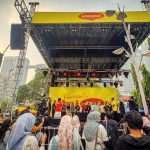
When the curtain lifts or that first guitar riff sends shivers down the hall, the crowd only sees the magic. What they don’t see? The unsung hero holding it all together : the truss structure.
Think of trusses as the stage’s skeleton: sleek metal frameworks that quietly make creativity, safety, and jaw-dropping designs possible. From dazzling concerts to epic festivals and polished corporate shows, trusses are what let the lights, screens, and effects shine.
And here’s the best part, after decades in the game and 39,000+ events brought to life, DOREMi Events knows trusses like rockstars know encores. This guide pulls back the curtain to show you how these powerhouses shape every stage, and how DOREMi turns them into pure spectacle.
Ready to meet the backbone of showbiz? Let’s dive in.
What Is a Truss Structure?
A truss is a structural framework composed of interconnected triangular units, typically made from alum
inum or steel. This geometric design distributes weight efficiently, making trusses ideal for supporting heavy loads like lighting rigs, sound systems, LED screens, and stage roofs.
Key Features:
- Strength-to-Weight Ratio: Lightweight yet incredibly strong
- Modularity: Easy to assemble, disassemble, and customize
- Versatility: Suitable for indoor and outdoor events
- Safety: Engineered to meet rigorous load-bearing standards
DOREMi’s truss systems are designed with durability and flexibility in mind, allowing them to adapt to diverse event requirements—from intimate theatre setups to sprawling concert stages.
Why Trusses Matter in Theatre & Concerts
Trusses aren’t just functional—they’re foundational. Here’s how they elevate stagecraft:
1. Support for Lighting and Sound
Trusses provide the overhead grid needed to mount lighting fixtures, speakers, and projectors. Without them, dy
namic lighting effects and immersive soundscapes would be impossible.
Example: At the Zalora Warehouse Launch, DOREMi used box trusses to suspend high-powered lighting and audio systems, creating a sleek, industrial ambiance that matched the brand’s identity.
2. Stage Design and Scenic Elements
From flying props to rotating backdrops, trusses enable complex scenic designs. They also allow for vertical layering, giving directors and designers more creative freedom.
Example: For Brickfields Asia College’s graduation ceremony, DOREMi installed a custom truss arch to frame the stage, integrating LED screens and decorative elements for a polished, professional look.
3. Safety and Stability
Concerts and theatre productions involve heavy equipment and large crowds. Trusses ensure that everything stays securely in place, even under dynamic conditions.
Example: During an EDM festival, DOREMi deployed reinforced truss towers to support moving heads and strobes, ensuring both safety and visual impact despite high-energy performances.
Types of Truss Structures
Choosing the right truss depends on your event’s scale, venue, and technical needs. Here are the most common types:
- Box Truss – Square-shaped; ideal for heavy loads and large spans.
- Triangular Truss – Lightweight; perfect for smaller setups or decorative elements.
- Circular Truss – Adds visual flair; often used in fashion shows or exhibits.
- Tower Truss – Provides vertical support for roof systems or LED walls.
- Goal Post Truss – Simple archway; great for entrances or small stages.
DOREMi offers all these configurations, customized to fit your venue and vision. Their modular systems allow for quick setup and teardown, saving time and labor costs.
Designing with Trusses: Creativity Meets Engineering
Trusses aren’t just scaffolding—they’re design tools. Here’s how to use them creatively:
1. Layered Lighting Grids
Multiple truss levels allow for layered lighting effects, from ambient washes to pinpoint spotlights.
2. Suspended Scenic Elements
Hang banners, props, or even aerial performers from trusses to add drama and depth.
3. Integrated LED Screens
Trusses can frame or support LED panels, turning your stage into a dynamic visual canvas.
Example: At VSQ II’s product launch, DOREMi integrated LED screens into a truss façade, synchronizing visuals with live presentations for a futuristic experience.
4. Architectural Aesthetics
Exposed trusses can become part of the visual theme—industrial, minimalist, or avant-garde.
Behind the Scenes: Planning and Installation
Building a truss-based stage requires precision and expertise. Here’s what goes into it:
Site Assessment
DOREMi’s team conducts thorough site visits to evaluate ceiling height, rigging points, floor load capa
city, and access routes.
Load Calculations
Engineers calculate the weight of all equipment—lights, speakers, screens—and design truss configurations that meet safety standards.
Rigging and Assembly
Trusses are assembled using connectors and base plates, then rigged with motors or manual hoists. Safety
checks are performed at every stage.
Integration with AV Systems
Lighting consoles, sound mixers, and video feeds are synced with truss-mounted equipment for seamless operation.
Example: For Pusat Sains Negara, DOREMi designed a truss system that supported both lighting and interactive AV installations, creating an immersive educational environment.
Indoor vs. Outdoor Considerations
Truss design varies depending on the venue:
Indoor Events
- Ceiling rigging may be limited
- Climate control reduces wear
- Easier cable management
Outdoor Events
- Requires weatherproofing
- Must withstand wind and rain
- Needs ground anchoring and ballast
DOREMi’s outdoor truss systems include roof covers, wind bracing, and waterproof cabling: ideal for fest
ivals, carnivals, and open-air concerts.
DOREMi’s Truss Solutions: What Sets Them Apart
DOREMi doesn’t just rent trusses; they engineer experiences. Here’s what makes them a trusted partner:
- Custom Design: Tailored truss layouts for each event
- High-Quality Materials: Durable aluminum and steel
- Certified Safety: Compliance with international load standards
- Full-Service Support: From design to teardown
- On-Site Technicians: Real-time troubleshooting and adjustments
Their portfolio spans education, fashion, tech, and entertainment—proving their versatility and reliability across industries.

Final Checklist
Before you start, ask yourself:
- What equipment needs to be supported?
- What is the venue’s structural capacity?
- Will the truss be decorative, functional, or both?
- Do you need weatherproofing or mobility?
- Who will handle rigging and safety checks?
If you’re unsure, DOREMi’s experts are ready to guide you. Their toll-free line (1800-88-3983) connects you with professionals who can turn your vision into reality.
Conclusion
Truss structures are the unsung heroes of stage design—combining strength, flexibility, and aesthetic potential. Whether you’re staging a Shakespearean drama or a rock concert, the right truss system can transform your event from functional to phenomenal.
With DOREMi Events as your partner, you gain access to decades of expertise, cutting-edge equipment, and a team that understands both the art and engineering of event production. Ready to build the perfect stage?