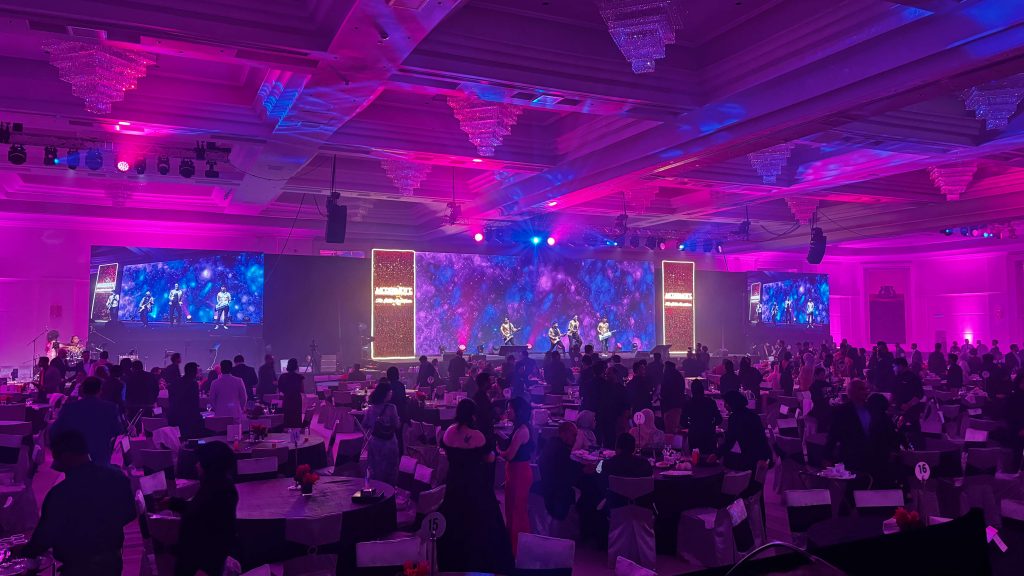
If you’ve ever walked into a packed ballroom just minutes before a conference begins—lights dimming, screens glowing, microphones being tested—you’ll know this: when AV goes right, everything feels seamless. When it doesn’t, everyone notices.
In today’s event landscape, conferences are no longer simple gatherings with a podium and projector. They are high-impact, content-driven experiences that demand precision, scale, and flawless execution. From multinational corporate summits to government forums and industry expos, the expectations for ballroom AV (audiovisual) setups have surged dramatically.
This guide breaks down what it truly takes to master large-scale ballroom AV setups—from planning and equipment to execution strategies, common challenges, and best practices that ensure your event runs smoothly from start to finish.
Why Ballroom AV Has Become More Complex Than Ever
The rise of hybrid events, global audiences, and high production standards has transformed ballroom AV into a mission-critical component of any conference. Today’s conferences often require:
- Multiple large-format LED screens
- Live streaming integration
- Simultaneous presentations
- Real-time content switching
- High-quality audio for large audiences
- Multi-camera video production
Understanding the Ballroom Environment
Ballrooms present unique challenges that require careful technical planning across three key areas:
1. Size and Scale
Large ballrooms can accommodate hundreds—or even thousands—of attendees. This requires wide screen visibility from all angles, even audio distribution, and strategic placement of equipment. Without proper planning, audiences at the back may struggle to see or hear clearly.
2. Lighting Conditions
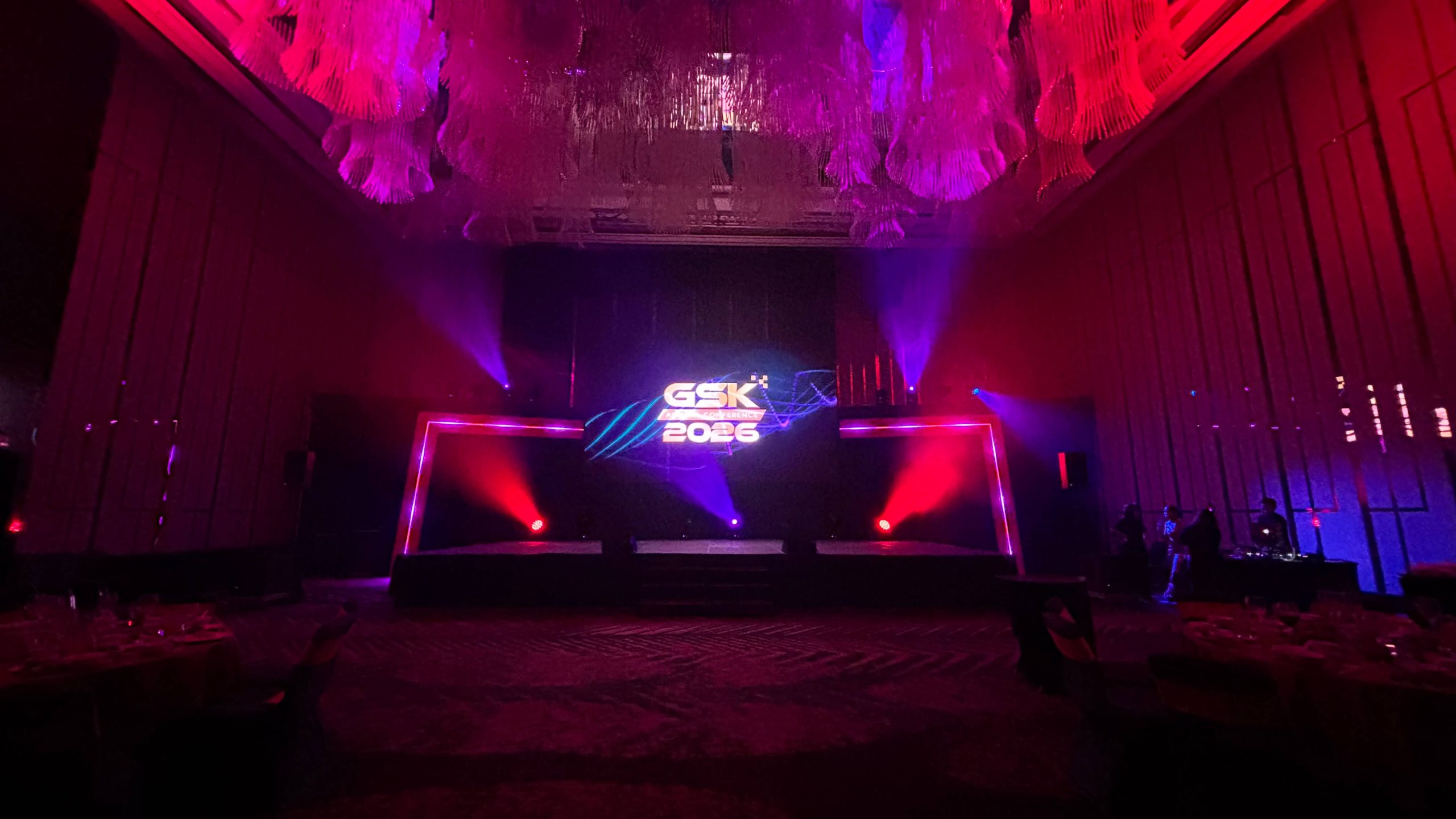
Ballrooms often feature ambient chandeliers, low-light environments, and variable lighting setups. AV teams must carefully balance screen brightness, stage lighting, and camera exposure to achieve a cohesive, professional look throughout the event.
3. Acoustic Challenges
Sound behaves differently in large enclosed spaces. Issues such as echo, feedback, and uneven sound coverage must be addressed through proper speaker placement and tuning before a single guest walks through the door.
Core Components of a Large-Scale Ballroom AV Setup
1. Display Systems: LED Walls vs Projection
LED Walls have become the preferred choice for large conferences due to their high brightness, seamless visuals, and scalability. They perform well even under strong lighting conditions and deliver a premium look.
Projection Systems are still used in some setups. They are cost-effective and suitable for controlled lighting environments, but may struggle with brightness and clarity in larger spaces.
2. Audio Systems
Clear, consistent audio is critical. A typical ballroom setup includes:
- Line array speakers for wide coverage
- Subwoofers for depth
- Wireless microphones (handheld, lapel, headset)
- Audio mixers for control
Proper tuning ensures every seat hears clearly and that no distortion or feedback occurs.
3. Video Production & Switching
Modern conferences rely heavily on video content. Key elements include multi-camera setups, video switchers, live feed integration, and presentation switching. This allows seamless transitions between speakers, slides, videos, and live audience shots.
4. Lighting Design
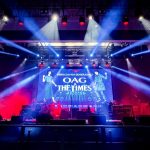
Lighting enhances both visibility and atmosphere. A well-designed setup includes stage wash lighting, spotlighting for speakers, ambient lighting for mood, and LED uplighting for branding. Lighting must also be optimised for video recording and live streaming.
5. Control Systems
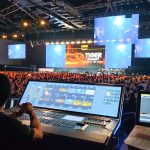
Behind every smooth event is a centralised control system including show control software, cue-based automation, and real-time monitoring. Operators manage screen content, audio levels, and lighting cues—all in perfect synchronisation.
Key Planning Stages for Ballroom AV Success
1. Pre-Event Consultation
Every successful AV setup starts with understanding the event objectives, audience size, content requirements, and venue layout. This stage determines the overall technical approach and sets the tone for every decision that follows.
2. Site Inspection
A physical site visit is crucial to assess room dimensions, ceiling height, power availability, rigging points, and access routes. This helps avoid last-minute surprises that can derail even the most carefully planned event.
3. Technical Design & Layout
AV teams create detailed plans covering screen placement, speaker positioning, lighting design, and camera angles. 3D visualisations are often used to preview the setup and identify potential issues before any equipment is moved on-site.
4. Equipment Preparation
All equipment must be tested, configured, and labelled. Backup systems should also be prepared for redundancy—because in a live event environment, a single point of failure cannot be an option.
5. Setup & Rehearsal
Setup typically involves rigging trusses and LED walls, installing audio systems, running cables, and configuring control systems. Rehearsals ensure smooth transitions, speaker familiarity, and overall technical reliability on the day.
Common Challenges (And How to Solve Them)
| Challenge | Solution |
|---|---|
| Last-Minute Content Changes Speakers often update slides at the last minute. |
Have a dedicated content management team, use cloud-based file sharing, and prepare for quick format adjustments. |
| Technical Failures Equipment can fail unexpectedly. |
Always have backup systems, redundant signal paths, and spare microphones and cables on standby. |
| Time Constraints Ballroom turnovers can be tight. |
Pre-build components off-site, use modular setups, and deploy experienced crews who know how to move fast. |
| Hybrid Event Complexity Streaming adds another layer of difficulty. |
Assign a dedicated streaming team, secure a stable internet connection, and prepare a separate audio mix for broadcast. |
Best Practices for Flawless Execution
Keep It Simple for the Audience
While the backend may be complex, the experience should feel smooth, clear, and engaging. Audiences should never be aware of the machinery behind the curtain—only the polished result.
Prioritise Visibility
Ensure screens are large enough, content is readable, and fonts and visuals are fully optimised for the viewing distance. What looks fine on a laptop may be unreadable at 30 metres.
Maintain Clear Communication
Strong coordination between event organisers, speakers, and the AV team is essential for success. Everyone must know their cues, timings, and contingency plans before the event begins.
Test Everything
From microphones to video playback—everything must be tested multiple times. There is no such thing as over-testing in a live event environment. A problem caught in rehearsal is a problem that never reaches your audience.
The Role of AV in Audience Engagement
Great AV doesn’t just support—it enhances engagement. It helps capture attention, deliver messages clearly, and create emotional impact. Features like live polling, social media integration, and real-time visuals can transform passive audiences into active participants, turning a standard conference into an immersive event experience.
Real-World Applications in Large-Scale Events
Large ballroom AV setups are commonly used across a wide range of events:
- Corporate Conferences: Annual general meetings, leadership summits, and product launches.
- Government & Institutional Events: Policy forums and international conferences.
- Industry Exhibitions & Summits: Trade shows and networking events.
Scaling Up: When “Big” Becomes “Massive”
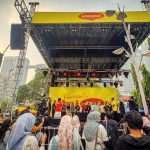
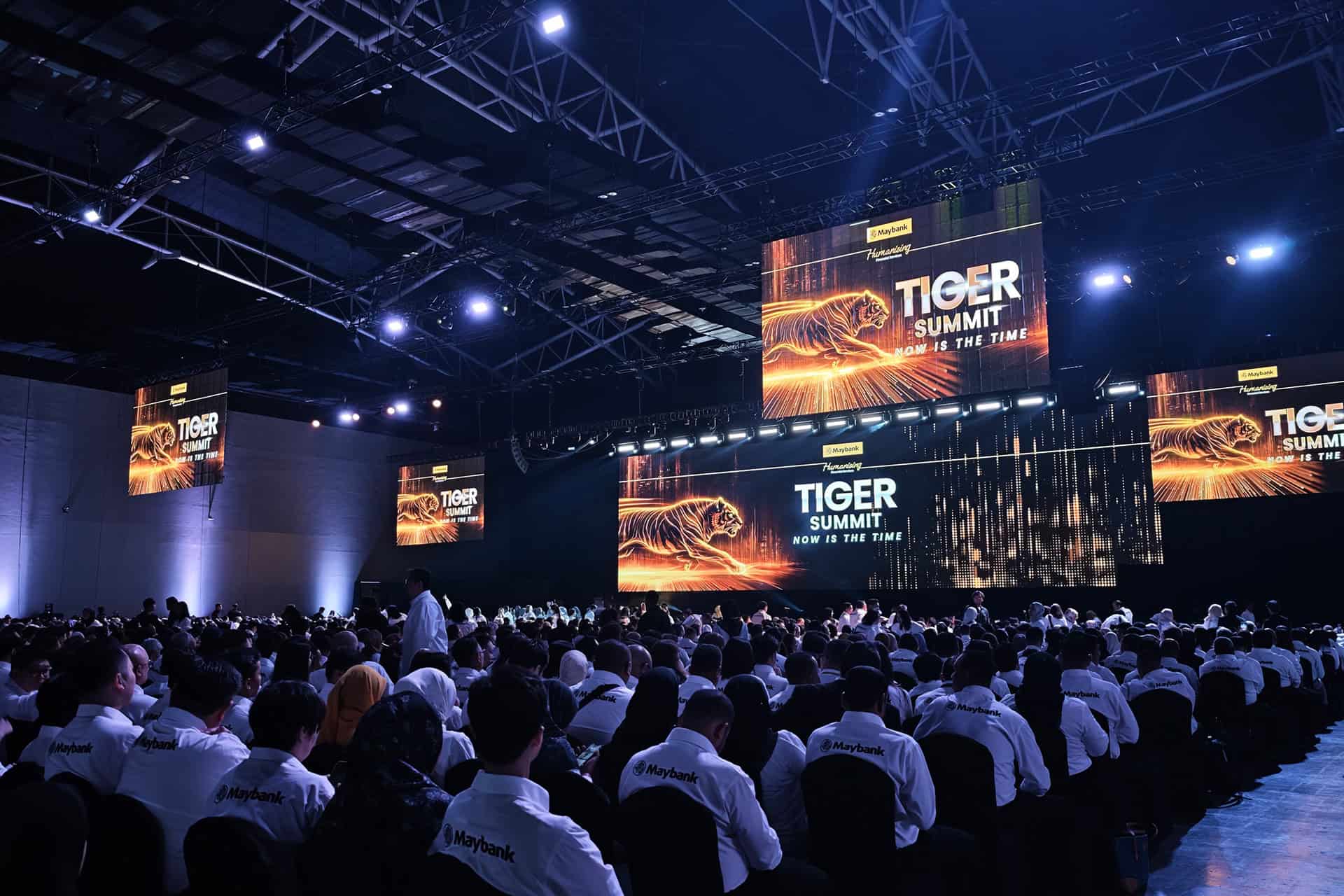
For very large events, ballroom AV setups may include multiple LED walls, side screens for extended visibility, live relay to overflow rooms, and advanced staging design. At this level, coordination becomes even more critical, requiring larger crews, detailed scheduling, and advanced technical planning that leaves nothing to chance.
Where Experience Matters
Handling large-scale AV is not just about equipment—it’s about experience, coordination, and problem-solving under pressure. Event teams that have managed high-profile conferences, large exhibitions at venues like MITEC, and corporate launches and gala dinners understand the importance of precision, reliability, and adaptability.
For example, involvement in major setups such as the Manchester United Legends Meet-Up at MITEC, DSA Exhibition at MITEC, SEMICON at MITEC, and MAHA at MAEPS reflects the level of coordination and technical capability required for large-scale environments where ballroom and exhibition AV often intersect.
The Future of Ballroom AV
As technology evolves, ballroom AV is becoming even more advanced. Key trends driving the next generation of event experiences include:
4K & 8K LED Walls
Ultra-Fine Pixel Pitch Screens
AI-Driven Automation
Smart Camera Tracking
Automated Lighting Adjustments
3D Visuals & XR Integration
Energy-Efficient Equipment
Modular Reusable Setups
Immersive experiences using extended reality (XR) and 3D visuals are rapidly moving from concept to common practice, while sustainable AV solutions—energy-efficient equipment, reduced cable usage, and modular reusable setups—are becoming an industry standard rather than an afterthought.
Why Investing in Quality AV Matters
Cutting corners on AV can lead to poor audience experience, technical disruptions, and brand damage. On the other hand, investing in professional AV ensures smooth execution, strong brand presentation, and memorable event experiences that last long after the final applause.
Large-scale ballroom AV setups are where technology meets storytelling. They transform ordinary conferences into immersive, engaging, and impactful experiences. From crystal-clear audio to stunning visuals and seamless transitions, every element plays a role in delivering a successful event.
That’s why mastering ballroom AV isn’t just about having the right equipment—it’s about having the right expertise, planning, and execution strategy. For teams experienced in handling complex, large-scale productions across conferences, exhibitions, and corporate events, integrating advanced AV solutions into ballroom environments is what turns ideas into unforgettable experiences.
Planning a Large-Scale Conference or Gala?
Our AV specialists are ready to design a custom technical solution for your next big event—from LED walls and line arrays to full hybrid streaming setups.