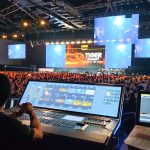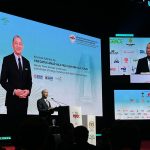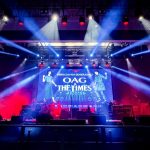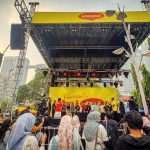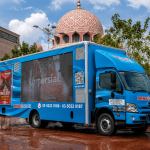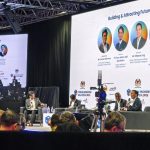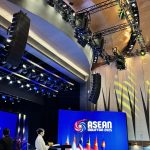
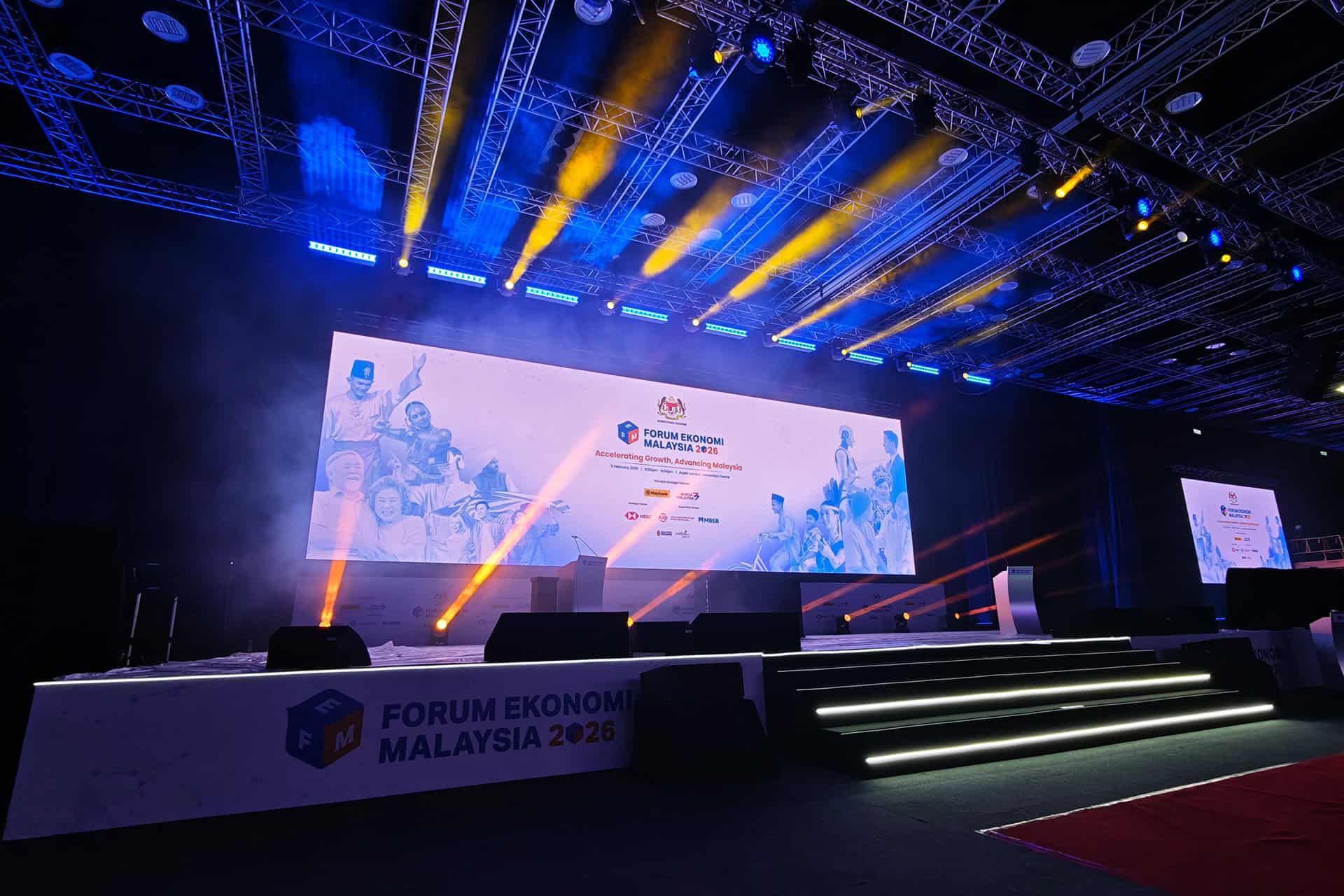
A corporate product launch is about to begin. The stage is ready, the LED wall is displaying stunning 4K visuals, cameras are live and hundreds of guests await the unveiling.
Now imagine the screen suddenly flickers, the image freezes or the signal drops during the most important moment of the event.
To the audience, it appears as poor event execution. To the organiser, it becomes a technical crisis that can impact brand reputation and audience experience. Yet behind many of these failures is a hidden factor: the video transmission infrastructure.
As events increasingly depend on 4K visuals, LED displays, hybrid broadcasting, and multi-screen presentations, maintaining signal integrity has become essential. The choice between traditional copper cabling and modern fiber optic infrastructure directly affects image quality, reliability, and overall event performance.
What Is Signal Integrity?
Signal integrity refers to the ability of a video signal to travel from its source to the display without losing quality, accuracy, or synchronization.
Every presentation, live camera feed, promotional video, or broadcast begins as digital data. The objective is simple: ensure that the exact same information reaches the display without corruption.
When signal integrity is compromised, problems quickly become visible:
Image FlickeringScreen BlackoutRandom Pixel ErrorsColour Distortion
Visual ArtifactsAudio-Video Synchronization IssuesComplete Signal Failure
While these problems may appear to originate from the LED screen itself, they are often caused by the transmission path between equipment.
For professional event productions, maintaining signal integrity is essential because audiences immediately notice visual inconsistencies—even if they never understand the technical reason behind them.
Why 4K Video Places Greater Demands on Event Systems
The move from Full HD to 4K is more than a resolution upgrade.
A standard 4K image contains four times more pixels than Full HD, meaning significantly more data must travel between video processors, switchers, media servers, LED controllers, projectors, and displays.
Modern events increasingly rely on:
Large LED Walls Hybrid event StreamingLive IMAG Camera SystemsMulti-Screen Presentations
Interactive DisplaysDigital SignageReal-Time Graphics
Each additional display increases the amount of information flowing through the AV system.
If the transmission infrastructure cannot handle this volume reliably, even premium display equipment cannot perform at its full potential. The challenge is no longer generating high-quality visuals as it is delivering them consistently from source to screen.
For professional audio visual equipment rental, selecting the right transmission infrastructure is critical. High-performance displays, processors, and video systems can only deliver their full potential when supported by reliable signal pathways.
Fiber Optics vs Copper: Understanding the Difference
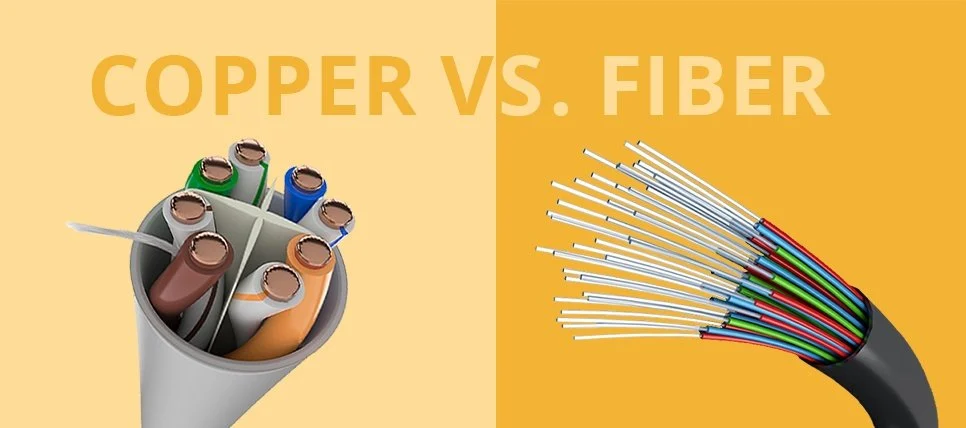
Although both fiber optic and copper cables transmit information, they do so in completely different ways.
Copper cables transmit electrical signals through metal conductors. Fiber optic cables transmit light pulses through ultra-thin strands of glass.
This difference fundamentally changes how each technology performs in demanding event environments.
| Feature | Fiber Optics | Copper |
|---|---|---|
| Transmission Distance | Several kilometers without significant loss | Limited Over Long Distance |
| Electromagnetic Interference | Immune | Susceptible |
| Bandwidth Capacity | Extremely high | Limited |
| Cable Weight | Lightweight | Heavy |
| Large Venue Suitability | Excellent | Limited |
Fiber Optics vs Copper for Professional Events: Which Technology Should You Choose?
Different event environments require different signal transmission solutions. While fiber optics are increasingly preferred for large-scale productions and long-distance 4K video transmission, copper remains a reliable and cost-effective choice for shorter connections and smaller event setups. When planning an audio visual equipment rental setup for large-scale events, technical teams must evaluate transmission distance, venue layout, resolution requirements, and equipment compatibility before selecting fiber or copper solutions.
Large Conferences and Convention Centres
Modern conferences often involve multiple LED screens, breakout rooms, livestream systems, and media feeds operating simultaneously. Fiber infrastructure enables reliable signal distribution across large venues where equipment may be positioned hundreds of metres apart. Copper remains suitable for smaller meeting rooms, presentation areas, and short-distance connections between nearby AV equipment.
Exhibitions and Trade Shows
Large exhibitions can cover thousands of square metres, requiring consistent video quality across multiple booths and display locations. Fiber helps exhibitors maintain high-resolution content delivery over extended distances, while copper works well for individual booths, small displays, and temporary setups where cable runs are limited.
Concerts and Live Productions
Outdoor festivals and concerts require stable transmission between stages, camera positions, control rooms, and broadcast facilities. Fiber is commonly used for long-distance video feeds due to its low signal loss and resistance to interference. Copper is still valuable for shorter connections between local equipment such as cameras, monitors, processors, and control systems.
Corporate Events and Product Launches
Product launches often depend on perfectly timed visuals, presentations, and playback systems. Fiber supports complex stage designs with multiple LED screens and extended signal routes, while copper provides a practical solution for smaller stages, conference rooms, and short-range display connections.
Training Sessions and Small Meetings
For training rooms, seminars, workshops, and internal company events, copper cables remain a popular choice due to their affordability, simplicity, and ease of installation. When transmission distances are short and bandwidth requirements are manageable, copper can deliver reliable performance without unnecessary infrastructure costs.
Hybrid Events and Broadcast Productions
Hybrid events require seamless integration between cameras, switching systems, streaming platforms, recording devices, and LED displays. Fiber supports high-bandwidth workflows across large production environments, while copper continues to handle shorter connections within control rooms and local setups.
Common Signal Transmission Mistakes To Avoid
Even the most advanced LED displays and AV equipment cannot compensate for poor signal infrastructure. A single weak point in the transmission chain can result in image degradation, screen interruptions, or complete signal failure. Here are some of the most common mistakes seen in live event productions:
Exceeding Transmission Distance Limits
As cable lengths increase, copper cables become more susceptible to signal attenuation and degradation. Without the appropriate transmission solution, long-distance video signals may suffer from reduced quality or intermittent loss.
Poor Cable Installation and Management
Damaged cables, loose connectors and improper cable routing can introduce signal instability and make troubleshooting more difficult. Well-managed cabling helps maintain consistent performance throughout the event.
Electromagnetic Interference (EMI)
Copper cables can be affected by interference from power lines, lighting systems, and other electronic equipment commonly found at live events. Fiber optic cables are immune to EMI, making them a more reliable choice for demanding production environments.
Incompatible or Poorly Configured Equipment
Signal converters extenders, and distribution systems must be properly matched and configured. Incompatible equipment can create bottlenecks, introduce latency, or cause signal loss, even when premium cables are used.
The Future of Professional Video Transmission
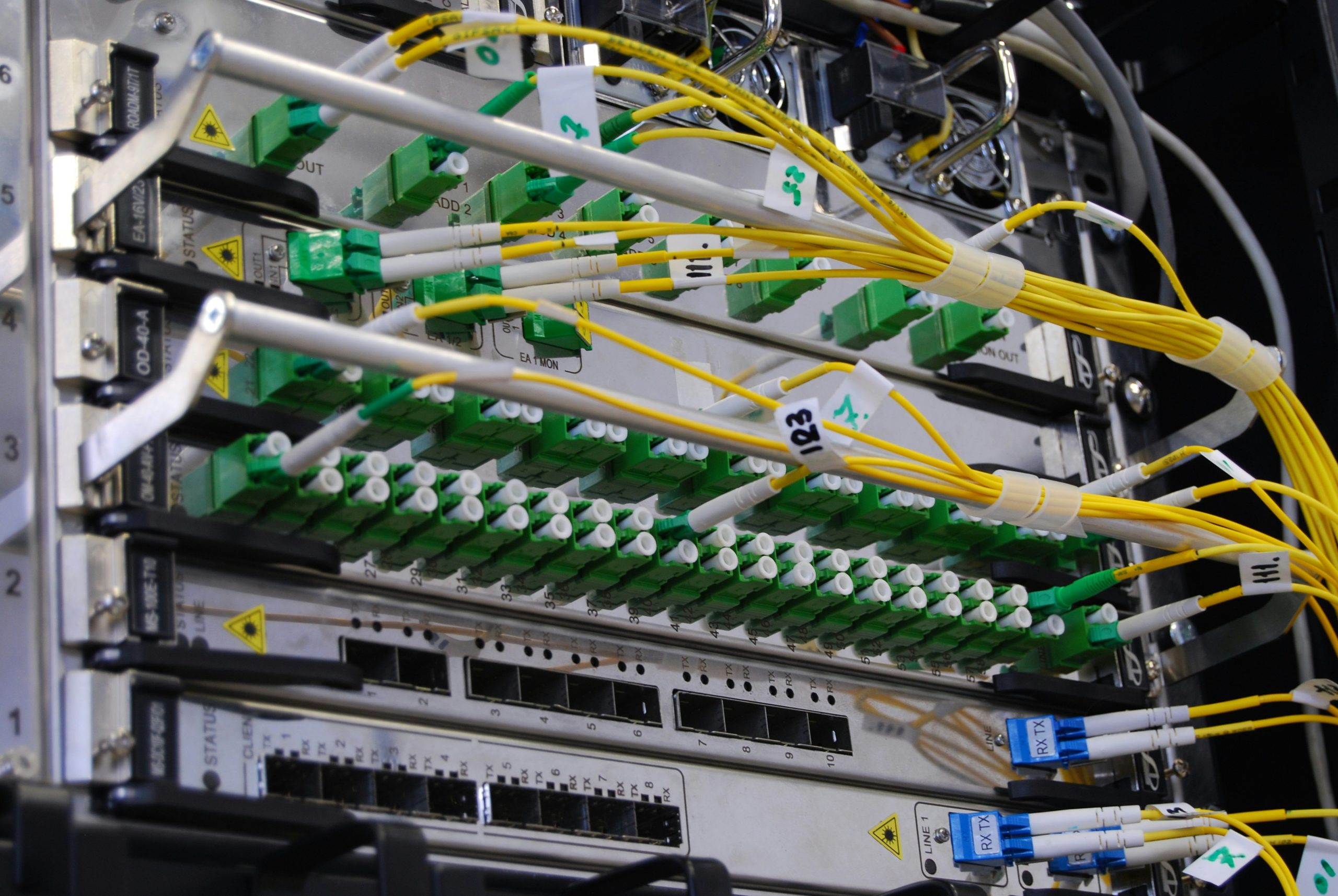
As event technology continues to advance, professional productions are demanding faster, more reliable, and higher-capacity signal transmission systems. The future of video transmission will be shaped by several emerging technologies, including:
- 8K and Higher-Resolution Content – As audiences expect sharper and more immersive visuals, transmission systems must support increasing bandwidth requirements without compromising image quality.
- AV-over-IP Infrastructure – Network-based AV systems are becoming more common, allowing video, audio and control signals to be distributed efficiently across large venues.
- AI-Assisted Signal Monitoring – Artificial intelligence will help detect signal issues, predict potential failures and improve system reliability during live productions.
- Cloud-Based Production Workflows – Remote production and cloud-based collaboration require stable, high-speed transmission for seamless content management across multiple locations.
- Virtual Production Environments – Advanced LED stages and real-time visual effects require high-performance signal systems to deliver synchronised, low-latency video.
- Immersive LED Experiences – Large-scale LED installations, interactive displays and extended reality (XR) experiences demand reliable transmission for complex visual content.
- Multi-Site Hybrid Events – Global events require seamless communication between multiple venues, remote participants and digital platforms.
As these technologies continue to grow, signal infrastructure will play an increasingly important role in event success. Fiber optics provide the scalability, bandwidth, and reliability needed to support future production demands, while copper remains a practical solution for shorter-distance applications.
Delivering Reliable Visual Experiences with DOREMi
Behind every successful event is an infrastructure that audiences never notice but always depend on. At DOREMi, every video signal path is carefully planned to ensure stable transmission, consistent image quality, and dependable performance throughout the event. From corporate conferences and exhibitions to product launches, concerts, and hybrid productions, our technical specialists evaluate venue layouts, transmission distances, display requirements, and system compatibility to design solutions that support reliable 4K workflows.
Rather than simply supplying equipment, DOREMi focuses on integrating every component into a complete production ecosystem helping clients reduce technical risks while delivering exceptional audience experiences.
Passive cooling relies on physical design rather than mechanical systems including proper airflow spacing between equipment, ventilated rack cases, heat-dissipating materials, and strategic equipment placement. Good passive design reduces reliance on powered cooling systems.
Need Seamless Video Transmission for Your Event?
From fiber optic solutions to signal distribution planning, our technical team ensures your AV system delivers reliable 4K performance across conferences, exhibitions, concerts, and large-scale productions.