The modern meeting room is no longer just a place for discussions. It has evolved into something far more dynamic — a hybrid communication hub capable of connecting in-person audiences, remote teams, international clients, livestream viewers, and event participants simultaneously. Across industries, businesses are redesigning traditional meeting spaces into professional-grade broadcast studios that support hybrid events, virtual conferences, live product launches, webinars, training sessions, and interactive corporate communications.
This transformation is not simply about adding a webcam to a boardroom. It is about creating immersive, high-quality communication experiences that feel seamless whether attendees are sitting in the room or joining from another continent.
As hybrid work and digital engagement continue shaping the future of events, organisations that invest in hybrid-ready meeting spaces are positioning themselves ahead of the curve.
The Rise of Hybrid Events and Hybrid Workspaces
Over the past few years, hybrid events have shifted from being an emergency solution into a long-term business strategy. Companies discovered that hybrid formats provide flexibility, scalability, wider audience reach, and better accessibility compared to fully physical events alone. Today, many organisations conduct:
- Hybrid annual general meetings (AGMs)
- International stakeholder briefings
- Product launches
- Town hall sessions
- Investor relations broadcasts
- Training workshops and education seminars
- Employee engagement events
- Multi-location conferences and internal livestreams
- Virtual exhibitions
Why Traditional Meeting Rooms No Longer Work
A conventional meeting room setup was originally designed for face-to-face interaction. Once hybrid participation became essential, several limitations became obvious:
1. Poor Audio Quality
Remote attendees struggle to hear clearly when microphones are too far away, room acoustics create echoes, background noise interferes, or multiple speakers overlap. Audio quality is actually more important than video quality during hybrid events — unclear audio quickly causes disengagement.
2. Limited Camera Coverage
Standard webcams cannot effectively capture panel discussions, audience interactions, presenter movement, demonstrations, or multiple speakers. Professional hybrid spaces require multi-camera systems and intelligent switching to create broadcast-level engagement.
3. Weak Lighting Conditions
Most meeting rooms were not designed for livestreaming or broadcasting. Uneven lighting, harsh fluorescent fixtures, and dark corners create unprofessional visuals on camera.
4. Connectivity Challenges
Hybrid events rely heavily on stable internet bandwidth, backup internet solutions, proper network management, and streaming redundancy. Without proper infrastructure, even a well-produced event can fail due to technical interruptions.
5. Lack of Production Coordination
A successful hybrid event requires coordination between audio engineers, video switchers, livestream operators, presentation managers, camera operators, and technical directors — which is why many organisations now work with professional event production teams rather than relying solely on internal IT departments.
What Makes a True Hybrid Hub?
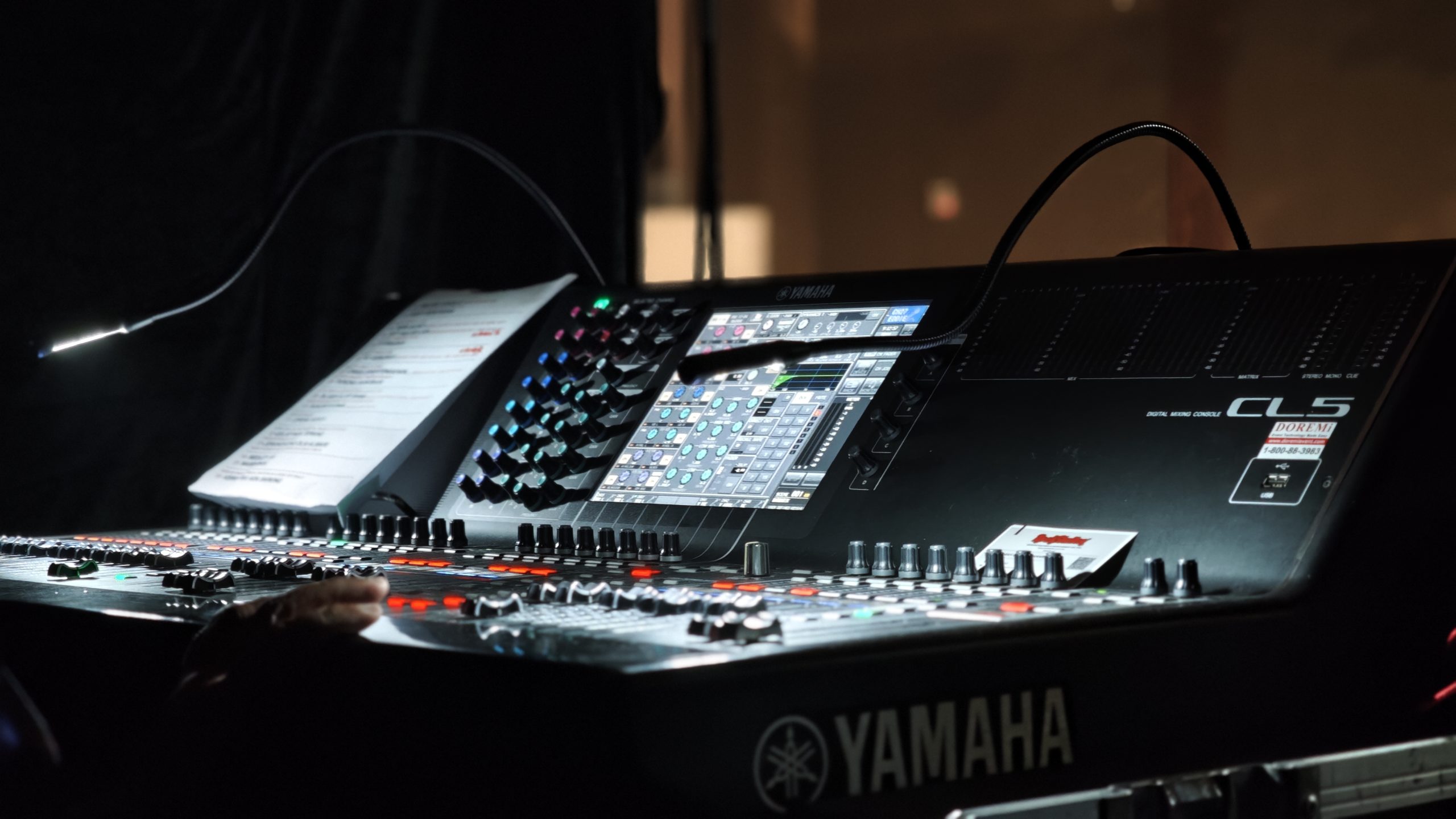
A hybrid hub is more than a conference room with digital tools. It is a professionally integrated space designed for simultaneous physical and virtual engagement. Here are the core components:
1. Professional Audio Systems
Audio remains the backbone of hybrid communication. Modern hybrid hubs use ceiling microphone arrays, wireless handheld microphones, lapel microphones, digital audio mixers, echo cancellation systems, and noise suppression technology. For panel discussions, Q&A sessions, and conferences, audio routing becomes especially critical because both live and remote audiences need balanced sound experiences.
2. Multi-Camera Production
Professional hybrid rooms often incorporate PTZ cameras (Pan-Tilt-Zoom), wide-angle cameras, speaker tracking cameras, and mobile production cameras. Multiple camera angles create a more engaging viewing experience similar to television broadcasting — dynamically switching between wide room shots, speaker close-ups, audience reactions, presentation screens, and product demonstrations. This level of production significantly improves viewer retention and professionalism.
3. Broadcast Lighting Design
Broadcast-quality lighting improves facial visibility, eliminates shadows, enhances camera image quality, and maintains consistent colour balance. Modern hybrid spaces include softbox lighting, LED panel systems, adjustable colour temperature, and presenter-focused spotlighting — especially important for livestreams, executive broadcasts, and recorded content repurposed for marketing or training materials.
4. Livestreaming Infrastructure
Hybrid hubs require reliable streaming systems capable of handling Zoom, Microsoft Teams, Google Meet, YouTube Live, Facebook Live, LinkedIn Live, webinar platforms, and custom event platforms. Professional streaming setups also include encoding hardware, streaming redundancy, backup recording, real-time monitoring, graphic overlays, lower thirds, and live captions — minimising technical risks while creating a polished audience experience.
5. Interactive Audience Engagement Tools
Hybrid audiences expect participation opportunities through live polling, Q&A moderation, digital networking, audience chat integration, virtual breakout rooms, and real-time feedback tools. This interactivity helps remote participants feel equally included rather than becoming passive viewers.
The Corporate Shift Toward Broadcast-Style Communication
Many organisations now approach internal communication the same way media companies approach broadcasting. Executives increasingly conduct CEO town halls, quarterly updates, leadership announcements, global employee briefings, and brand launches — no longer as simple presentations, but as carefully produced experiences designed to maintain engagement across distributed audiences.
A polished hybrid setup improves brand perception, communication clarity, audience trust, employee engagement, and stakeholder confidence — particularly important for multinational companies and regional organisations operating across multiple countries and time zones.
Why Event Production Expertise Matters
Hybrid communication combines multiple technical disciplines: audio engineering, video production, lighting design, streaming technology, stage management, event coordination, and network infrastructure. Even high-end equipment can fail to deliver good results without experienced technical management.
Professional event production teams understand camera framing, audio balancing, stream optimisation, audience flow, backup systems, and technical troubleshooting — expertise that becomes essential during high-profile corporate events where technical issues can negatively impact reputation and audience confidence.
The Importance of Redundancy and Backup Systems
One major difference between casual virtual meetings and professional hybrid productions is redundancy planning. Professional hybrid events often include backup internet lines, secondary streaming encoders, power backup systems, duplicate audio feeds, and backup recording systems — ensuring the event continues smoothly even if technical issues arise.
Hybrid Event Trends in 2026
The hybrid event industry continues evolving rapidly. Several major trends are shaping the future of meeting room transformation:
AI-Powered Production Automation
Automatic Speaker Tracking
Live Transcription & Translation
Content Repurposing
Sustainability & ESG Benefits
Secure Streaming & Data Protection
AI-Powered Production Automation
Artificial intelligence is increasingly being integrated into hybrid event systems through automatic speaker tracking, AI camera framing, live transcription, real-time translation, noise suppression, and smart switching systems — helping streamline production while improving audience accessibility.
Smaller Spaces, Bigger Reach
Companies are realising they no longer need massive physical venues to achieve large audience reach. A well-equipped hybrid studio can broadcast globally, host virtual audiences, deliver interactive experiences, and record reusable content — making hybrid hubs cost-efficient while expanding audience scalability.
Content Repurposing
Hybrid events now generate valuable long-term content assets. Recorded sessions can be repurposed into social media clips, training modules, internal communications, marketing campaigns, podcast episodes, and highlight reels — extending the value of every event beyond the live session itself.
Sustainability Benefits
Hybrid events can reduce business travel, venue energy usage, printed materials, and transportation emissions. Many organisations now include hybrid strategies within broader ESG and sustainability goals.
Security and Data Protection
As hybrid communication grows, cybersecurity has become increasingly important. Professional hybrid setups now prioritise secure streaming platforms, password-protected access, encryption, controlled audience permissions, private cloud hosting, and secure recording storage — especially important for financial institutions, healthcare organisations, educational institutions, and government-related communications.
Industries Leading the Hybrid Transformation
| Industry | How They Use Hybrid Hubs |
|---|---|
| Corporate Sector | Leadership communication, investor relations, internal training, product announcements |
| Education | Hybrid classrooms, online seminars, international collaborations, virtual graduations |
| Healthcare | Medical conferences, specialist consultations, training sessions, cross-border collaboration |
| Technology & Startups | Product launches, developer conferences, investor presentations, remote team coordination |
Designing a Hybrid Hub: Key Considerations
Before transforming a meeting room into a broadcast studio, organisations should evaluate several factors:
- Room Acoustics — Hard surfaces create echoes and reduce audio clarity. Acoustic treatment improves sound quality significantly.
- Camera Placement — Cameras should support natural eye contact, multiple viewpoints, and presenter mobility.
- Lighting Layout — Lighting should be designed specifically for camera performance, not just room visibility.
- Internet Reliability — Dedicated bandwidth and backup connections are essential.
- User Simplicity — Technology should remain user-friendly despite complex backend systems.
- Scalability — The setup should support future upgrades and evolving hybrid demands.
Hybrid Events Are No Longer Temporary
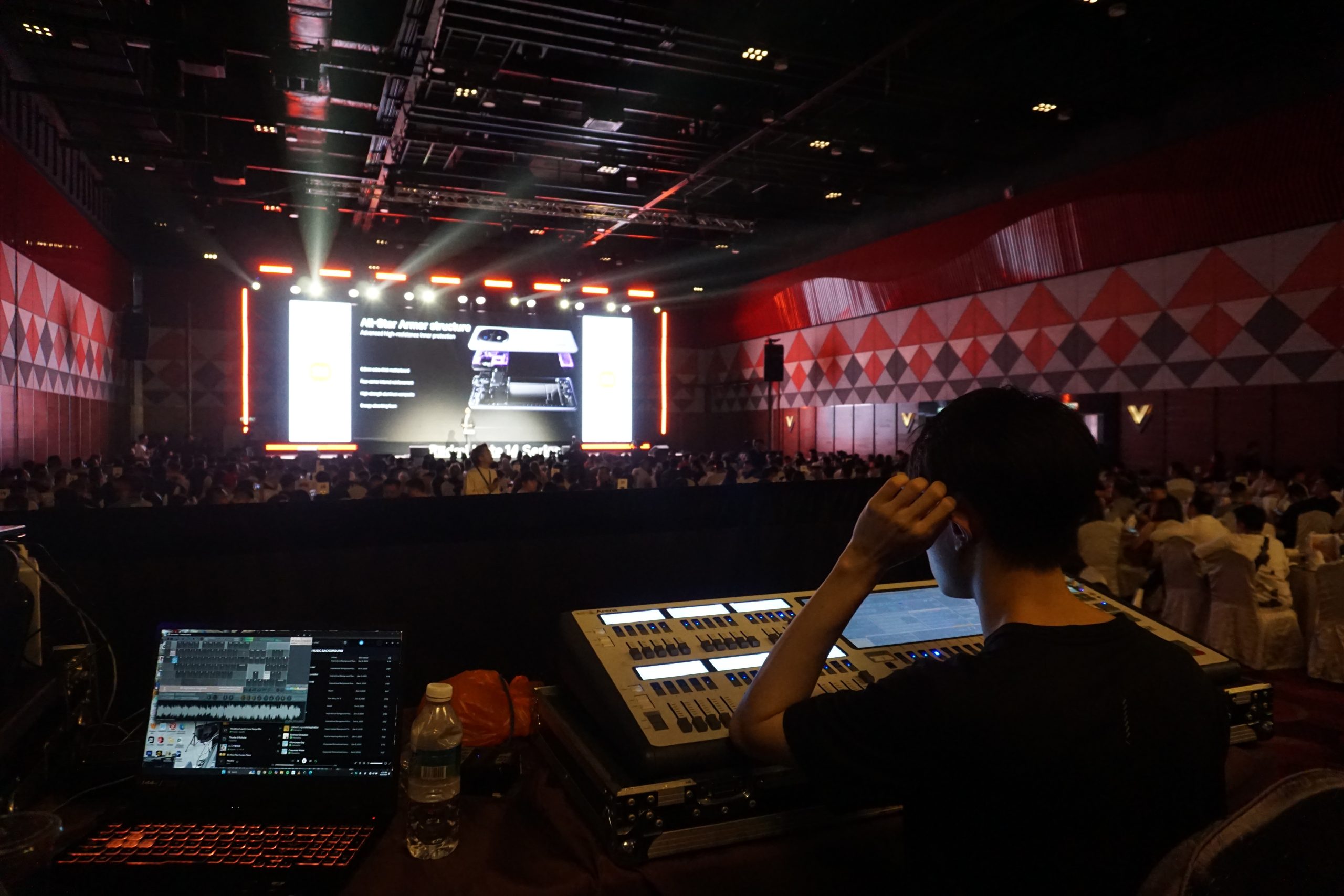
The early perception that hybrid events were a temporary adjustment has disappeared. Hybrid communication is now deeply embedded in how organisations operate. Businesses have recognised several long-term advantages: wider audience reach, reduced travel costs, better accessibility, flexible participation, higher content longevity, and improved scalability. As a result, meeting rooms are increasingly designed with broadcast functionality from the beginning rather than treated as afterthoughts.
The Human Side of Hybrid Experiences
Technology alone does not create meaningful hybrid engagement. Successful hybrid experiences require strong moderation, audience interaction, visual storytelling, clear communication, and dynamic pacing. Remote attendees should never feel like secondary participants. The best hybrid productions intentionally design experiences that serve both physical and virtual audiences equally.
The Future of Corporate Communication
The line between events, media production, and corporate communication continues to blur. Companies are becoming content creators. Meeting rooms are becoming studios. Internal updates are becoming broadcasts. Events are becoming digital ecosystems. Hybrid hubs are now central to brand communication, workforce engagement, customer outreach, and global collaboration. As technology advances, organisations that adapt early will gain stronger communication capabilities and more resilient event strategies.
Building the Hybrid Hub of Tomorrow, Today
Transforming meeting rooms into broadcast studios is no longer reserved for large media companies or global corporations. Businesses of all sizes are recognising the importance of professional hybrid communication infrastructure. A successful hybrid hub combines professional audio, intelligent video production, reliable streaming, audience engagement, technical expertise, and scalable infrastructure — creating a communication environment that supports modern business demands while creating more engaging and accessible experiences for every participant.
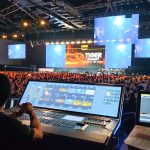
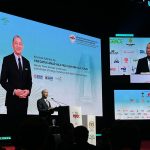
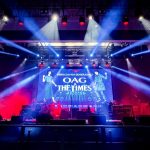
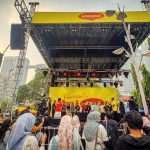
From large-scale corporate launches to major public-facing activations, professional event production continues playing a critical role in creating seamless audience experiences. Teams experienced in managing live technical environments — including conferences, exhibitions, launches, concerts, and large-scale hybrid productions — bring valuable expertise to this rapidly evolving space. Recent large-scale productions across Malaysia, including exhibitions at MITEC, product launches, music festivals, aviation showcases, and corporate events, demonstrate how integrated event technology and production management are becoming essential components of modern audience engagement.
Ready to Transform Your Meeting Room Into a Hybrid Hub?
Our team specialises in professional hybrid event production — from audio and multi-camera systems to livestreaming and full broadcast studio setups.