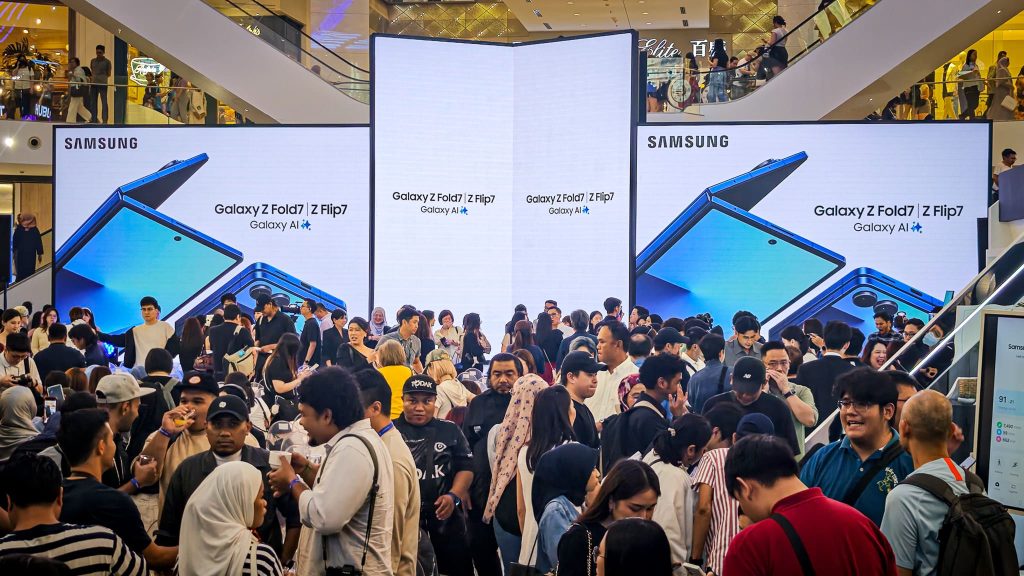
A smartphone launch is more than an opportunity to introduce a new device. It is a carefully planned brand experience where product design, technology, visual presentation and audience engagement come together. From unveiling the latest smartphone features to showcasing camera capabilities, display quality and product demonstrations, every moment needs to capture attention and communicate the brand’s message effectively.
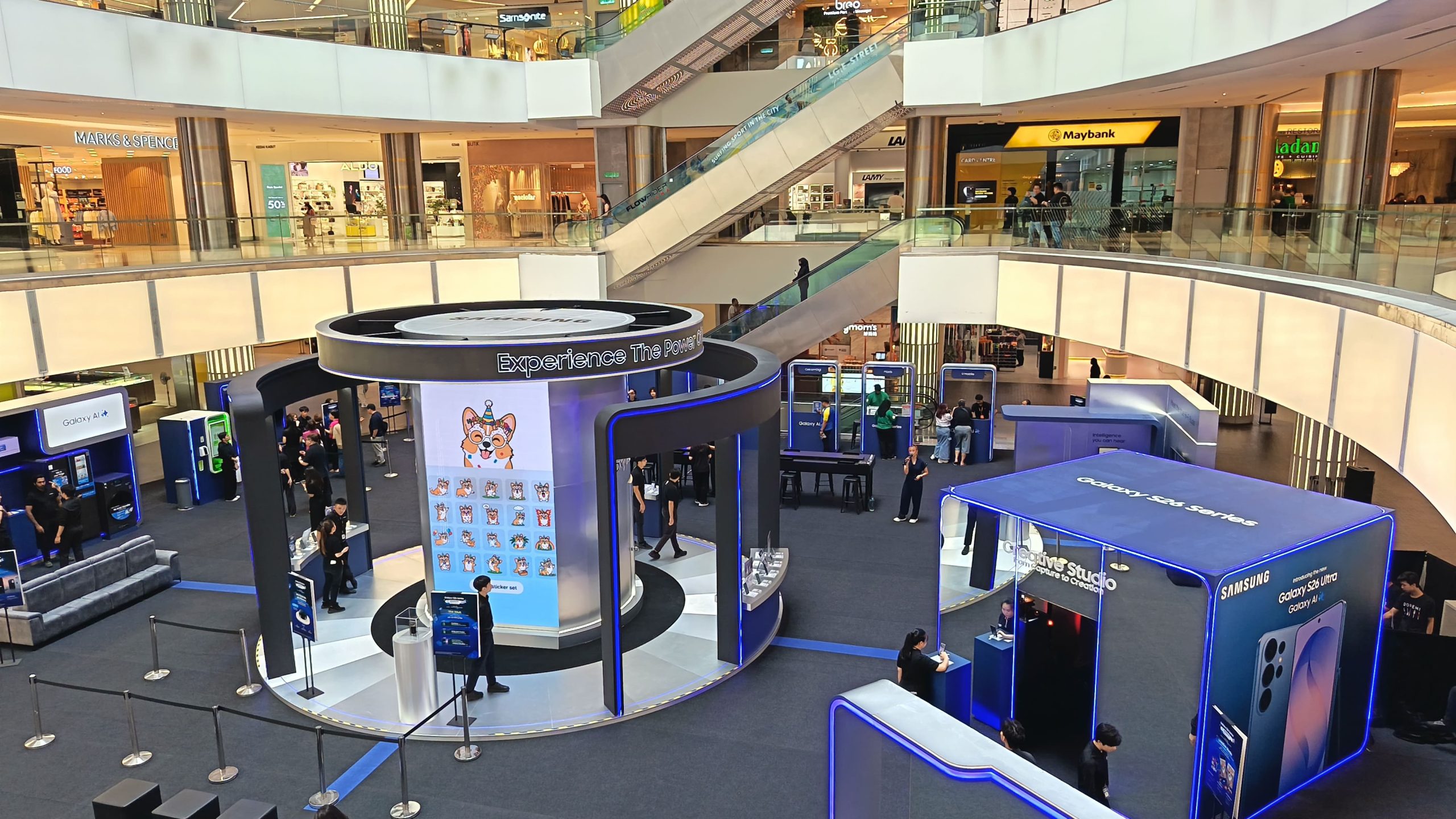
One of the most important elements of a successful smartphone launch is the visual presentation. A professional LED screen setup allows brands to display product visuals, promotional videos, live demonstrations, presentations and launch announcements on a large scale. It also creates a central visual platform that connects the audience with the product, especially during key moments such as the official unveiling.
However, selecting an LED screen for a smartphone launch involves more than choosing a large display. Screen resolution, pixel pitch, brightness, screen configuration, content compatibility and placement must all be considered to ensure that product details appear sharp and visually appealing.
Whether organising an intimate media launch, a flagship smartphone unveiling or a large-scale consumer event, the right LED screen setup can elevate the overall presentation and create a more memorable experience.
Here are the key considerations when planning a professional LED screen setup for smartphone launch events.
Choose the Right LED Screen Resolution for Product Displays
Smartphone launches are highly visual events. Brands often showcase close-up product shots, camera samples, screen demonstrations, design details and promotional videos. These visuals need to appear sharp and detailed, particularly when the audience is viewing the display from relatively close distances.
This makes LED screen resolution an important consideration.
Pixel pitch refers to the distance, measured in millimetres, between the centres of two adjacent LED pixels. A smaller pixel pitch generally provides higher pixel density, allowing the screen to reproduce finer details more clearly.
For a smartphone launch, this is particularly important when displaying:
- Close-up images of smartphone designs and finishes.
- Camera samples and photography comparisons.
- Screen resolution and display demonstrations.
- Product specifications, graphics and text.
- Promotional videos and product animations.
For example, a large LED screen positioned behind a launch stage may need a different pixel pitch from a smaller display installed near a product demonstration area.
The appropriate specification depends on the screen dimensions, viewing distance, content and venue layout. Selecting the right pixel pitch helps ensure that the audience can appreciate the product visuals without unnecessary image pixelation.
Create an Impactful Smartphone Unveiling with a Main LED Screen
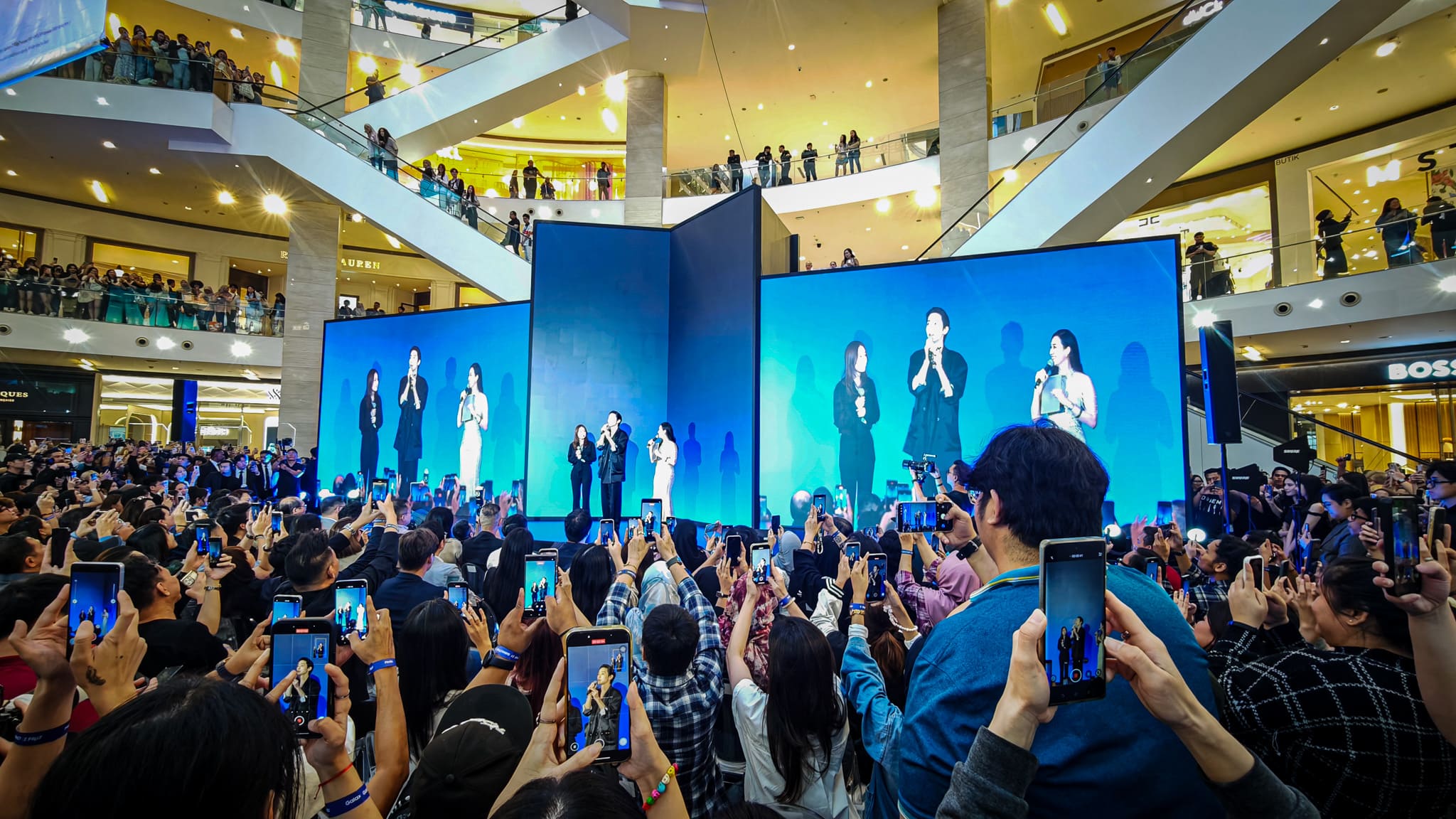 The official product unveiling is often the highlight of a smartphone launch event. It is the moment when the brand introduces its latest device, reveals its design and communicates its key selling points to the audience.
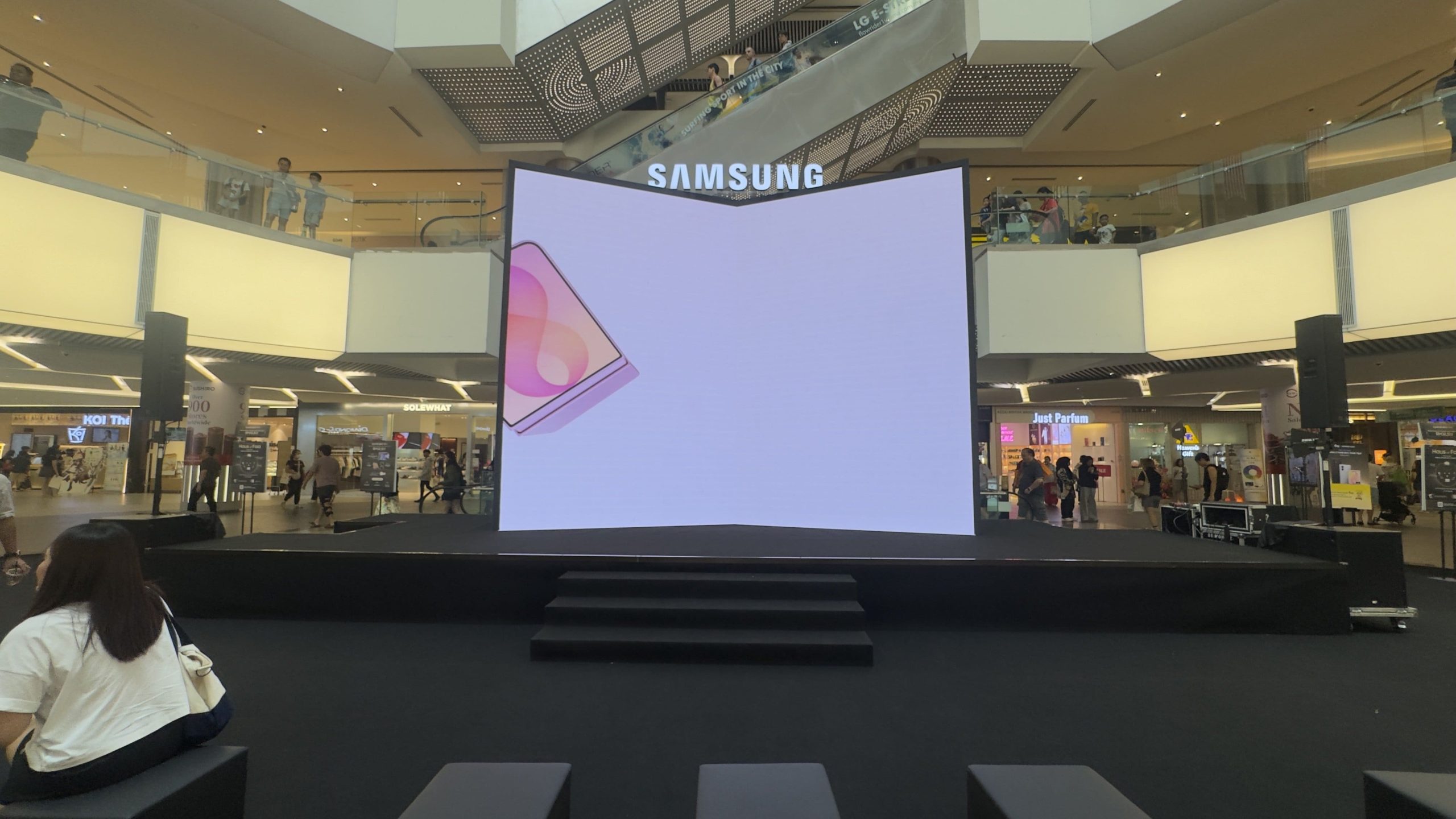
A large main LED screen can make this moment more engaging by providing a dedicated visual backdrop for the presentation.
Instead of relying on a conventional stage backdrop, organisers can use LED displays to create dynamic visual sequences that support the product reveal. For example, the screen can begin with an animated brand introduction, transition into product teasers and finally display the new smartphone through high-quality visuals.
The main LED screen can also display supporting content throughout the programme, including:
- Brand introduction and opening animations.
- Product unveiling videos.
- Smartphone feature highlights.
- Speaker presentations.
- Promotional campaigns and announcements.
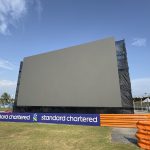
Screen configuration should be planned according to the stage design and available installation space. A wide-format LED screen can provide an expansive visual background, while a combination of LED panels may create a more distinctive stage arrangement.
The objective is to make the smartphone the centre of attention while ensuring that the screen complements the overall event design.
Use LED Screens to Showcase Smartphone Features
Modern smartphones are introduced with numerous features that brands want customers to understand. These may include camera technology, display performance, artificial intelligence capabilities, battery life and processing power.
Explaining these features through spoken presentations alone may not be sufficient, particularly during larger launch events.
LED screens allow organisers to support product presentations with visual demonstrations that make technical information easier to understand.
For example, when introducing a new smartphone camera, the presentation can display photography samples, video footage and comparisons that demonstrate the device’s imaging capabilities. When highlighting the screen technology, product animations and visual demonstrations can help communicate the display’s features.
For smartphone launch events, content should be prepared specifically for the LED screen rather than simply enlarged from standard presentation slides.
Important considerations include:
- Use high-resolution images and videos.
- Ensure product details are visible from the audience’s viewing distance.
- Maintain consistent brand colours and visual identity.
- Avoid overcrowding slides with excessive text.
- Prepare content in the correct aspect ratio and resolution.
A well-planned visual presentation helps audiences understand the product while maintaining their attention throughout the launch.
Consider LED Screen Placement and Stage Configuration
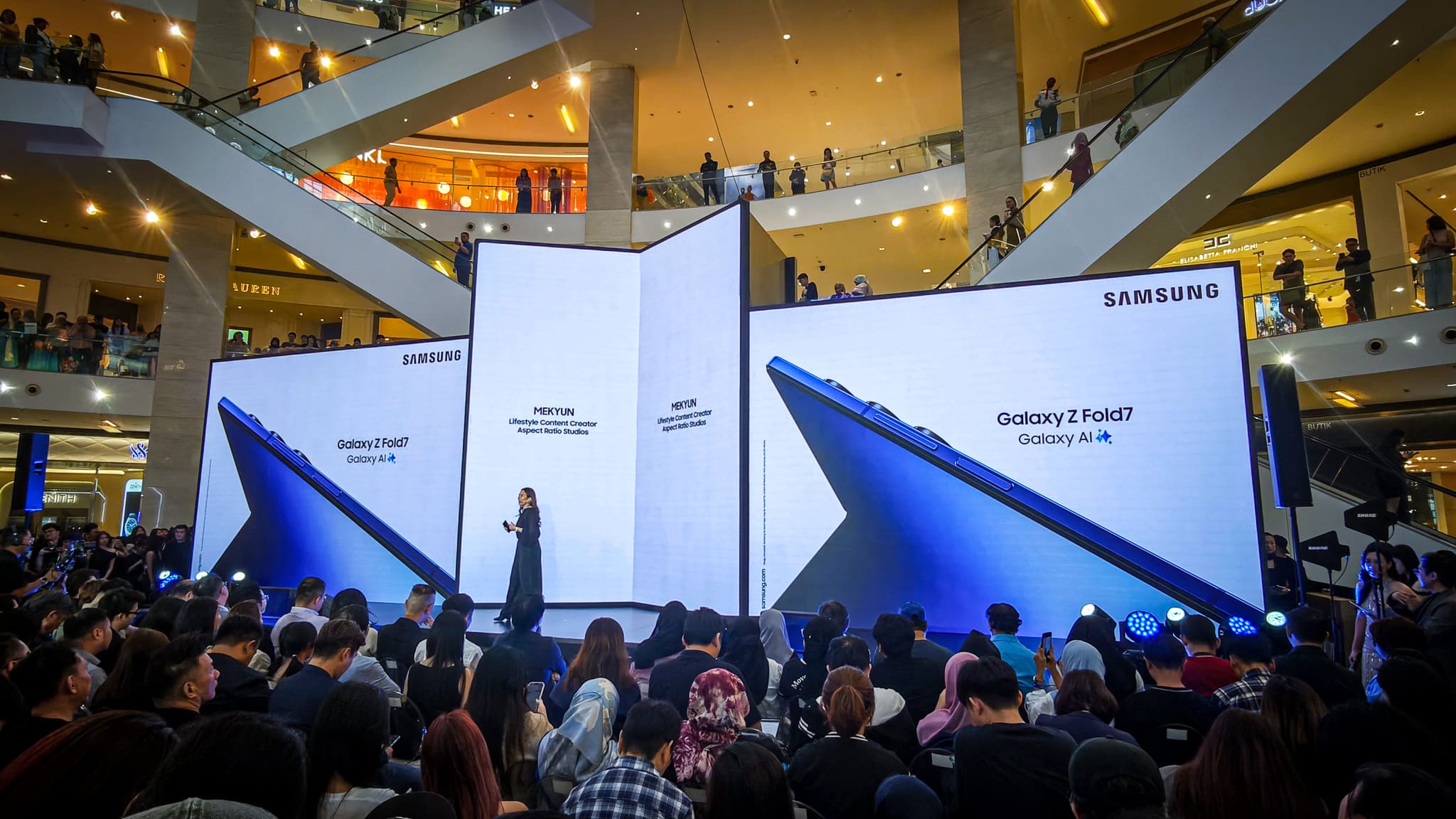 LED screen placement plays an important role in the overall presentation of a smartphone launch.
The screen must be positioned so that the audience can view the product visuals clearly without obstruction. Its dimensions and configuration should also complement the stage design, speaker positions and product unveiling area.
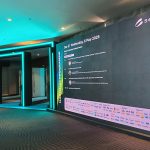
For example, a main LED screen positioned behind the presenter can display product information during the presentation. Additional LED displays at the sides of the stage may provide supplementary visuals or improve visibility for audiences seated further away.
Depending on the event concept, organisers may consider:
Main stage LED screen: A large central display used for the official product unveiling, presentations and promotional videos.
Side LED screens: Additional displays that help audiences seated at the sides follow the presentation.
Vertical LED displays: Portrait-oriented screens that complement smartphone proportions and can showcase product images in a format similar to mobile device displays.
LED backdrop configurations: Multiple LED panels arranged to create a distinctive stage design that supports the brand’s visual identity.
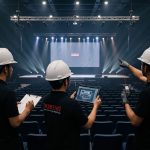
The final configuration should consider the venue dimensions, audience capacity, viewing angles and stage layout. A site inspection before installation helps determine the most suitable arrangement.
Incorporate Creative LED Screen Designs for a More Immersive Experience
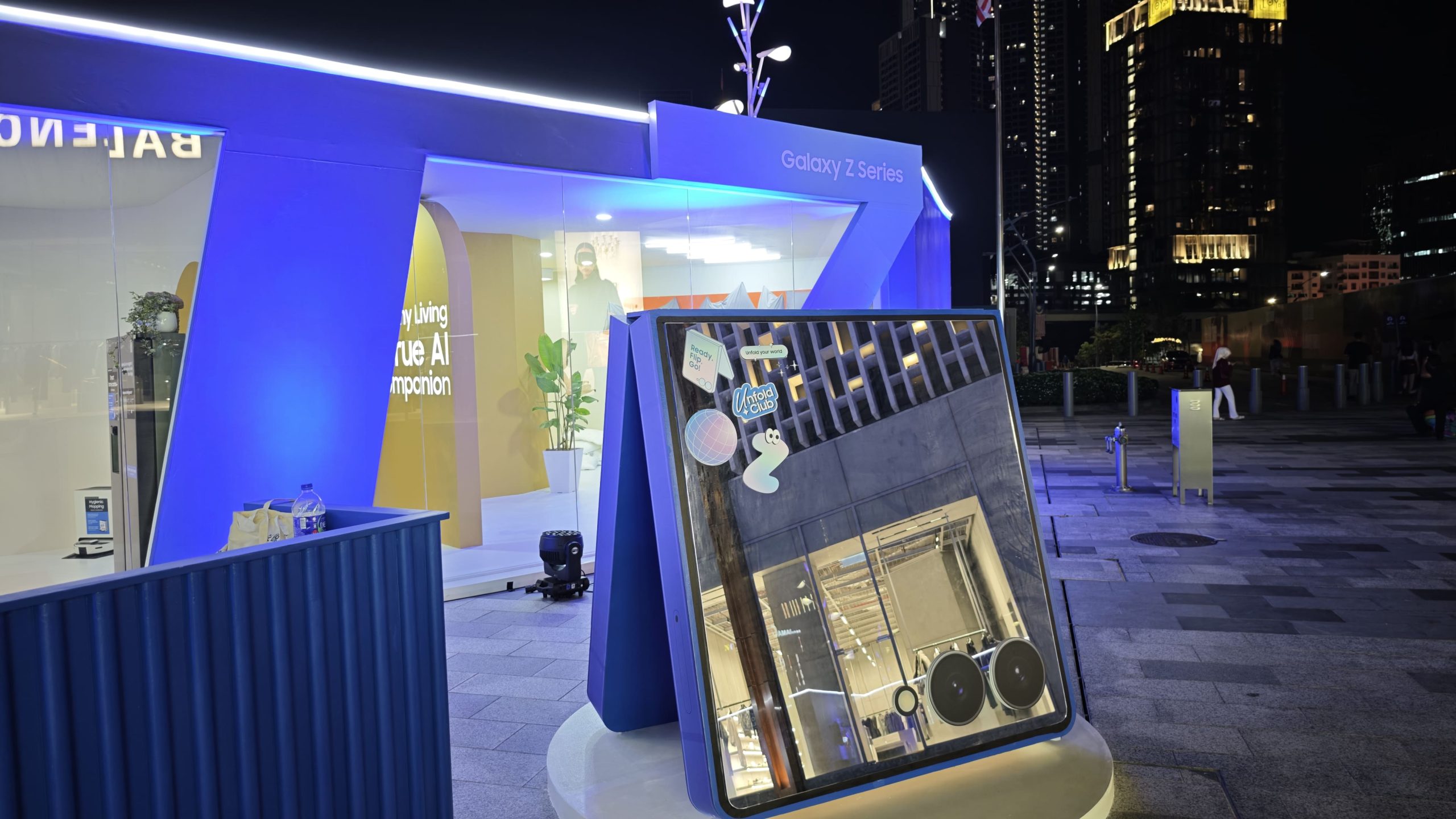 A smartphone launch should reflect the identity and positioning of the brand. The stage design, lighting, screen arrangement and visual content should work together to create a consistent presentation.
LED screens offer flexibility in how the event environment is designed. Rather than using only a traditional rectangular display, organisers can explore different screen configurations to create a more distinctive visual experience.
Some creative possibilities include:
Curved LED screens: Curved configurations can create a wider visual backdrop and add depth to the stage design. They are particularly useful for brands looking to create a contemporary presentation environment.
Portrait LED screens: Vertical displays can complement the shape of a smartphone and provide an effective way to showcase product visuals, device specifications and promotional content.
Multi-screen arrangements: Multiple LED displays can be positioned across the stage to create different visual zones. For example, the main screen can showcase the smartphone while side screens display brand visuals or supporting content.
LED floor displays: Where the event concept and technical requirements allow, LED floor panels can extend the visual presentation beyond the stage backdrop and create additional opportunities for product reveals.
The choice of configuration should depend on the brand concept, venue, stage dimensions and available production budget. Creative screen arrangements should also be planned with appropriate structural support, cable management and access for technical maintenance.
Ensure Colour Accuracy and High-Quality Visual Performance
Smartphone brands invest heavily in product design, colour identity and visual presentation. An LED screen that displays inaccurate colours or inconsistent brightness can affect how the product is perceived during the launch.
This is particularly important when showcasing smartphone colours, camera samples, screen technology and branded promotional content.
For example, if a smartphone is introduced in several colour options, the LED display should reproduce the visuals as accurately as the production system allows. Incorrect colour settings may make the device appear different from its actual finish.
Several factors should be considered:
- Colour calibration: LED panels should be properly calibrated to maintain consistent colour reproduction across the display.
- Brightness adjustment: Brightness should suit the venue’s ambient lighting and stage lighting conditions.
- Contrast performance: Good contrast helps product images and text remain clear and visually distinct.
- Content quality: High-resolution source files help preserve image detail and reduce unwanted visual degradation.
It is also important to review the actual content on the selected LED screen before the event. A technical test allows the production team to identify colour inconsistencies, incorrect aspect ratios and visual issues before the audience arrives.
Consider Refresh Rate for Live Cameras and Event Recording
 Many smartphone launch events include professional photography, video production, media coverage and live streaming. The LED screen may therefore appear not only to the audience but also in the event’s recorded footage.
One specification worth discussing with the LED screen supplier is refresh rate, measured in hertz (Hz).
Refresh rate refers to how frequently the LED display updates its image. A suitable refresh rate can help reduce visible flickering and unwanted visual artefacts when the screen is captured by cameras.
This is especially relevant during:
- Live product unveiling presentations.
- Close-up camera shots of the stage.
- Media interviews and press coverage.
- Live streaming and broadcast production.
- Promotional video recording.
However, refresh rate alone does not guarantee camera compatibility. Camera shutter speed, frame rate, LED processing and display settings also influence the final recorded image.
The production team should conduct camera tests using the actual LED screen and intended camera equipment before the smartphone launch. This helps identify issues such as rolling bands, flickering and moiré patterns.
A properly tested display helps ensure that the event looks professional both inside the venue and in the content shared after the launch.
Integrate LED Screens with Sound and Lighting Systems
An LED screen is only one part of a professional smartphone launch production.
Sound and lighting systems also contribute to the overall atmosphere and presentation. These elements should be coordinated to ensure that the event feels consistent rather than like separate technical installations.
For example, during the official smartphone unveiling, the LED screen can display an animated countdown before revealing the new device. Lighting effects can complement the visual sequence, while the sound system delivers background music and announcement audio.
During the product presentation, the screen can display product features while the presenter explains each specification. Professional audio support ensures that the audience can hear the presentation clearly, including those seated further away from the stage.
A coordinated event production setup may include:
- LED screens for product visuals and presentations.
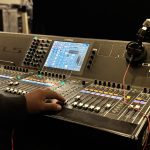
- Professional sound systems for speeches, music and announcements.
- Stage lighting for presenters and product displays.
- Stage and truss structures for equipment positioning.
- Video playback and processing systems.
- Technical crew for setup and event-day operations.
Proper coordination between these elements helps create a smoother event experience and reduces the risk of technical conflicts during important programme segments.
Plan Content Playback and Technical Rehearsals
 A smartphone launch often involves several types of visual content, including product videos, presentation slides, animations, brand advertisements and live camera feeds.
These materials should be organised into a clear playback schedule before the event.
The production team should confirm the screen’s native pixel dimensions, aspect ratio, supported input formats and video processing requirements. Content prepared for a standard widescreen display may need adjustment if the stage uses portrait screens, curved configurations or multiple LED displays.
A technical rehearsal is also important to verify that every visual appears correctly.
Before the launch, check:
- All promotional videos and presentation slides.
- Video playback timing and transitions.
- Correct screen resolution and aspect ratio.
- Live camera feed and video switching.
- Screen brightness and colour settings.
- Audio and lighting coordination.
- Backup playback content and equipment arrangements.
This preparation is particularly important during the official unveiling, where timing and visual presentation are essential. A missing video, incorrect product image or delayed playback can interrupt an otherwise well-planned launch.
Having an experienced technical team on-site helps manage content changes and address display issues throughout the programme.
Why Professional LED Screen Setup Matters for Smartphone Launch Events
A smartphone launch is an important brand presentation, and every visual element contributes to how the audience experiences the new product.
Professional LED screen setup involves more than supplying display panels. It requires an understanding of the venue, audience viewing distances, screen resolution, content requirements, stage configuration and integration with other production equipment.
When these elements are planned together, LED screens can help brands present their products more effectively, support live demonstrations and create a stronger visual experience for media representatives, business partners, influencers and consumers.
The right technical setup also helps minimise disruptions during important moments, particularly the official product unveiling and live presentations.
For event organisers, working with an experienced event technology supplier makes it easier to coordinate the different technical requirements and select an appropriate solution for the launch.
Further Reading
- LED Display Solutions for Product Launch Events – YSLED Display – Additional reference on LED display applications and visual presentation for product launch events.
- LED Screen Viewing Distance: How to Choose the Right Pixel Pitch – DOREMi – Learn how pixel pitch and viewing distance influence LED screen selection for different event environments.
Website: https://www.doremievent.com/
Planning Your Next Event with Outdoor LED Screens?
Whether you are organising a brand activation, the right outdoor LED screen rental can help bring your event visuals to life.
At DOREMi, we provide professional LED screen rental and event production solutions, supported by sound systems, lighting, staging, truss structures and audiovisual equipment. Our team works with event organisers to understand their venue, audience and technical requirements before recommending a suitable LED screen setup.
From large-format outdoor LED displays to integrated event production, DOREMi helps deliver visual solutions that support your event objectives.
Contact DOREMi to discuss your outdoor LED screen and event production requirements.