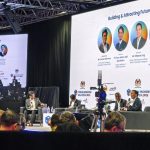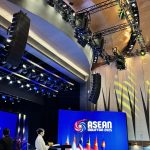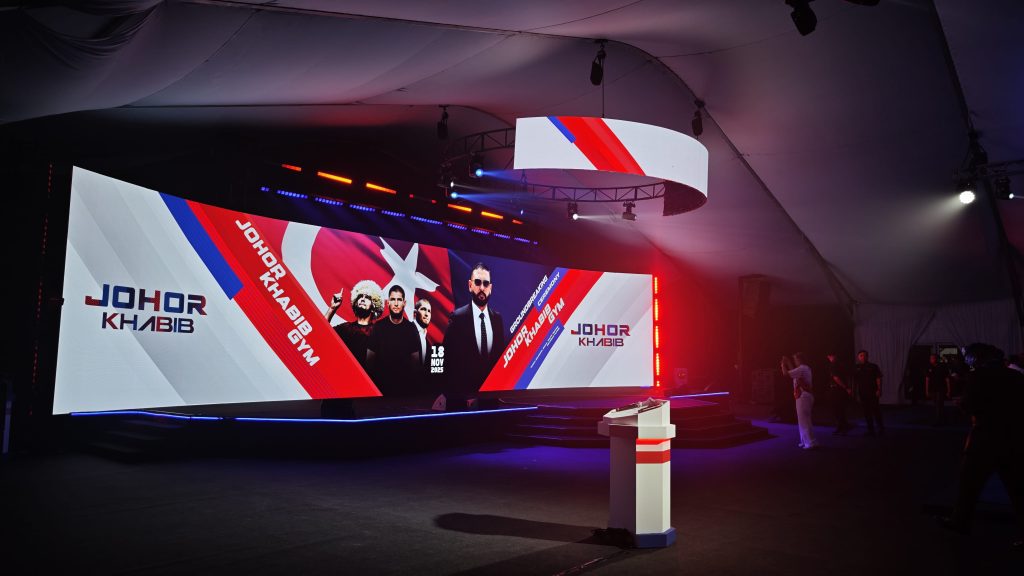
A product launch is just weeks away. The venue has been booked, the stage design is approved, and now comes one of the most important production decisions: selecting the right LED screen rental solution.
At first glance, indoor and outdoor LED screens may appear similar. Both deliver vibrant visuals, videos, presentations, and branding content. However, choosing the wrong type of LED screen can affect visibility, reliability, and the overall audience experience.
An indoor LED screen used outdoors may struggle under direct sunlight, while an outdoor LED screen installed inside a ballroom may provide unnecessary brightness, higher power consumption, and additional costs.
Choosing between indoor and outdoor LED screens is more than a technical decision. It directly affects content visibility, event reliability, production efficiency, and budget planning. Understanding the differences helps businesses select the right LED screen rental solution for conferences, exhibitions, product launches, concerts, and large-scale events.
Why Choosing the Right LED Screen Matters
An LED screen is often the visual centerpiece of an event. Whether displaying keynote presentations, live camera feeds, promotional videos, sponsor branding, product demonstrations, or performance visuals, it plays a critical role in capturing audience attention and delivering information clearly.
Selecting the appropriate screen ensures:
Sharp, vibrant visualsClear Audience Visibility From Different Viewing Distances
Reliable Performance Throughout The EventEffective Presentation Of Branding and Content
Better Return On Production InvestmentA smoother overall event experience
Rather than asking, “Which LED screen is better?” the more important question is:
“Which LED screen is best suited for this venue, audience, and event objective?”
Understanding Indoor LED Screens
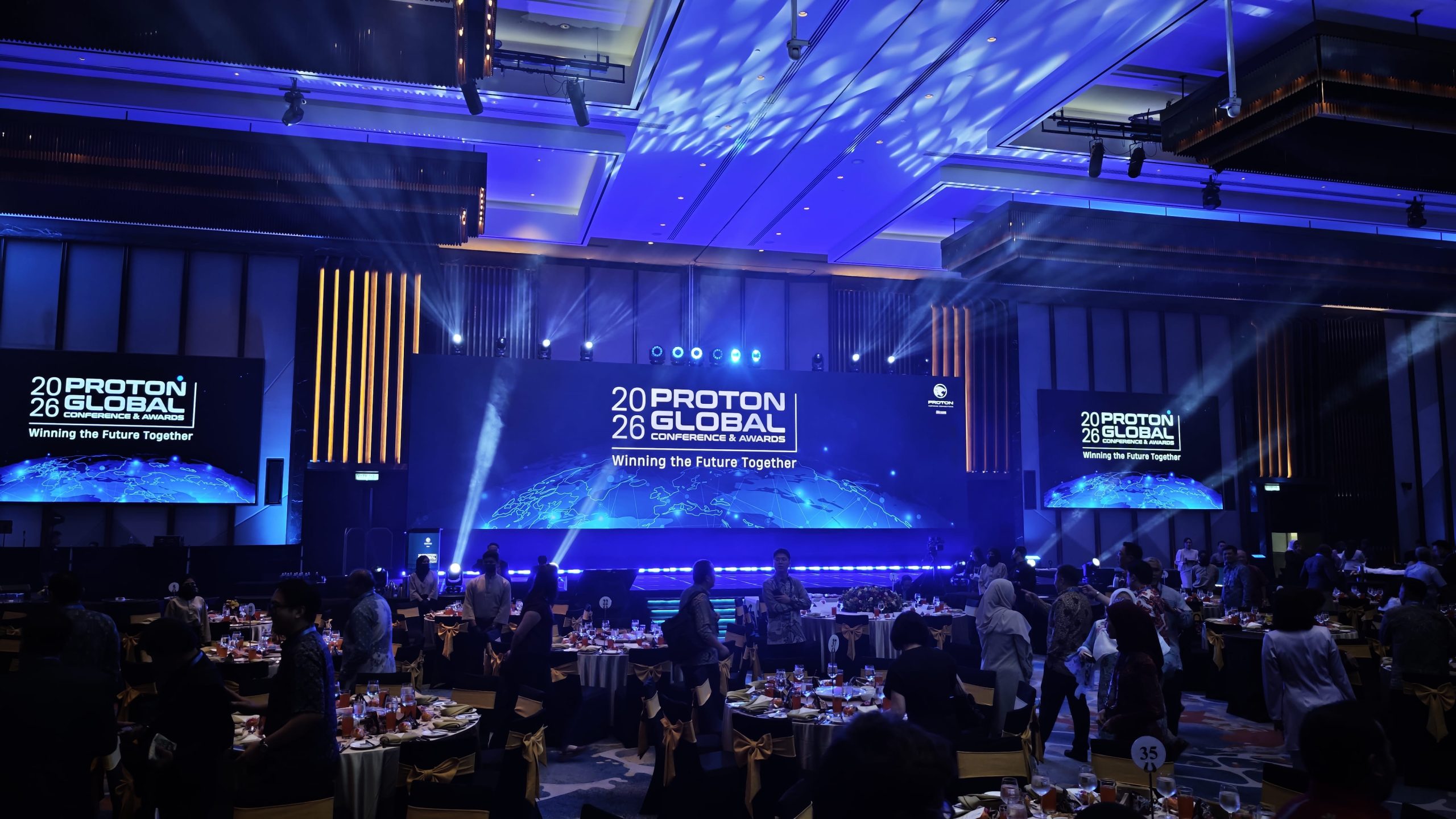
Indoor LED screens are designed for controlled environments where lighting conditions, temperature, and weather exposure remain relatively stable. They are commonly used for:
Corporate ConferencesAnnual General Meetings (AGMs)Product LaunchesAward Ceremonies
ExhibitionsTrade ShowsHotel BallroomsShopping MallsIndoor Concert
Because audiences are often positioned closer to the display, indoor LED screens typically feature smaller pixel pitches. Pixel pitch refers to the distance between individual LED pixels, and a smaller pixel pitch allows the screen to produce sharper images, smoother graphics, and clearer text at shorter viewing distances.
For indoor LED screen rental projects, selecting the correct pixel pitch is important because a screen that is too coarse may appear less detailed when viewed up close, while an unnecessarily fine pixel pitch may increase costs without providing noticeable benefits.
Advantages of Indoor LED Screens
- High image clarity for close viewing
- Excellent colour accuracy
- Ideal for presentations and detailed graphics
- Slim and lightweight design
- Lower power consumption than outdoor models
- Cost-effective for indoor venues
These characteristics make indoor LED screens ideal for environments where image quality is the top priority.
Understanding Outdoor LED Screens
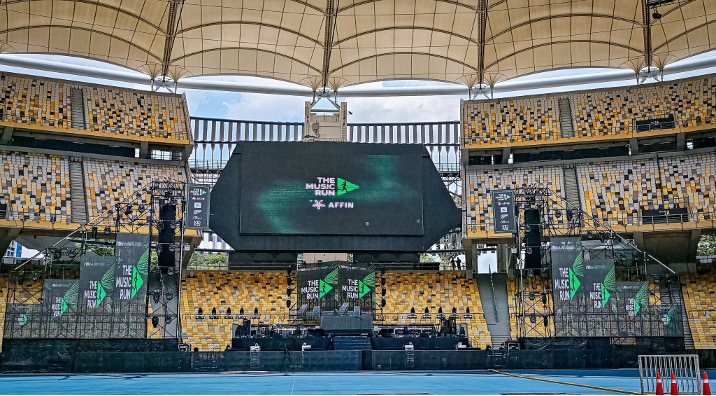
Outdoor LED screens are engineered to perform in more demanding environments where sunlight, weather conditions, and longer viewing distances become major considerations.
Outdoor LED screens are commonly used for:
Music FestivalsSporting EventsPublic CelebrationsGovernment Events
RoadshowsOutdoor Product LaunchesCommunity EventsLive Public Screenings
Outdoor LED screen rental projects require careful planning because environmental conditions can significantly affect performance. A screen that performs well inside a venue may become difficult to view outdoors if it does not provide sufficient brightness. For outdoor events, reliability, durability, and visibility are equally important as image quality.
Advantages of Outdoor LED Screens
- Extremely high brightness for daylight visibility
- Weather-resistant construction
- Durable against dust and moisture
- Suitable for large viewing distances
- Stable performance in changing environments
- Designed for continuous outdoor operation
For outdoor events, reliability is just as important as image quality.
Indoor vs Outdoor LED Screens: A Comparison
| Feature | Indoor LED Screen | Outdoor LED Screen |
|---|---|---|
| Brightness | Moderate brightness for controlled lighting environments | High brightness designed for sunlight visibility |
| Weather Resistance | Limited environmental protection | Designed to withstand rain, dust, and outdoor conditions |
| Viewing Distance | Short to medium viewing distances | Medium to long viewing distances |
| Pixel Pitch | Smaller pixel pitch for sharper close-up viewing | Larger pixel pitch suitable for wider audiences |
| Structure | Lightweight and designed for controlled venues | More robust construction for demanding environments |
While both technologies deliver excellent visuals, they are engineered for completely different operating environments. Selecting the correct LED screen rental solution depends on where the event takes place, how audiences will view the display, and what content needs to be shown.
Key Factors to Consider Before Choosing an LED Screen
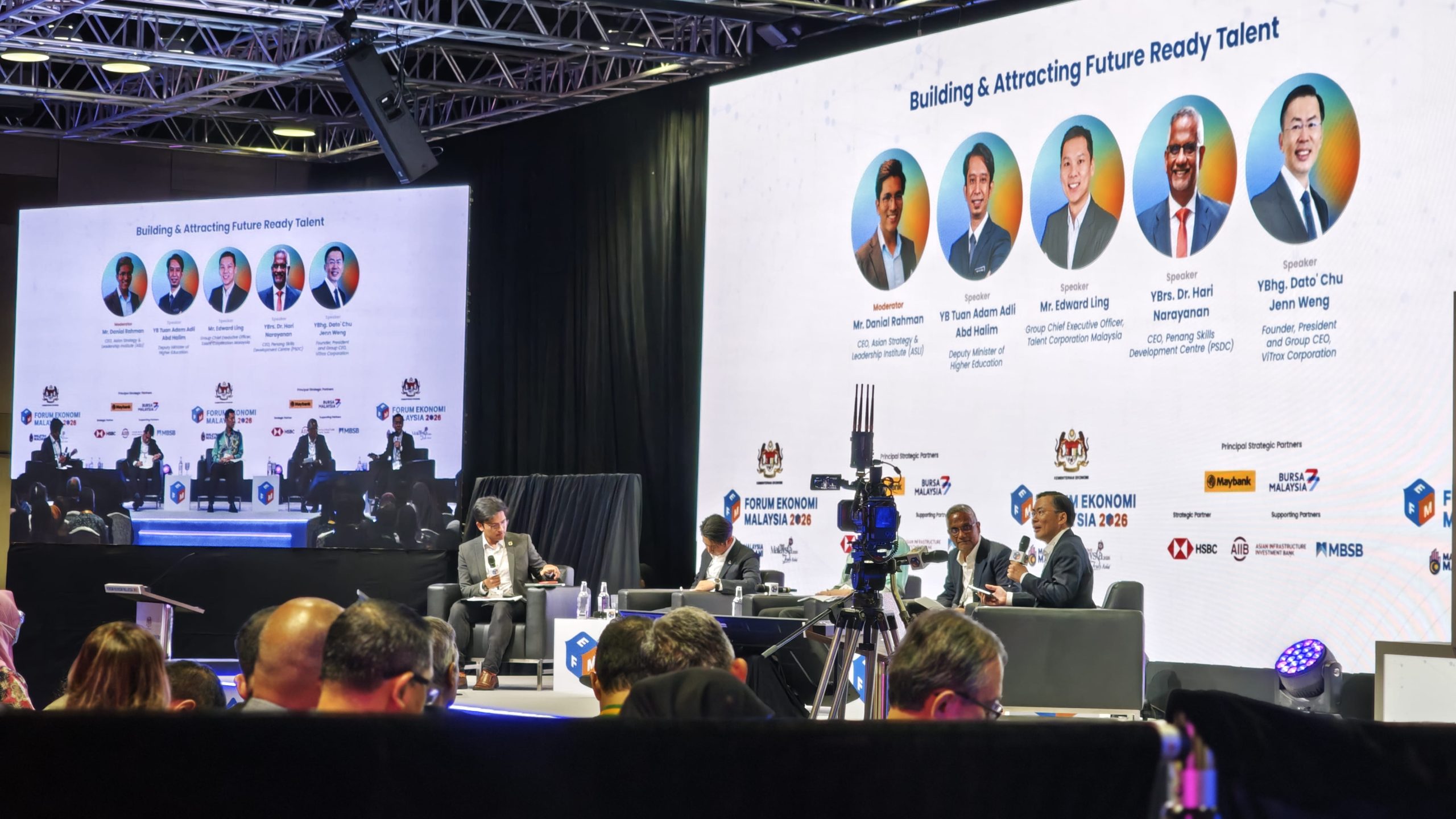
Venue Conditions
The event environment is the first factor to consider when selecting an LED screen. Indoor venues typically provide controlled lighting, stable temperatures, and protection from weather conditions. Outdoor environments introduce additional challenges such as direct sunlight, rain, wind, humidity, and temperature fluctuations. These conditions determine whether an indoor or outdoor LED screen is suitable and influence important specifications such as brightness level, protection rating, and structural requirements.
Audience Viewing Distance
Viewing distance plays an important role in determining the correct LED screen specification. Audiences positioned close to the display require finer pixel pitches to ensure sharp images, readable text, and smooth graphics. For larger outdoor events where audiences are positioned further away, LED screens with different pixel configurations can provide the right balance between visibility, performance, and cost efficiency. Professional LED screen rental planning considers audience layout, venue size, and sightlines to ensure every viewer receives a clear visual experience.
Content Type
Different content formats also influence LED screen selection. Detailed presentations, product demonstrations, and corporate branding require excellent image clarity, while concerts and live events may prioritise brightness, size, and viewing distance. Selecting the correct display specification ensures the LED screen supports the content rather than limiting the production.
Lighting Conditions
Ambient lighting significantly affects screen visibility. A ballroom with controlled lighting requires different brightness levels than an outdoor venue under midday sunlight. Selecting the appropriate brightness ensures visuals remain clear without overwhelming the audience.
Event Duration
Some productions run for only a few hours, while others continue throughout the day or span multiple days. Longer events require dependable equipment capable of maintaining consistent performance throughout extended operation.
Common Mistakes When Choosing an LED Screen
Many event challenges begin long before installation. Some of the most common mistakes include:
Choosing Based Only on Screen Size
A larger screen does not automatically create a better viewing experience. Factors such as resolution, viewing distance, and placement often have a greater impact on audience engagement.
Ignoring Venue Conditions
Environmental conditions should always guide equipment selection. Using the wrong screen type can reduce visibility, affect reliability, and increase technical risks.
Overlooking Screen Placement
Even the best LED screen performs poorly if positioned incorrectly. Proper height, viewing angles, and audience sightlines should always be considered during planning.
Ignoring Technical Support Requirements
An LED screen is not a standalone display system. Successful operation depends on professional setup, calibration, video processing, signal management, power planning, and technical monitoring throughout the event. Choosing the right equipment without experienced technical support can still result in visual issues, delays, or performance problems during critical event moments.
Which Screen Fits Which Event?

Different events require different LED screen specifications based on venue conditions, audience expectations, and production objectives.
Corporate Conferences and Product Launches
Indoor conferences, gala dinners, and product launches held in hotels, ballrooms, or convention centres typically benefit from indoor LED screens. These environments allow finer pixel pitches to deliver sharp presentations, detailed graphics, product visuals, and live camera feeds.
For corporate events, the right LED screen rental solution helps create a premium visual experience while maintaining clear communication with the audience.
Exhibitions and Trade Shows
Exhibitions often require flexible LED solutions that can adapt to different booth sizes, visitor traffic patterns, and venue restrictions. Modular indoor LED screens allow brands to create impactful displays while maintaining efficient installation within limited spaces.
Concerts and Outdoor Events
Concerts, festivals, and public events require outdoor LED screens designed for high brightness, longer viewing distances, and changing weather conditions. These productions often involve large display surfaces, dynamic content, lighting systems, and complex technical requirements.
Outdoor or Semi-Outdoor Venues
Events held at rooftops, gardens, or tented venues require careful evaluation before selecting a screen. Although these locations may provide partial protection, factors such as sunlight exposure, humidity, airflow, and weather changes can still influence screen performance.
Professional assessment is important to determine whether an indoor solution is sufficient or whether an outdoor LED screen is required.
Bringing Your Event to Life with the Right LED Screen
Whether hosting an executive conference, launching a new product, organising an exhibition, or producing a large-scale outdoor concert, selecting the right LED screen rental solution plays an important role in event success.
Indoor and outdoor LED screens are designed for different environments, and choosing the correct display ensures better image quality, reliable performance, and a stronger audience experience.
At DOREMi, we work closely with clients to understand their venue conditions, audience requirements, content needs, and production objectives before recommending the most suitable LED display solution. With professional planning and technical expertise, our team delivers reliable visual solutions that support successful events across Malaysia.
Finding the Right LED Screen for Your Next Event?
Every event has unique requirements, and selecting the right LED screen starts with understanding your venue, audience, content, and production goals.Whether you are planning a corporate conference, exhibition, product launch, concert, roadshow, or hybrid event, DOREMi provides professional LED screen rental solutions designed to deliver outstanding visual performance and a seamless event experience.
Speak with our team today to discover the ideal LED display solution for your next event.