Key Takeaways:
Brightness is King: Choose LED screens for well-lit ballrooms to ensure 5,000+ nit visibility.
Creative Versatility: Opt for projection mapping for immersive art or non-flat surfaces.
Budget Optimization: Use projection for small-scale, dim-lit meetings to maximize cost-efficiency.
Reliability: Prioritize LED walls for high-stakes government VIP events to eliminate shadow interference.
LED Screens vs. Projection: Which is Best for Your Indoor Event?
 When planning an indoor event, whether it’s a corporate conference in Kuala Lumpur, a product launch in Penang, or a gala dinner in Johor Bahru, one of the most critical decisions is choosing the right display technology. The choice between LED screens and projection systems can significantly impact audience engagement, technical feasibility, and overall event success. Both technologies have evolved rapidly, but their strengths and limitations remain distinct. Understanding these differences — backed by real industry data, trends, and examples — helps organizers make informed decisions.
Brightness and Visual Impact
One of the most decisive factors is brightness. LED screens deliver high luminance levels, often exceeding 5,000 nits, which makes them visible even in brightly lit ballrooms or exhibition halls. In contrast, projectors typically require controlled lighting conditions to achieve optimal clarity.
For example, at Malaysia Tech Expo 2024, organizers opted for LED walls to ensure presentations remained crisp despite ambient lighting from exhibition booths. This reflects a global trend: according to AVIXA’s 2024 Industry Outlook and Trends Analysis, LED displays are projected to grow at a 12% CAGR through 2027, largely because of their ability to perform in diverse lighting environments.
Projection, however, still shines in darkened settings. For events like film screenings or immersive art installations, projectors can create large-scale visuals with cinematic depth. The George Town Festival in Penang has used projection mapping on indoor and outdoor surfaces to create artistic experiences that LED panels cannot replicate.
Flexibility in Size and Shape
LED screens are modular, meaning panels can be assembled into virtually any size or shape. This flexibility allows creative stage designs, curved backdrops, or towering vertical displays. In Malaysia, corporate AGMs at KLCC Convention Centre often use LED walls spanning the entire stage width, ensuring every shareholder has a clear view of financial presentations.
Projection systems, while capable of covering large areas, are limited by throw distance and screen size. A projector’s resolution is fixed, and scaling up often reduces clarity. LED screens, by contrast, maintain pixel density across configurations, ensuring sharp visuals even at unconventional dimensions.
Cost Considerations
Budget remains a practical constraint. Projection systems are generally more cost-effective for small-scale events. Renting a high-quality projector and screen is significantly cheaper than installing LED panels. For community events, training sessions, or modest corporate meetings, projection offers a reliable solution without straining budgets.
However, costs must be weighed against long-term value. LED screens, though more expensive upfront, reduce risks of poor visibility and technical hiccups. In Malaysia’s competitive event industry, where audience expectations are rising, investing in LED often translates to stronger brand impressions. For instance, product launches by tech companies in Kuala Lumpur increasingly favor LED walls to showcase high-definition videos and animations that would lose impact on projection.
Reliability and Maintenance
LED screens are less prone to disruptions caused by ambient light or shadows. They also avoid issues like bulb burnout, which is common in projectors. This reliability is crucial for high-stakes events such as government conferences at Putrajaya International Convention Centre, where uninterrupted visuals are non-negotiable.
Projection systems, while reliable in controlled environments, require careful calibration. Shadows from presenters or objects can interfere with visuals, and brightness diminishes over time. For events with dynamic stage activity, LED screens eliminate these risks.
Audience Engagement and Experience
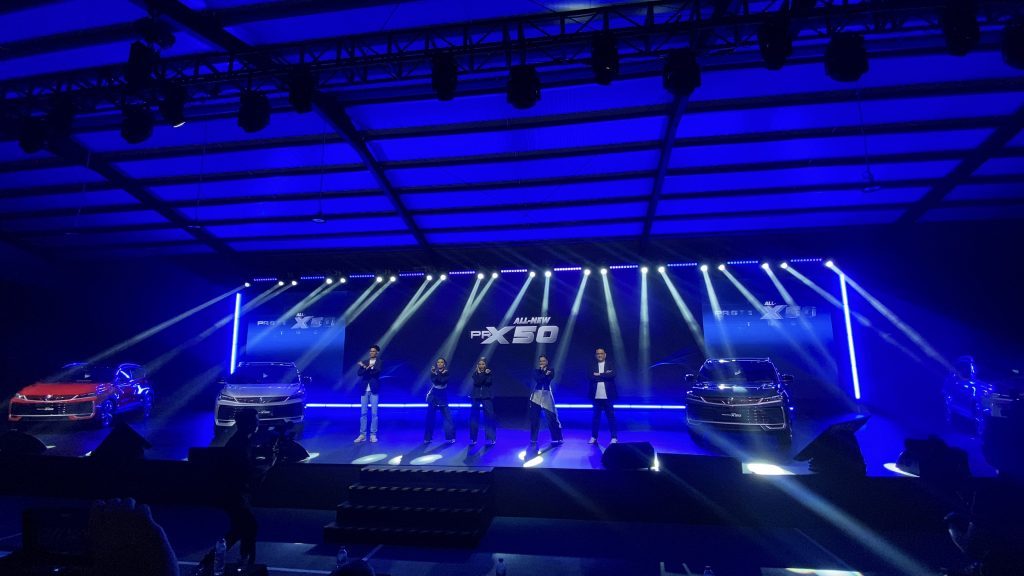
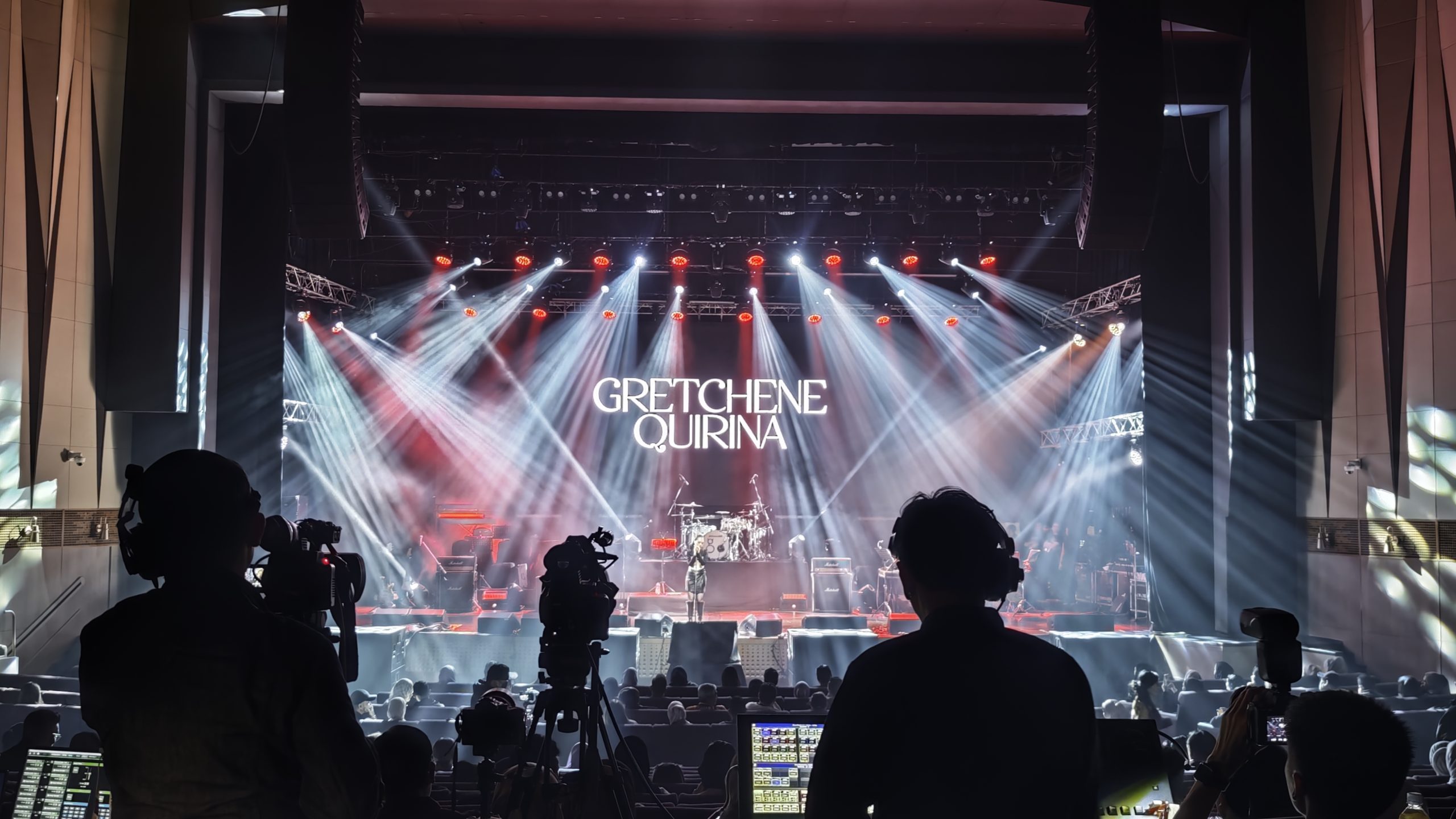
Modern audiences expect immersive, high-quality visuals. LED screens deliver vibrant colors and dynamic motion graphics that enhance engagement. At concerts in Malaysia’s Axiata Arena, LED backdrops are integral to stage design, synchronizing with lighting and sound for a multisensory experience.
Projection, however, offers unique creative possibilities. Projection mapping can transform walls, ceilings, or even objects into interactive canvases. Globally, events like Amsterdam Light Festival showcase how projection creates artistic storytelling beyond flat screens. In Malaysia, art exhibitions in Publika Kuala Lumpur have used projection to create immersive environments that LED panels cannot replicate.
Practical Setup and Venue Constraints
Venue logistics often dictate the choice. LED screens require structural support and power supply, which may be challenging in smaller venues. Projection systems, being lighter and easier to set up, are often preferred for mobile or temporary events.
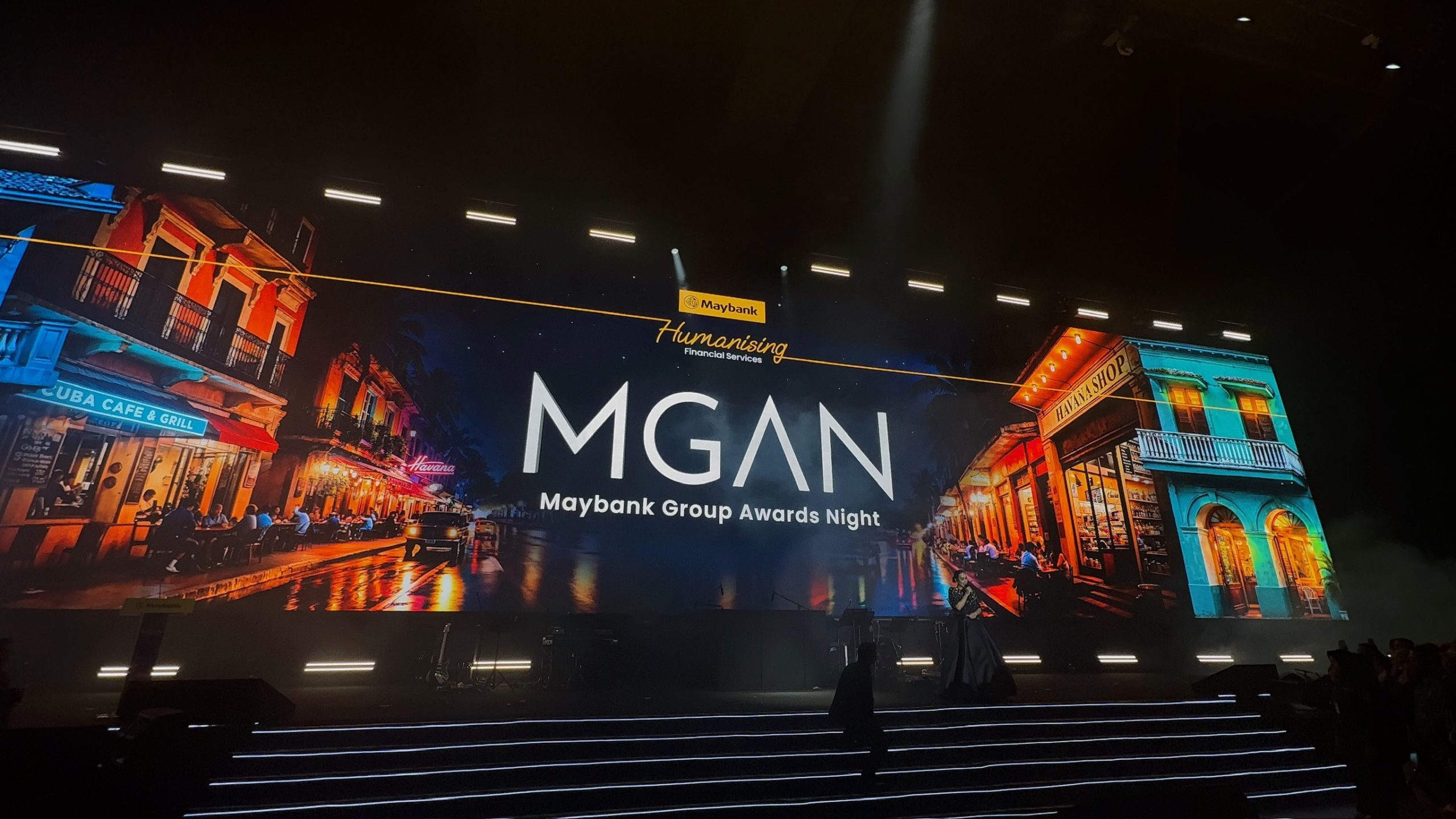
For example, university seminars in Malaysia frequently use projectors because they can be quickly installed in lecture halls without extensive rigging. Conversely, corporate gala dinners at hotels like Shangri-La Kuala Lumpur often feature LED walls as part of elaborate stage setups, where aesthetics and impact outweigh logistical complexity.
Trends in Malaysia and Globally
 The Malaysian event industry is aligning with global trends favoring LED adoption. Companies like LEDtronics Malaysia and Nikko Event Solutions report rising demand for LED rentals, particularly for corporate and entertainment events. Globally, the live events sector is seeing LED dominate due to its scalability and visual quality.
Yet projection remains relevant in niche applications. Museums, art festivals, and budget-conscious events continue to rely on projection for its affordability and creative versatility. Hybrid approaches are also emerging: combining LED for main stage visuals with projection for ambient or artistic effects.
Practical Recommendations for Event Organizers
Corporate Conferences & AGMs: LED screens ensure clarity in well-lit halls and reinforce professionalism.
Product Launches: LED delivers high-definition impact, crucial for showcasing visuals.
Concerts & Entertainment: LED integrates seamlessly with lighting and stage design.
Art Installations & Festivals: Projection offers creative flexibility for immersive storytelling.
Budget-Sensitive Events: Projection remains a practical choice for small-scale setups.
Conclusion
Choosing between LED screens and projection is not about declaring a universal winner. It’s about aligning technology with event objectives, venue conditions, and audience expectations. In Malaysia’s evolving event landscape, LED screens are becoming the default for high-profile indoor events, driven by demand for brightness, flexibility, and reliability. Projection, however, continues to serve valuable roles where creativity, affordability, or cinematic ambiance is prioritized.
For DOREMi Events and other professional organizers, the key is to evaluate each event’s unique needs. By balancing cost, logistics, and audience experience, you can select the right technology to elevate your event and whether through the dazzling clarity of LED or the artistic versatility of projection.